Artwork
Mary McIlvaine Bloomfield
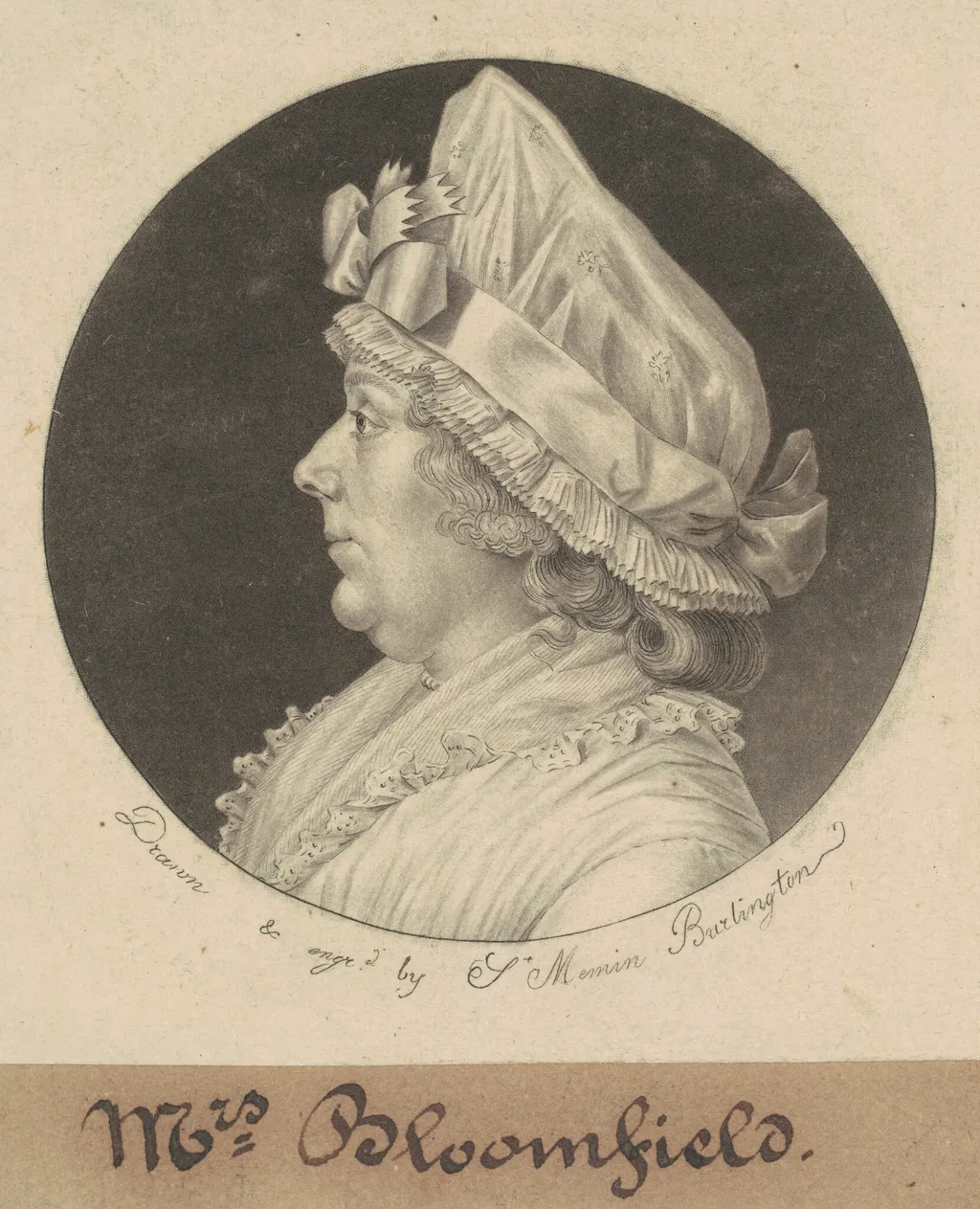
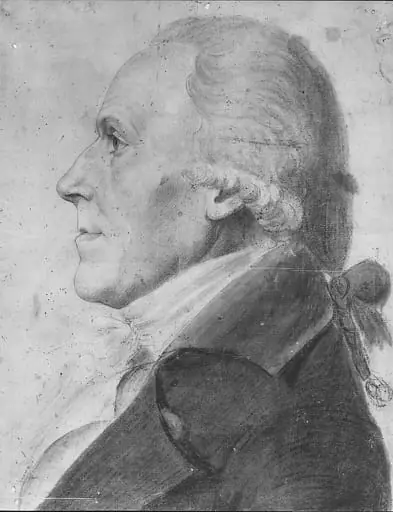
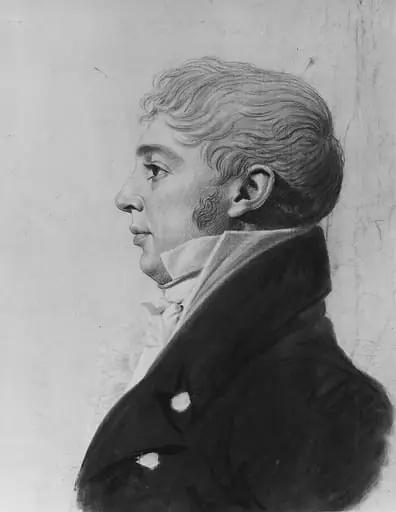
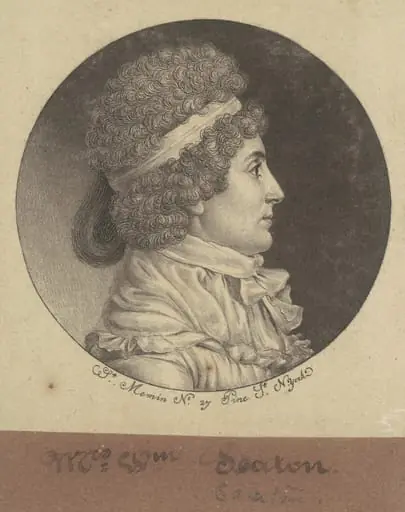
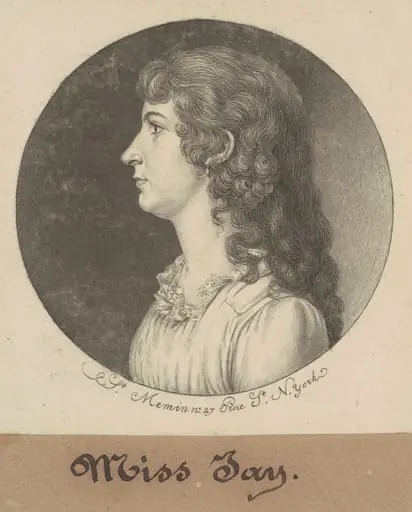
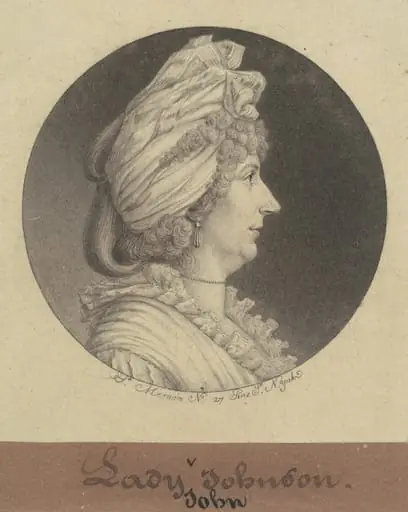
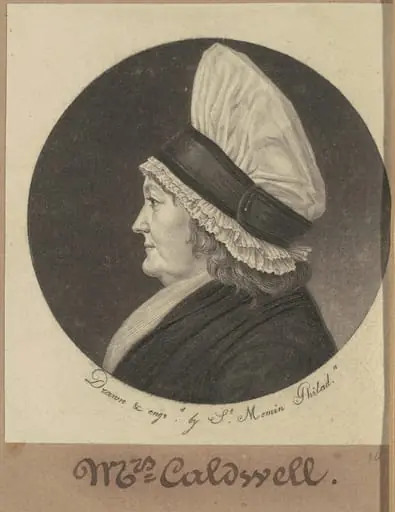
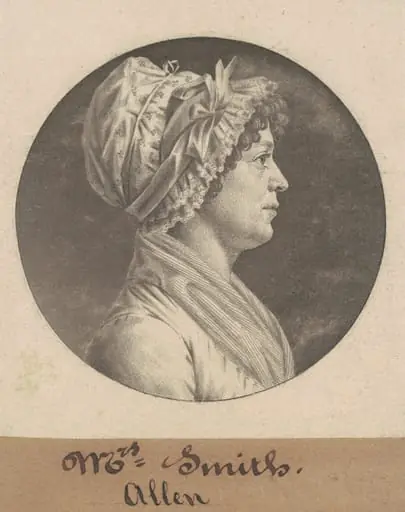
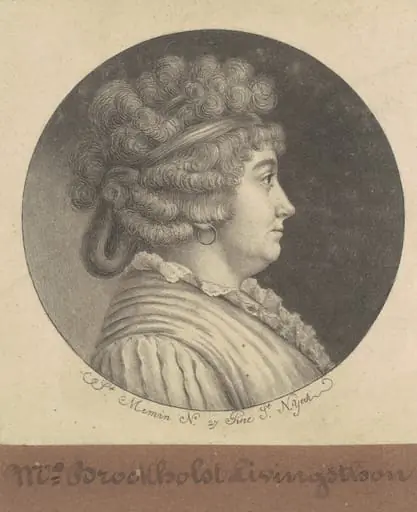
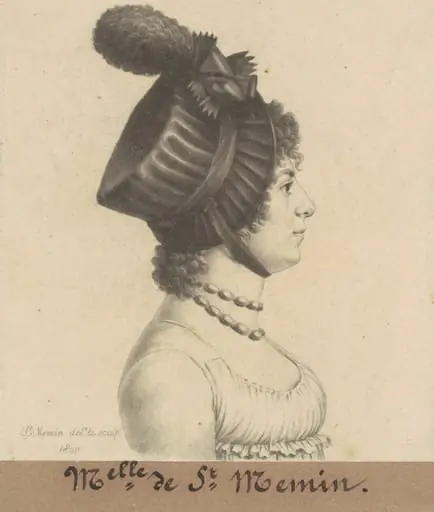
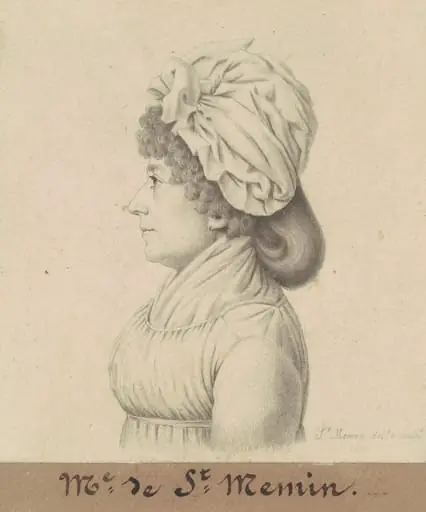
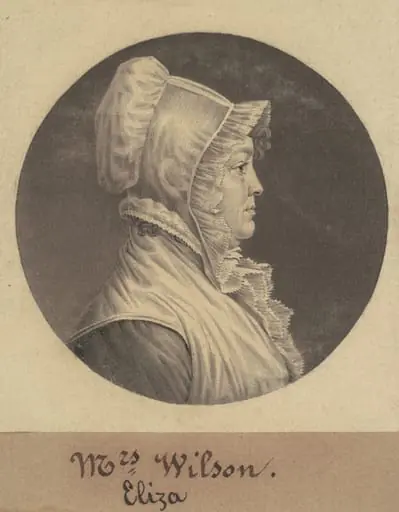
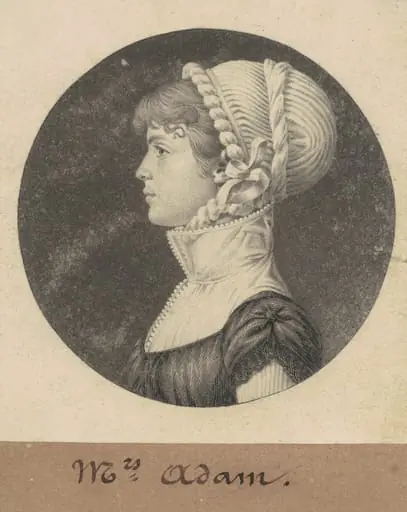
Mary McIlvaine Bloomfield is an ink print by the Romanticist artist Charles Balthazar Julien Févret de Saint-Mémin. It dates from 1800 and is held in the collection of the National Gallery of Art. Created in 1800, this black-and-white print by Charles B.
About this work
Overview
Created in 1800, this black-and-white print by Charles B. J. Févret de Saint‑Mémine depicts a seated woman rendered in mezzotint and engraving on wove paper. The image is mounted on a brown wove backing, giving it a sturdy, archival presentation. The work is catalogued under the name Mary McIlvaine Bloomfield, suggesting the sitter’s identity.
Subject & Meaning
The portrait presents a woman dressed in a dark gown with a high white collar, her hair tightly pulled back. She turns slightly to her left, offering a composed, serene expression. The restrained pose and modest attire convey a sense of propriety and quiet dignity typical of early‑19th‑century portraiture.
Technique & Style
Saint‑Mémine employed a combined mezzotint and engraving process, allowing for delicate gradations of tone. The mezzotint provides soft, velvety shadows that model the skin, while the engraved lines define details such as the collar and hair. A deep, uniform background enhances the figure’s illumination, creating a subtle three‑dimensional effect.
History & Provenance
The print is attributed to the French engraver Charles B. J. Févret de Saint‑Mémine, active in the late eighteenth and early nineteenth centuries. It bears the sitter’s name, Mary McIlvaine Bloomfield, though the circumstances of its commission remain undocumented. The work has been preserved on wove paper, a common support for fine prints of the period.
Artist & collection

Artist
Charles Balthazar Julien Févret de Saint-Mémin
Charles Balthazar Julien Févret de Saint-Mémin (French pronunciation: ; 1770–1852) was a French portrait painter and museum director.