Artwork
Stephen Van Rensselaer
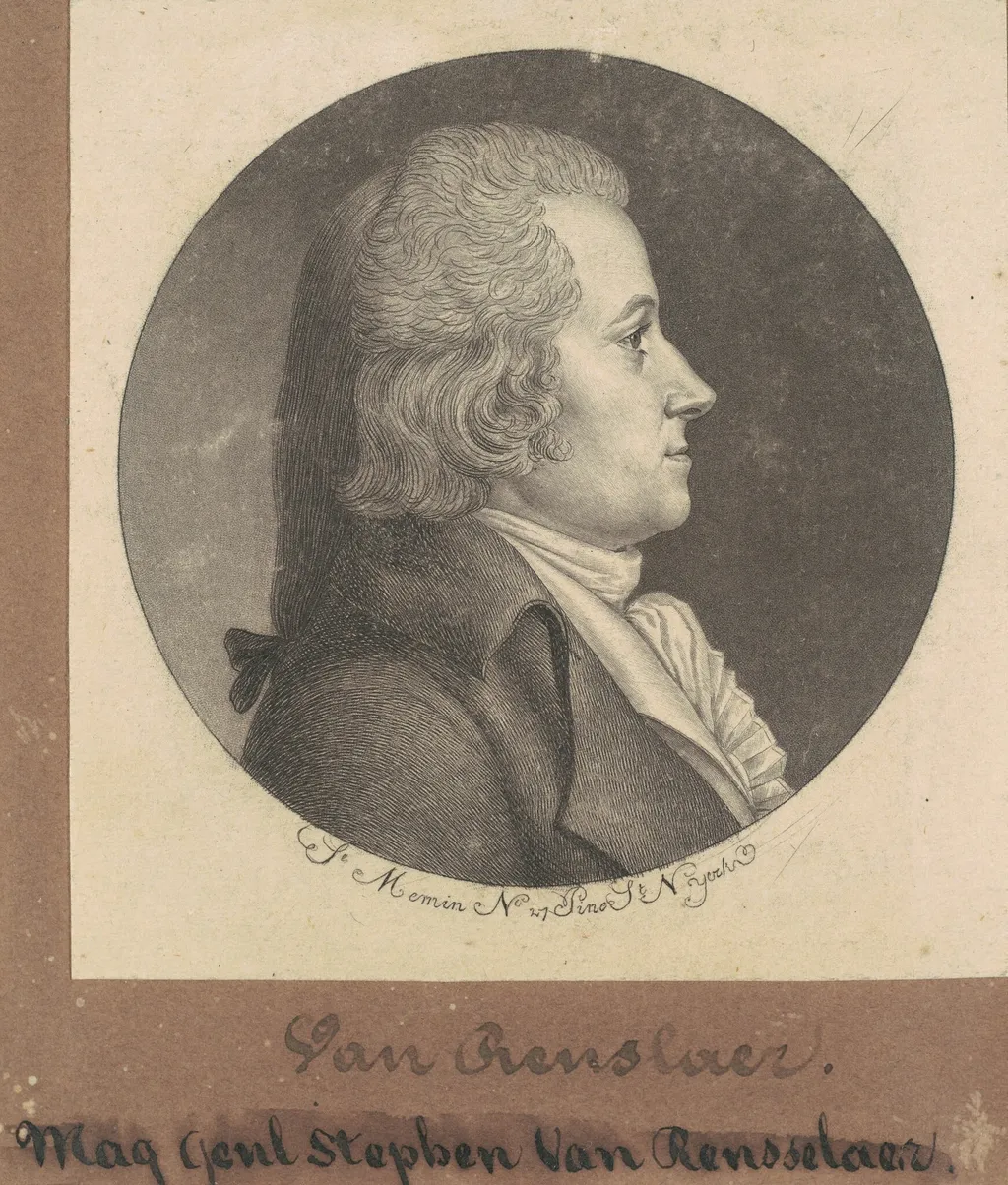
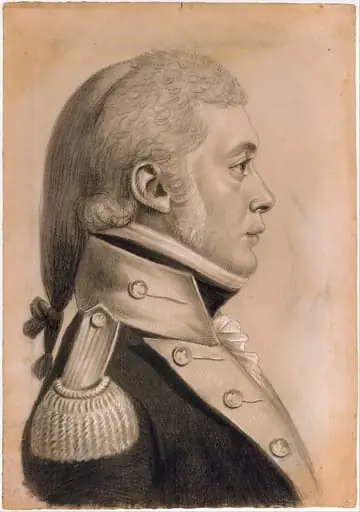
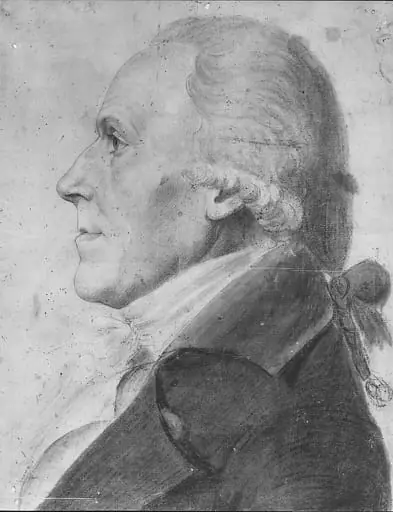
Stephen Van Rensselaer is an ink print by the Romanticist artist Charles Balthazar Julien Févret de Saint-Mémin. It dates from 1797 and is held in the collection of the National Gallery of Art.
About this work
This portrait shows Stephen Van Rensselaer in a profile bust.
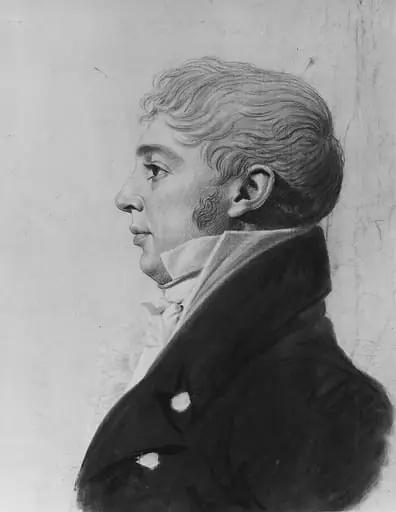
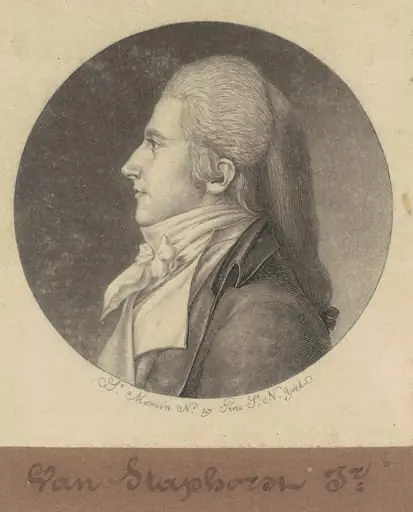
The artist used a lot of detail to create a realistic image. He also made a similar portrait of Van Rensselaer in 1805, which is interesting because it's a different version.
You can learn more about the artist's style by looking at the work of Saint-Mémin, Charles B. J. Févret de.
Overview
Created in 1805, this portrait of Stephen Van Rensselaer is a mezzotint and engraving on wove paper, mounted to a brown wove support.
Created in 1805, this portrait of Stephen Van Rensselaer is a mezzotint and engraving on wove paper, mounted to a brown wove support. The work was produced by Charles B. J. Févret de Saint-Mémin, known for his precision in portraiture. It belongs to the National Gallery of Art’s collection and exemplifies the artist’s practice of capturing prominent American figures in profile during the early 19th century.
Subject & Meaning
Stephen Van Rensselaer, a New York landowner and political figure, is depicted in a formal profile bust, a convention signaling dignity and civic presence. The portrait reflects his status without overt symbolism, emphasizing restraint and composure. Saint-Mémin’s choice of profile aligns with Enlightenment ideals of rationality and individual character, common in portraiture of the era.
Technique & Style
Saint-Mémin employed mezzotint for tonal richness and engraving for fine linear detail, combining techniques to render texture and form with precision. The surface shows subtle gradations of gray, enhancing the realism of skin, hair, and fabric. His method favored clarity over drama, resulting in a restrained yet lifelike representation that prioritized accuracy over embellishment.
History & Provenance
The portrait was made in 1805 during Saint-Mémin’s time in the United States, when he produced numerous likenesses of public figures. This version is one of two known portraits of Van Rensselaer from that year, suggesting the artist revisited the subject for variation or commission. It entered the National Gallery of Art’s collection through established institutional acquisitions, preserving its historical record.
Context
Saint-Mémin’s work emerged during a period when American elites sought visual documentation of their social standing. Mezzotint, though labor-intensive, was favored for its ability to reproduce fine detail in multiple impressions. His portraits served both personal commemoration and public identity, reflecting the cultural shift toward individual recognition in the young republic.
Legacy
Saint-Mémin’s portraits, including this one, remain significant as early examples of American print portraiture. His technical discipline influenced later engravers and contributed to the documentation of political and social figures in the early 1800s. The survival of multiple versions of Van Rensselaer’s likeness underscores the demand for standardized, reproducible images among the American gentry.
Artist & collection

Artist
Charles Balthazar Julien Févret de Saint-Mémin
Charles Balthazar Julien Févret de Saint-Mémin (French pronunciation: ; 1770–1852) was a French portrait painter and museum director.