Artwork
Turner
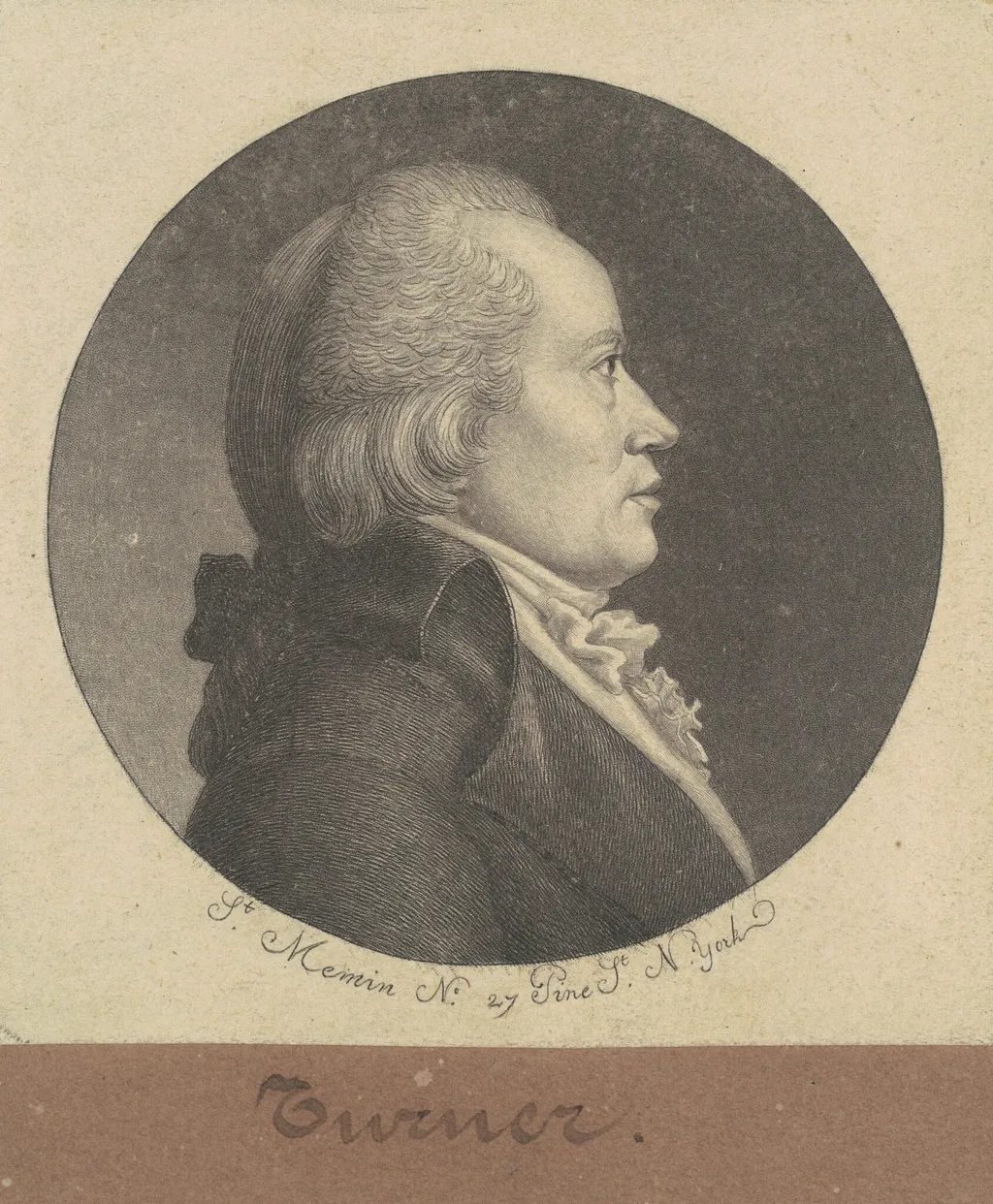
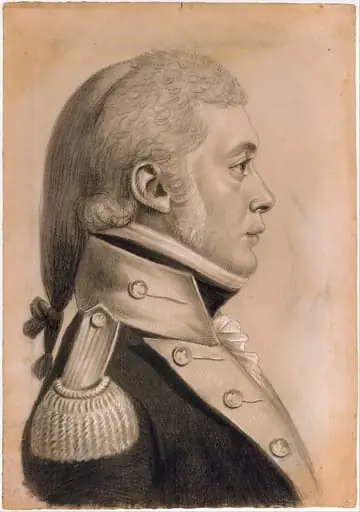
Turner is an ink print by the Romanticist artist Charles Balthazar Julien Févret de Saint-Mémin. It dates from 1797 and is held in the collection of the National Gallery of Art.
About this work
The artist used a printmaking trick called mezzotint to make the darks melt into lights without harsh lines.
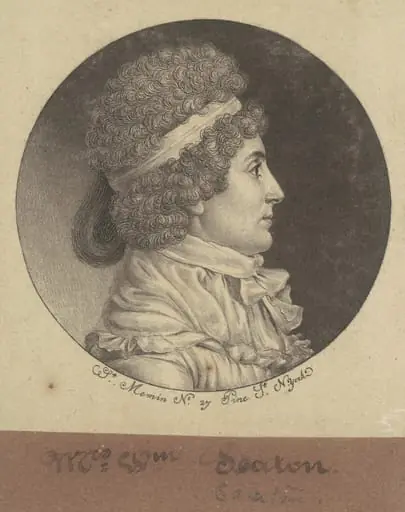
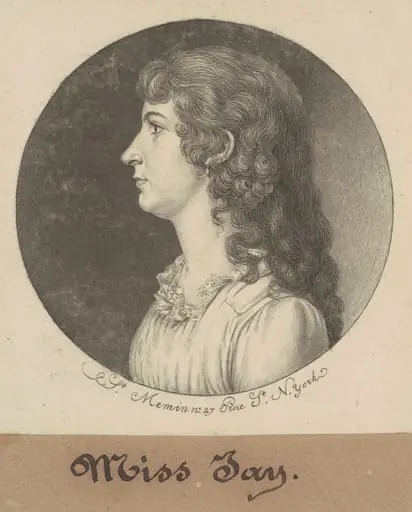
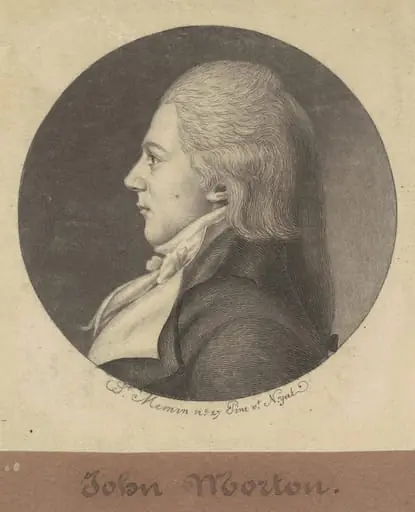
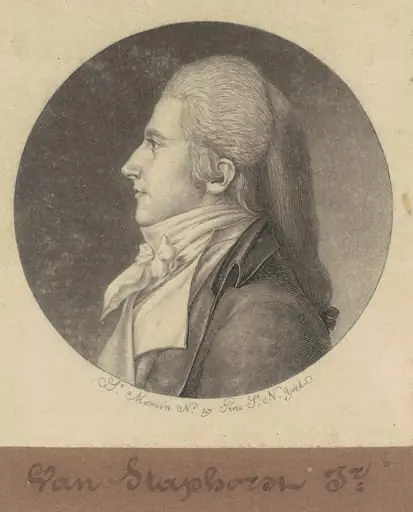
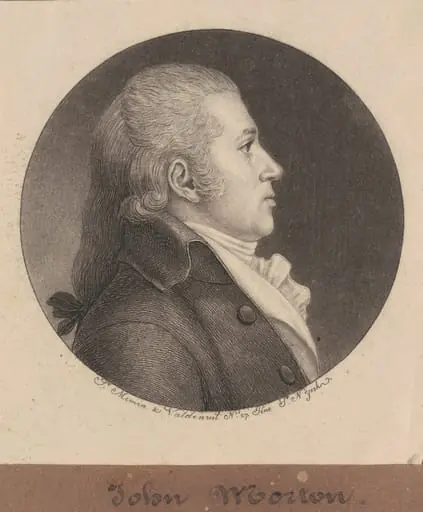
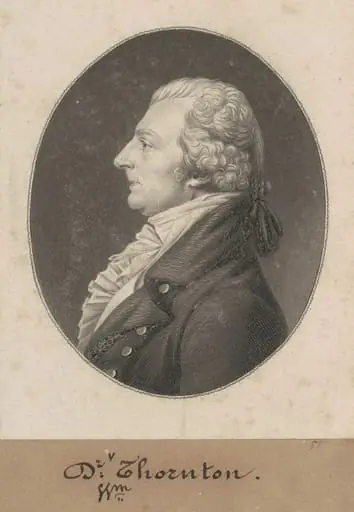
You see a man’s face in profile, all soft shadows and gentle curves. Light hits his cheek and forehead in a way that feels real, not stiff. The artist used a printmaking trick called mezzotint to make the darks melt into lights without harsh lines.
Saint-Mémin made this in 1797. He etched the plate, then scraped it smooth for those velvety tones. It’s not flashy—just a quiet face that looks like it could breathe.
Next time you’re in Washington, check the National Gallery of Art, Washington.
Overview
This 1797 portrait print, titled Turner, is a profile depiction of a man characterized by soft, nuanced rendering of shadows and gentle facial contours, achieving a sense of naturalism.
Subject & Meaning
The subject, Turner, is presented in a subdued, non-ostentatious manner, focusing on the quiet, lifelike portrayal of the individual rather than conveying dramatic or symbolic content.
Technique & Style
The print combines mezzotint and engraving techniques. Mezzotint is notably used to create smooth transitions from dark to light, avoiding harsh lines and producing velvety tones, as seen in the subtle play of light on the subject's cheek and forehead.
History & Provenance
Created by Charles B. J. Févret de Saint-Mémin in 1797, the work is part of the Saint-Mémin Collection of Portraits and is currently housed at the National Gallery of Art in Washington.
Artist & collection

Artist
Charles Balthazar Julien Févret de Saint-Mémin
Charles Balthazar Julien Févret de Saint-Mémin (French pronunciation: ; 1770–1852) was a French portrait painter and museum director.