Artwork
François Désiré Masson
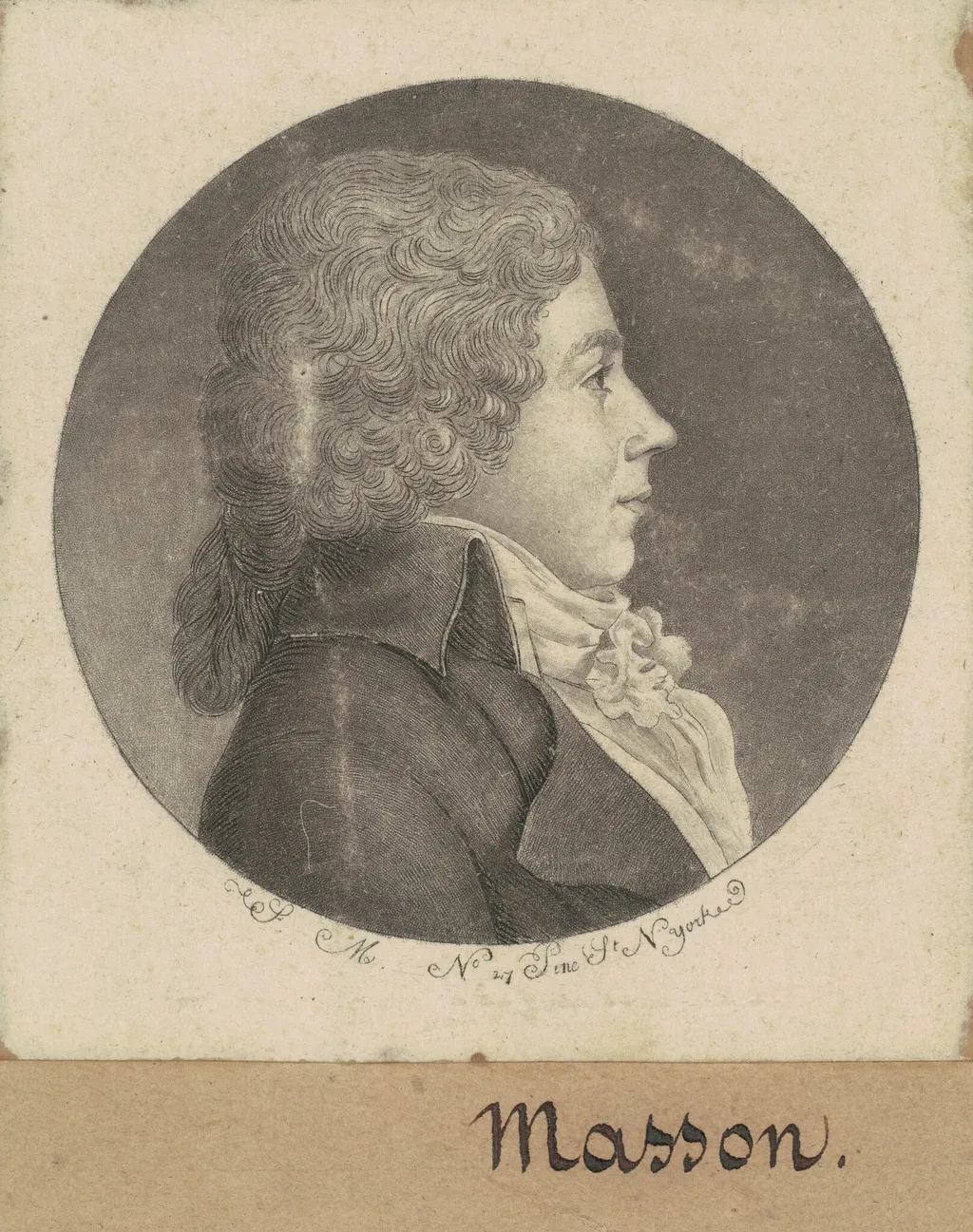
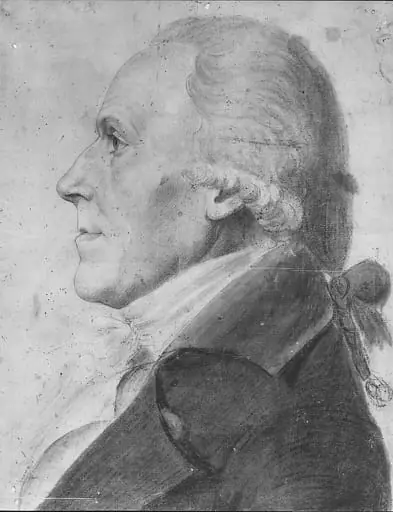
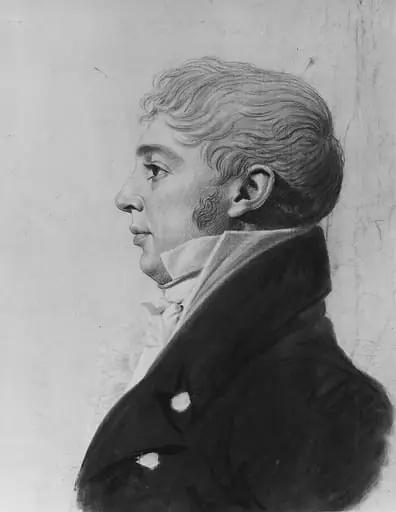
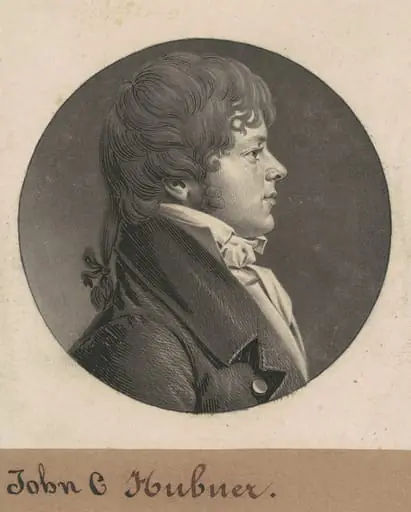
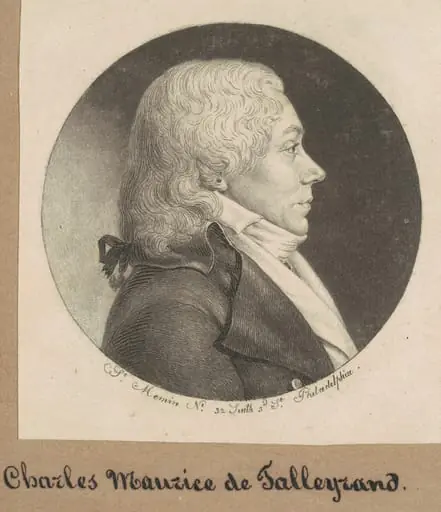
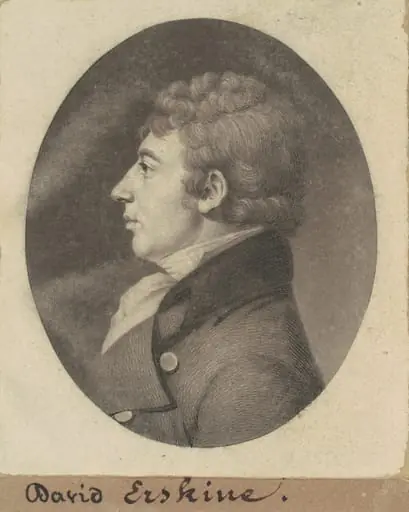
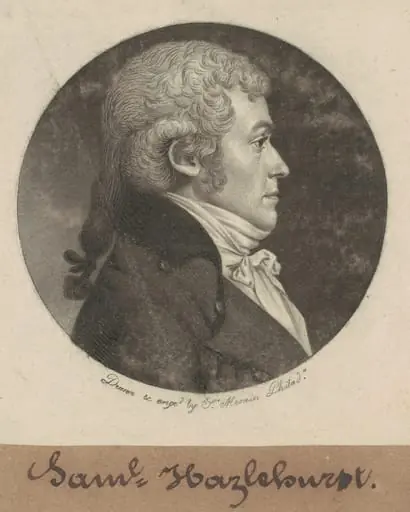
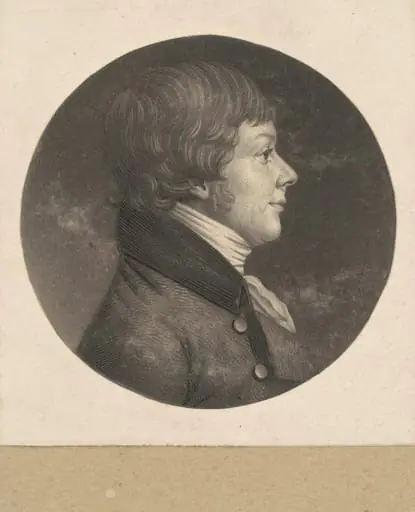
François Désiré Masson is an ink print by the Romanticist artist Charles Balthazar Julien Févret de Saint-Mémin. It dates from 1798 and is held in the collection of the National Gallery of Art.
About this work
Overview
Févret de Saint-Mémin, was known for his precision in capturing likenesses through intricate line work on metal plates.
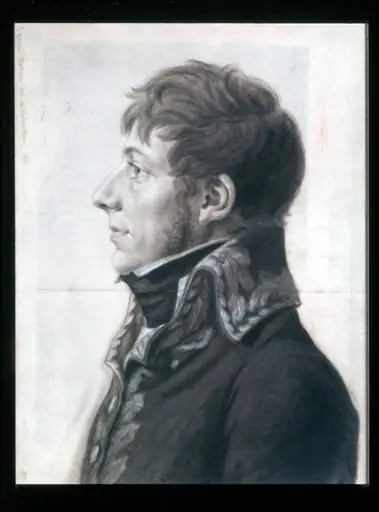
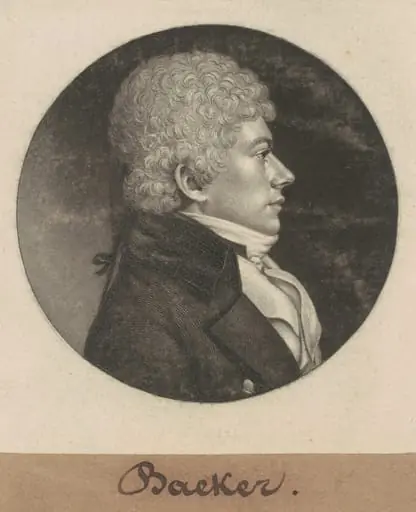
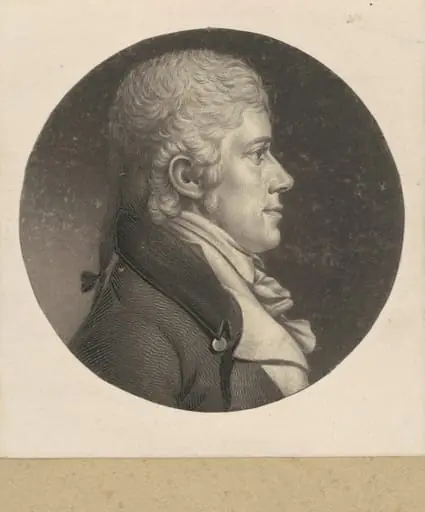
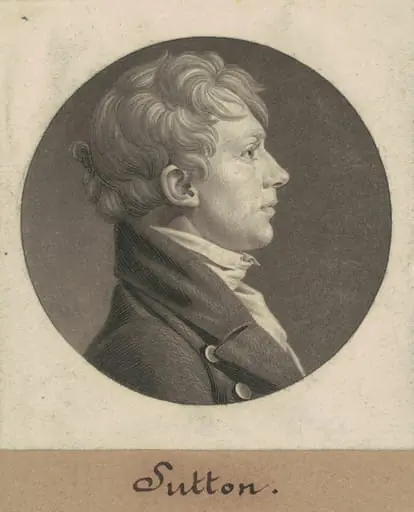
This small portrait, created between 1797 and 1798, depicts François Désiré Masson in profile. Executed in mezzotint and engraving on wove paper, it is mounted on a brown wove support. The work measures approximately 5.56 cm square, reflecting the intimate scale typical of portrait miniatures from this period. The artist, Charles B. J. Févret de Saint-Mémin, was known for his precision in capturing likenesses through intricate line work on metal plates.
Subject & Meaning
François Désiré Masson, a French émigré and art collector, is portrayed with restrained composure, his gaze directed outward. His attire—high collar, cravat, and formal coat—suggests bourgeois refinement and adherence to pre-revolutionary European dress codes. The portrait conveys dignity and quiet individuality rather than grandeur, aligning with the modest aesthetic of private portraiture among exiled elites in early American society.
Technique & Style
Saint-Mémin employed mezzotint and engraving to render subtle tonal gradations and fine linear detail. The mezzotint process, involving textured plate scratching, allowed for rich blacks and soft transitions, while engraving defined sharp contours. The result is a highly detailed, monochromatic image with a tactile quality, characteristic of his method of translating likenesses from life onto copper plates for printing.
History & Provenance
Created during Saint-Mémin’s time in New York, where he worked as a portraitist for French and American patrons, the print was likely made for private circulation. It reflects the artist’s practice of producing small-scale portraits for collectors seeking personal mementos. The work’s survival in good condition suggests careful preservation, possibly within Masson’s own circle or among early American art enthusiasts.
Context
In the late 1790s, French émigrés like Masson settled in the United States following the Revolution, bringing with them cultural tastes that influenced American art. Saint-Mémin, himself a refugee, catered to this community by offering precise, affordable portrait prints. His technique bridged European engraving traditions with American demand for accessible, intimate likenesses during a period of cultural transition.
Legacy
Saint-Mémin’s mezzotint portraits, including this one, represent a significant chapter in early American printmaking. Though small in scale, they demonstrate technical mastery and contributed to the dissemination of portraiture beyond oil painting. The work remains a documented example of how immigrant artists shaped visual culture in the young republic through craftsmanship and adaptation.
Artist & collection

Artist
Charles Balthazar Julien Févret de Saint-Mémin
Charles Balthazar Julien Févret de Saint-Mémin (French pronunciation: ; 1770–1852) was a French portrait painter and museum director.