Artwork
Agra. The Taj, the Central of Principal City
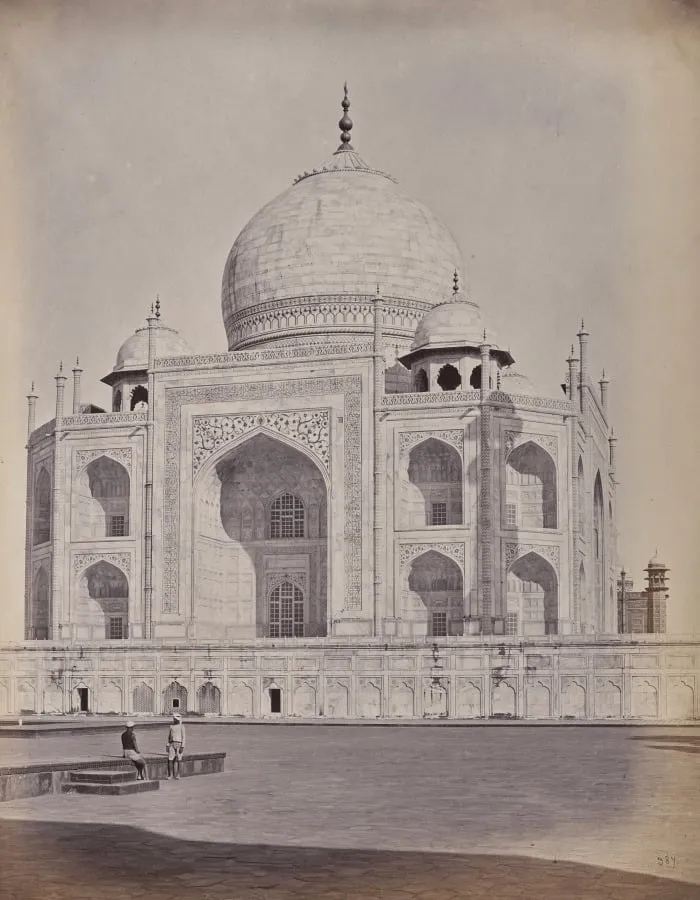
Agra. The Taj, the Central of Principal City is a photography by the Impressionist artist Samuel Bourne. It dates from 1866 and is held in the collection of the Cleveland Museum of Art. This mid‑nineteenth‑century photograph captures the Taj Mahal from a distance, its white marble dome illuminated by a hazy sky.
About this work
The details—like the worn stone and the way light hits the dome—feel almost like a time machine.
You see the Taj Mahal from a distance, its white marble dome glowing under a hazy sky. A few people stand near the base, tiny against the massive building.
This photo was taken in the 1860s, before modern restorations. It’s one of the earliest clear images of the Taj, showing how it looked over 150 years ago. The details—like the worn stone and the way light hits the dome—feel almost like a time machine.
If you like this, look up more photos by Samuel Bourne (British, 1834–1912).
Overview
This mid‑nineteenth‑century photograph captures the Taj Mahal from a distance, its white marble dome illuminated by a hazy sky. Small figures near the base emphasize the monument’s monumental scale, while the surrounding atmosphere hints at the site’s condition before later conservation work.
Subject & Meaning
The image documents the Taj Mahal as a living landmark, illustrating how its surface and surrounding environment appeared in the 1860s. The subtle wear on the stone and the interplay of light on the dome provide a visual record of the monument’s original texture and ambience, offering insight into its historic presence.
Technique & Style
Taken with a large‑format wet‑collodion camera, the photograph exhibits the sharp detail and tonal range characteristic of early photographic surveys. The composition frames the structure against a softened sky, balancing architectural precision with a sense of atmospheric depth that was typical of documentary photography of the period.
History & Provenance
The picture belongs to a series of fifty photographs produced in the 1860s that trace a route from Himalayan hill towns to major urban centers such as Lahore, Delhi, Lucknow, Agra, Benares, and Calcutta. These images serve as valuable visual archives of key Mughal monuments before the extensive restorations undertaken in the twentieth century.
Artist & collection

Artist
Samuel Bourne was a British photographer known for his prolific seven years' work in India, from 1863 to 1870.

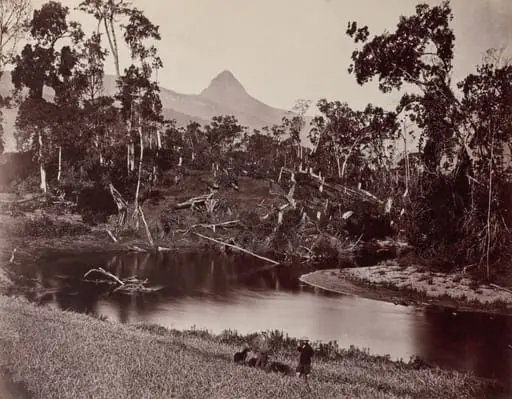 Ceylon Views to Adam's Tooth
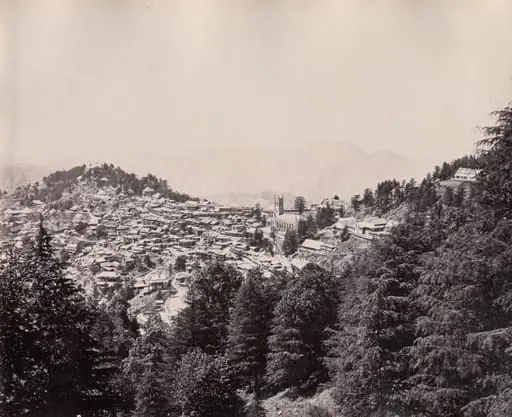 Shimla
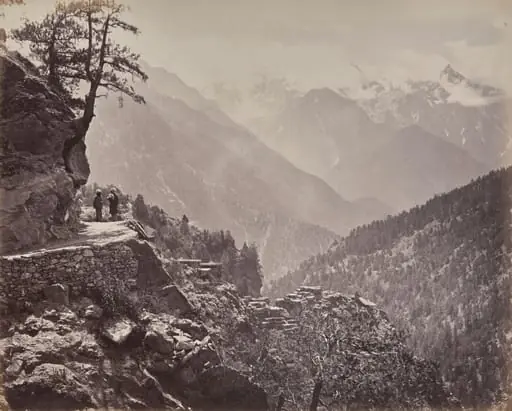 The Upper Himmalayahs. View on the New Road between India and China. Mt. Pangi with the Snowy Peaks of China in the Distance
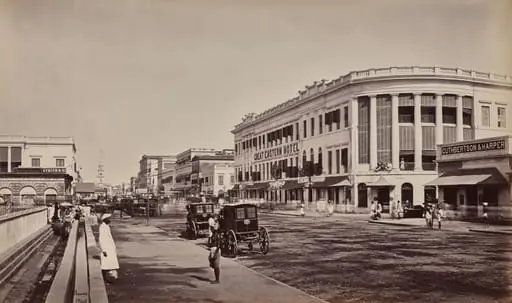 Calcutta. Old Court House Street
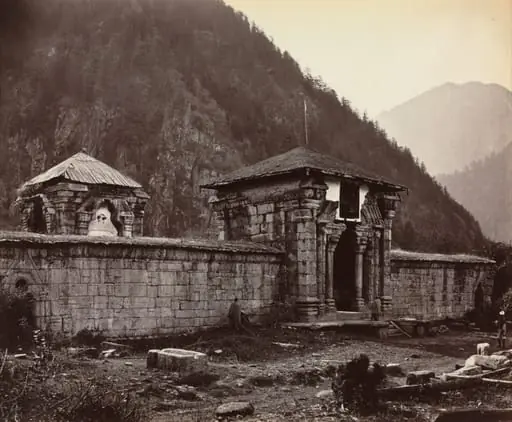 Temple at Naveshera, Kashmir, India
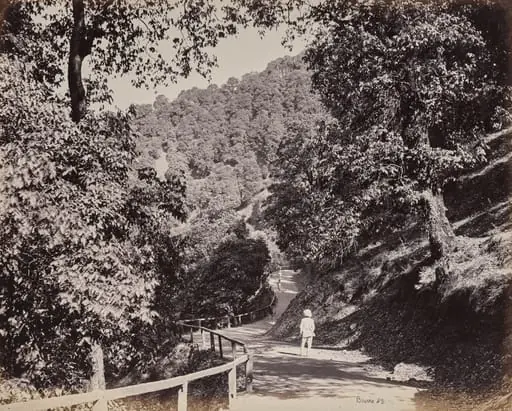 Shimla. The Mall near Rabq Lodge
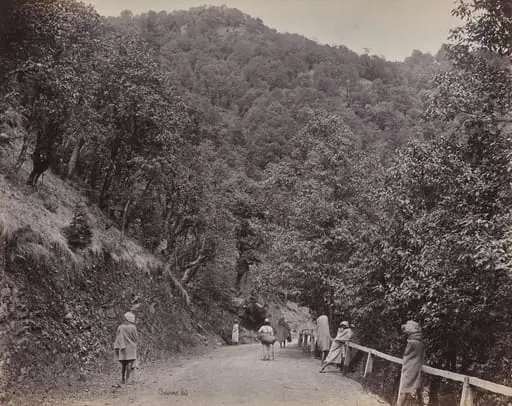 Shimla. The Mall or Principal
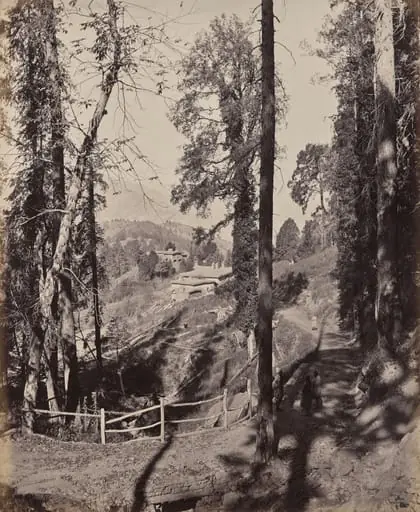 Murree. A Hill Station in the Himmalayahs, View Through the Forest
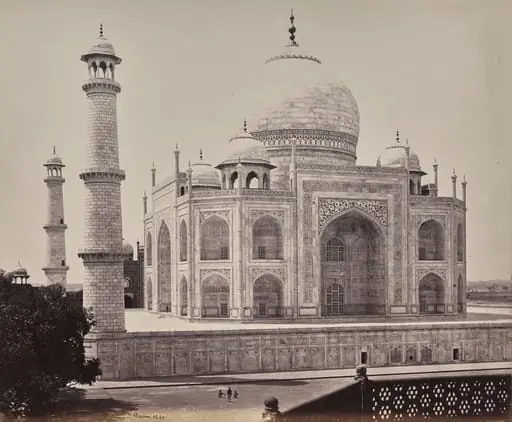 Agra. View of the Taj from a Corner in the Quadrangle
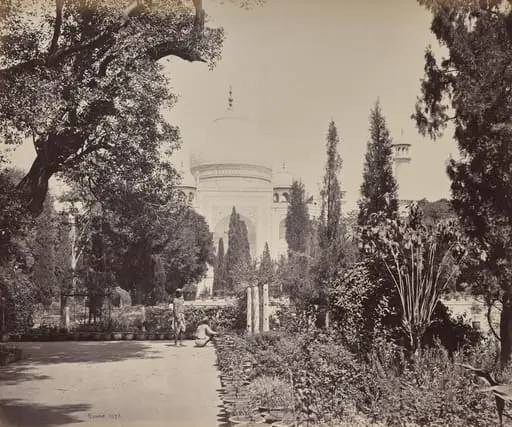 Agra. View of the Taj from the Garden
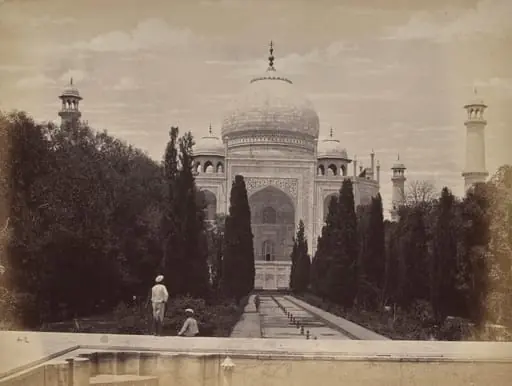 Agra. View of the Taj in Front of Nootkan (The Light of the World), Wife of the Emperor Akbar, View from the River
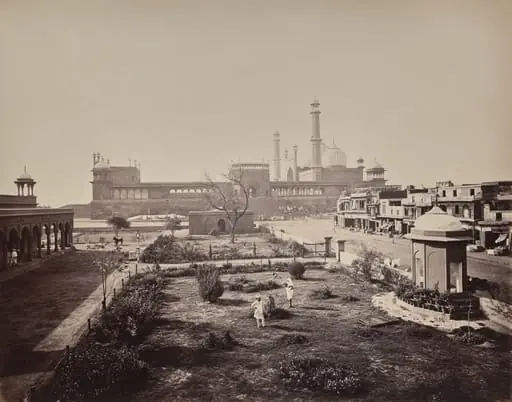 Delhi. View of North Side of the Jamma Musjid in Principal Mabonedau Place of Worship
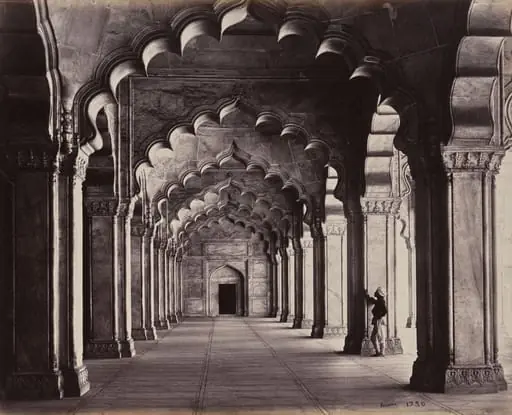 Agra. The Motee Hasjid in Pearl Mosque. View of the Entire Aisle
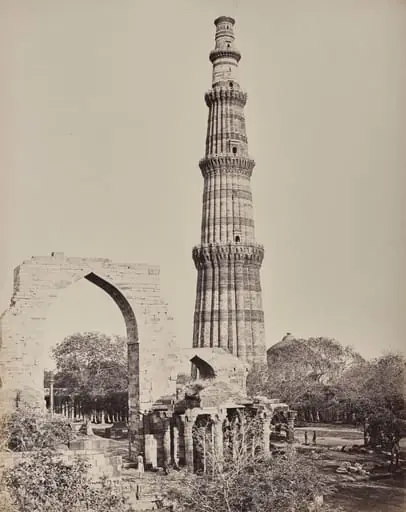 Delhi. The Kootub Minar or Tower in the Ruined City of Old Delhi