Artwork
Agra. View of the Taj in Front of Nootkan (The Light of the World), Wife of the Emperor Akbar, View from the River
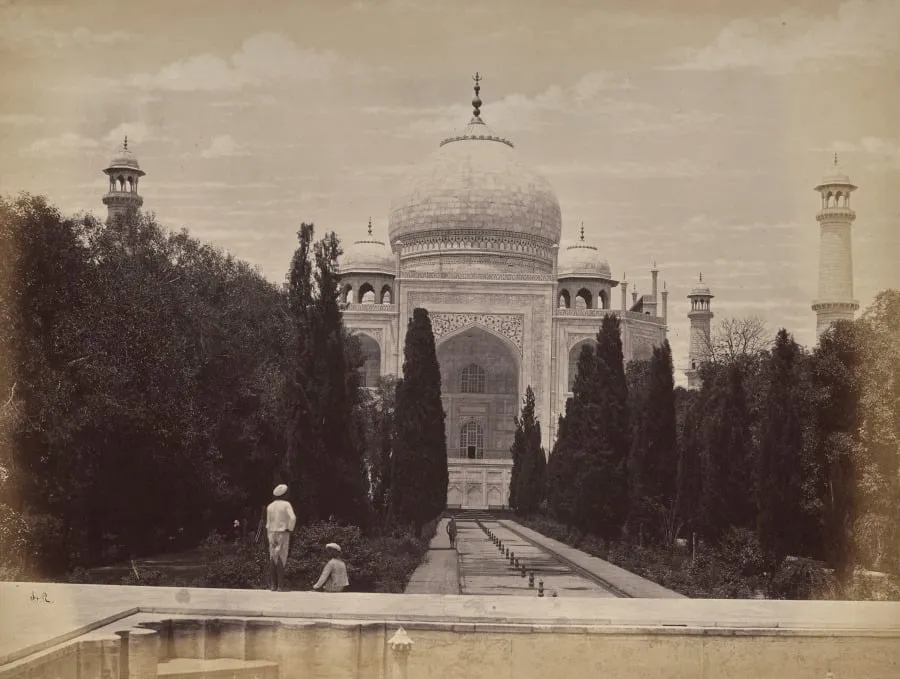
Agra. View of the Taj in Front of Nootkan (The Light of the World), Wife of the Emperor Akbar, View from the River is a photography by the Impressionist artist Samuel Bourne. It dates from 1866 and is held in the collection of the Cleveland Museum of Art. This photograph, titled 'Agra.
About this work
Overview
This photograph, titled 'Agra. View of the Taj in Front of Nootkan (The Light of the World), Wife of the Emperor Akbar, View from the River', is one of 50 images in an album capturing Indian landscapes and monuments in the 1860s. It presents a serene view of the Taj Mahal from the river, with a small boat in the foreground and a figure identified as Nootkan, wife of Emperor Akbar, standing on the bank in a red sari.
Subject & Meaning
The subject is a pre-restoration Taj Mahal, emphasizing its original state. Nootkan's inclusion may symbolize imperial legacy or serve as a contextual figure, though her specific significance in the image remains interpretative. The overall scene conveys a sense of tranquility and historical documentation.
Technique & Style
The work is based on an early photograph by Samuel Bourne, a pioneering photographer of Indian landmarks. Notably, the final piece blends photography with painting techniques, reflecting a hybrid artistic approach characteristic of the era's experimental intersection of mediums.
History & Provenance
Taken in the 1860s, this photograph is part of a collection documenting major Indian sites before twentieth-century restorations. It is attributed to Samuel Bourne, one of the first photographers to systematically record India's architectural heritage.
Context
Part of a broader album tracing a geographical path from the Himalayas to key Indian cities, this image contributes to a historical record of Mughal and other architectural sites in their un-restored state, providing valuable insights for preservation and historical studies.
Legacy
As an early example of photographic documentation blended with artistic interpretation, it influences the intersection of photography and art in capturing cultural heritage. Its historical accuracy also makes it a significant resource for understanding the original condition of the Taj Mahal and similar monuments.
Artist & collection

Artist
Samuel Bourne was a British photographer known for his prolific seven years' work in India, from 1863 to 1870.

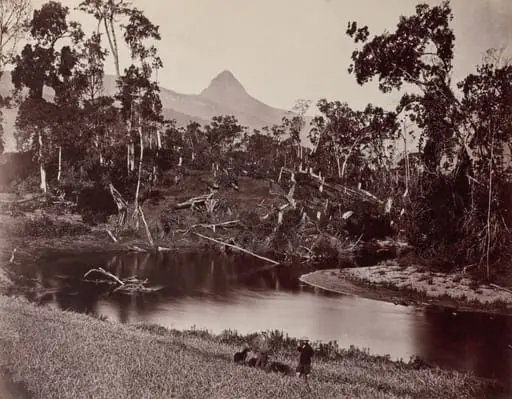 Ceylon Views to Adam's Tooth
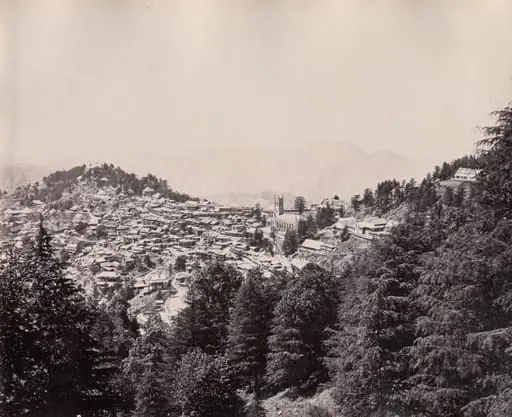 Shimla
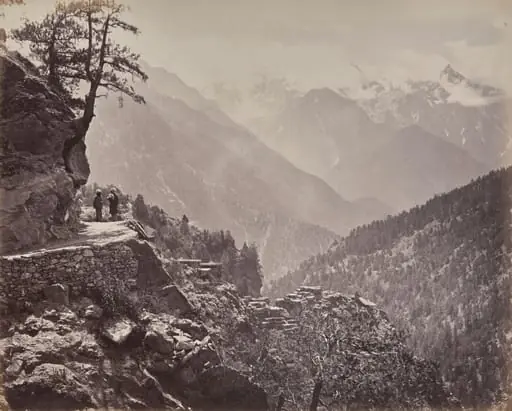 The Upper Himmalayahs. View on the New Road between India and China. Mt. Pangi with the Snowy Peaks of China in the Distance
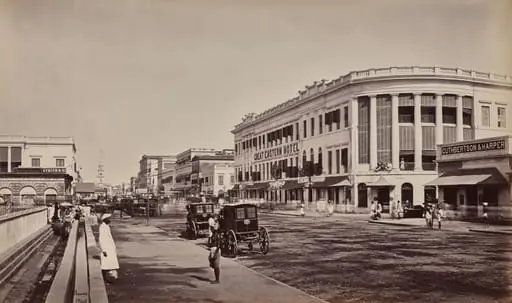 Calcutta. Old Court House Street
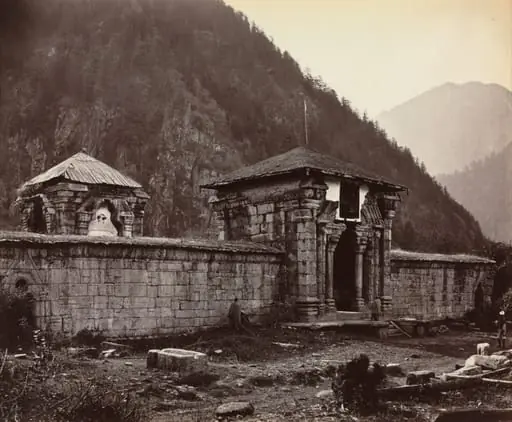 Temple at Naveshera, Kashmir, India
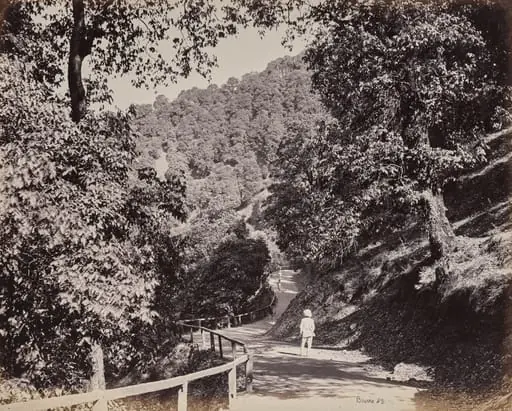 Shimla. The Mall near Rabq Lodge
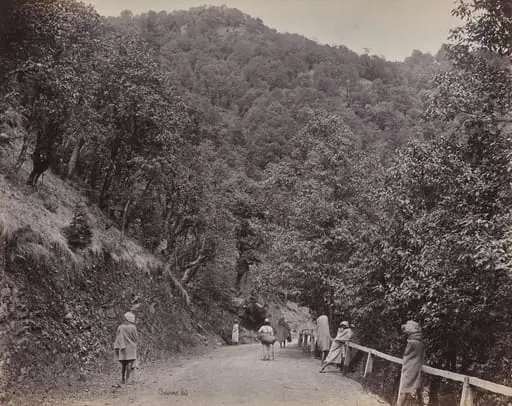 Shimla. The Mall or Principal
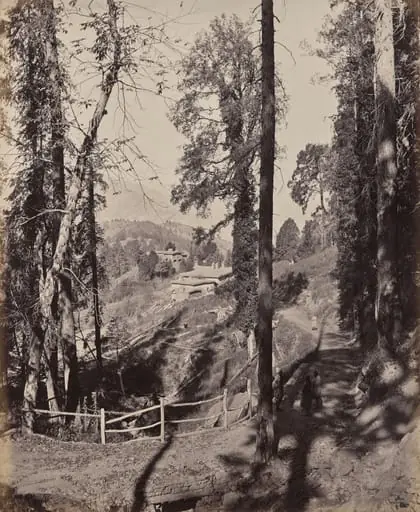 Murree. A Hill Station in the Himmalayahs, View Through the Forest
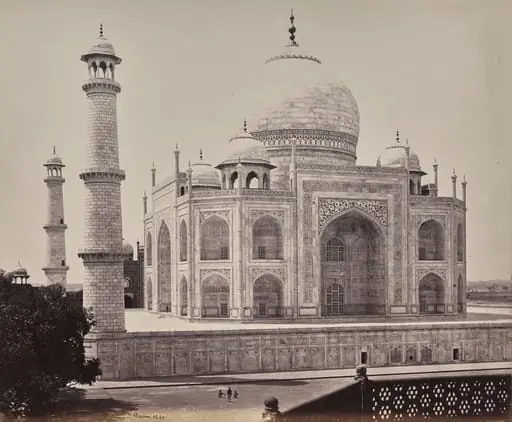 Agra. View of the Taj from a Corner in the Quadrangle
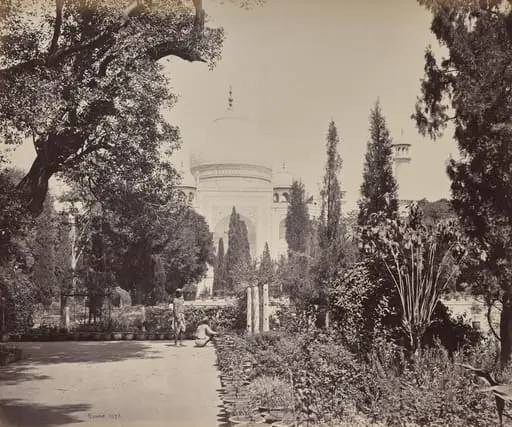 Agra. View of the Taj from the Garden
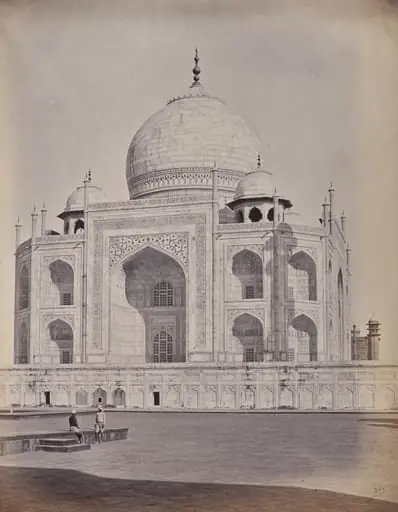 Agra. The Taj, the Central of Principal City
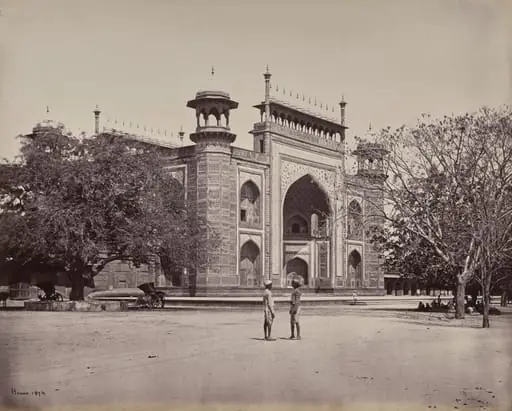 Agra. The Gateway of the Gardens Surrounding the Taj
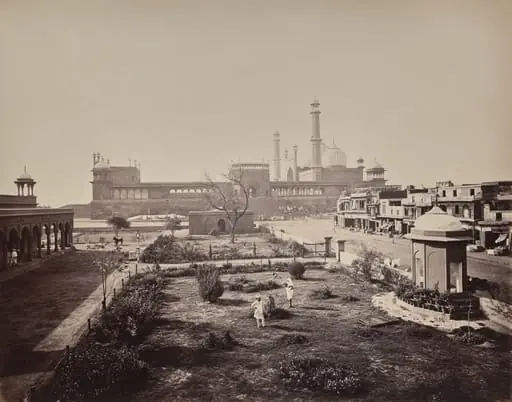 Delhi. View of North Side of the Jamma Musjid in Principal Mabonedau Place of Worship
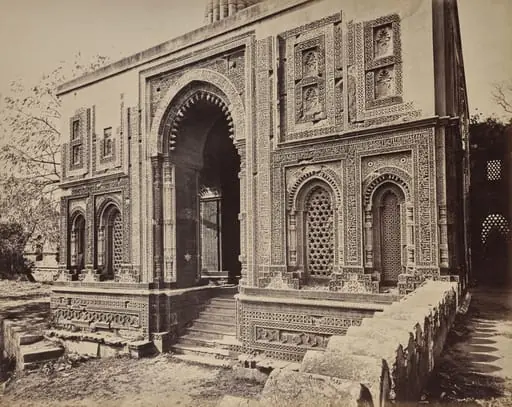 Delhi. Gateway of Allahood Deen's Palace, Old Delhi
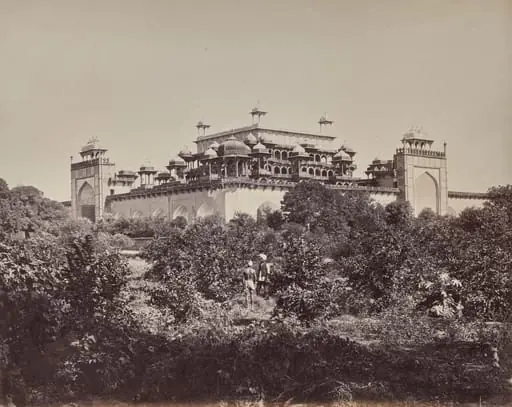 Secundra Near Agra. The Mausoleum of the Emperor Akbar
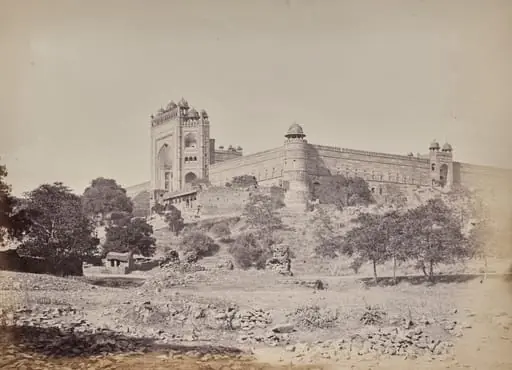 Fort of Futheypoor Sikre near Agra. The Residence of the Emperor Akbar
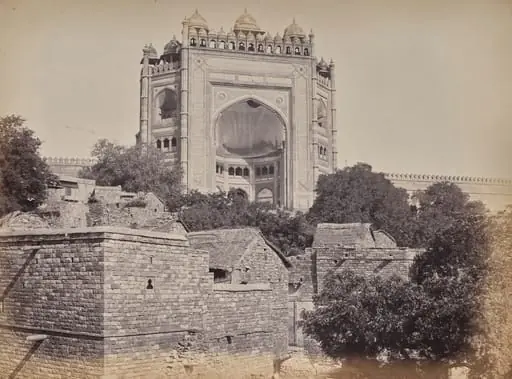 Futheypoor Sikre Guard Gate of the Fort
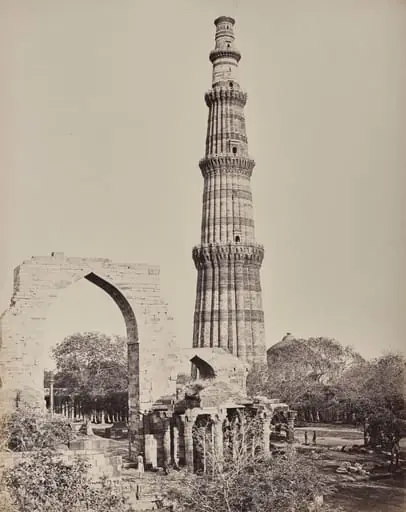 Delhi. The Kootub Minar or Tower in the Ruined City of Old Delhi
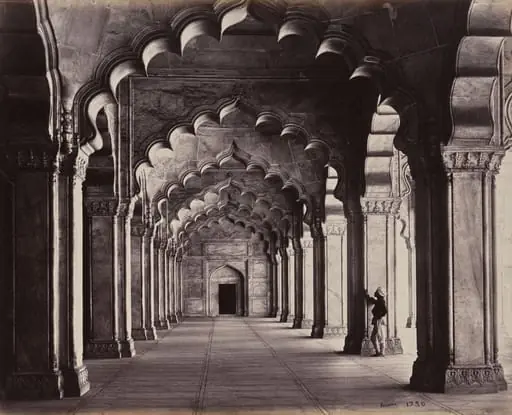 Agra. The Motee Hasjid in Pearl Mosque. View of the Entire Aisle
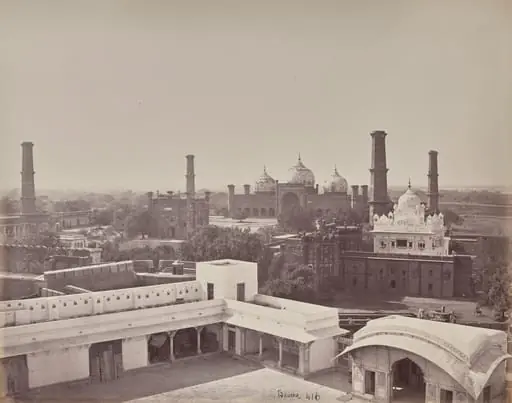 View of the City of Lahore Taken from the Roof of the Palace in the Fort