Artwork
Shimla. The Church Through the Trees, from Jakko
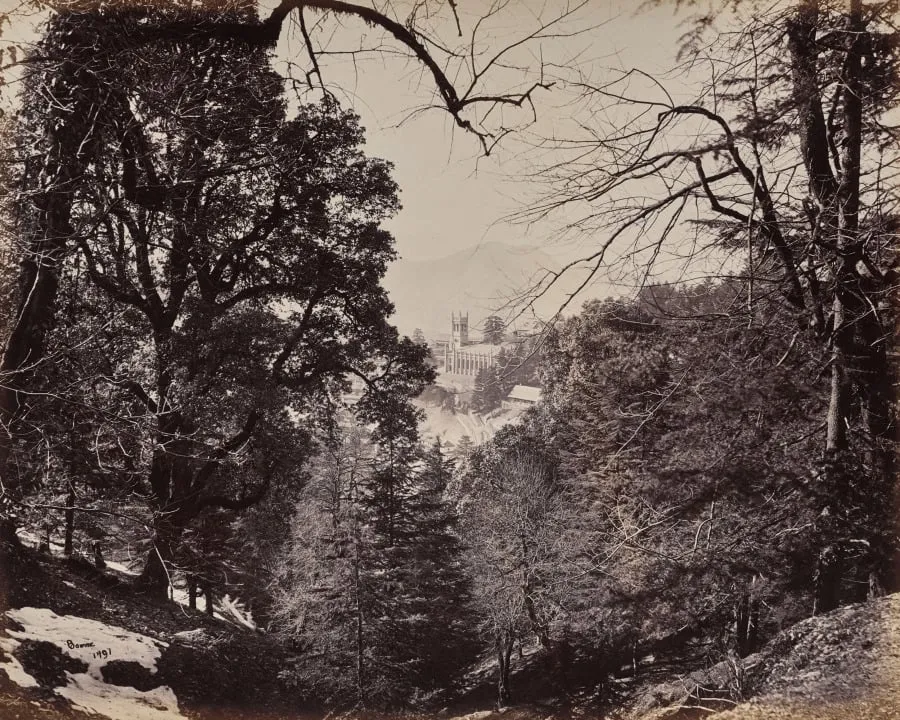
Shimla. The Church Through the Trees, from Jakko is a photography by the Impressionist artist Samuel Bourne. It dates from 1866 and is held in the collection of the Cleveland Museum of Art.
About this work
Overview
Captured near Shimla, then a British hill station, it documents the landscape and architecture of northern India during the height of colonial administration.
This photograph is one of fifty taken by Charles Shepherd and Samuel Bourne in the 1860s as part of their series *Views in India*. Captured near Shimla, then a British hill station, it documents the landscape and architecture of northern India during the height of colonial administration. The images were produced for commercial sale, catering to British audiences seeking visual mementos of their time in India.
Subject & Meaning
The image shows a modest stone church nestled among tall pines on a quiet hillside, its presence reflecting the British effort to recreate familiar religious and domestic spaces in colonial India. The composition emphasizes harmony between architecture and nature, suggesting a tranquil, ordered environment. This framing subtly reinforced the idea of British cultural continuity abroad, minimizing the foreignness of the landscape.
Technique & Style
Using large-format plate cameras and cumbersome equipment, Bourne and Shepherd carried their gear along rugged Himalayan trails to capture sharp, detailed images. The photograph employs natural light and careful framing to highlight texture and depth—sunlight filters through pine branches, casting dappled shadows on the church and path. The result is a quiet, atmospheric record, prioritizing clarity and compositional balance over dramatic effect.
History & Provenance
The photograph was produced by the firm Bourne & Shepherd, based in Calcutta and active from the 1860s into the 20th century. Their albums were widely distributed among British travelers and officials. This particular image, part of a larger collection, entered The Cleveland Museum of Art’s holdings as part of a group of photographs documenting colonial India, preserved for their historical and visual significance.
Context
Shimla served as the summer capital of British India, and its development included churches, bungalows, and roads modeled on British provincial towns. Photographs like this one were part of a broader visual project to normalize colonial presence by portraying India as an extension of British life. They contrasted with images of urban centers or monuments, offering instead a serene, pastoral vision of empire.
Legacy
The photograph remains a key example of 19th-century colonial photography, illustrating how visual media shaped perceptions of India abroad. While valued today for their technical precision and historical record, these images also reflect the ideological frameworks of their time—presenting colonial spaces as orderly, familiar, and culturally neutral, despite their political context.
Artist & collection

Artist
Samuel Bourne was a British photographer known for his prolific seven years' work in India, from 1863 to 1870.

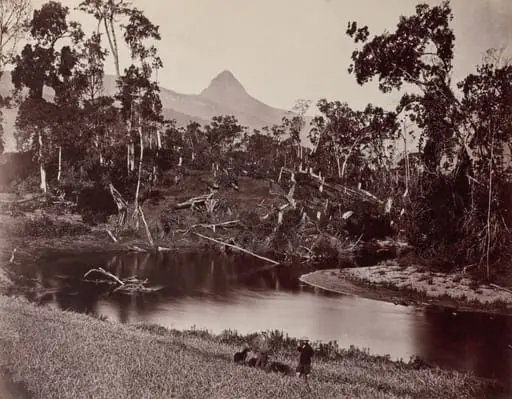 Ceylon Views to Adam's Tooth
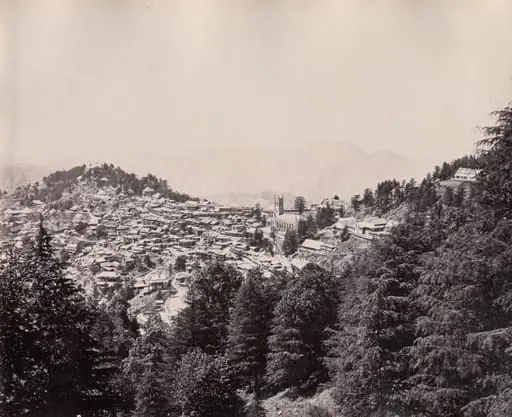 Shimla
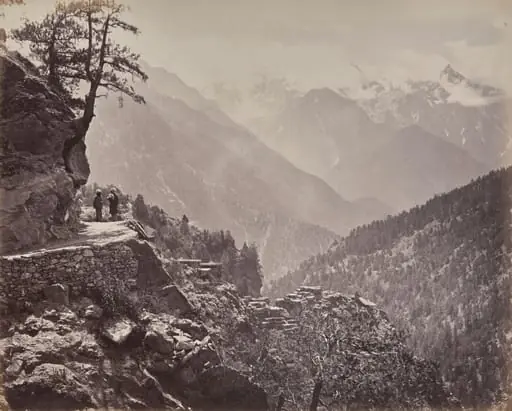 The Upper Himmalayahs. View on the New Road between India and China. Mt. Pangi with the Snowy Peaks of China in the Distance
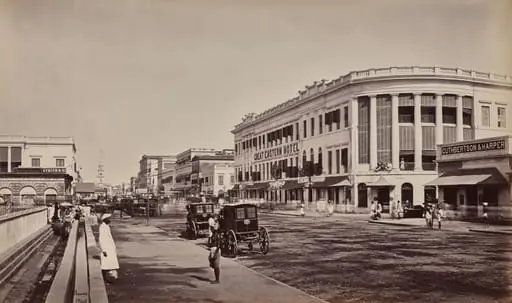 Calcutta. Old Court House Street
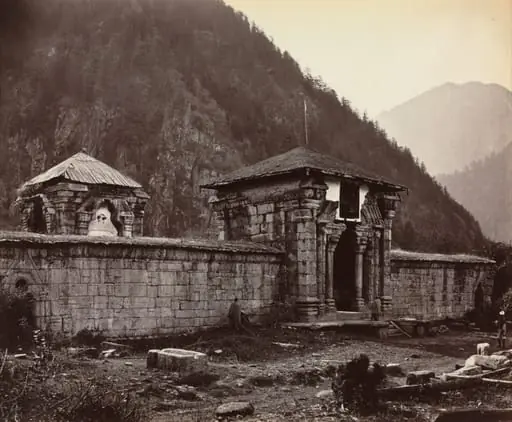 Temple at Naveshera, Kashmir, India
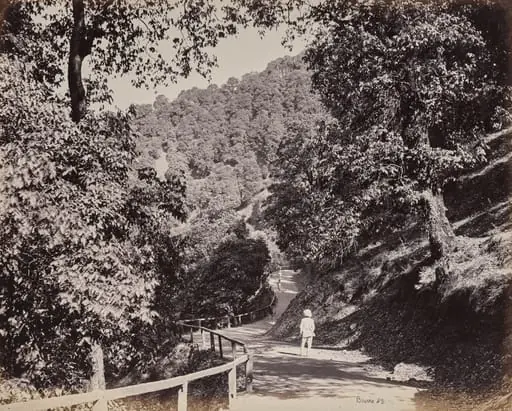 Shimla. The Mall near Rabq Lodge
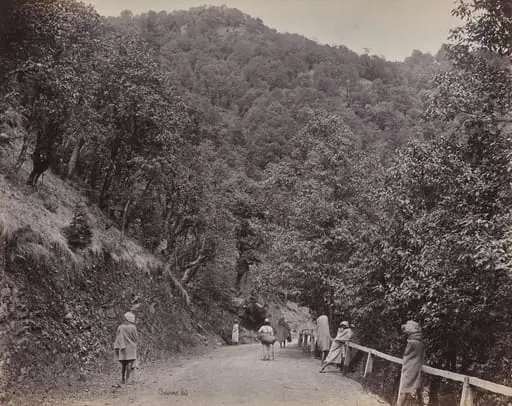 Shimla. The Mall or Principal
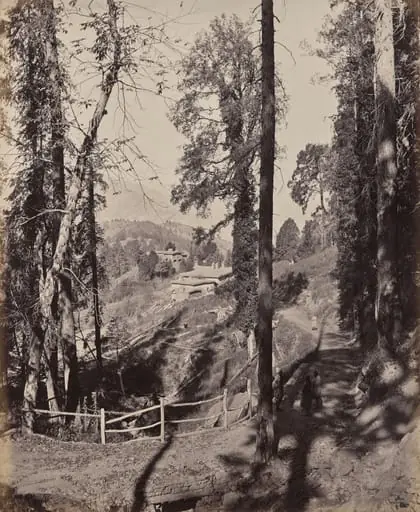 Murree. A Hill Station in the Himmalayahs, View Through the Forest
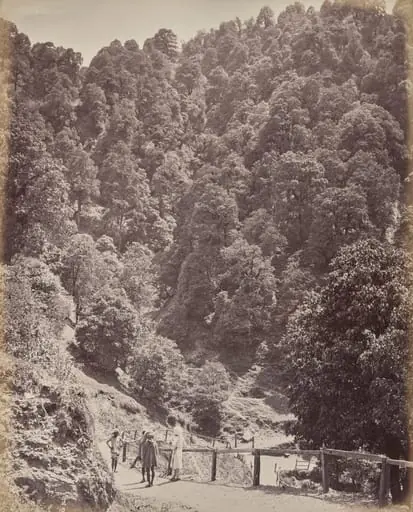 Shimla. View North of Mount Jakko
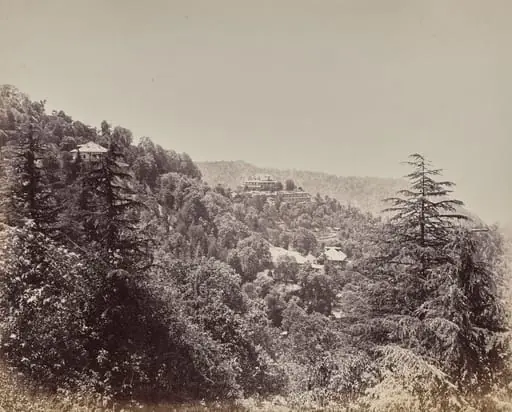 Shimla. The Yarrows and Neighboring Hills
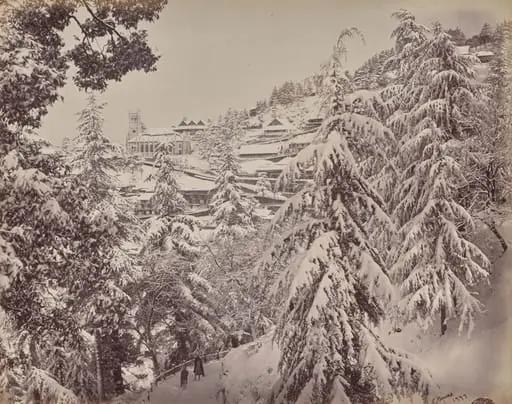 Shimla. View of the Church from Mount Jakko Looking West with Part of the Mall in Winter
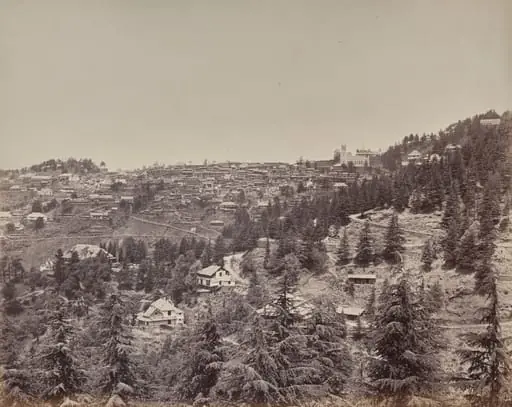 Shimla. View from Oakover House
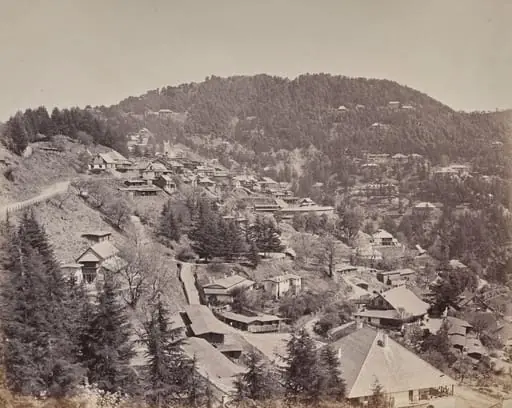 Shimla. Houses of European Residents, Looking East
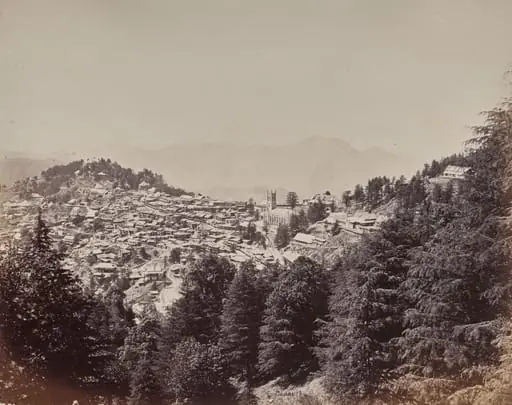 Shimla. From Mount Jakko, Looking West
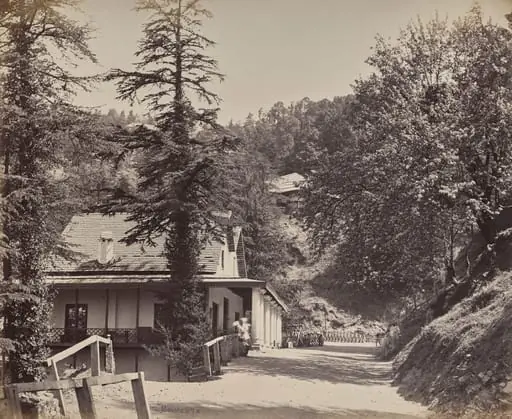 Simla. The Mall near Combermere Bridge
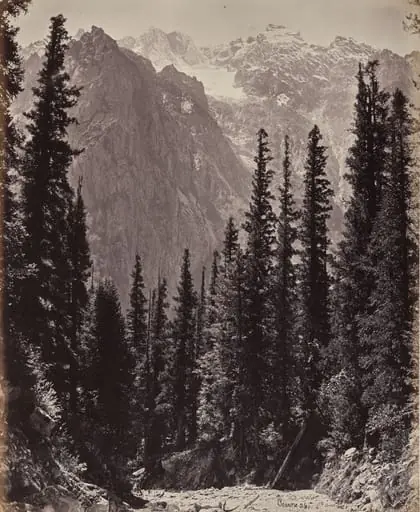 The Upper Himmalayahs. View in the Manga Valley
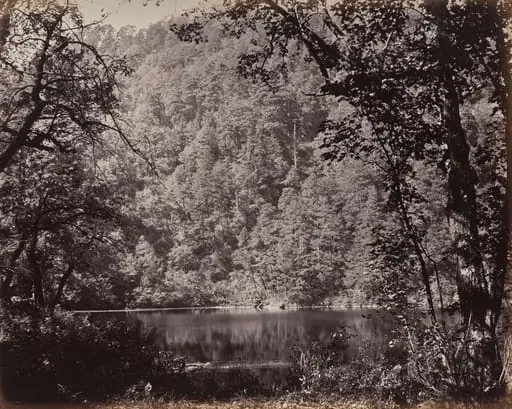 The Upper Himmalayahs. The Dodee Tal in Lake