Artwork
Mary Sidney, Countess of Pembroke
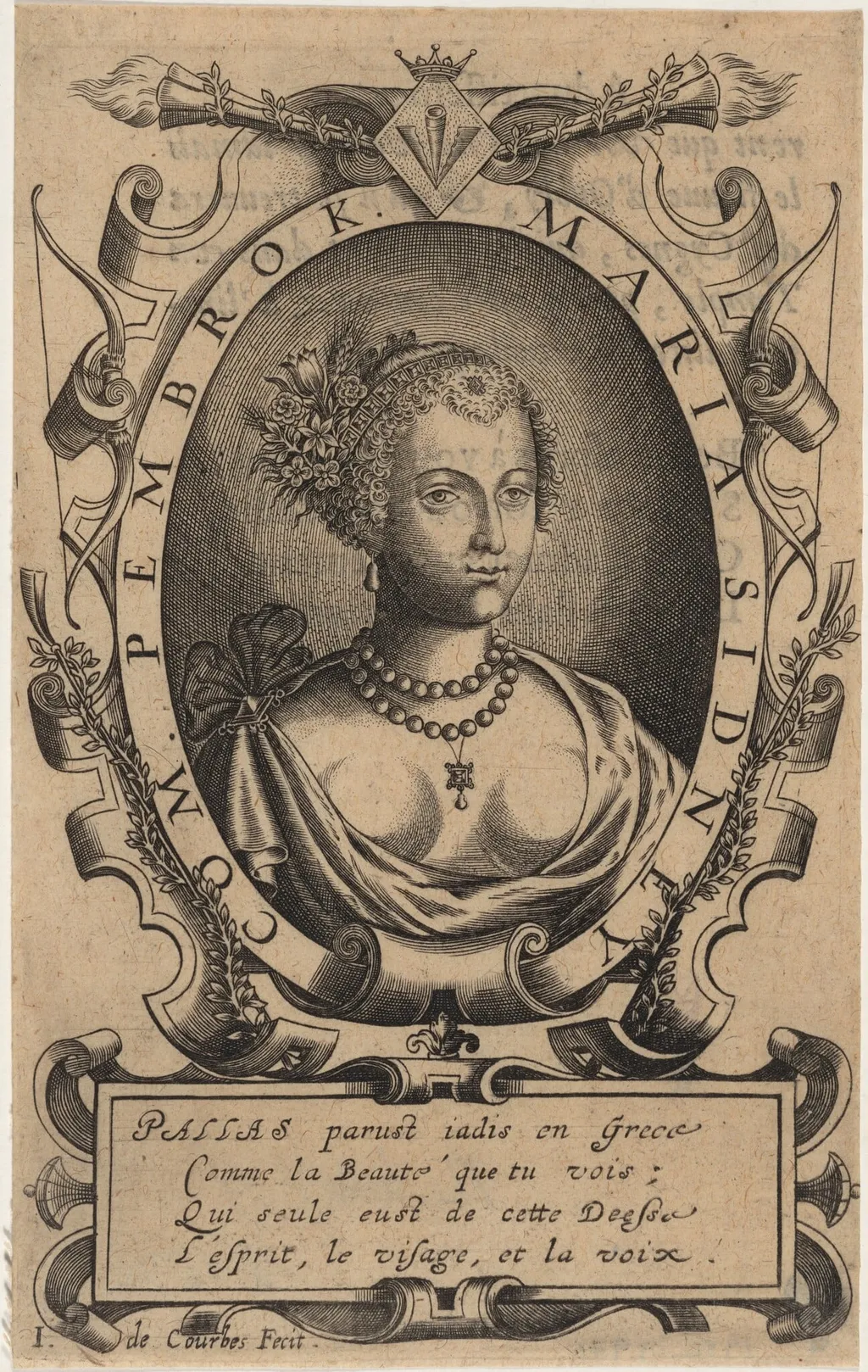
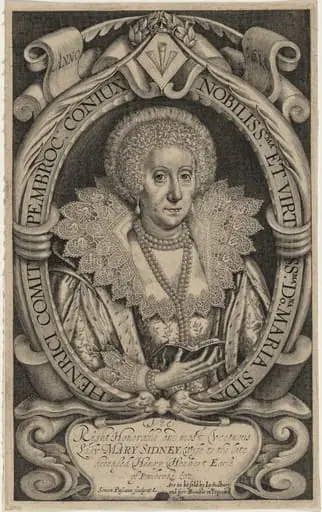
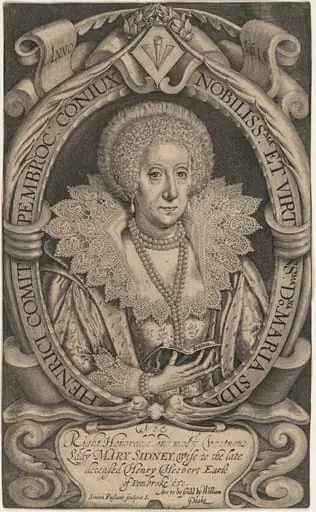
Mary Sidney, Countess of Pembroke is an ink print by the Renaissance artist Jean de Courbes. It dates from 1611 and is held in the collection of the National Gallery of Art.
About this work
Overview
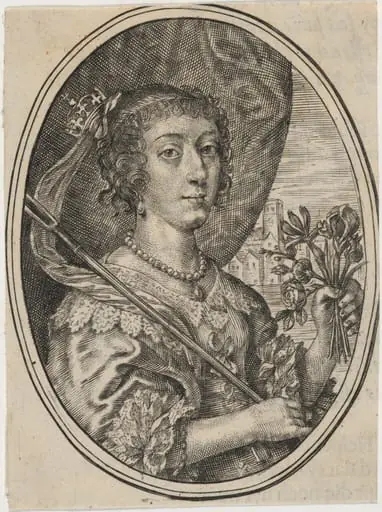
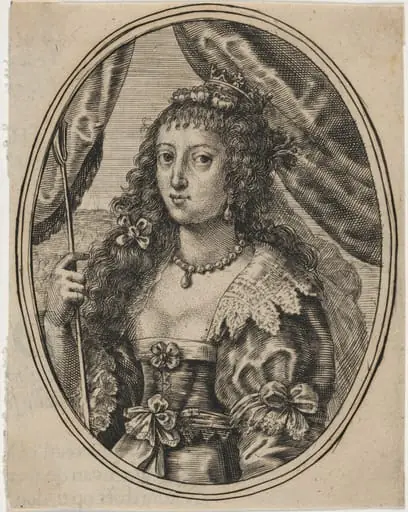
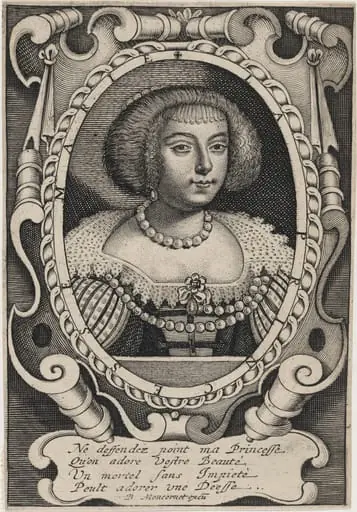
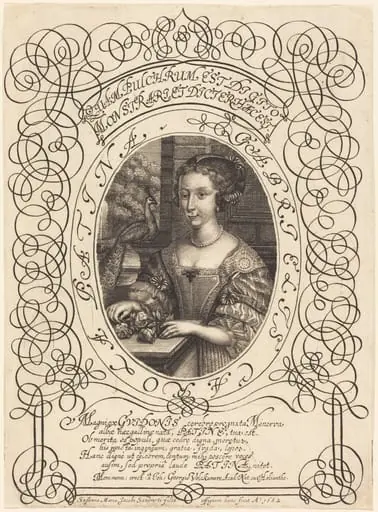
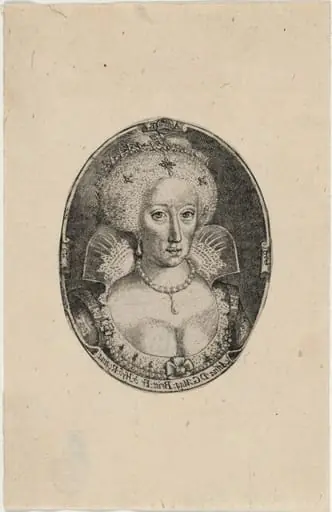
Jean de Courbes’ 1611 engraving presents Mary Sidney, Countess of Pembroke, in a frontal portrait that emphasizes her aristocratic bearing. Rendered in black ink, the image captures the countess’s face and shoulders, framed by an ornamental border that incorporates swirling motifs and foliage.
Subject & Meaning
The portrait highlights the countess’s status through a pearl necklace and an elaborate headpiece, symbols of wealth and refinement in early‑modern England. A French inscription beneath the image extols her beauty and grace, reflecting contemporary ideals of noble femininity.
Technique & Style
Executed with fine line work typical of early 17th‑century engraving, de Courbes achieves delicate shading on the skin and intricate detailing on the jewelry and decorative frame. The use of a surrounding cartouche of swirls and leaves frames the figure within a classical compositional scheme.
History & Provenance
Created in 1611, the print bears the artist’s signature, de Courbes, at its base, confirming its authorship. It was likely produced for circulation among the English court and its allies, serving both as a portrait and as a means of disseminating the countess’s image across Europe.
Context
During the early Stuart period, portrait engravings functioned as portable representations of elite individuals, often used to reinforce social networks and patronage. De Courbes, a French engraver active in England, contributed to this visual culture by rendering English nobility in a style that blended continental technique with local iconography.
Legacy
The engraving remains a valuable visual document of Mary Sidney’s appearance and the material culture of her rank. It also exemplifies the cross‑channel artistic exchange that characterized the period, illustrating how French printmakers helped shape English portraiture.
Artist & collection