Artwork
The Annunciation
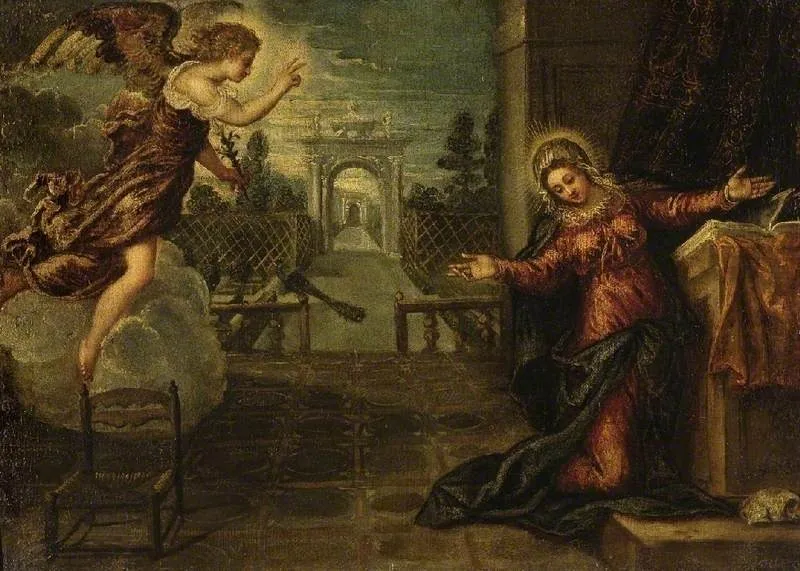
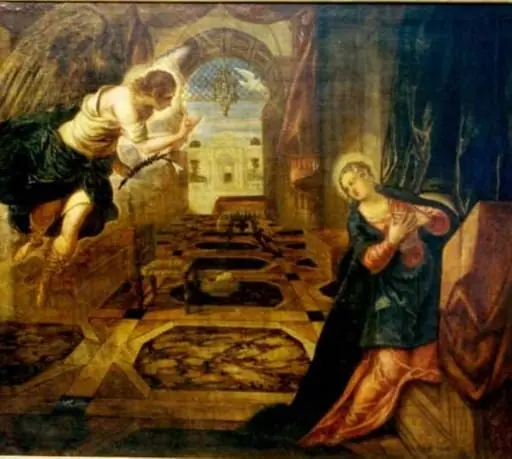
The Annunciation is an oil painting by Scarsellino. It dates from 1595 and is held in the collection of the Fitzwilliam Museum.
About this work
Overview
Created circa 1595 by Ippolito Scarsella, known as Scarsellino, this oil painting depicts the biblical moment of the Annunciation. The work is part of the Fitzwilliam Museum’s collection and exemplifies the artist’s late‑sixteenth‑century output in Ferrara.
Subject & Meaning
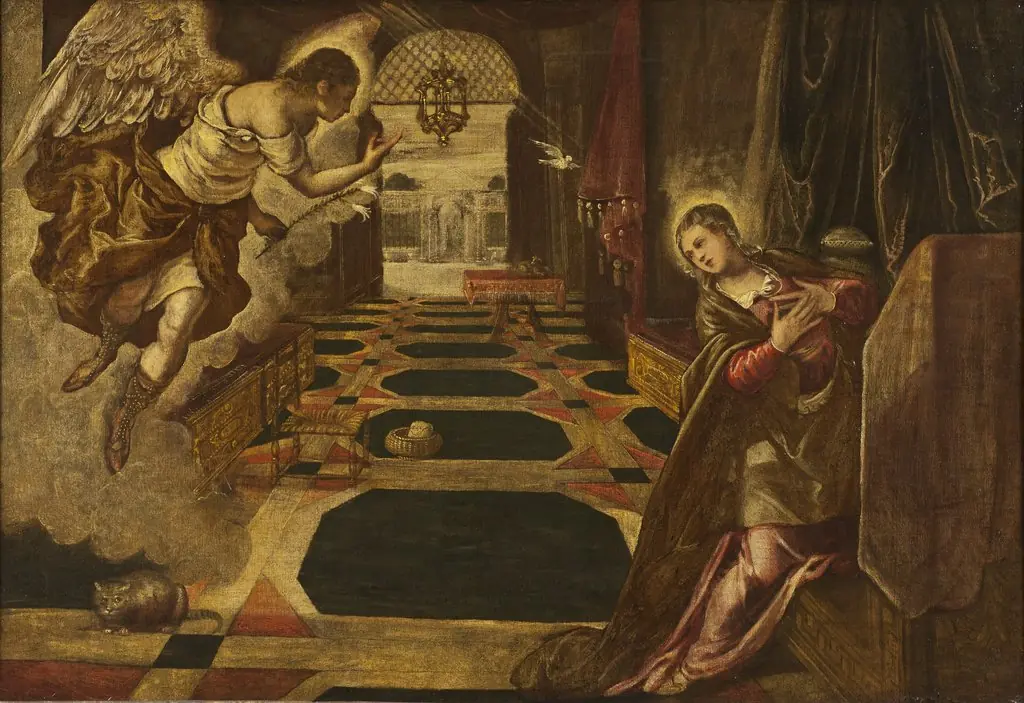
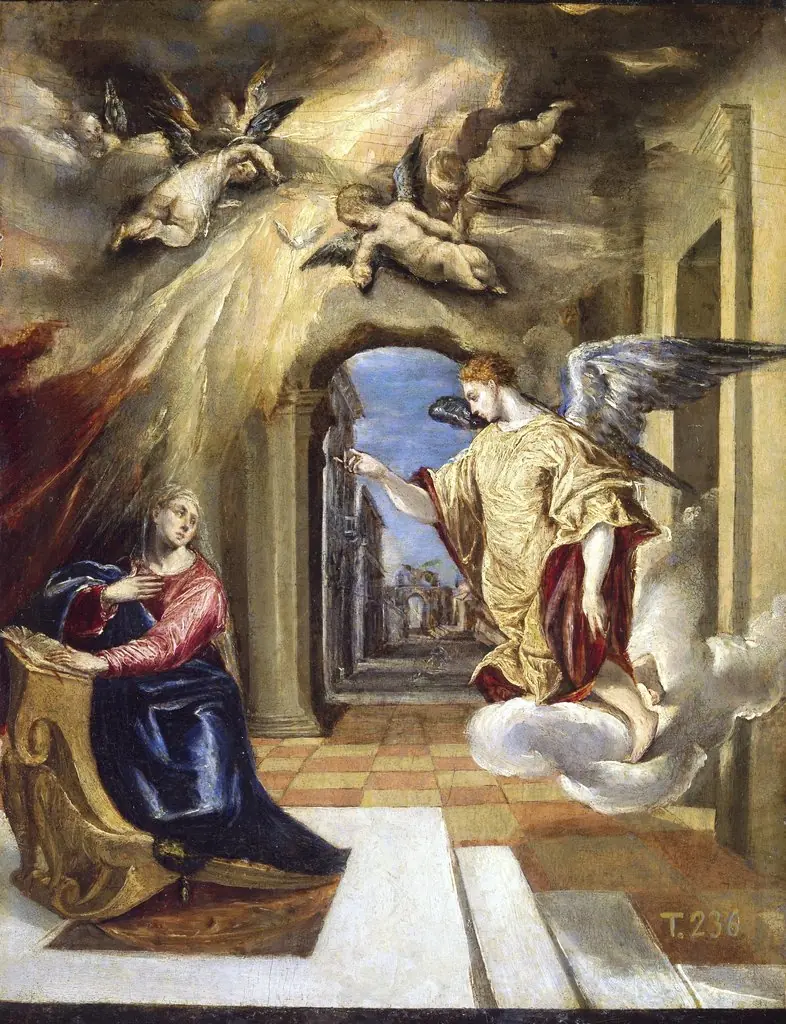
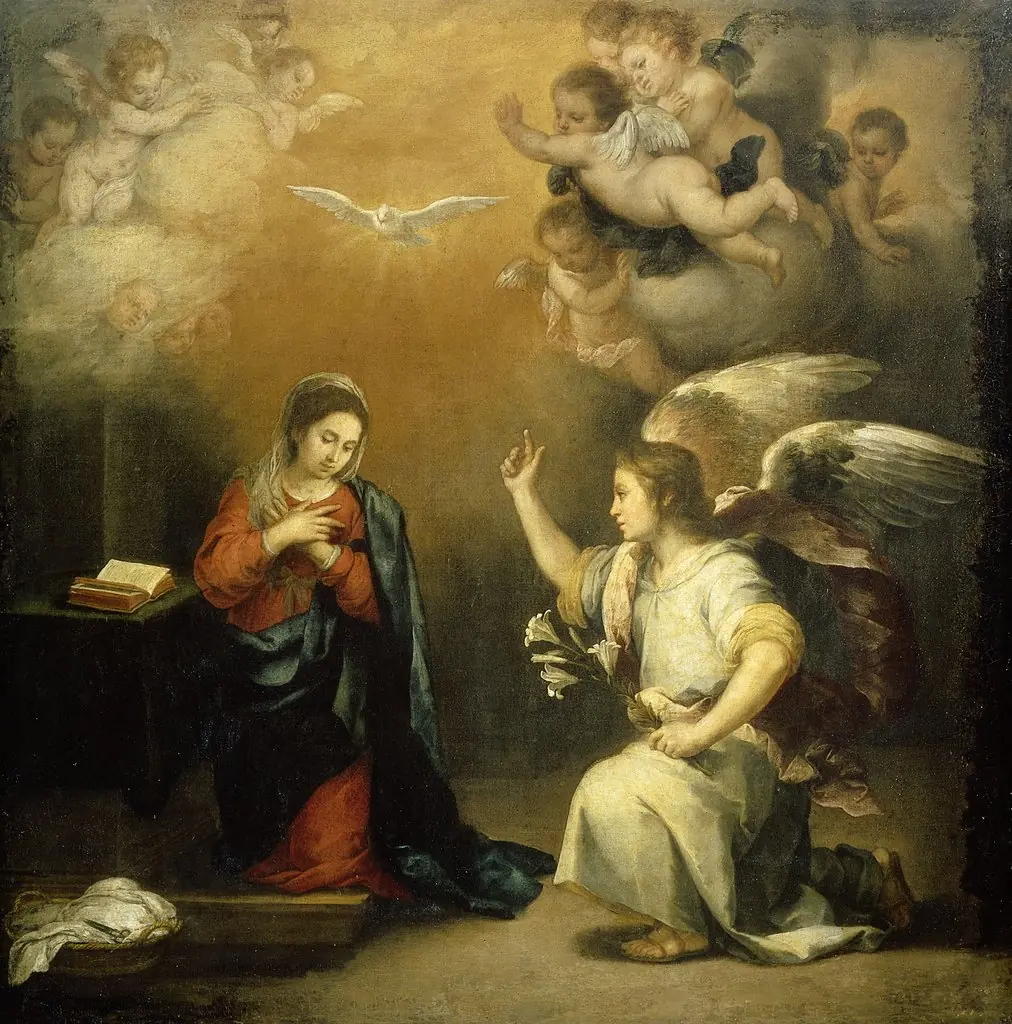
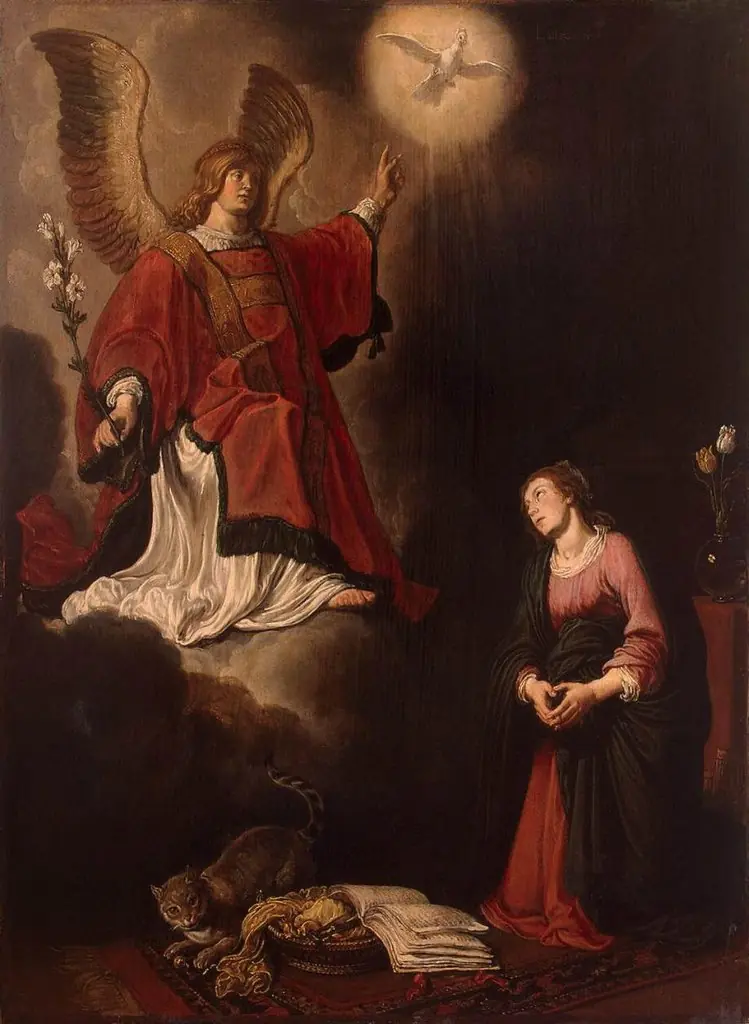
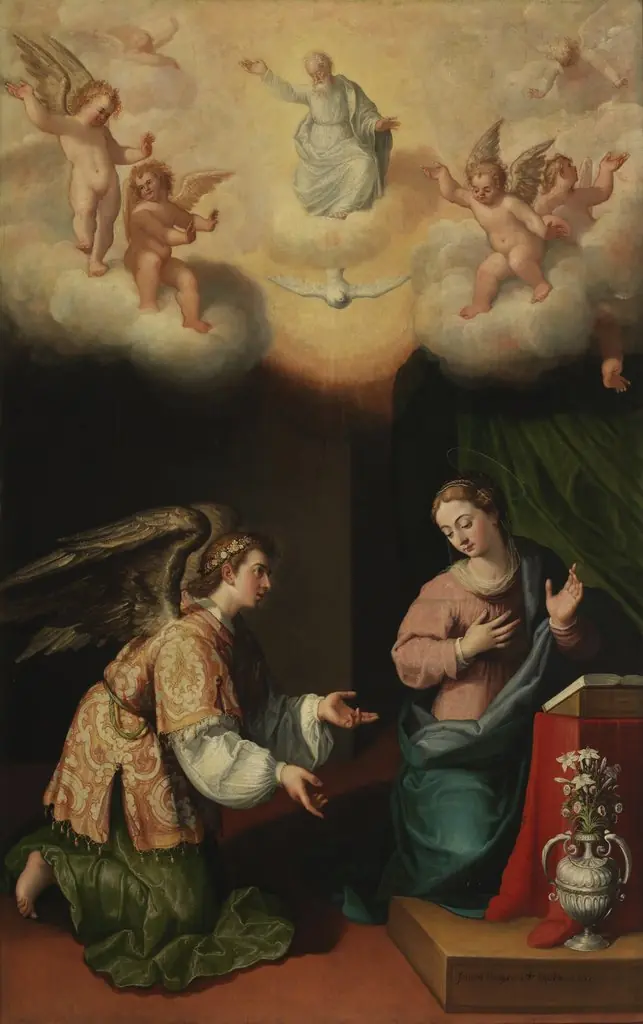
The composition presents the Archangel Gabriel on the left, winged and garbed in brown, extending a greeting toward a kneeling Virgin Mary on the right. Mary, dressed in red beneath a black mantle, receives the divine message, her outstretched arms emphasizing acceptance. The intimate interior setting underscores the personal nature of the encounter.
Technique & Style
Executed in oil on canvas, the painting displays meticulous detailing of fabrics, stone flooring, and a distant archway. Scarsellino employs a subtle chiaroscuro to model forms, while the luminous sky visible through the arch introduces a sense of depth and atmospheric perspective characteristic of his evolving style.
History & Provenance
The work remained in private hands before entering the Fitzwilliam Museum’s holdings, where it has been displayed as part of the museum’s Italian Baroque collection. Its attribution to Scarsellino aligns with documented output from the Ferrara school during the 1590s.
Context
Scarsellino was a prominent figure in the Ferrarese school, noted for integrating sacred narratives with secular elements. This Annunciation reflects his interest in combining devotional subjects with a domestic interior, a trend that would inform early seventeenth‑century landscape and genre painting in the region.
Artist & collection
Artist
Scarsellino or Ippolito Scarsella (1550 (or 1551) – 28 October 1620) was an Italian mid-to-late sixteenth century reformist painter and one of the most important representatives of the School of Ferrara.