Artwork
The Crowning of the Virgin
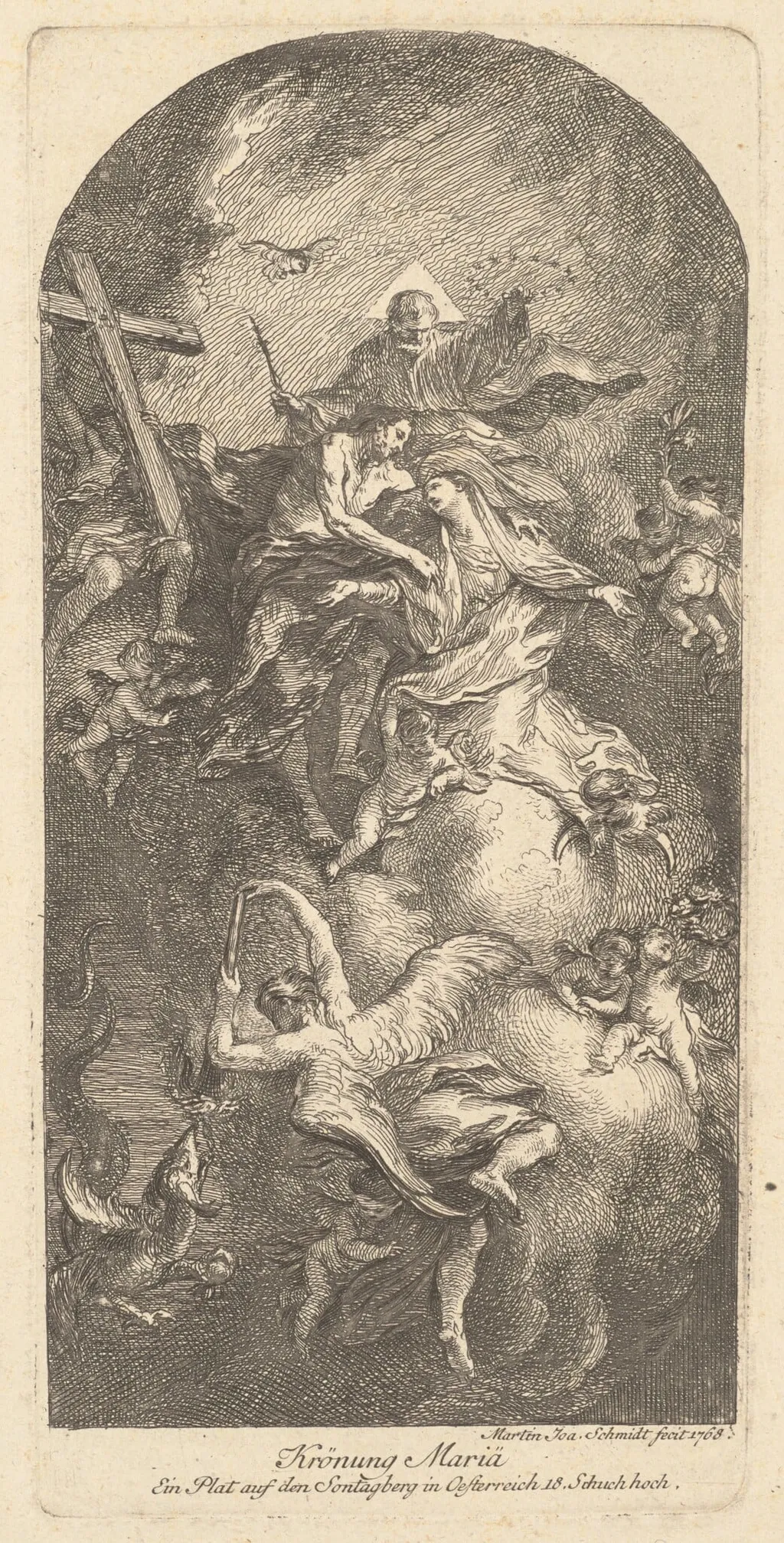
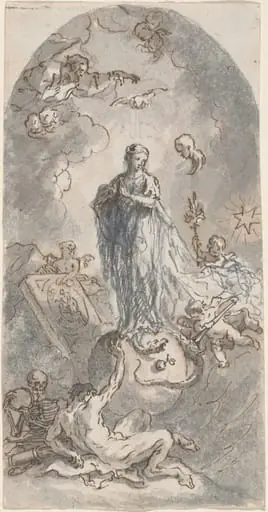
The Crowning of the Virgin is an ink print by the Romanticist artist Martin Johann Schmidt. It dates from 1768 and is held in the collection of the National Gallery of Art.
About this work
Overview
Executed as a combined etching and engraving on laid paper, the work presents a densely populated heavenly scene in which the Virgin Mary receives a crown.
Created in 1768, *The Crowning of the Virgin* is a print made by Martin Johann Schmidt, the Austrian artist often called Kremser Schmidt. Executed as a combined etching and engraving on laid paper, the work presents a densely populated heavenly scene in which the Virgin Mary receives a crown. The composition is marked by a high level of detail and a clear, linear quality that draws the eye across the multitude of figures.
Subject & Meaning
The image illustrates the traditional Christian motif of Mary’s coronation, a moment in which the Virgin is honored in heaven by the Trinity and angels. By placing the crowning within an elaborate celestial setting, Schmidt emphasizes the theological significance of Mary’s exalted status and the intercessory role she holds within Catholic devotion.
Technique & Style
Schmidt employed both etching and engraving, allowing him to combine the soft, tonal effects of acid‑etched lines with the crisp, controlled strokes of hand‑cut engraving. The resulting interplay of fine hatching and bold outlines creates a sense of depth and texture. Stylistically, the print reflects the late Baroque and Rococo sensibilities of the period, while also showing the influence of northern Italian composition through its dramatic arrangement of figures.
History & Provenance
Schmidt, a prominent painter and decorator in Lower Austria, produced the print while based in Stein, where he was active in furnishing churches and monasteries. The work was likely intended for devotional use or as a model for larger altar pieces. It has remained in private collections and museum holdings, illustrating the artist’s broader output in religious printmaking during the mid‑18th century.
Context
During the late Baroque era, prints served both as portable images of sacred narratives and as instructional tools for clergy and laity. *The Crowning of the Virgin* fits within this tradition, offering a visual counterpart to liturgical celebrations of Marian feasts. Its intricate line work aligns with contemporary trends that favored elaborate ornamentation and emotional intensity in religious art.
Artist & collection
Artist
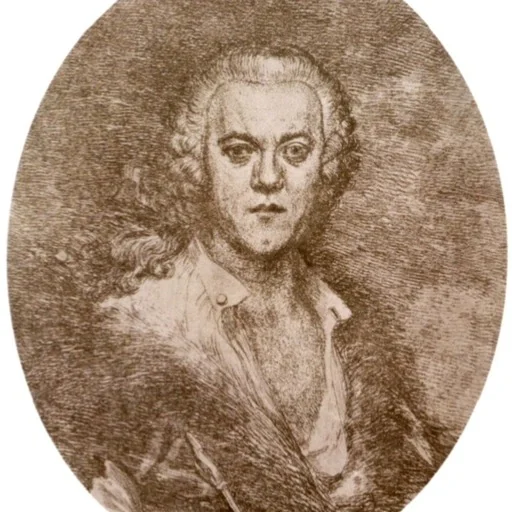
Martin Johann Schmidt, called Kremser Schmidt or Kremserschmidt, (25 September 1718 – 28 June 1801), was one of the outstanding Austrian painters of the late Baroque/Rococo along with Franz Anton Maulbertsch.

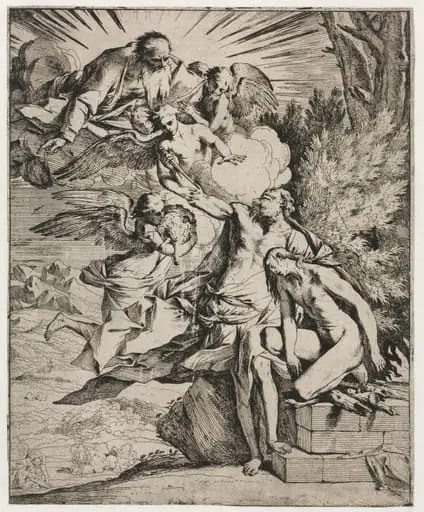
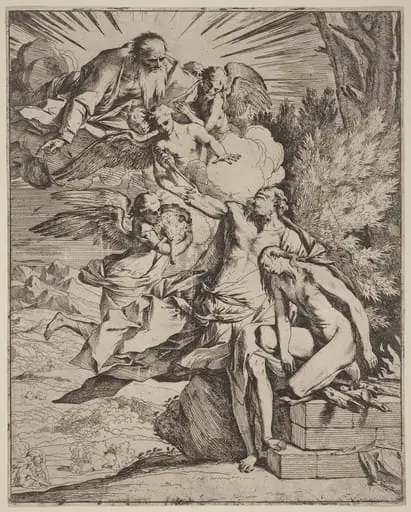 The Sacrifice of Abraham
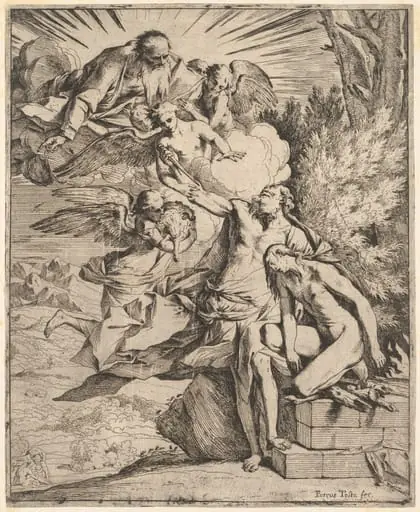 The Sacrifice of Abraham
 Diana and Endymion
 Saint Anne Received by the Virgin and Christ
 The Sacrifice of Abraham
 Saint Nicholas Rescuing Sailors
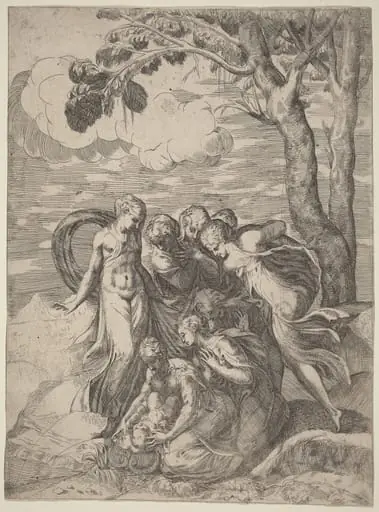 The Finding of Moses
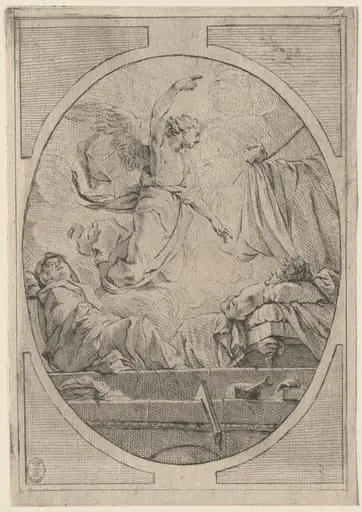 The Dream of Saint Joseph
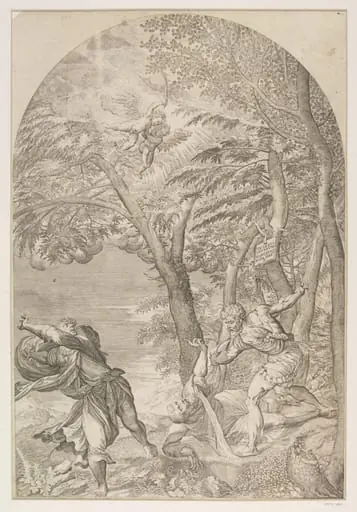 Death of St. Peter the Martyr
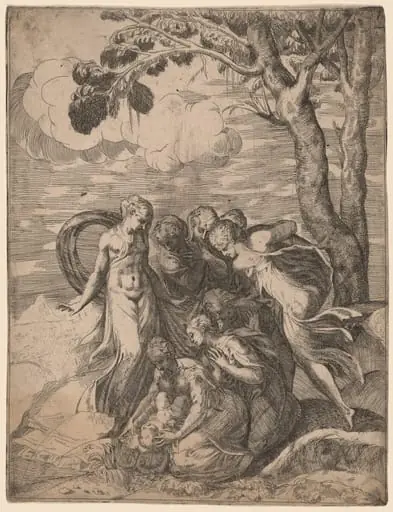 The Finding of Moses
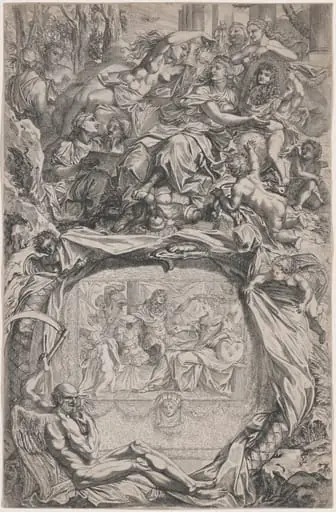 France Crowned with Victory by Louis XIV
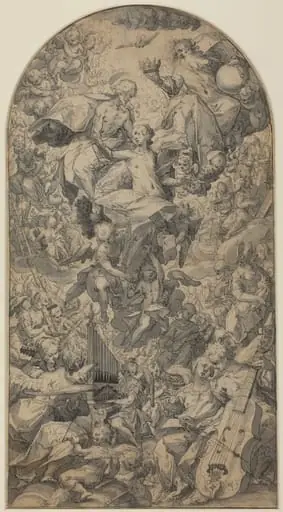 The Coronation of the Virgin with Angel Musicians and All Saints