Artwork
Allegory of Summer
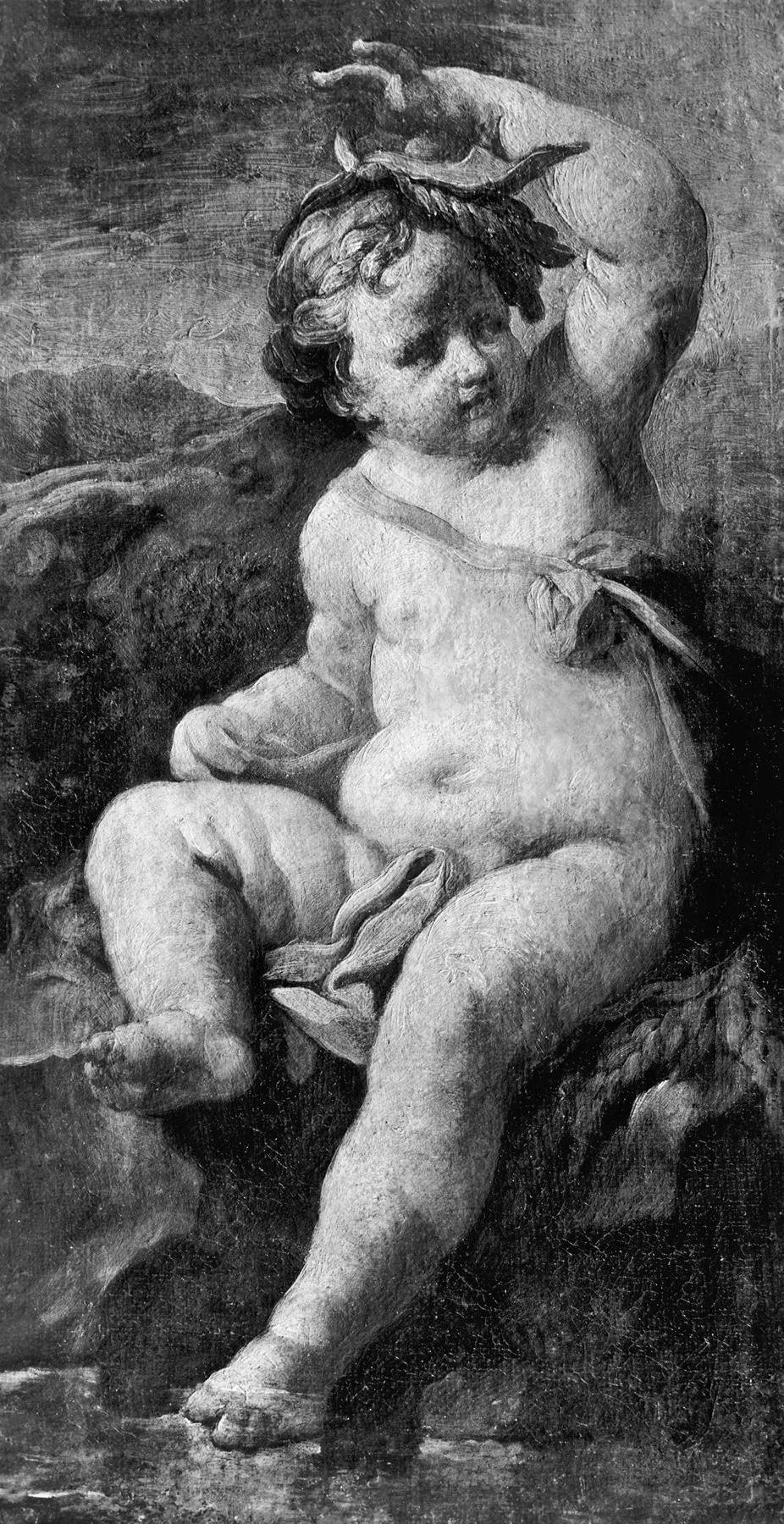
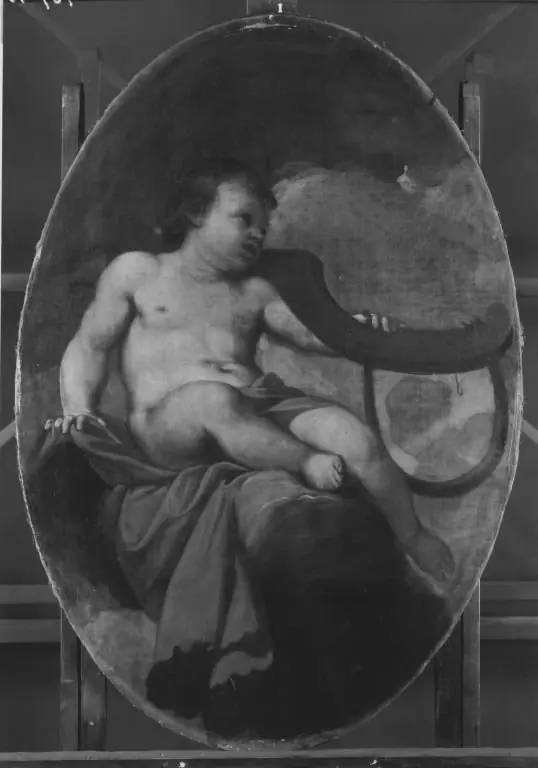
Allegory of Summer is an oil painting by the Rococo painting artist Sebastiano Conca. It dates from 1720 and is held in the collection of the Walters Art Museum.
About this work
Overview
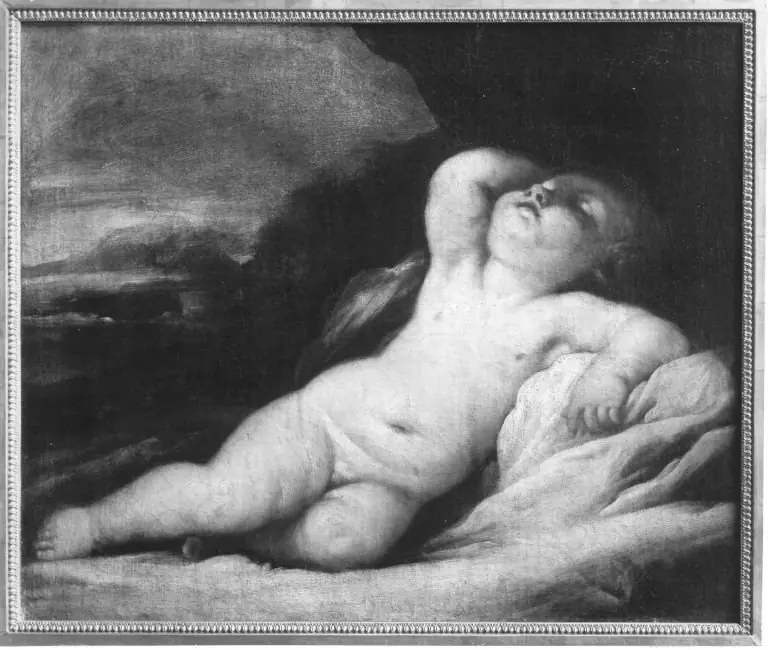
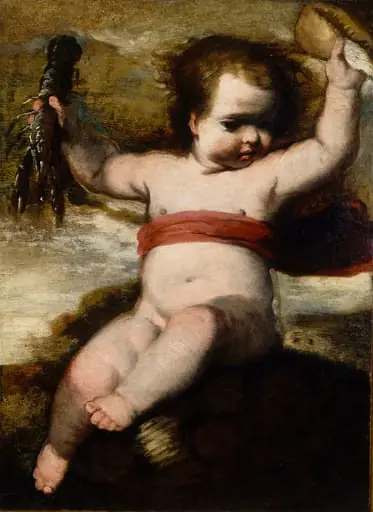
Sebastiano Conca’s Allegory of Summer, executed in oil around 1720, depicts a solitary infant figure perched upon a stone against a muted backdrop. The work is part of the collection at the Walters Art Museum, where it is displayed as an example of early‑18th‑century allegorical painting.
Subject & Meaning
The central figure is a putto—a chubby, nude child with curled hair—commonly employed in allegorical and mythological contexts. Here the infant’s downward gaze and raised right hand suggest contemplation or a gesture of offering, aligning with traditional iconography that associates putti with the seasons, in this case, summer.
Technique & Style
Conca employs oil on canvas to render the soft flesh tones of the infant and the textured surface of the rock. The chiaroscuro treatment creates a dark, atmospheric background that isolates the figure, while the delicate handling of light on the skin reflects the Baroque sensibility of the period.
History & Provenance
Painted in the early 1720s, the work entered the Walters Art Museum’s holdings through acquisition in the early twentieth century. Its provenance prior to museum ownership is not extensively documented, but the painting has remained attributed to Conca throughout its known history.
Artist & collection