Artwork
Fedoa Americana, pectore ruso
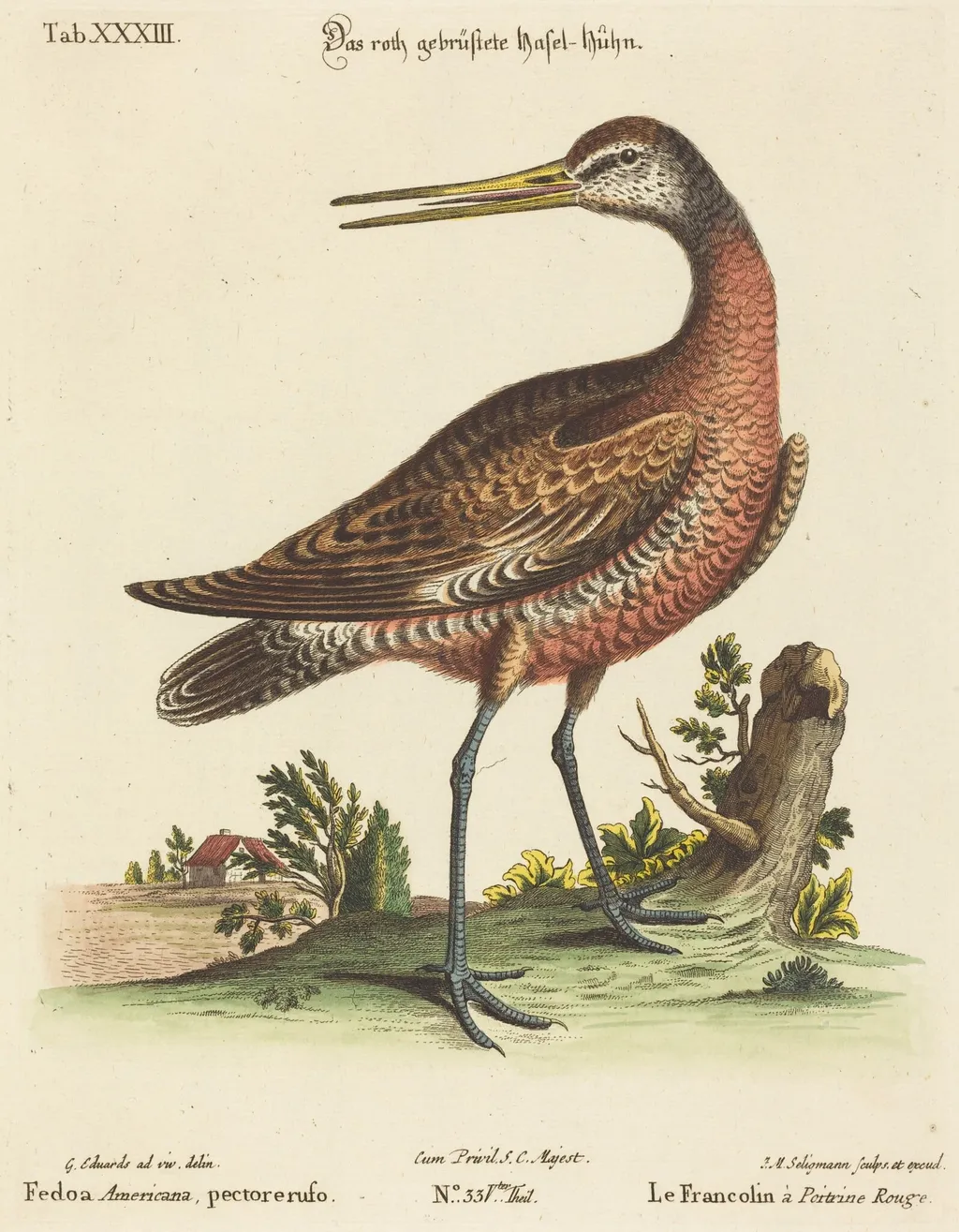
Fedoa Americana, pectore ruso is an ink print by the Baroque artist Johann Michael Seligmann. It dates from 1741 and is held in the collection of the National Gallery of Art.
About this work
Overview
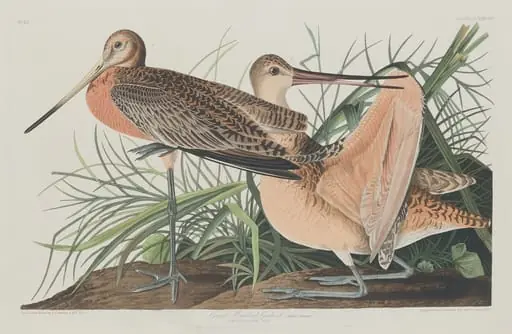
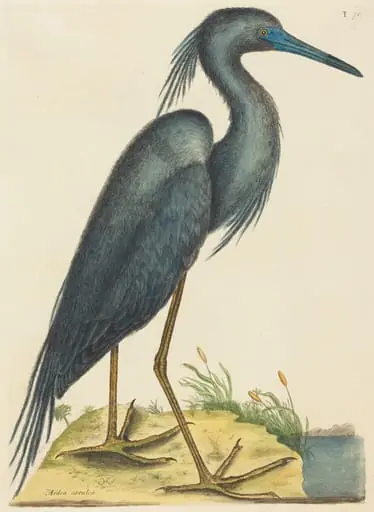
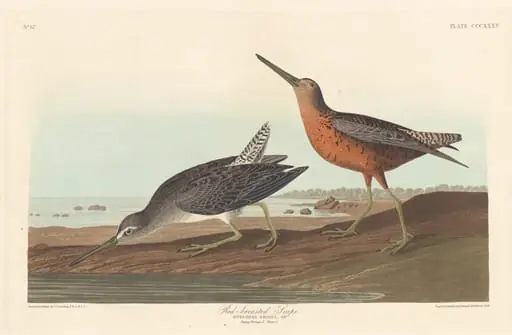
Johann Michael Seligmann’s hand‑colored etching, titled *Fedoa Americana, pectore ruso*, dates from 1741. Executed on laid paper, the print depicts a solitary bird poised on one leg beside a modest tree and a tuft of grass. A diminutive house rests near a water’s edge in the background, while the bird’s Latin name appears at the bottom of the composition.
Subject & Meaning
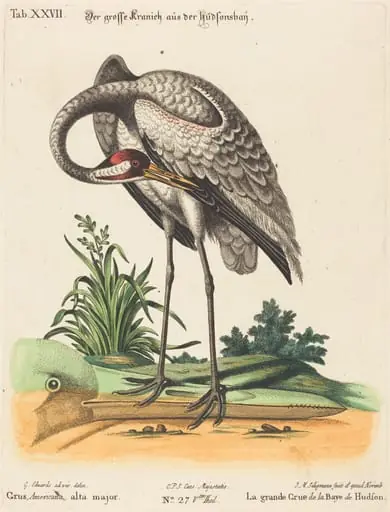
The central figure is a long‑necked, long‑billed bird rendered in brown and white plumage, its chest flushed red and legs yellow. The pose—balanced on a single leg—echoes typical studies of avian anatomy, while the surrounding landscape provides a tranquil, natural setting that emphasizes the creature’s elegance and the artist’s interest in documenting exotic fauna.
Technique & Style
Seligmann employed a traditional etching process on laid paper, later applying hand‑applied watercolor washes. The line work is precise, capturing fine feather details, while the modest palette of soft yet vivid hues—particularly the crimson chest—enhances the three‑dimensionality of the bird without overwhelming the delicate drawing.
History & Provenance
Created in the mid‑18th century, the print reflects the period’s fascination with cataloguing foreign species. Although specific ownership records are scarce, the work survives as part of a broader corpus of Seligmann’s natural‑history illustrations, illustrating the artist’s role in disseminating scientific knowledge through print media.
Artist & collection