Artwork
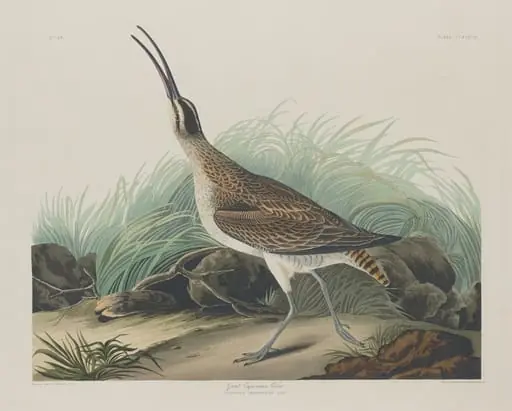
Great Marbled Godwit
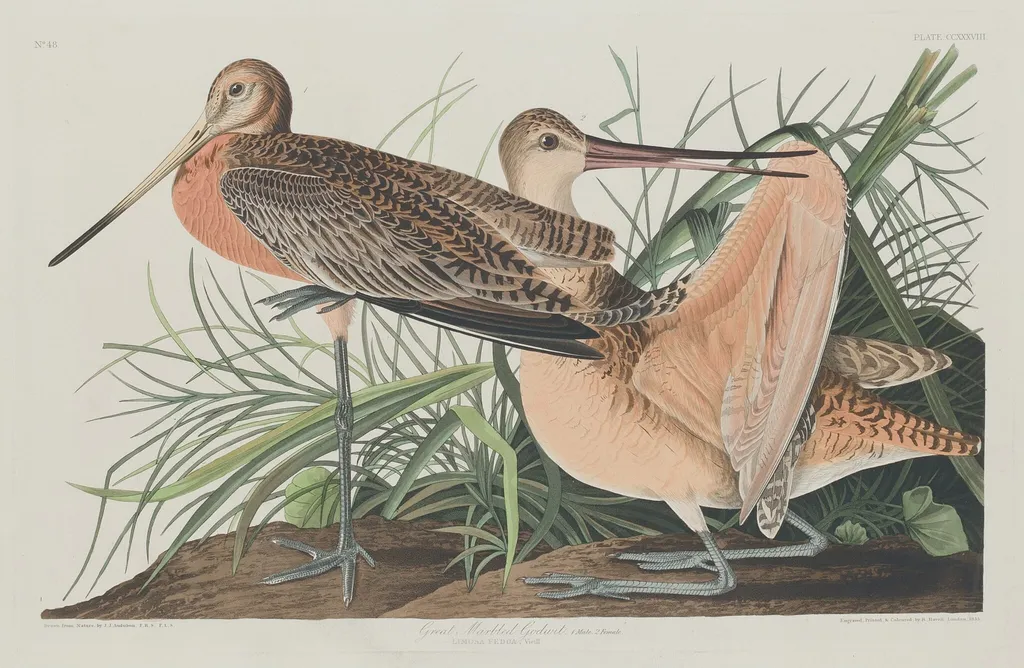
Great Marbled Godwit is an ink print by the Romanticist artist Robert Havell Jr.. It dates from 1835 and is held in the collection of the National Gallery of Art.
About this work
Overview
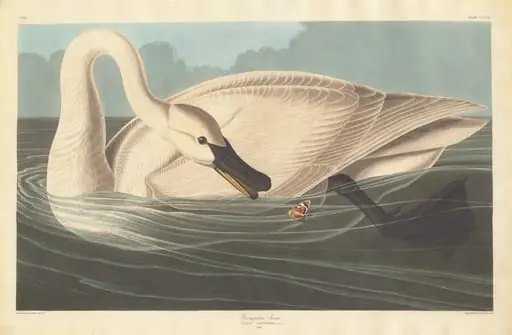
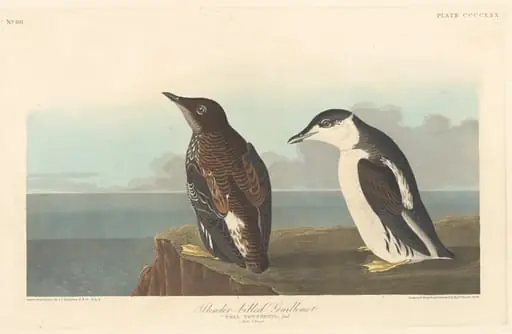
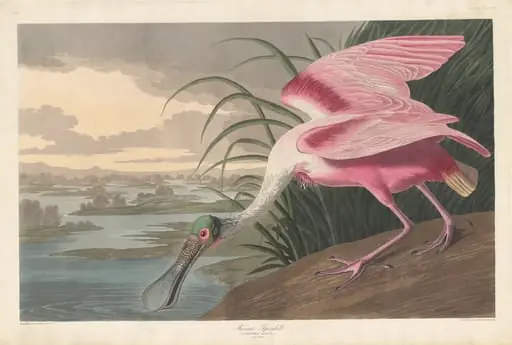
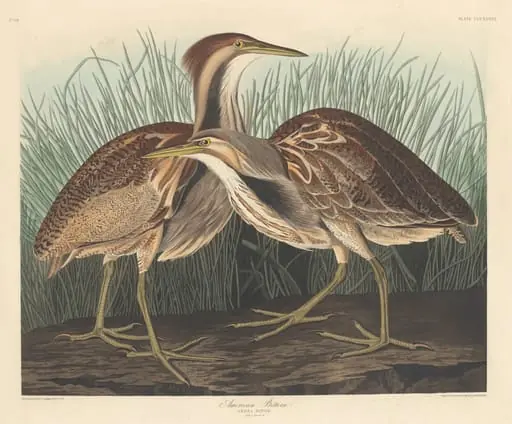
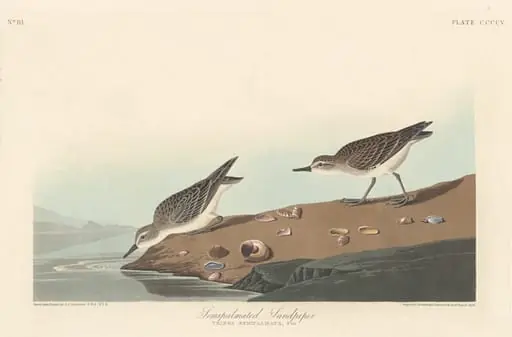
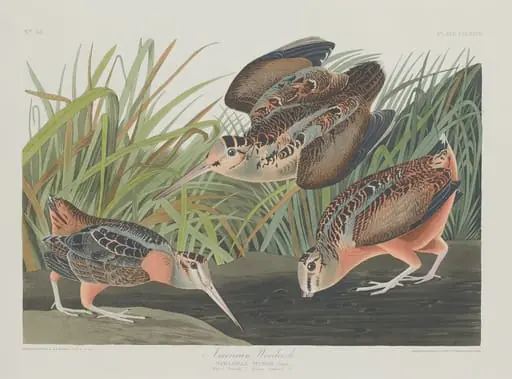
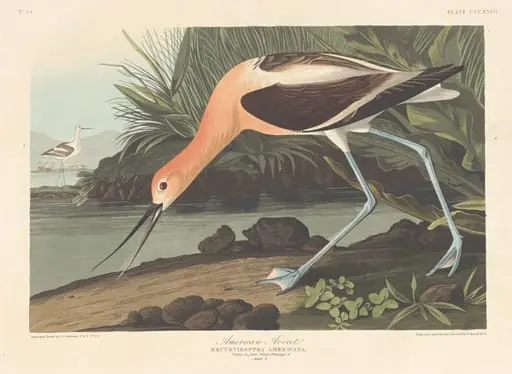
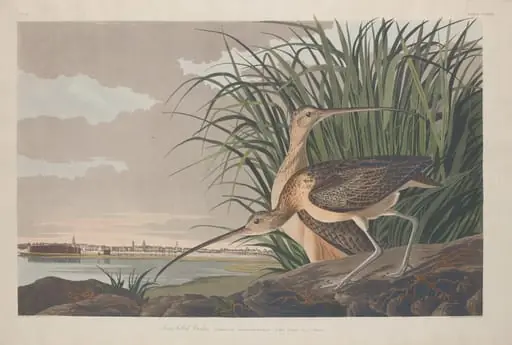
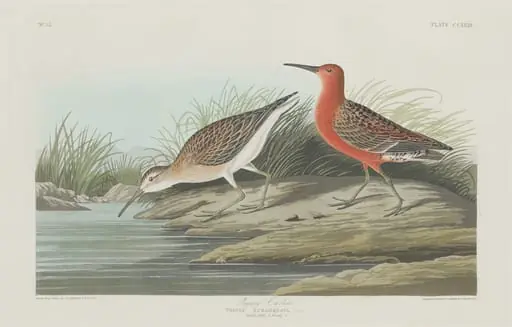
Created in 1835, the print titled *Great Marbled Godwit* presents a detailed depiction of the eponymous waterbird. Executed as a hand‑colored engraving combined with aquatint, the image rests on a sheet of fine Whatman wove paper, a material favored for its smooth surface and durability in fine printmaking.
Technique & Style
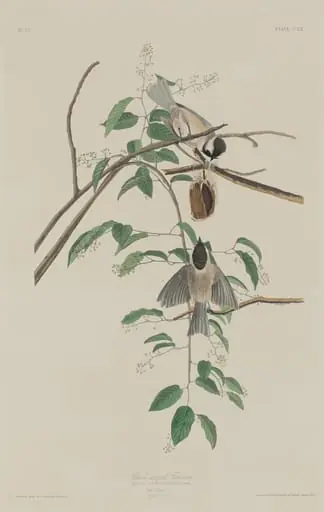
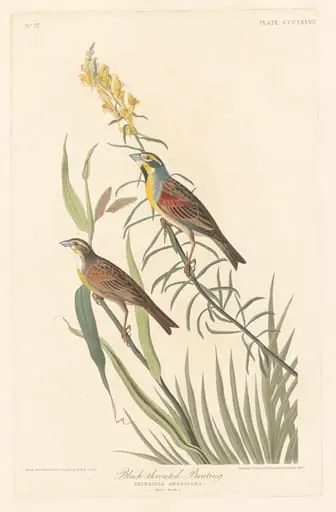
The work merges line engraving—where fine incised lines define form—with aquatint, a method that produces tonal washes resembling watercolor. After the copper plate was printed, the image was finished by hand, applying pigments to enhance the bird’s plumage and background, a practice common among early‑19th‑century natural history prints.
Context
Robert Havell Jr. belonged to a lineage of English printmakers; his father, Robert Havell the Elder, had established a reputable engraving and publishing business. The younger Havell continued this legacy, applying the family’s technical expertise to scientific illustration, a field in which the Havells were especially active during the period.
History & Provenance
While specific ownership records for this particular impression are limited, prints of the Havell family’s work were widely distributed through subscription series and natural history publications, ensuring that copies reached libraries, museums, and private collectors across Britain and its empire.
Artist & collection

Artist
The Havell family of Reading, Berkshire, England, included a number of notable engravers, etchers and painters, as well as writers, publishers, educators, and musicians.