Artwork
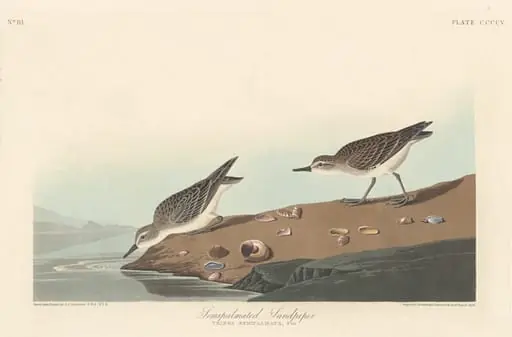
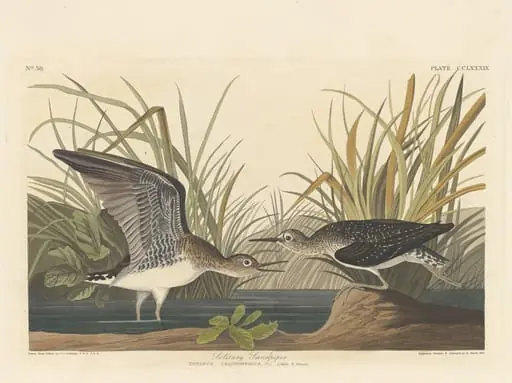
Semi-palmated Snipe or Willet
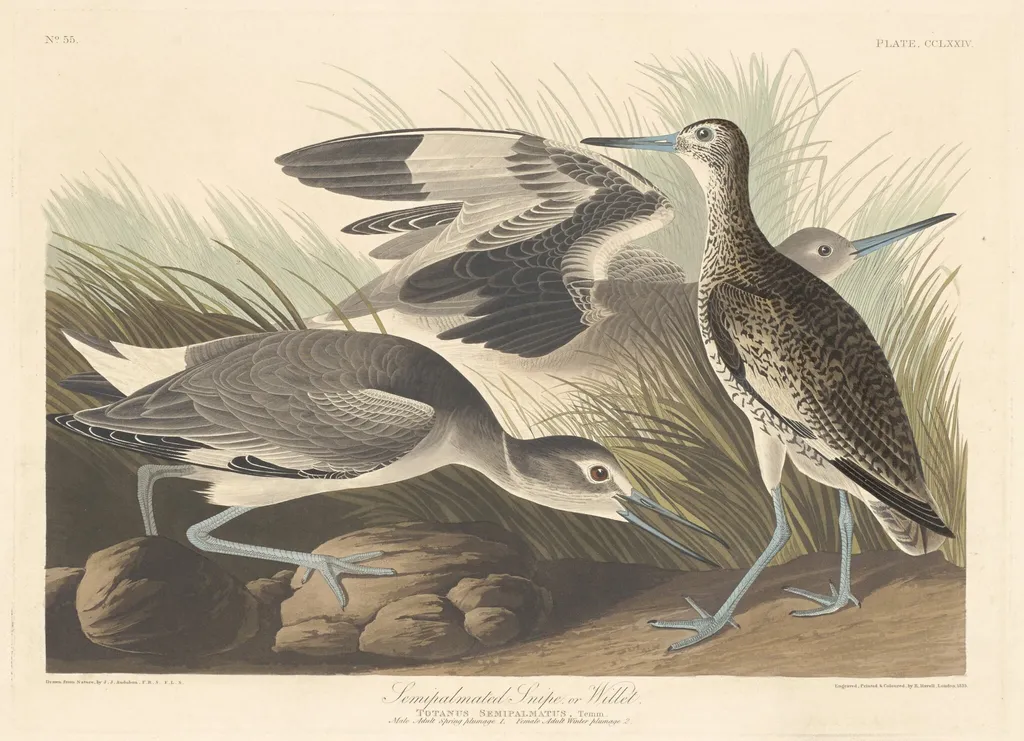
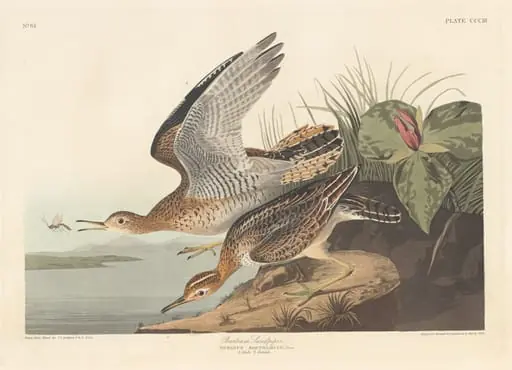
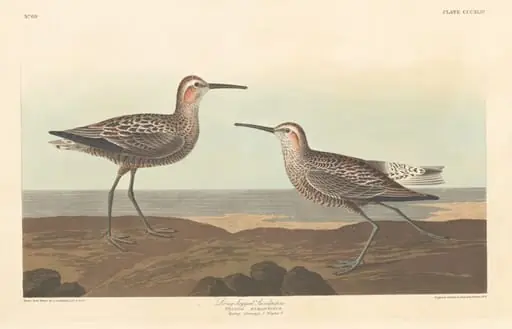
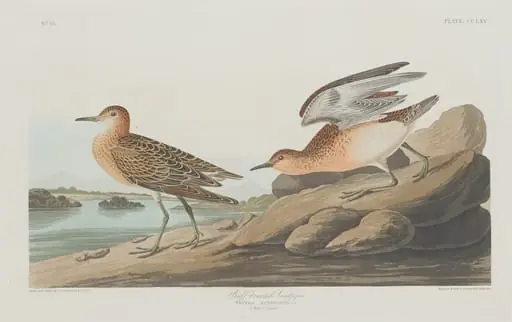
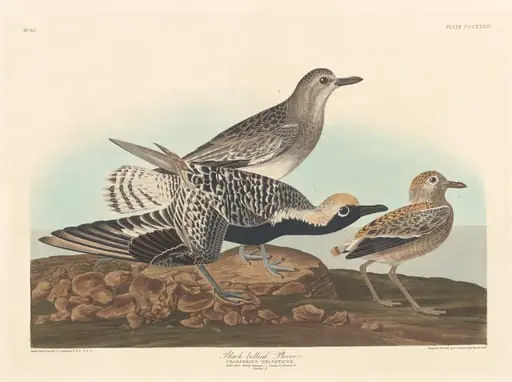
Semi-palmated Snipe or Willet is an ink print by the Romanticist artist Robert Havell Jr.. It dates from 1835 and is held in the collection of the National Gallery of Art.
About this work
Overview
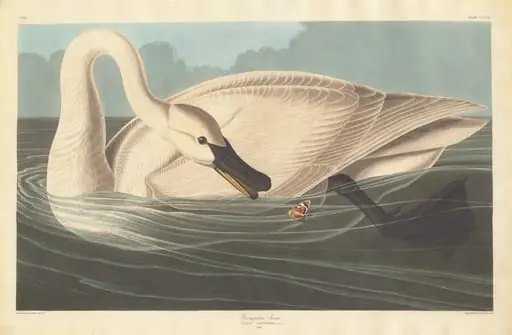
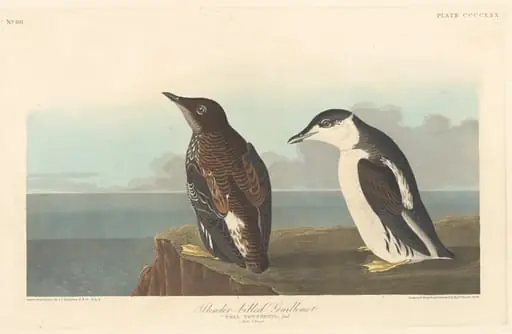
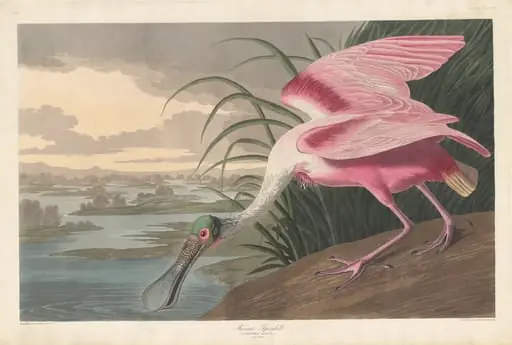
Created in 1835, this hand-colored engraving and aquatint on Whatman wove paper is one of several ornithological prints produced by Robert Havell Jr.
Created in 1835, this hand-colored engraving and aquatint on Whatman wove paper is one of several ornithological prints produced by Robert Havell Jr. It belongs to a series of natural history illustrations that combined scientific accuracy with artistic refinement. The work exemplifies the Havell family’s long-standing role in British printmaking, particularly through their mastery of aquatint and meticulous color application.
Subject & Meaning
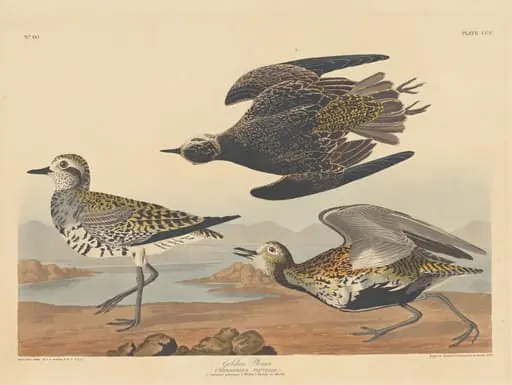
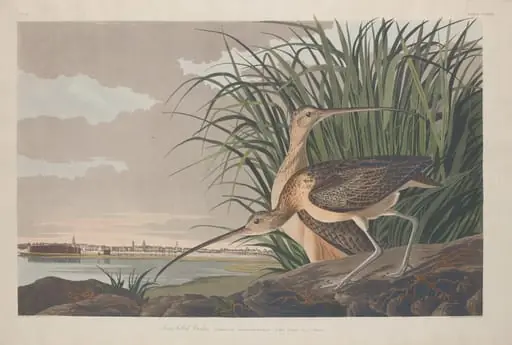
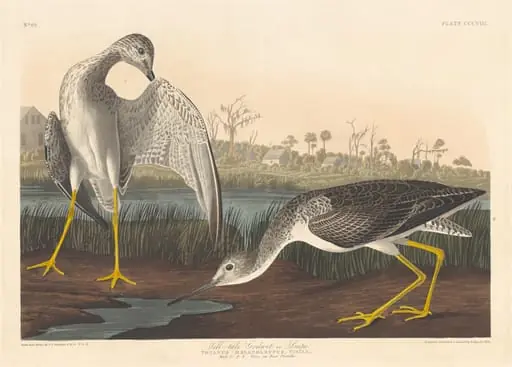
The print portrays either a semi-palmated snipe or a willet, two shorebirds native to North America, rendered with precise anatomical detail. The bird is depicted in a naturalistic stance, suggesting movement and habitat rather than static display. The image serves a documentary purpose, aligning with 19th-century efforts to catalog avian species for scientific and educational audiences.
Technique & Style
Havell employed engraving and aquatint techniques to achieve fine gradations of tone and texture, particularly in the bird’s plumage and the surrounding landscape. Hand-coloring was applied with care to reflect the bird’s natural hues, enhancing realism without overt stylization. The use of Whatman wove paper, prized for its smooth surface, allowed for sharp detail and even ink absorption.
History & Provenance
Robert Havell Jr. was part of a multi-generational family of engravers based in Reading, Berkshire, whose workshop produced illustrations for major natural history publications. This print likely originated from a larger project, possibly connected to John James Audubon’s ornithological works, though not directly commissioned by him. The Havells were known for their collaborations with American and European naturalists.
Context
In the 1830s, detailed bird illustrations were in demand as natural history became a popular pursuit among scientists and amateur naturalists. The print reflects the era’s emphasis on empirical observation and visual documentation. While the Havell family had ties to Indian art through earlier commissions, this work is firmly rooted in the North American ornithological tradition.
Legacy
Havell’s prints remain valued for their technical precision and contribution to early ornithological literature. Though not widely known outside specialist circles, his work helped establish standards for wildlife illustration in print. The survival of such pieces in institutional collections underscores their role in the history of scientific visualization.
Artist & collection

Artist
The Havell family of Reading, Berkshire, England, included a number of notable engravers, etchers and painters, as well as writers, publishers, educators, and musicians.