Artwork
Pica grisea Brasiliensis
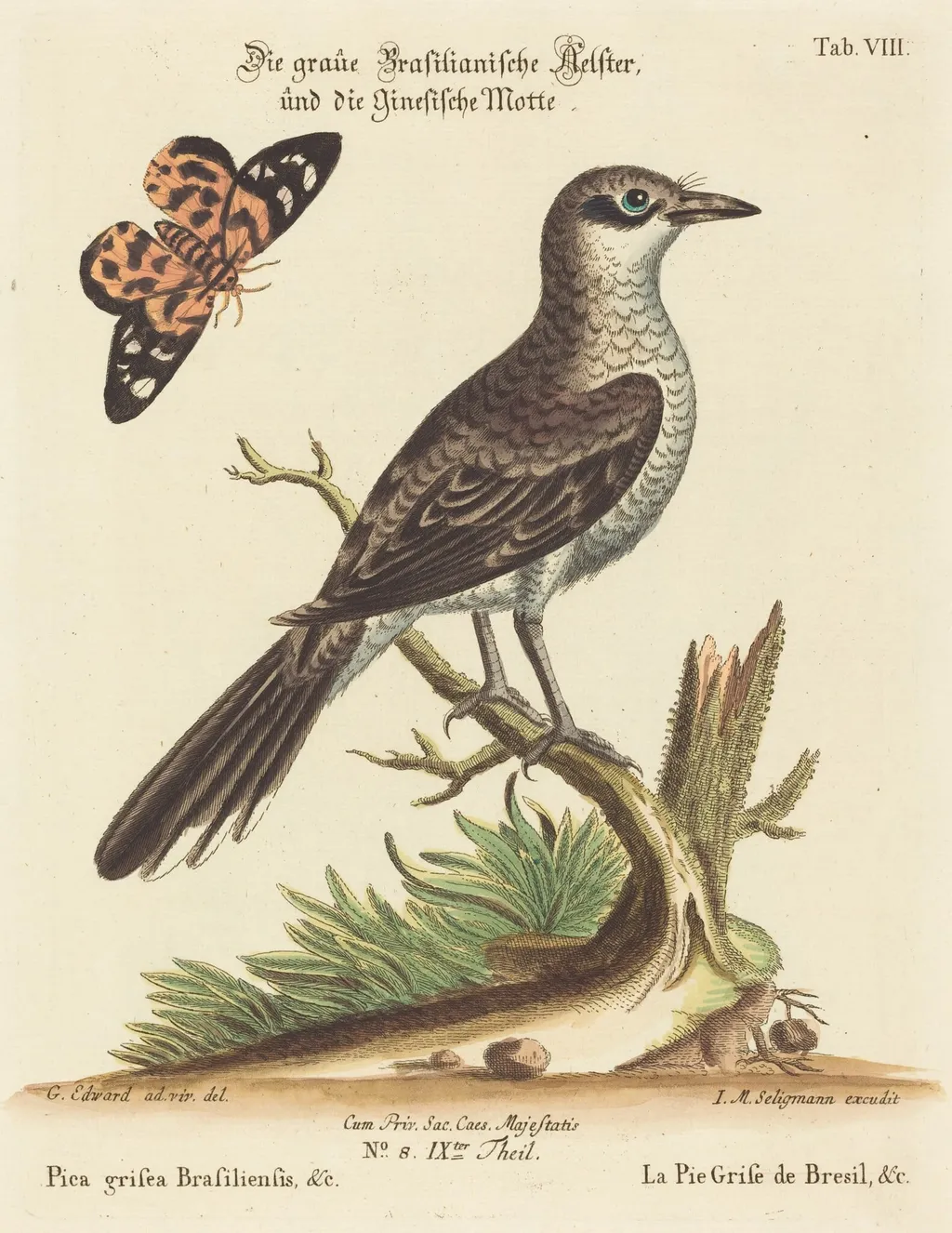
Pica grisea Brasiliensis is an ink print by the Baroque artist Johann Michael Seligmann. It dates from 1741 and is held in the collection of the National Gallery of Art.
About this work
Overview
Johann Michael Seligmann’s hand‑coloured etching, titled *Pica grisea Brasiliensis*, was produced in 1741. Executed on laid paper, the work presents a finely rendered bird perched on a curved branch, accompanied by a small butterfly in flight. The composition balances delicate line work with selective colour applied after the printing process.
Subject & Meaning
The central figure is a long‑tailed bird with a white chest, identified by the title as a Brazilian grey species, likely a woodpecker. A butterfly with orange and black wings hovers nearby, creating a subtle interaction that emphasizes the natural world’s quiet observation. The scene captures a moment of stillness and curiosity within a tropical setting.
Technique & Style
Seligmann employed traditional etching methods, incising intricate lines into a copper plate before printing onto laid paper. After the impression dried, he added colour by hand, enhancing the bird’s plumage and the butterfly’s wings. The precision of the line work and the restrained palette reflect Baroque sensibilities, particularly the era’s interest in detailed natural studies.
History & Provenance
Created in the mid‑18th century, the print forms part of Seligmann’s broader oeuvre of natural history illustrations. While specific ownership records are limited, the work has been catalogued among European prints that circulated scientific and artistic interest in South American fauna during the Enlightenment.
Artist & collection


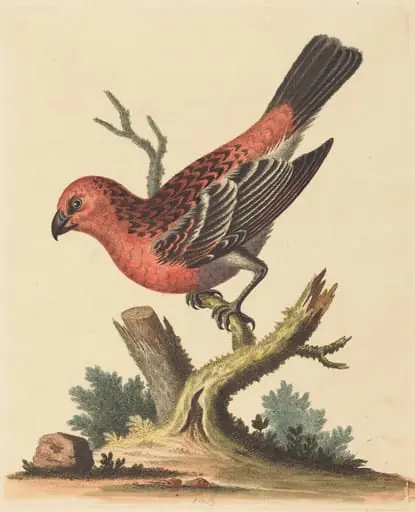 Red and Black Bird
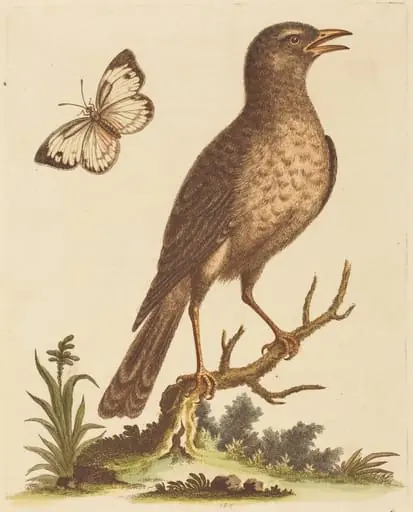 Brown Bird with a Butterfly
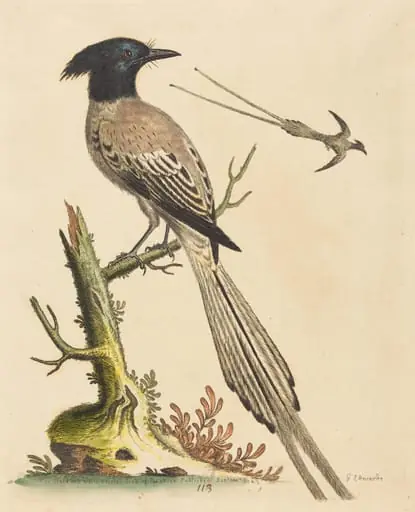 The Black and White Crested Bird of Paradise
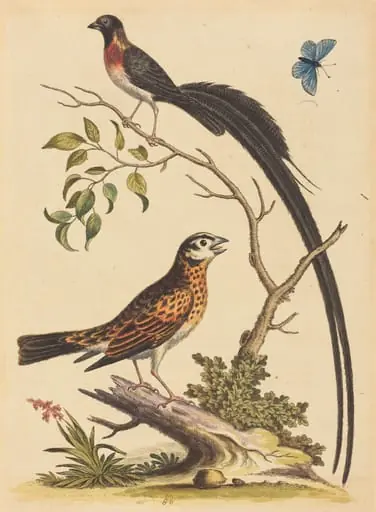 Two Birds, One with Very Long Tailfeathers, and Blue Butterfly
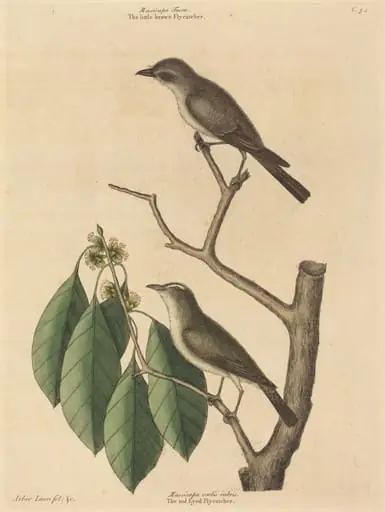 The Little Brown Flycatcher
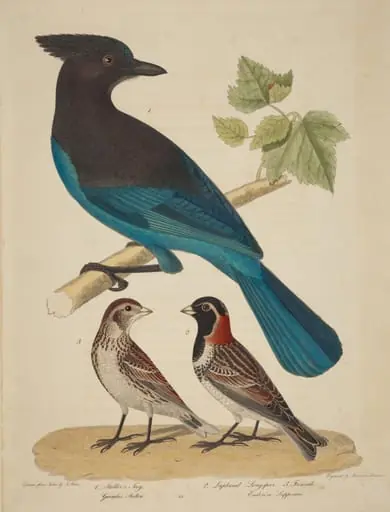 Stellar's Jay, Lapland Longspur and Female
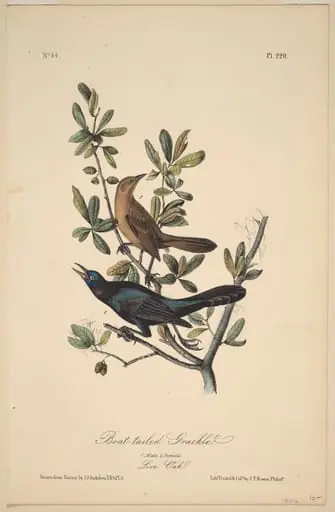 Boat-Tailed Grackle
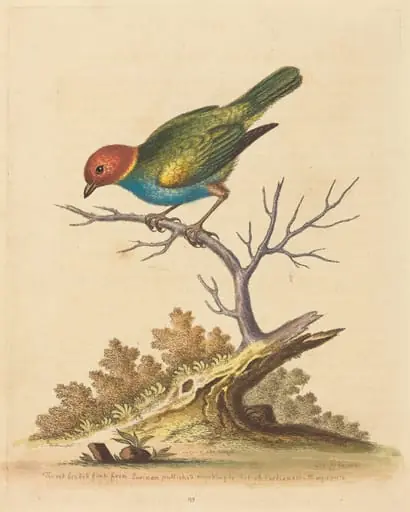 The Red-Headed Finch from Surinam
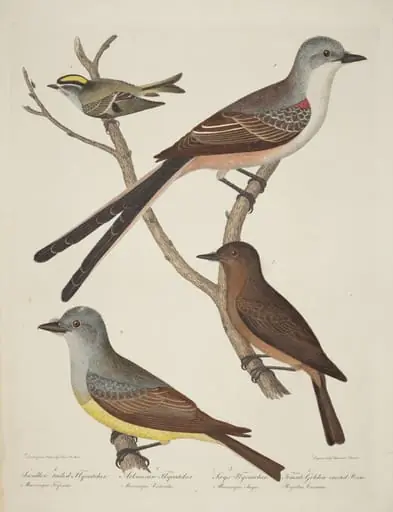 Swallow-tailed Flycatcher, Arkansas Flycatcher, Say's Flycatcher, and Female Golden-crested Wren
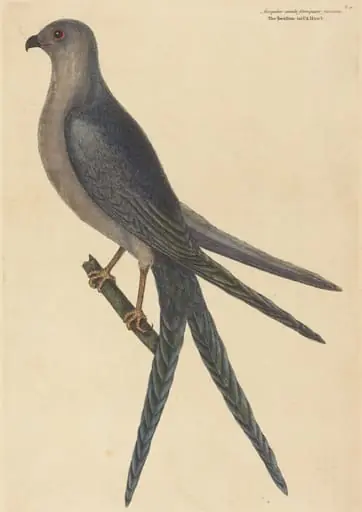 The Swallow Tail Hawk (Falco furcatus)
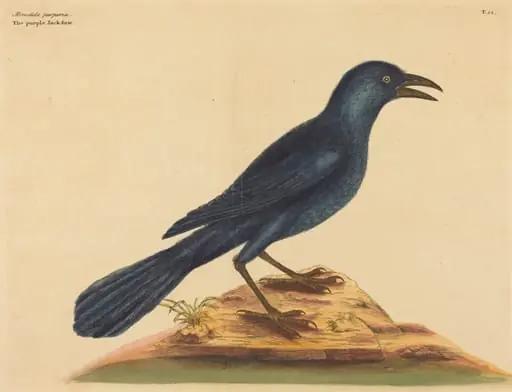 The Purple Jack Daw (Gracula Quiscula)
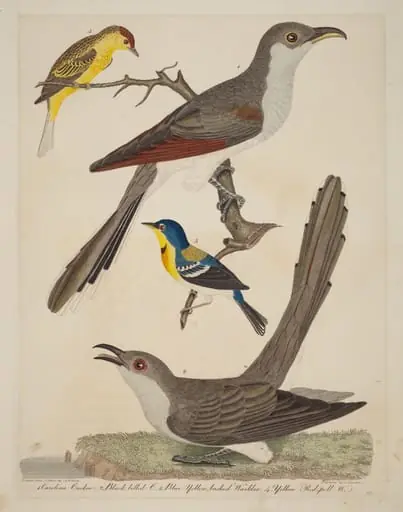 Carolina Cuckoo, Black-billed Cuckoo, Blue Yellow-backed Warbler, and Yellow Red-poll Warbler