Artwork
Franciscus de Mendoza
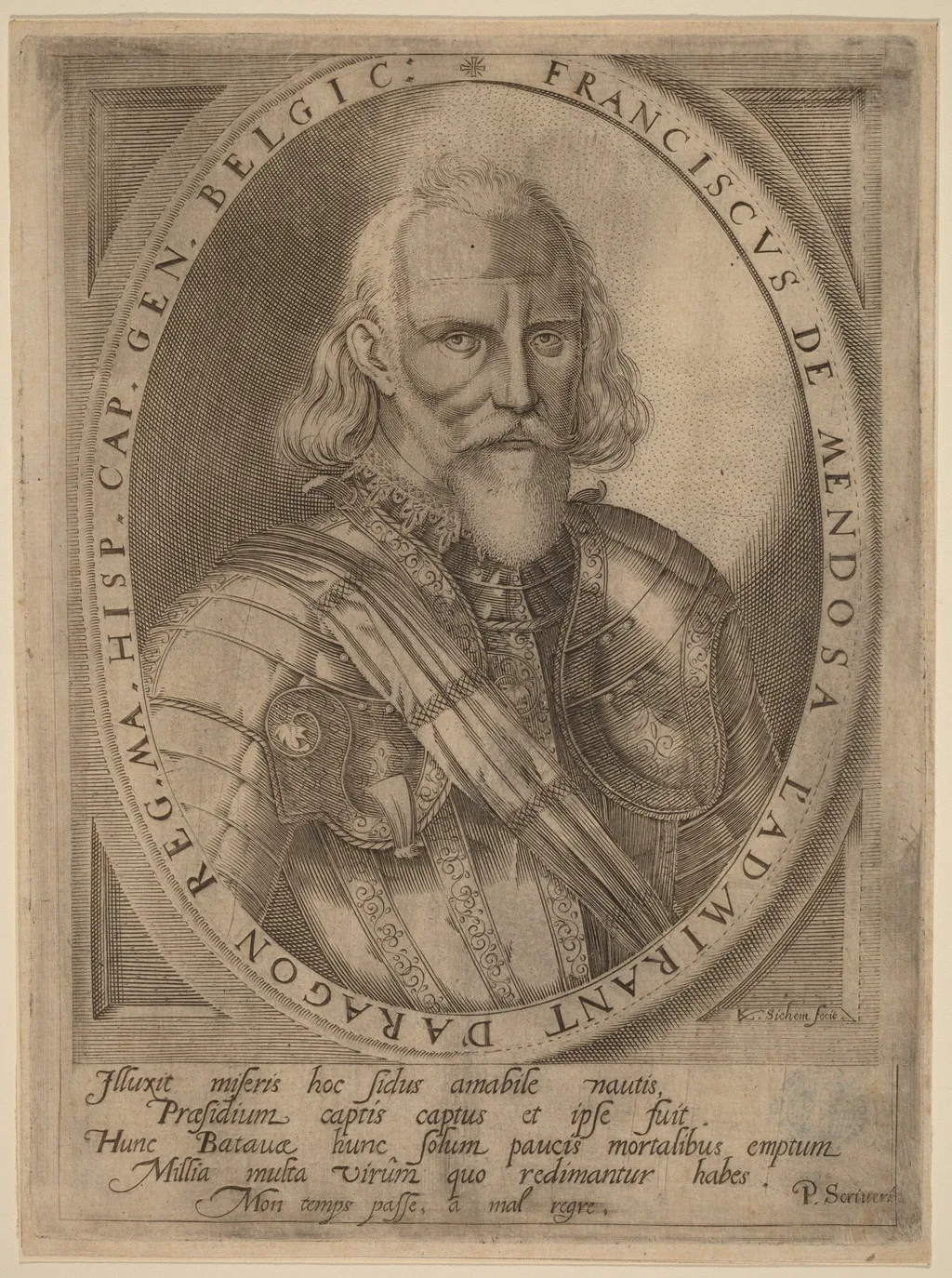
Franciscus de Mendoza is an ink print by the Baroque artist Karel van Sichem. It is held in the collection of the National Gallery of Art.
About this work
Overview
Created in 1626 by Karel van Sichem, this engraving depicts Franciscus de Mendoza, a nobleman of Spanish origin. Executed in black ink on paper, the work is a portrait rendered through fine, precise lines carved into a metal plate. The composition is tightly focused on the subject’s face and upper torso, set against a neutral background to emphasize the sitter’s presence and status.
Subject & Meaning
The ornate chain around his neck likely signifies a chivalric order or royal honor, while the ruffled collar reflects elite fashion of the early 17th century.
Franciscus de Mendoza is portrayed with solemn dignity, his thick beard and curled hair suggesting maturity and authority. The ornate chain around his neck likely signifies a chivalric order or royal honor, while the ruffled collar reflects elite fashion of the early 17th century. His name, inscribed in a decorative cartouche above, reinforces his identity and social standing, aligning the image with traditions of noble portraiture.
Technique & Style
Van Sichem employed fine cross-hatching and delicate line work to model volume and texture, particularly in the beard and fabric of the collar. The engraving’s tonal range is achieved through controlled ink density, not shading, relying on the precision of the burin tool. Latin inscriptions frame the image, a common feature in scholarly and aristocratic prints of the period, enhancing its formal character.
History & Provenance
The print was produced during a period when engraved portraits served as portable representations of nobility, often distributed among families or institutions. While specific early ownership records are sparse, its craftsmanship suggests it was commissioned or circulated within elite circles. The work remains a rare example of Dutch engraving focused on a Spanish noble figure, reflecting transnational cultural exchange.
Context
In early 17th-century Europe, engraved portraits were vital for disseminating images of the powerful before photography. Van Sichem, active in Amsterdam, worked within a tradition of Northern European printmaking that valued detail and realism. This piece aligns with broader trends in portraiture that linked visual representation to social identity, particularly among the aristocracy and military elite.
Legacy
Though not widely reproduced in modern collections, the engraving exemplifies the technical skill of Dutch printmakers in capturing likeness and status through line alone. It contributes to the historical record of Mendoza’s lineage and illustrates how print media functioned as a tool of social documentation, preserving the appearance and prestige of individuals in an era before mass reproduction.
Artist & collection


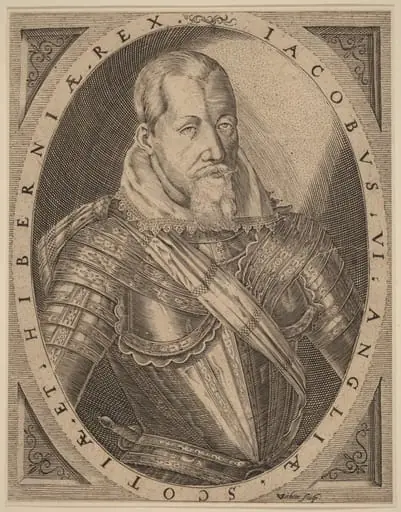 James I, King of Great Britain
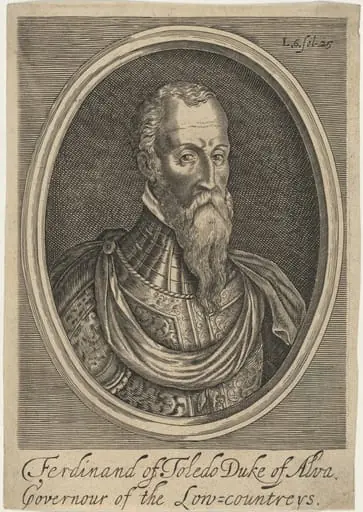 Fernando Alvarez de Toledo, Duke of Alva
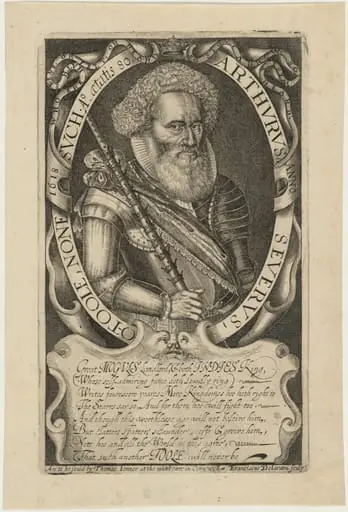 Arthur O'Toole
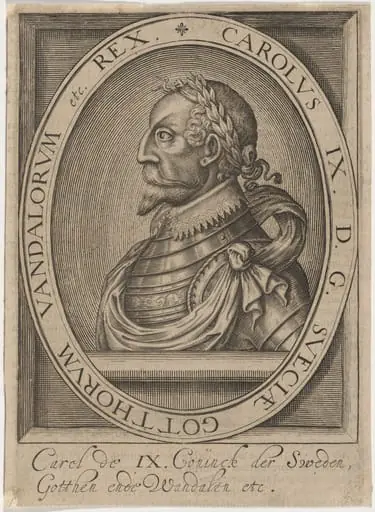 Charles IX, King of Sweden
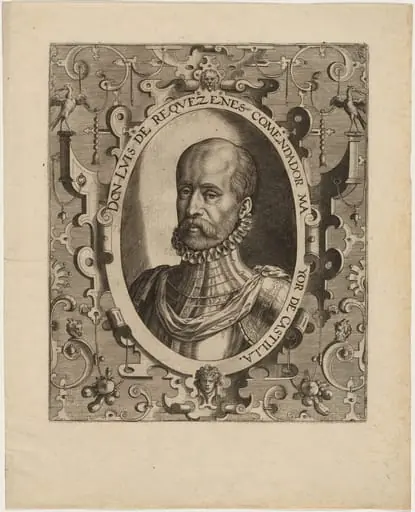 Don Luis de Requesens
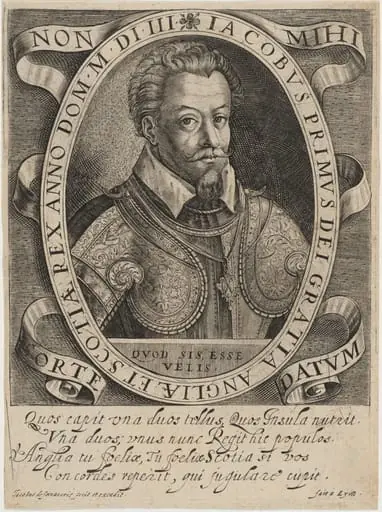 James I
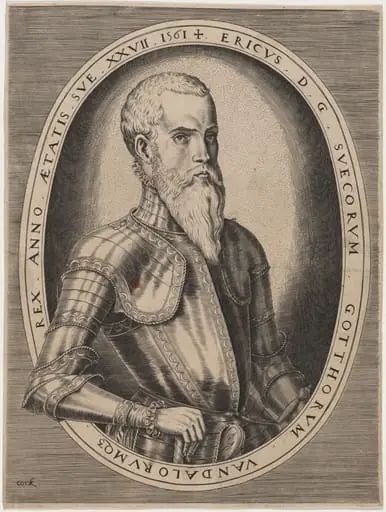 Eric XIV, King of Sweden
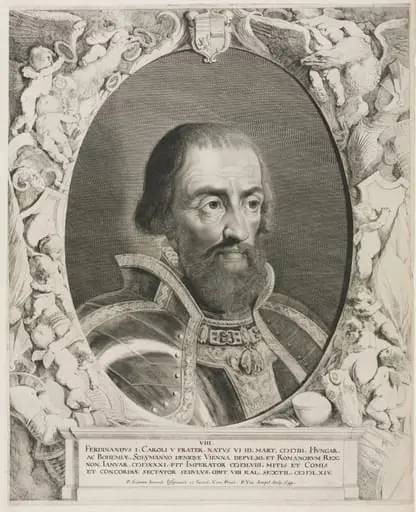 Portrait of Emperor Ferdinand I, from the series Imperatores Domus Austriacæ ...
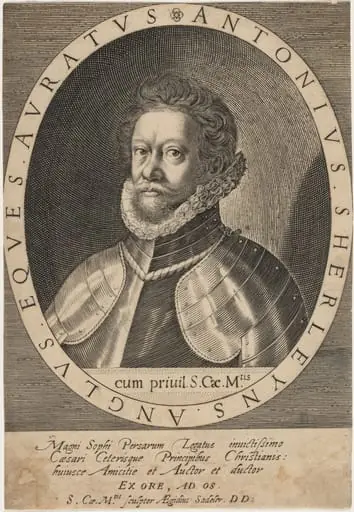 Sir Anthony Shirley
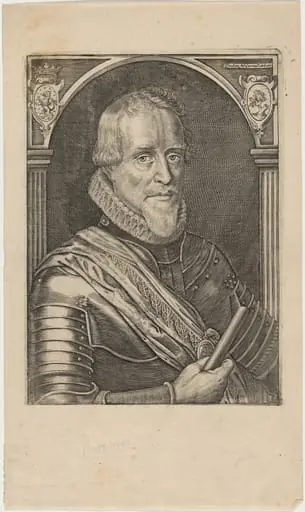 Maurice, Prince of Orange
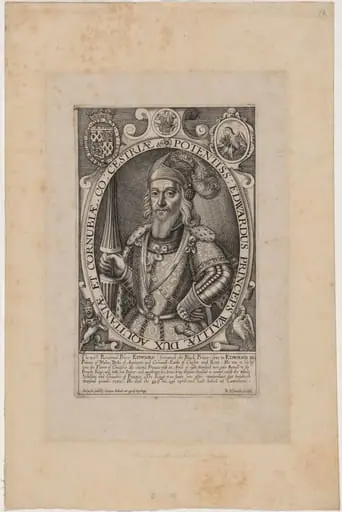 Edward, the Black Prince
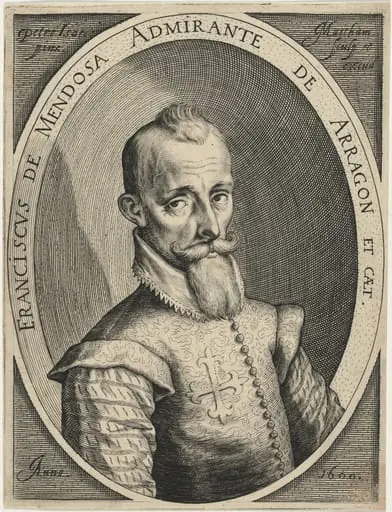 Franciscus de Mendosa