Artwork
Arthur O'Toole
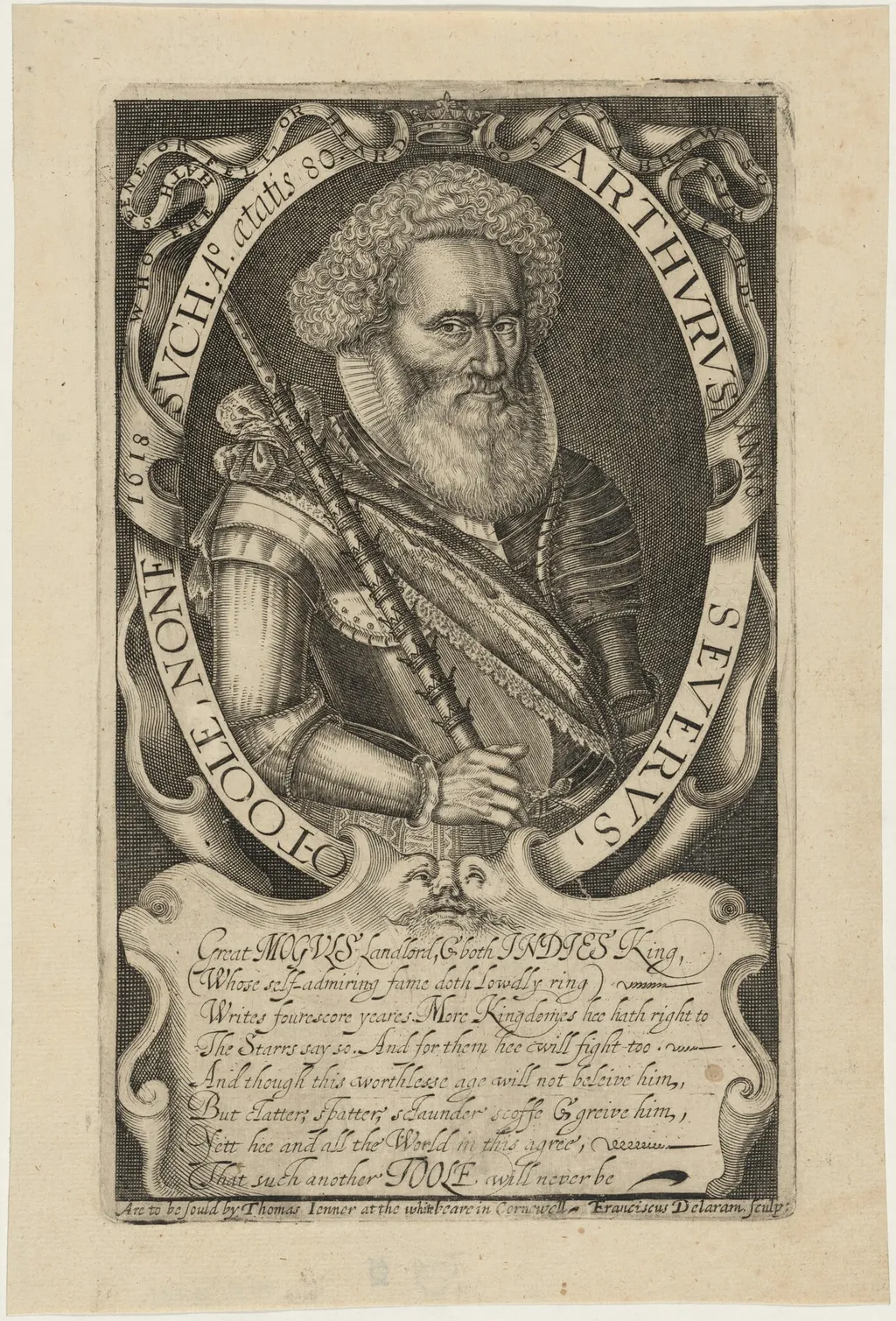
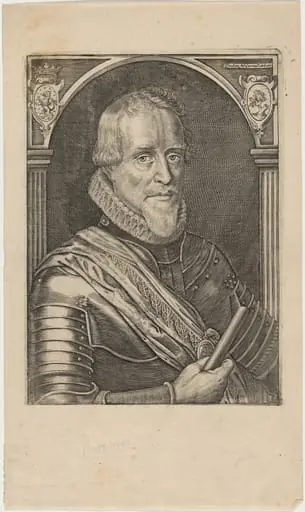
Arthur O'Toole is an ink print by the Baroque artist Francis Delaram. It dates from 1618 and is held in the collection of the National Gallery of Art.
About this work
Overview
Rendered in fine linear detail, the image is a monochrome print made through etching on metal, typical of early 17th-century English printmaking.
Francis Delaram’s 1618 engraving portrays Arthur O’Toole, a figure identified by inscriptions as a landlord of the Great Mogul’s lands. Rendered in fine linear detail, the image is a monochrome print made through etching on metal, typical of early 17th-century English printmaking. The composition centers on a bearded man in ornate armor, surrounded by decorative motifs including cherubs and textual panels that frame his identity and status.
Subject & Meaning
Arthur O’Toole is depicted as a man of authority, clad in elaborate armor and holding a scroll while resting a hand on a shield. The inscriptions label him as landlord to the Great Mogul’s territories, suggesting a role in colonial or mercantile administration. The inclusion of musical cherubs and heraldic elements elevates his image, blending personal identity with symbolic associations of power, culture, and imperial connection.
Technique & Style
Delaram employed fine, precise etched lines to model form and texture, particularly in the armor’s surface and the ruff collar. The background, in contrast, is rendered with looser, less refined strokes, revealing a disparity in execution. His technique reflects Flemish influences, evident in the detailed rendering of metallic surfaces and the use of cross-hatching for shadow, though the overall composition lacks the spatial coherence of more accomplished works.
History & Provenance
Francis Delaram, active between 1615 and 1624, was an English engraver likely trained by Cornelis Boel. This portrait is one of several he produced during a period when engraved portraiture served as a medium for documenting social status. The work’s survival suggests it was circulated among collectors or used in printed collections, though its original commission and intended audience remain undocumented.
Context
In early 17th-century England, engraved portraits of individuals connected to overseas ventures—such as trade with the Mughal Empire—were rare but growing in number. O’Toole’s depiction as a landlord under the Great Mogul reflects the expanding reach of English commercial interests in India. The image merges European heraldic conventions with exotic references, illustrating how distant imperial roles were visually legitimized at home.
Legacy
Delaram’s engraving of O’Toole stands as a modest example of early Jacobean print culture, illustrating the intersection of personal identity and imperial enterprise. While not widely reproduced or studied, it contributes to the understanding of how English artists documented figures linked to global trade networks, preserving their likenesses through a medium that preceded photographic reproduction.
Artist & collection
Artist
Francis Delaram (born around 1590, fl. 1615–1624 or 1627), was an English engraver. Delaram left a substantial collection of engraved portraits, landscapes and book illustrations (specifically, William Camden's…

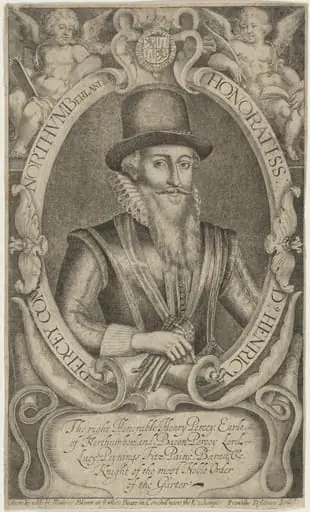 Henricus Percye (Henry Percy, Ninth Earl of Northumberland)
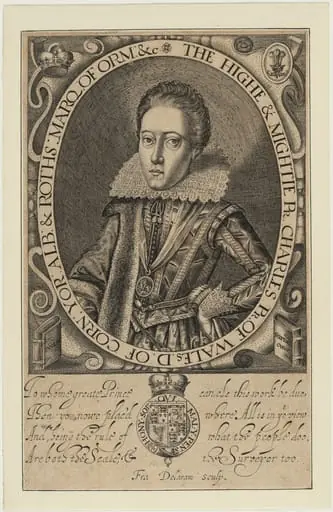 Charles I, as Prince of Wales
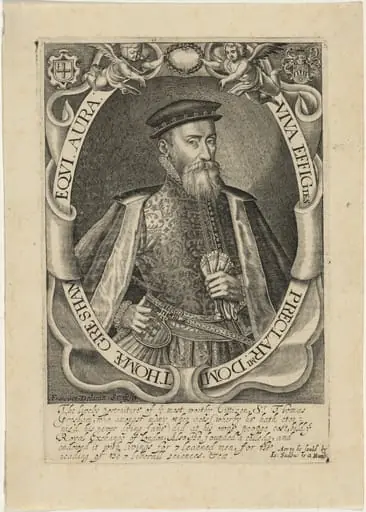 Sir Thomas Grisham
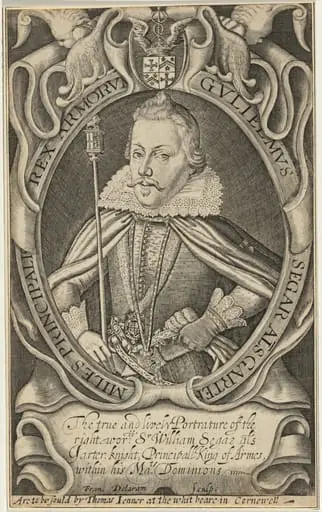 Guliemus Segar (Sir William Segar)
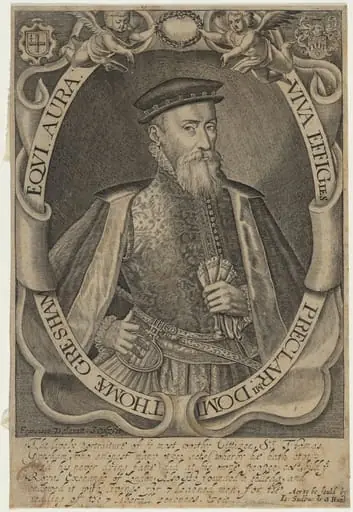 Thomae Gresham Equi. Aura (Sir Thomas Gresham)
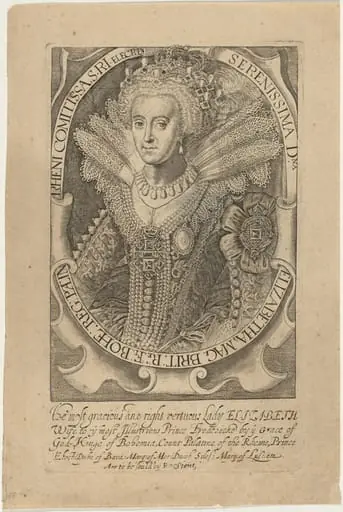 Elizabeth, Queen of Bohemia
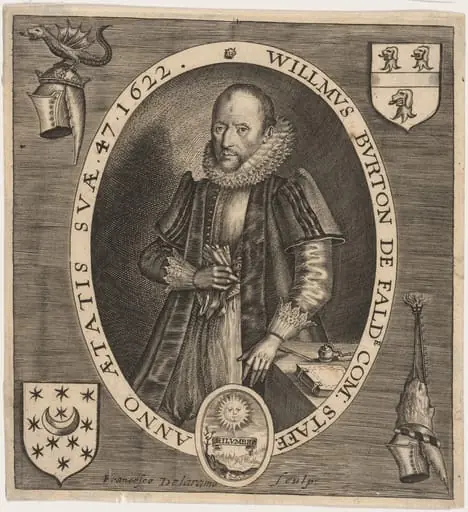 Willmus Burton de Falde (William Burton)
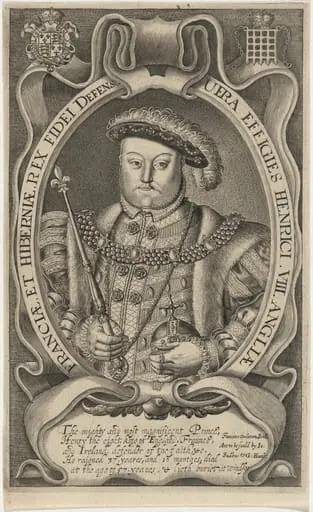 Henrici VIII Angliae, Franciae et Hiberniam Rex (King Henry VIII)
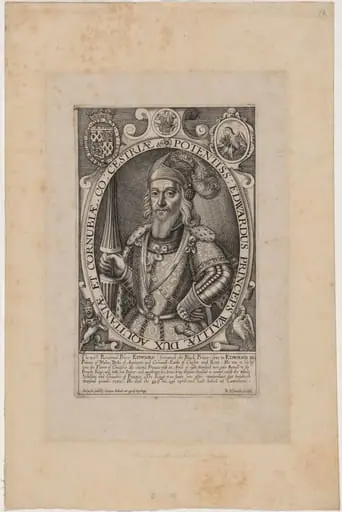 Edward, the Black Prince
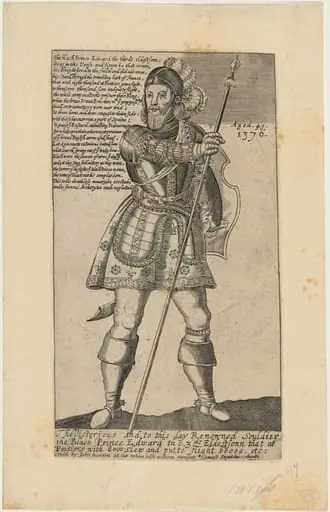 Edward, the Black Prince at the Age of 49
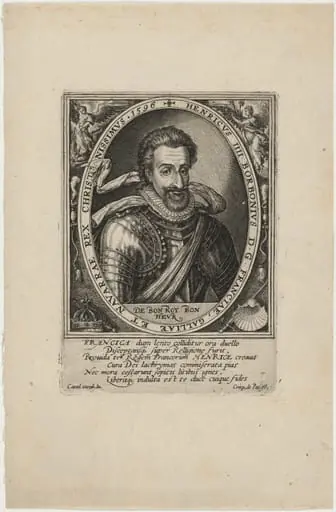 Henry IV, King of France
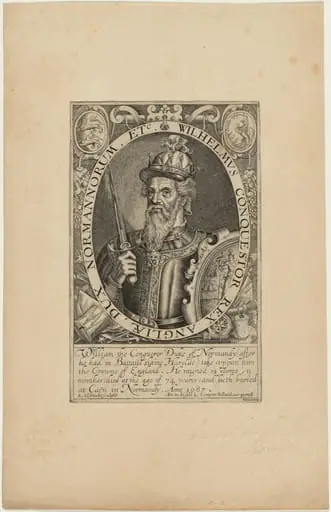 William I of England
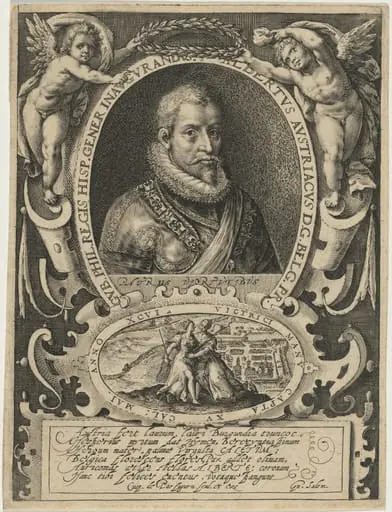 Albert of Austria, Archduke
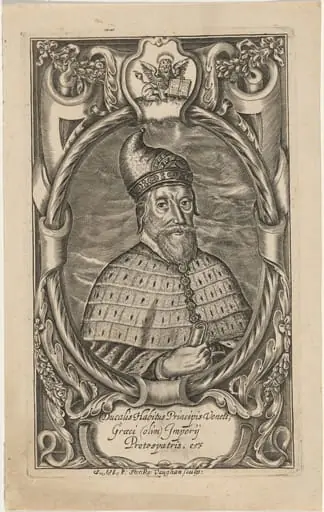 A Doge of Venice
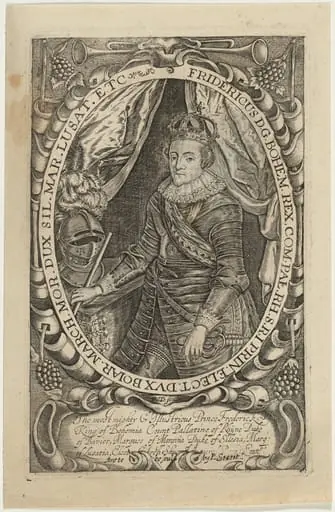 Fredericus D.G. Bohem. Rex (Frederick V, Kingof Bohemia)
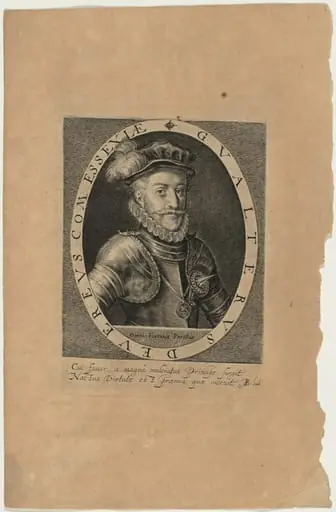 Walter Devereux, First Earl of Essex
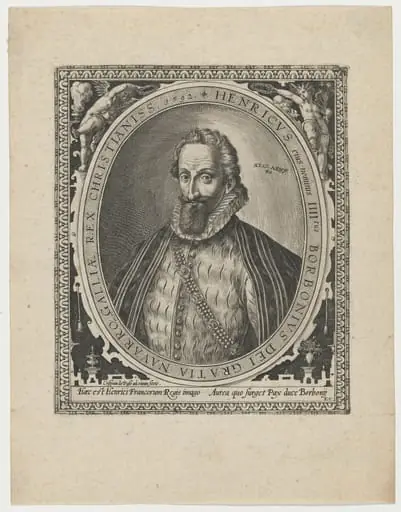 Henry IV, King of France
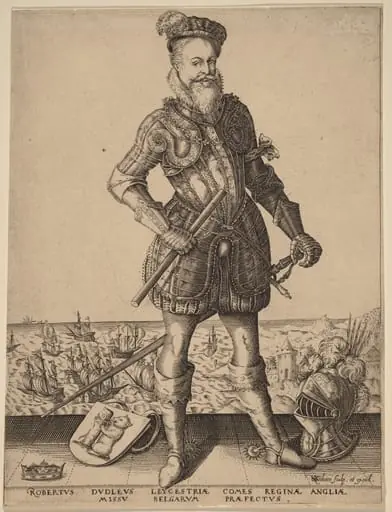 Robert Dudley, Earl of Leicester
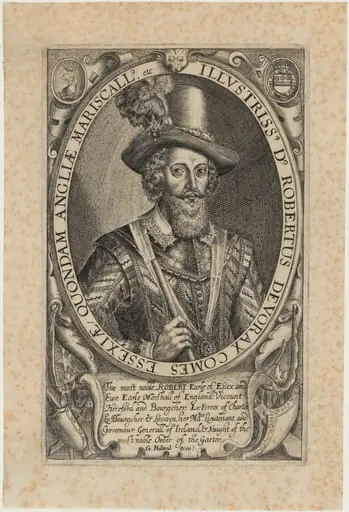 Robert Devereux, Second Earl of Essex
 Maurice, Prince of Orange