Artwork
Franciscus de Mendosa
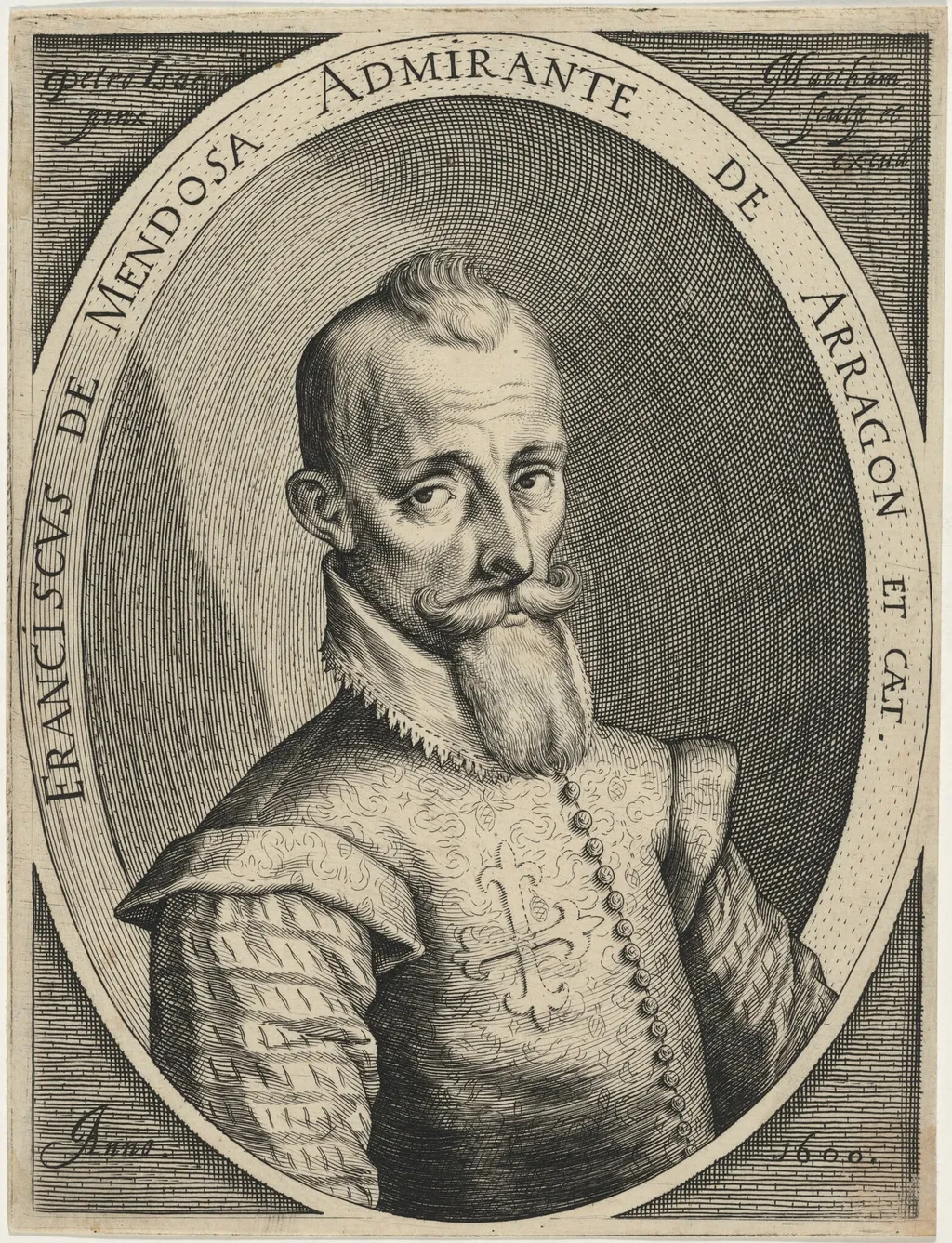
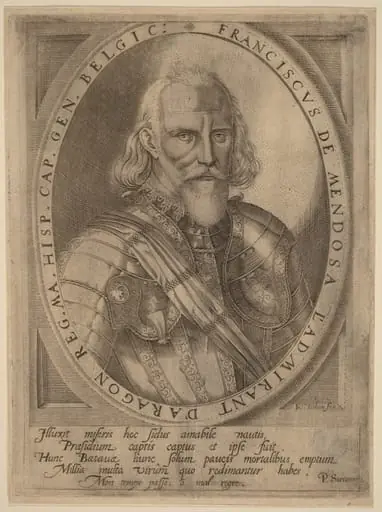
Franciscus de Mendosa is an ink print by the Baroque artist Jacob Matham. It dates from 1600 and is held in the collection of the National Gallery of Art.
About this work
Overview
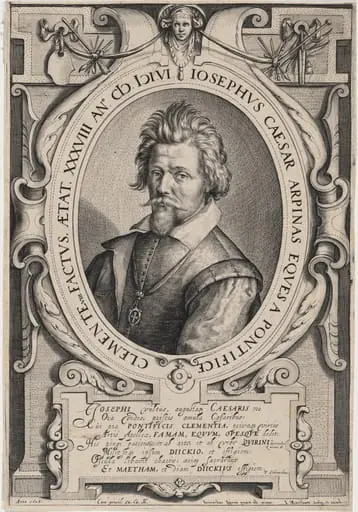
Jacob Matham’s 1600 engraving presents a bearded gentleman framed within a circular border. The figure is dressed in a ruffled collar, his visage filling the space against a plain background that is punctuated only by inscriptions identifying the sitter. Executed entirely in black and white, the print relies on precise line work to convey form and depth.
Subject & Meaning
The inscription on the margin names the sitter as Francisco de Mendosa, styled as "Admirante de Aragón," indicating his high naval rank within the Crown of Aragon. The portrait’s focus on facial features and attire underscores his status, while the absence of elaborate scenery directs attention to his personal authority and identity.
Technique & Style
Matham employs fine, intersecting lines to model the texture of the subject’s beard and the folds of his clothing, creating subtle tonal variations without the use of wash. The crisp, linear quality is characteristic of early 17th‑century Dutch engraving, where meticulous hatching renders shadows and surface detail.
History & Provenance
Created at the turn of the 17th century, the print reflects Matham’s collaboration with prominent portraitists of his time. While specific ownership records are scarce, the work has been catalogued among Matham’s series of engraved likenesses of notable Iberian figures, suggesting it circulated among collectors interested in Spanish and Aragonese elites.
Context
The portrait emerges from a period when printed portraiture served both commemorative and propagandistic functions, disseminating images of political and military leaders across Europe. Engravings like this allowed a wider audience to recognize and acknowledge the stature of figures such as the Admiral of Aragon.
Artist & collection


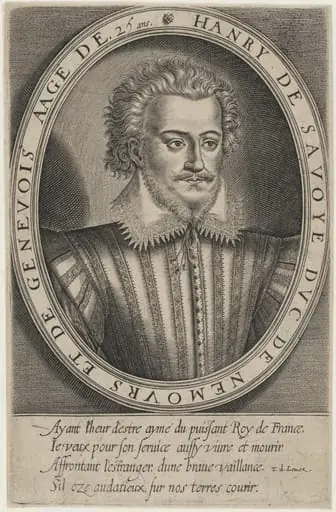 Henry, Duke of Savoy, Nemours and Geneva
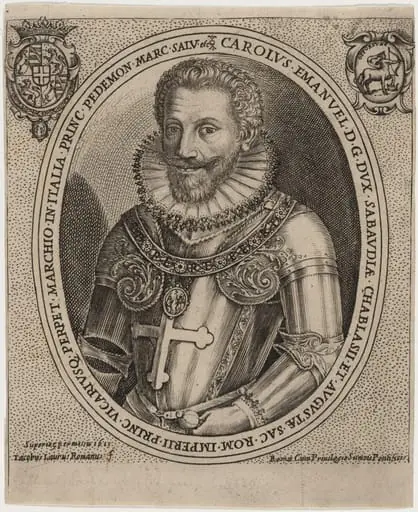 Charles Emmanuel I, Prince of Piedmont
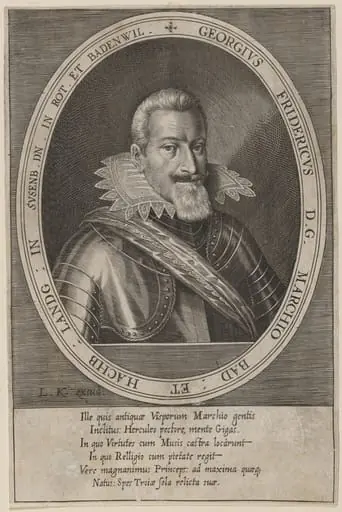 George Frederick, Margrave of Baden
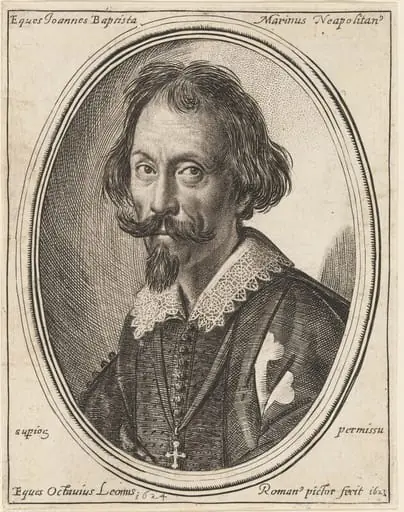 Giovanni Marino
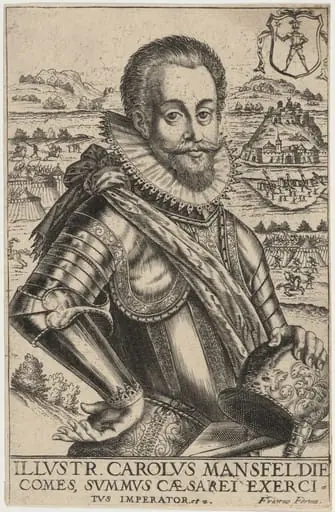 Charles von Mansfeld
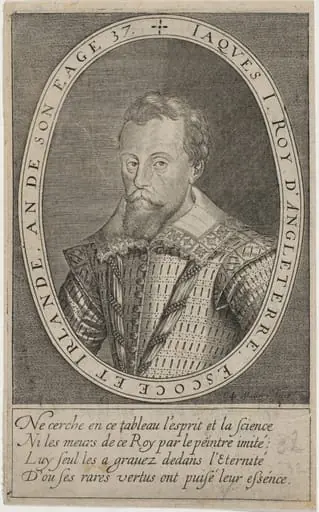 James I
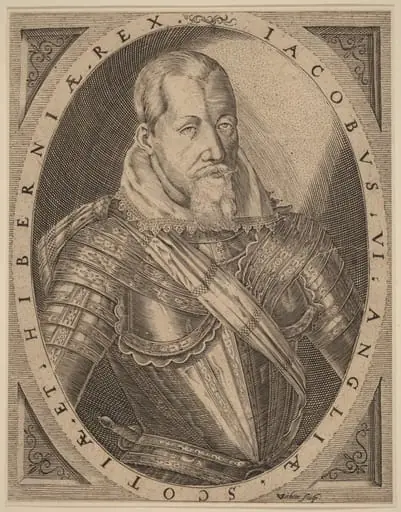 James I, King of Great Britain
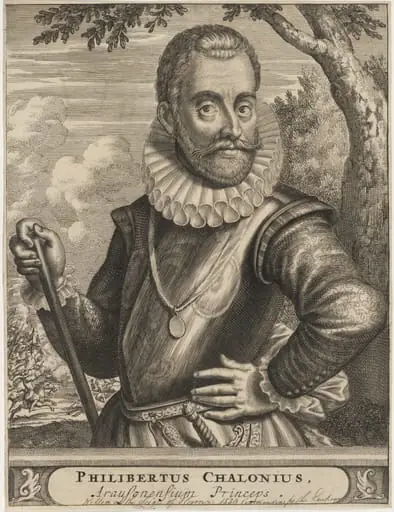 Philibert, Prince of Orange
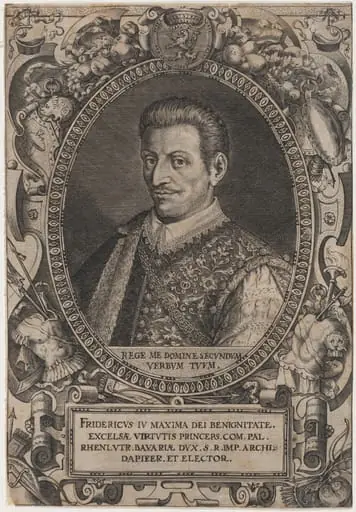 Frederick IV, Elector Palatine
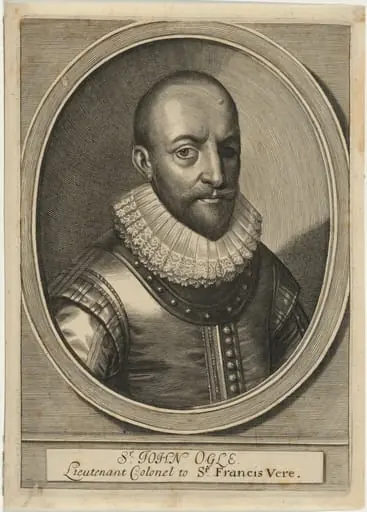 Sir John Ogle
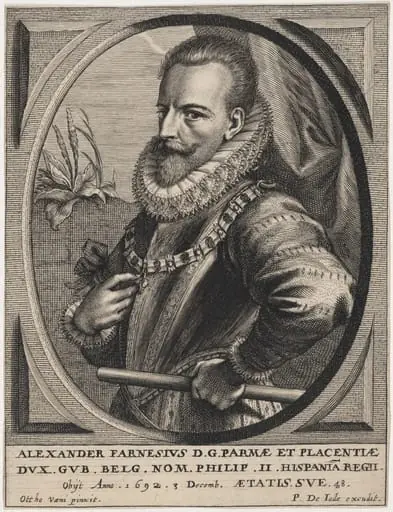 Alexander Farnese, Duke of Parma
 Franciscus de Mendoza