Artwork
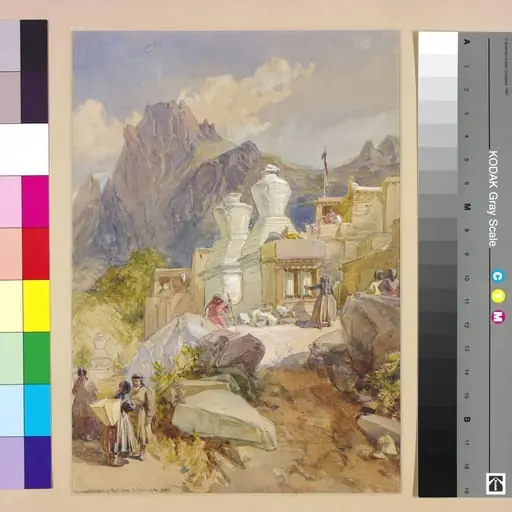
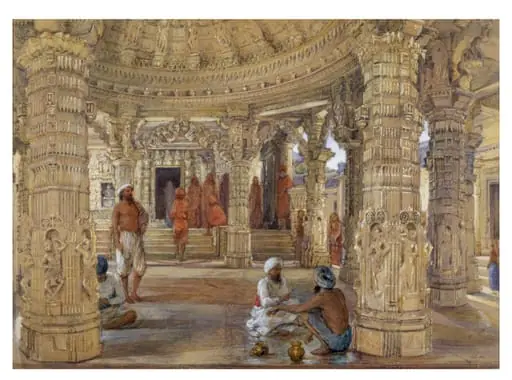
Worship of the Devi at Kothi, near Chini
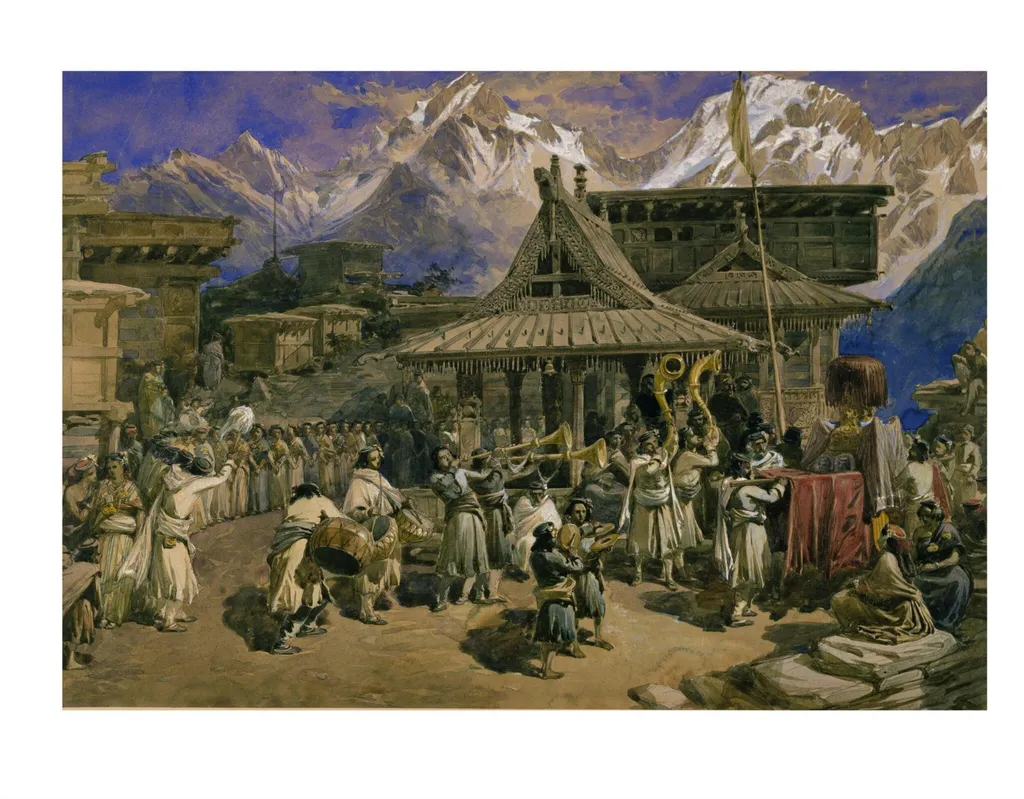
Worship of the Devi at Kothi, near Chini is a paint painting by the Impressionist artist William Simpson. It dates from 1860 and is held in the collection of the Victoria and Albert Museum.
About this work
In 1860, William Simpson painted a scene from India called *Worship of the Devi at Kothi, near Chini*. The work mixes two styles: Impressionism and Realism.
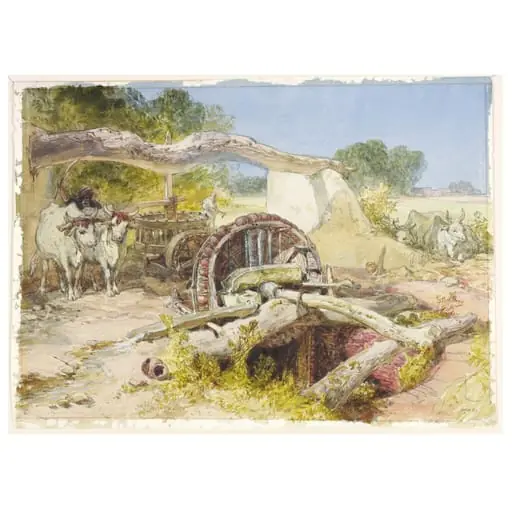
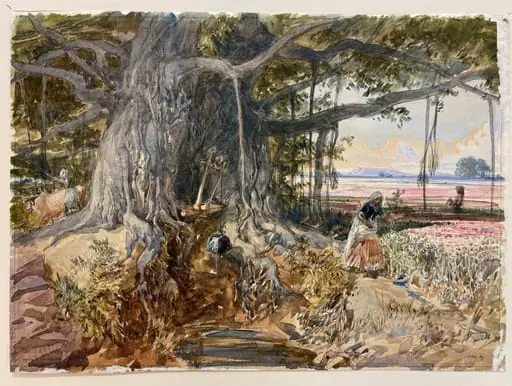
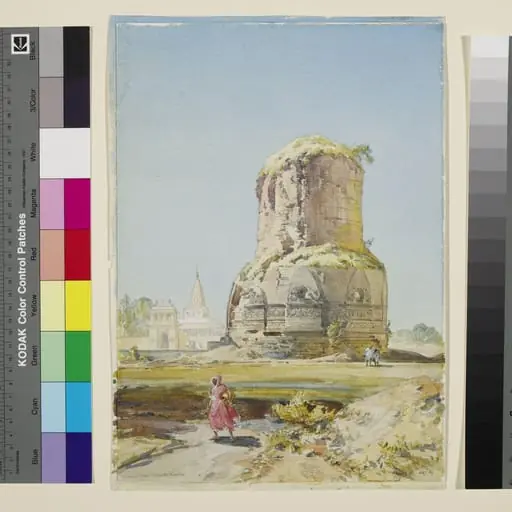
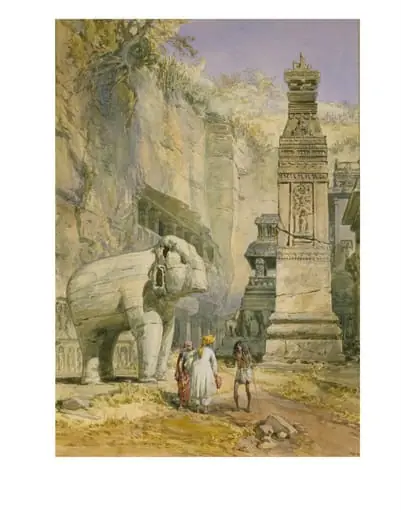
Simpson spent years in India after a book project took him there in 1859. He sketched quickly, then turned the drawings into watercolors back in London.
Check out more of Simpson’s India sketches at the Victoria and Albert Museum.
Overview
This watercolor painting, 'Worship of the Devi at Kothi, near Chini', was created by William Simpson in 1860. It depicts a scene from India, showcasing the artist's documentation of Indian life during his travels.
Subject & Meaning
The painting shows devotees worshipping the goddess Devi at Kothi, near Chini (now Kalpa) in present-day Himachal Pradesh. Villagers are gathered outside a temple, capturing a moment of religious devotion.
Technique & Style
Simpson's work blends elements of Impressionism and Realism. He initially made rapid pencil drawings, often with color washes, which he later developed into finished watercolors in London.
History & Provenance
The painting was part of a collection of 250 watercolors Simpson created for a book project commissioned by Day and Sons in 1859. The project was abandoned due to the firm's financial difficulties, and the watercolors were eventually sold off.
Own this work as a print
Artist & collection
Artist
William Simpson drew what he saw during the Crimean War in the 1850s, including sketches of battles and camps in Crimea and Constantinople.