Artwork
Shah Hamadan's Mosque
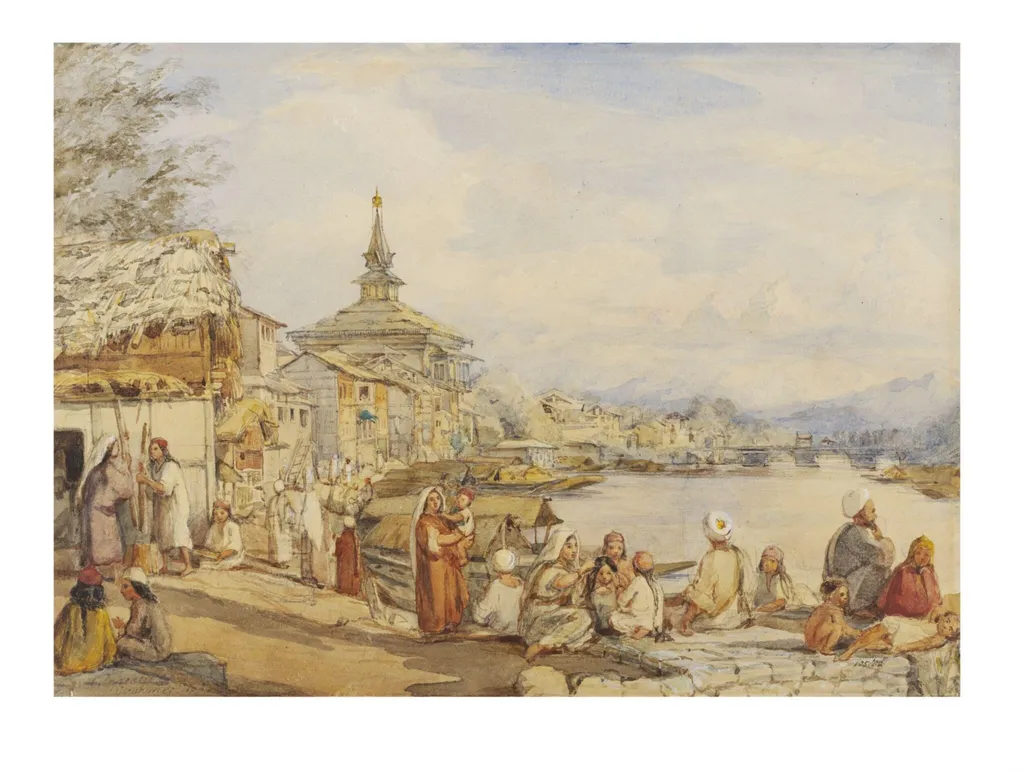
Shah Hamadan's Mosque is a paint painting by the Impressionist artist William Carpenter. It dates from 1854 and is held in the collection of the Victoria and Albert Museum.
About this work
William Carpenter painted *Shah Hamadan's Mosque* in 1854 during his stay in Kashmir.
William Carpenter painted *Shah Hamadan's Mosque* in 1854 during his stay in Kashmir. He spent years in India, sketching street scenes and architecture with warm colors. His work blends Impressionism and Realism.
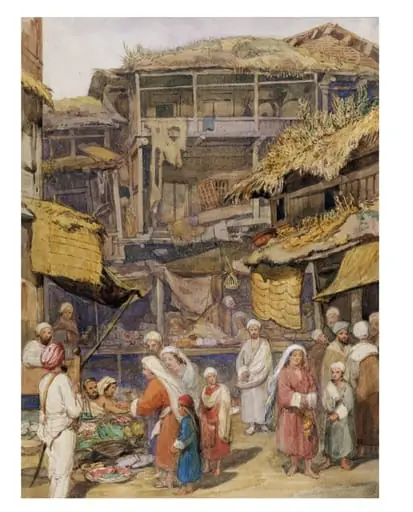
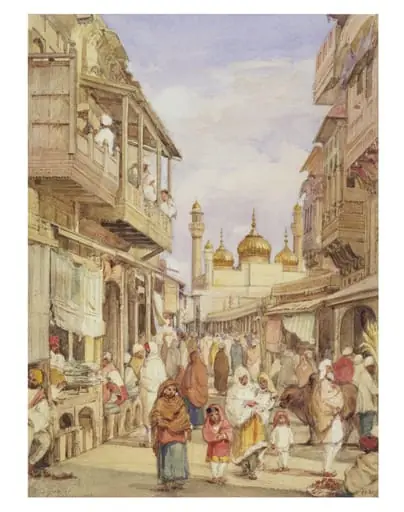
The painting shows a calm snapshot of daily life near the mosque. Carpenter’s style captures light and atmosphere in a gentle way.
Take a look at the Victoria and Albert Museum to see more of his work.
Overview
Shah Hamadan's Mosque is a watercolour painting created by William Carpenter in 1854, depicting a serene scene of daily life near the mosque in Kashmir.
Subject & Meaning
The painting captures a tranquil moment in the life of the community around Shah Hamadan's Mosque, conveying the artist's observation of everyday Indian and Kashmiri life during the 19th century.
Technique & Style
Carpenter's blend of Impressionism and Realism is evident in the warm colour palette and gentle capture of light and atmosphere, characteristic of his work from this period.
History & Provenance
Part of a collection of over 70 Kashmir-themed paintings by Carpenter, this work was later acquired by the Victoria and Albert Museum (V&A) after his 1881 one-man show in London.
Context
Created during Carpenter's travels in India (1850-1856), the painting reflects his extensive documentation of architectural monuments, street scenes, and local life across western India and Kashmir.
Own this work as a print
Artist & collection
Artist
William Carpenter (1818–1899) was an English watercolour artist. He travelled for six or seven years in the 1850s painting scenes of India, its people and its life. The Victoria and Albert Museum bought over 280 of his…

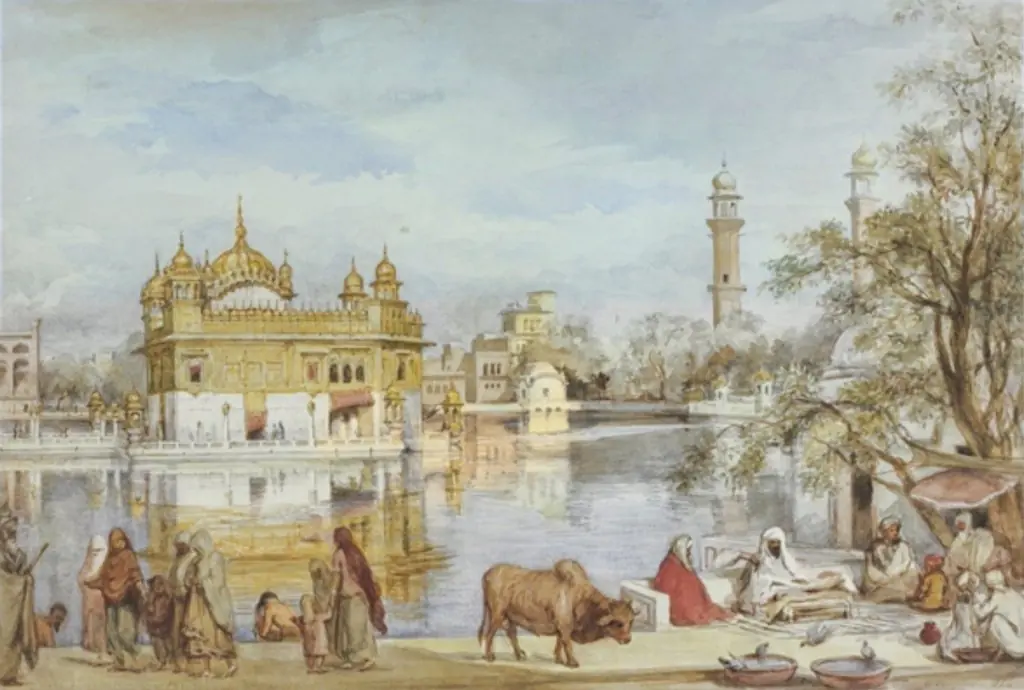 The Golden Temple, Amritsar
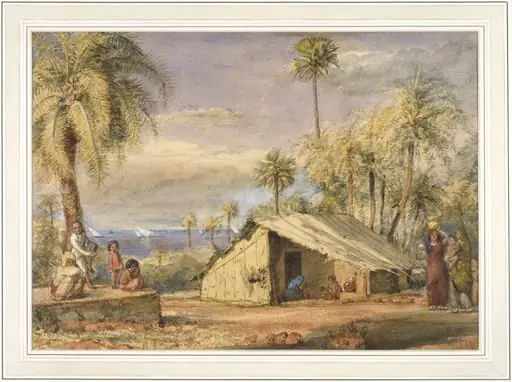 Toddywallah's hut in a grove of date palms near Breach Candy, Bombay
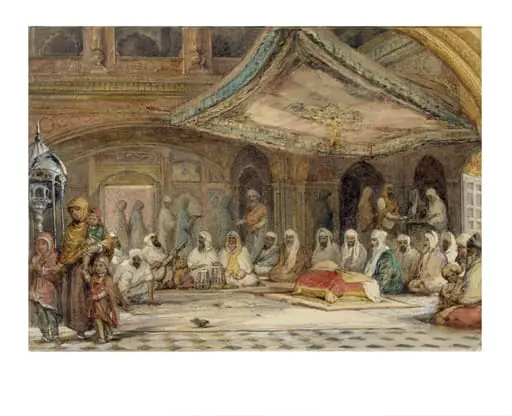
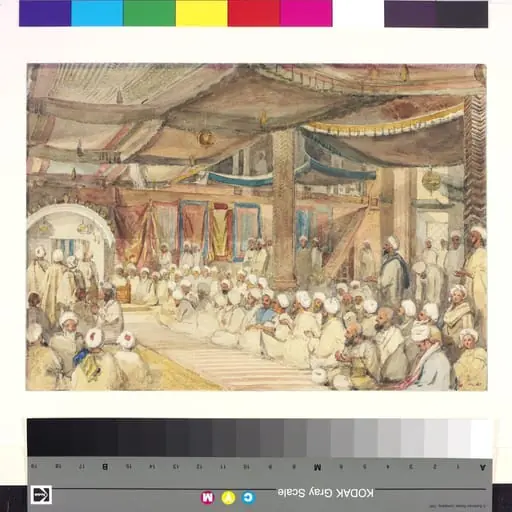 Interior of Shah Hamadan's Masjid during a religious ceremony
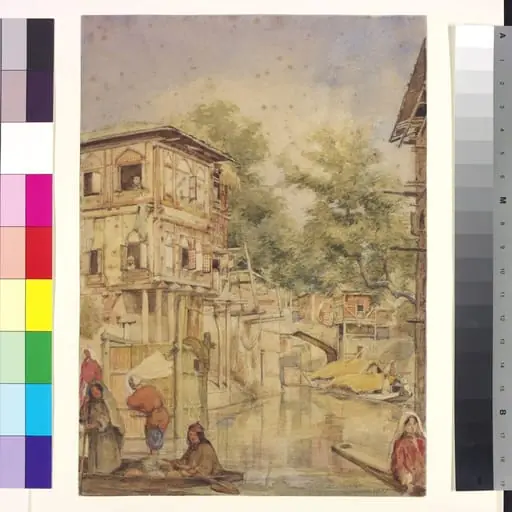 On the Mar Canal at Srinagar, Kashmir
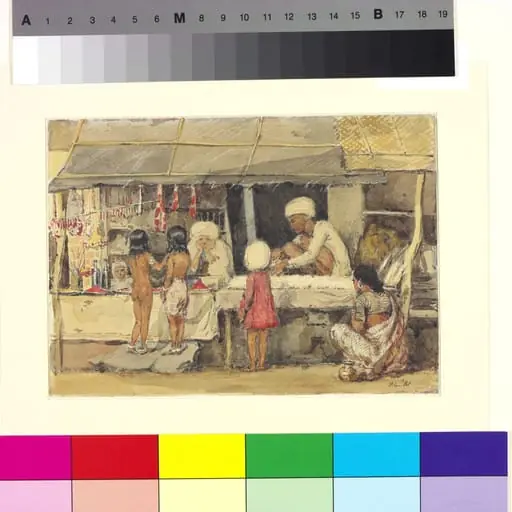 Shops for colours and flowers used at festivals, Sadr bazaar, Pune
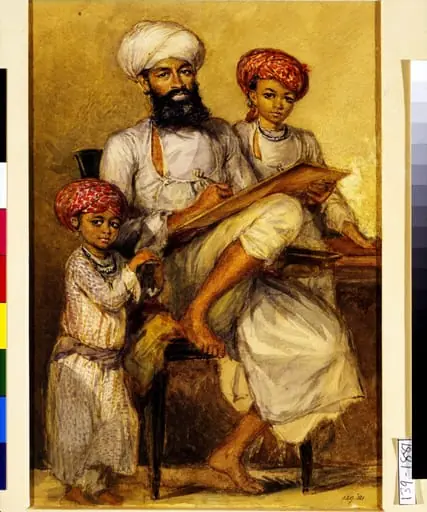 Portrait of Tara Chand, the court painter
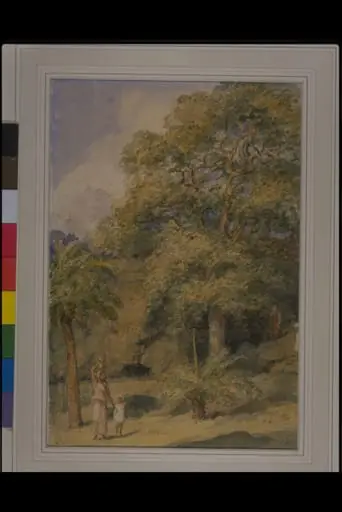 Study of a tamarind tree and date palms near Sir William Yardley's house at Breach Candy, Bombay
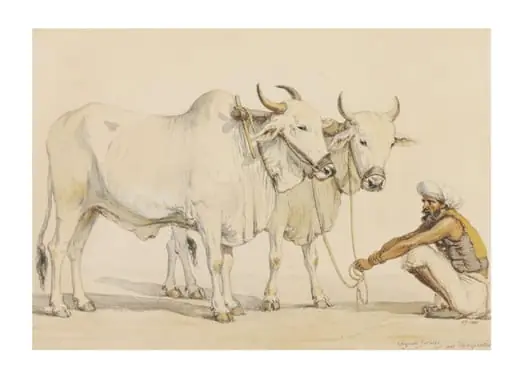 Two harnessed bullocks from Gujarat with their keeper