Artwork
Design for an illusionistic panel in the Great Hall at Blenheim Palace
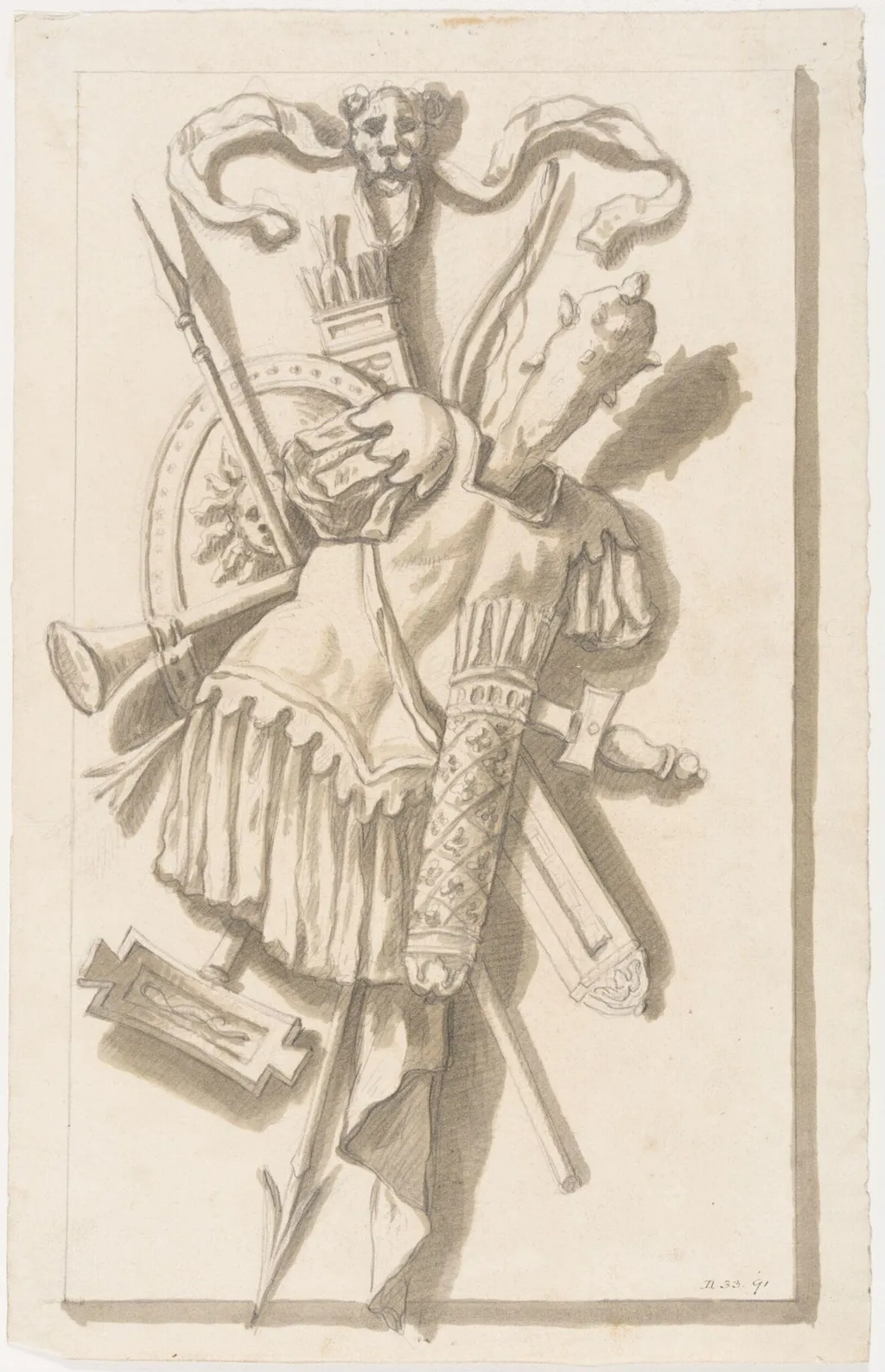
Design for an illusionistic panel in the Great Hall at Blenheim Palace is a drawing by the Baroque artist James Thornhill. It dates from 1716 and is held in the collection of the Victoria and Albert Museum. The drawing serves as a preparatory design for one of several illusionistic wall panels intended for the Great Hall of Blenheim Palace.
About this work
Overview
The drawing serves as a preparatory design for one of several illusionistic wall panels intended for the Great Hall of Blenheim Palace. The panels were conceived to present a decorative program that celebrates the military achievements of the palace’s original patron, John Churchill, the first Duke of Marlborough.
Subject & Meaning
Each panel in the series depicts elements of martial equipment, reinforcing the Duke’s reputation as a victorious commander. By integrating symbols of warfare into the hall’s interior, the design underscores the connection between the estate’s grandeur and the Duke’s celebrated campaigns.
Technique & Style
Artist Sir James Thornhill employed a loose pencil sketch to define the overall composition, using wash to suggest depth and three‑dimensional form. This combination of line and tonal shading highlights the intended illusionistic effect of the finished panel on the wall.
History & Provenance
The drawing originates from the early 18th‑century decorative program commissioned for Blenheim Palace. It remains part of the estate’s archival material, documenting Thornhill’s role in translating the Duke’s martial narrative into a visual scheme for the Great Hall.
Artist & collection
Artist
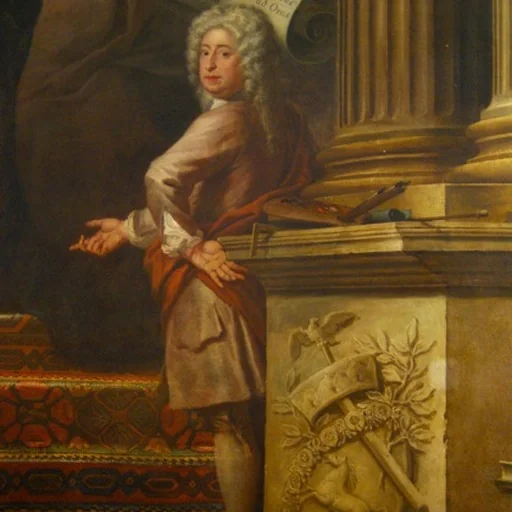
Sir James Thornhill was an English painter of historical subjects working in the Italian baroque tradition.

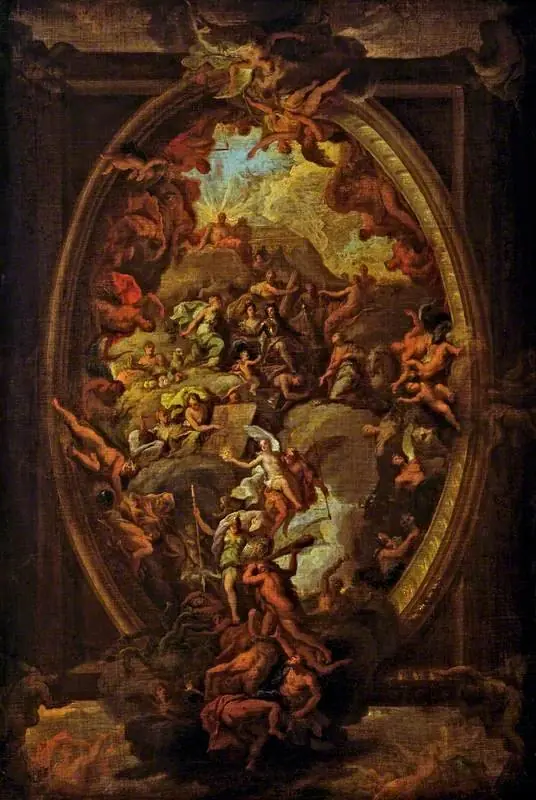 William and Mary Presenting the Cap of Liberty to Europe (sketch for the painted ceiling of the Great Hall, Greenwich Hospital)
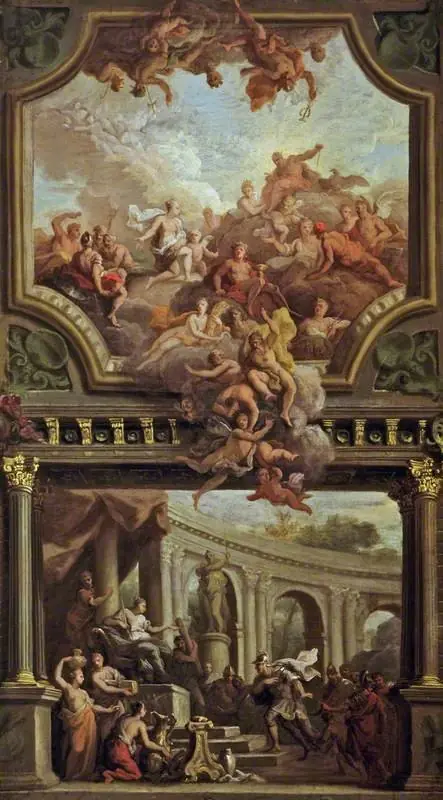 Aeneas before Dido, and Venus Supplicating Jupiter (sketch for a wall and ceiling decoration)
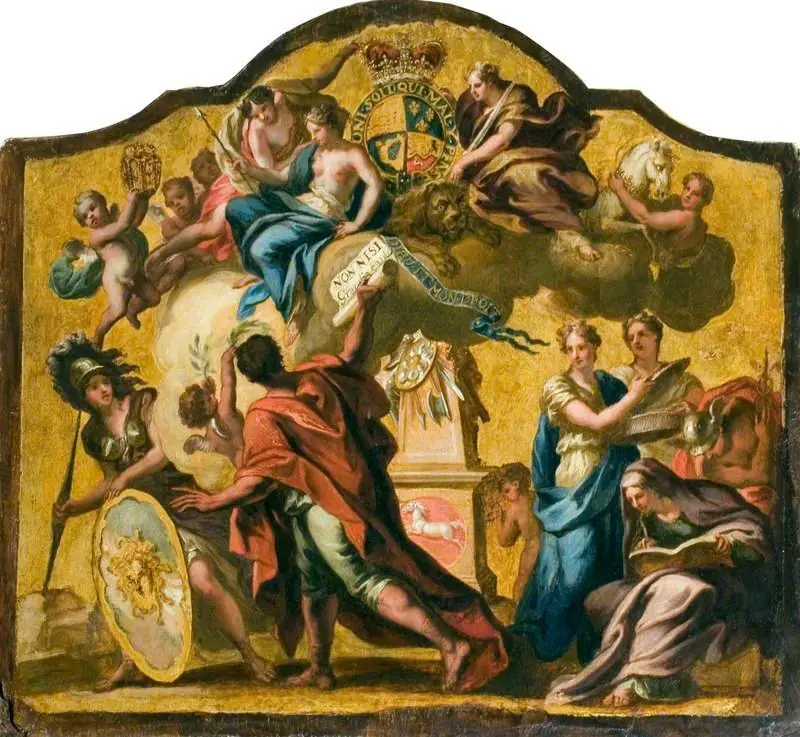 Allegorical Figures: Clemency, Prudence and Justice with Pallas, Heroic Poetry, Liberty, Discretion, History and Mercury (from the Royal State Coach for George I)
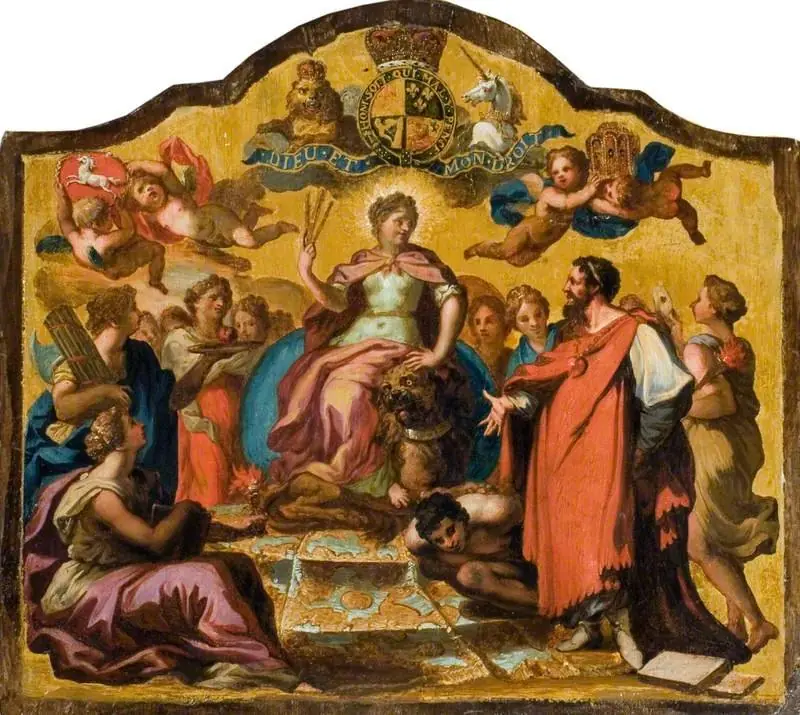 Allegorical Figures: Britannia Enthroned, Surrounded by Concord, Learning and Religion Overcoming Vice (from the Royal State Coach for George I)
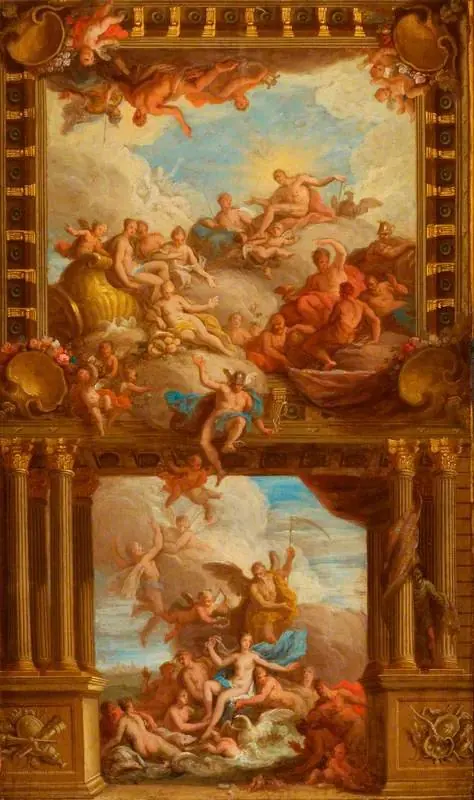 The Birth of Venus, and the Gods of Olympus (sketch for a wall and ceiling decoration)
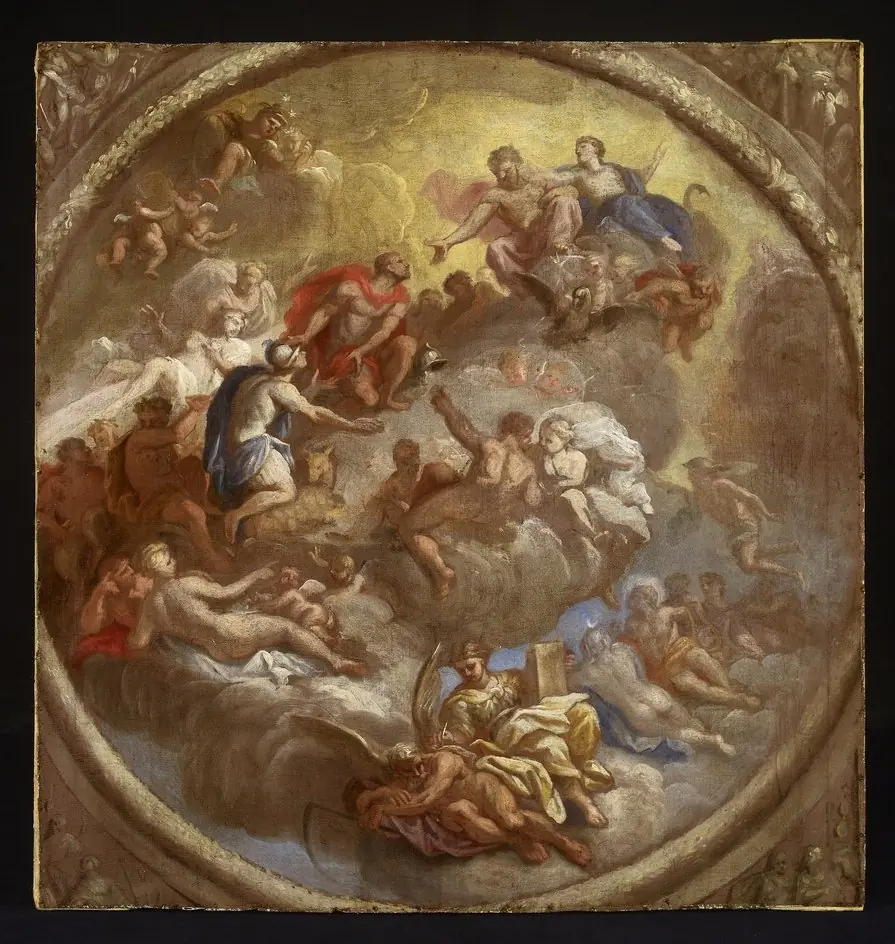 Sketch for a Ceiling Design
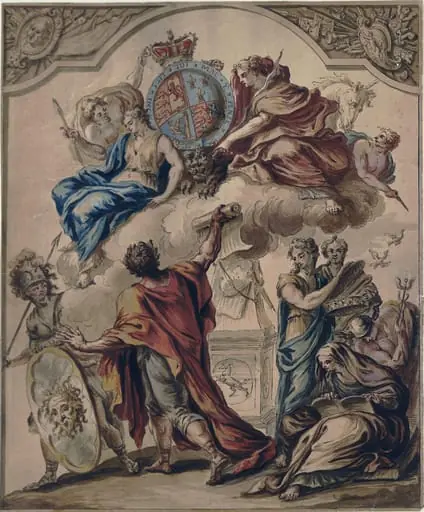 Allegorical design with figures: Clemency, Prudence and Justice with Pallas, Heroic Poetry, Liberty, Discretion, History and Mercury (preliminary design for a panel from Royal State Coach for George I)
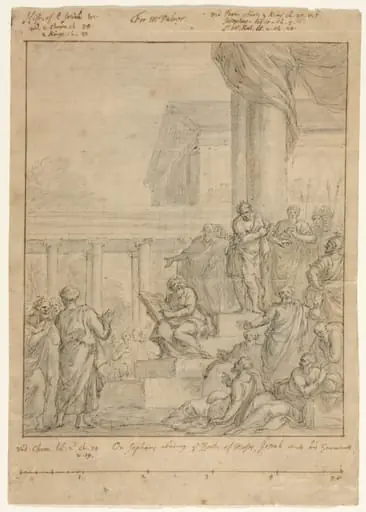 Study for King Josiah Rending his Garments
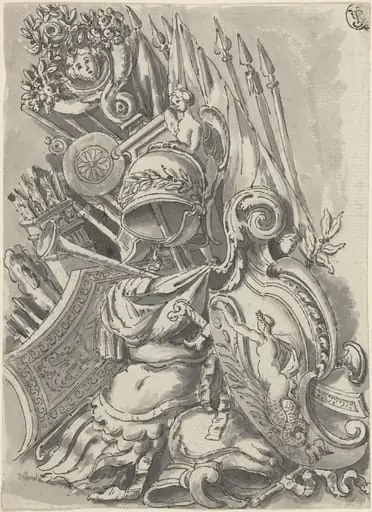 A Trophy of Arms
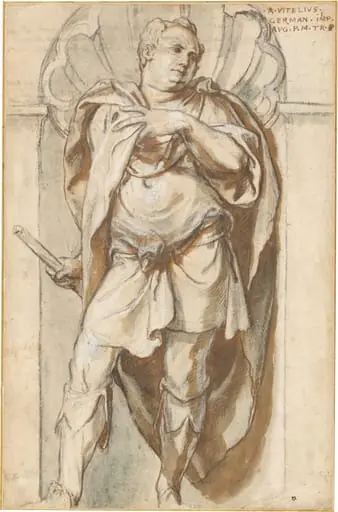 The Emperor Aulus Vitellius
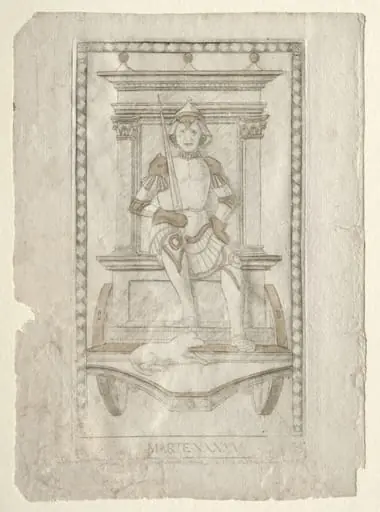 Mars (from the Tarocchi, series A: Firmaments of the Universe, #45)
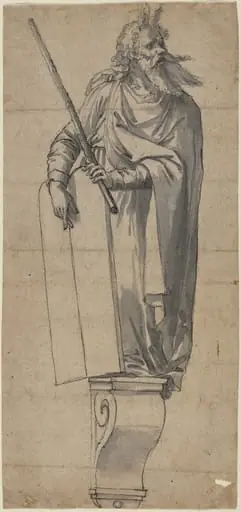 A Sculpture of Moses
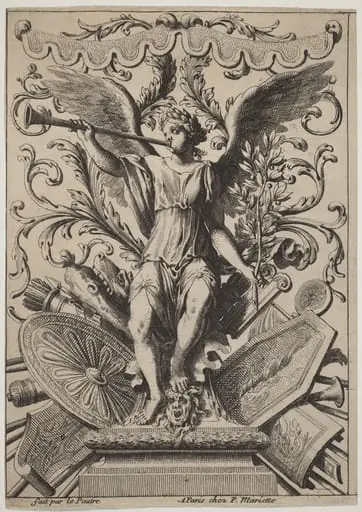 Fame on a Trophy of Arms
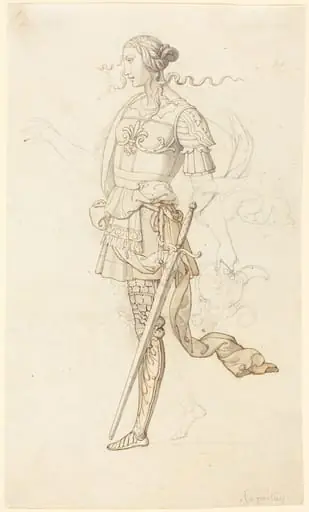 Erminia
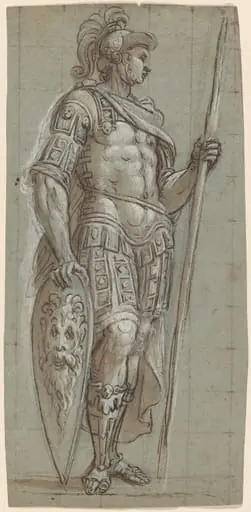 A Soldier in Ancient Roman Costume with Pike and Shield
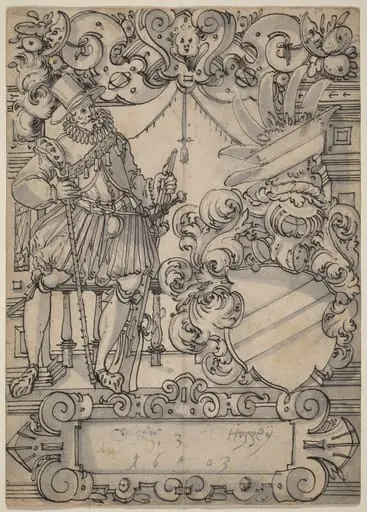 A Donor with a Coat of Arms (Schildbegleiter und Wappenschild mit Schrägbalken)
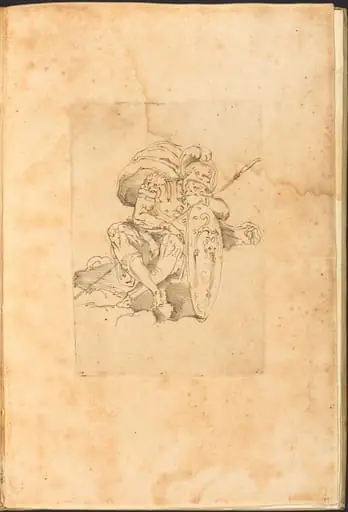 Print from Drawing Book
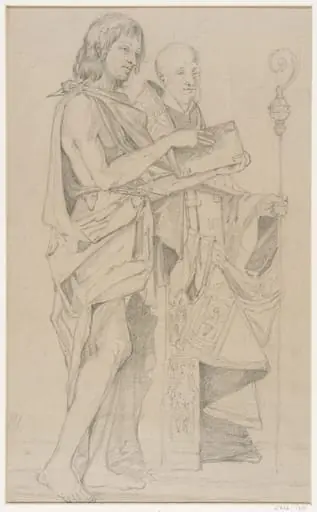 St. Nazzaro and St. Celso: study of part of an altarpiece by Bartolommeo Montagna