Artwork
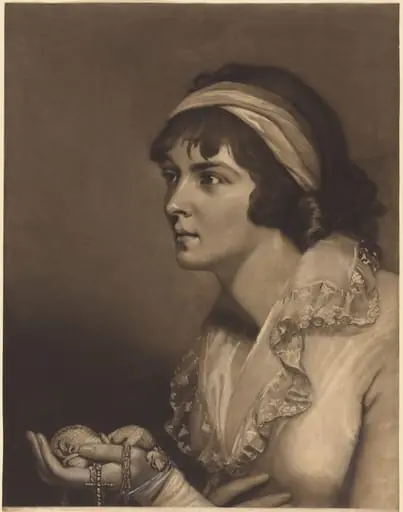
Lady Hamilton as Nature
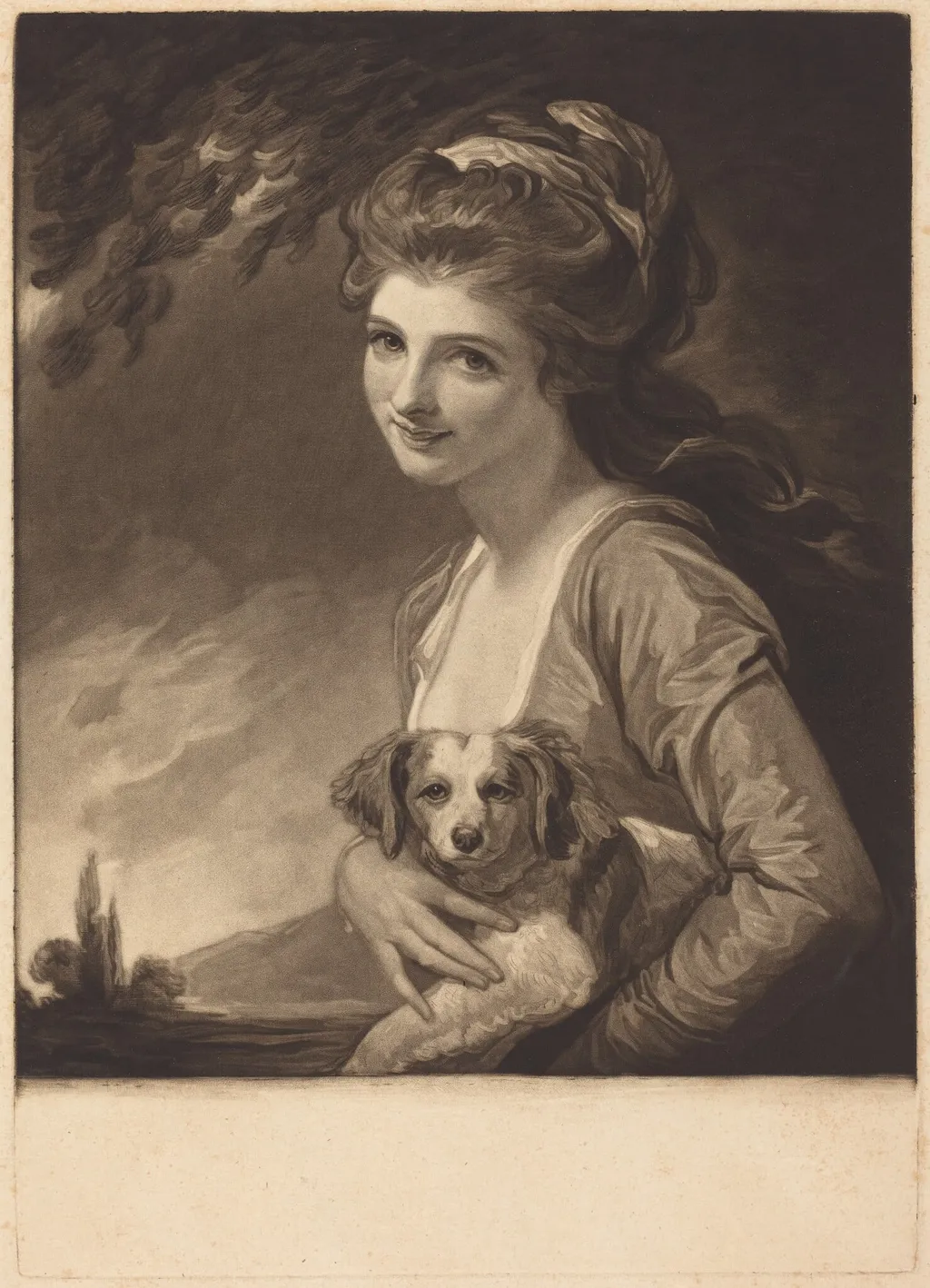
Lady Hamilton as Nature is an ink print by the Romanticist artist John Raphael Smith. It dates from 1784 and is held in the collection of the National Gallery of Art.
About this work
Overview
John Raphael Smith’s 1784 mezzotint, titled *Lady Hamilton as Nature*, portrays Emma, Lady Hamilton in an allegorical guise. The print shows the sitter seated, holding a small dog, her demeanor calm and composed. A dark, cloud‑filled sky recedes behind her, merging with a faint landscape, while a ledge defines the lower edge of the composition.
Subject & Meaning
In this work Lady Hamilton is cast as the personification of Nature, a common eighteenth‑century motif that linked feminine virtue with the natural world. The inclusion of the dog, a symbol of fidelity, and the serene pose reinforce the theme of harmonious, idealized femininity within a pastoral setting.
Technique & Style
Smith employs the mezzotint process, exploiting its capacity for rich tonal gradations. By building deep shadows and seamless transitions between light and dark, the artist achieves a chiaroscuro effect that isolates the figure and her companion from the atmospheric background, emphasizing volume and texture without reliance on line.
History & Provenance
John Raphael Smith, a British painter and mezzotinter, produced the print during a prolific period of portraiture. He was the son of landscape painter Thomas Smith and later fathered the artist John Rubens Smith. The print circulated among collectors of fashionable portraiture in the late eighteenth century, reflecting the popularity of Lady Hamilton’s public image.
Artist & collection
Artist
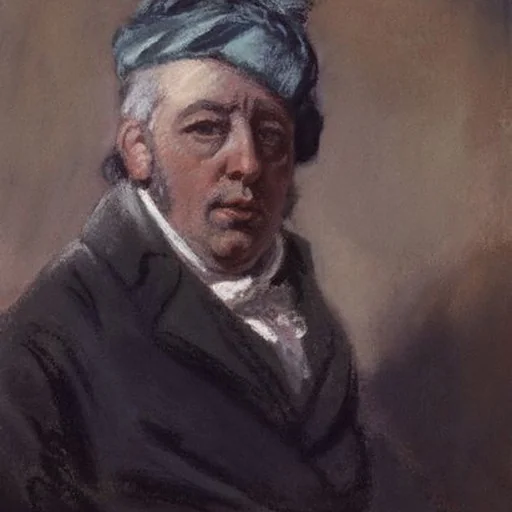
John Raphael Smith (25 May 1751 – 2 March 1812) was a British painter and mezzotinter. He was the son of the landscape painter Thomas Smith and the father of John Rubens Smith, a painter who emigrated to the United States.

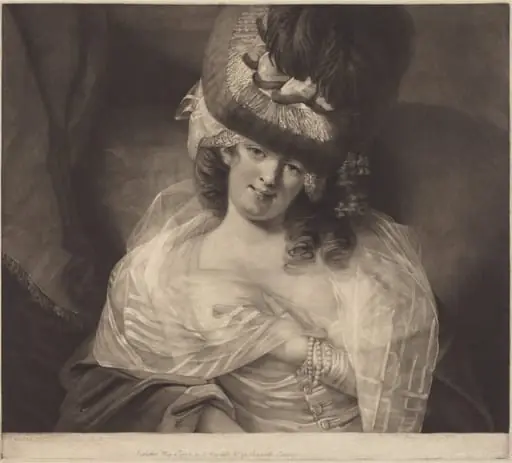
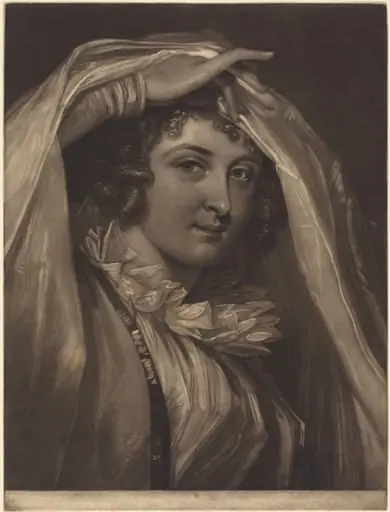
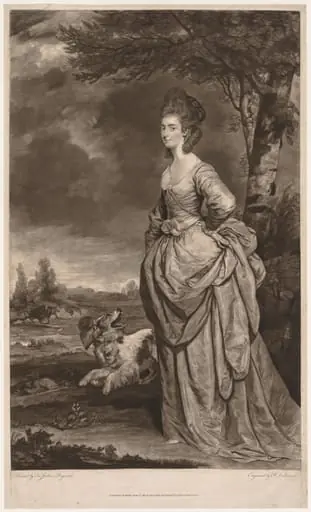 Mrs. Matthew Ellis
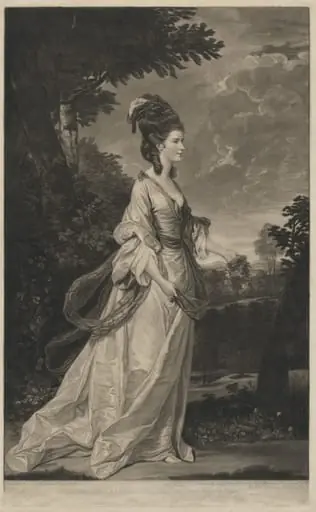 Jane (Fleming), Countess of Harrington
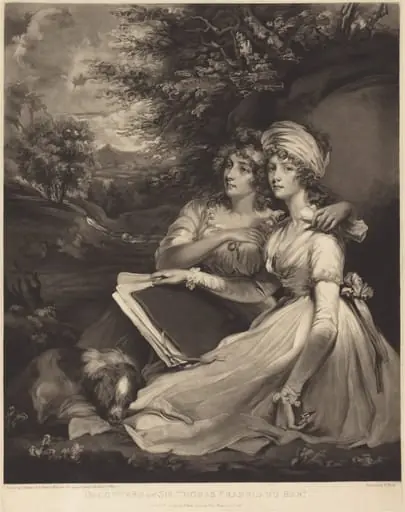 Daughters of Sir Thomas Frankland Bart (The Sisters)
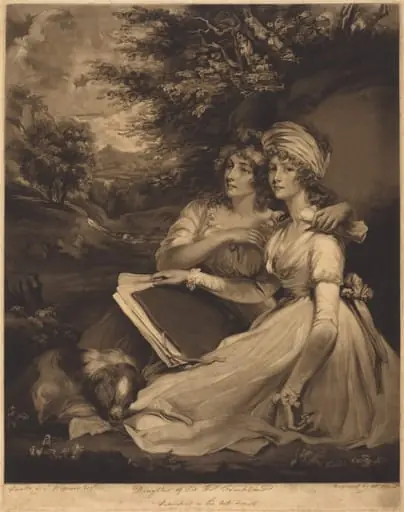 The Daughters of Sir Thomas Frankland
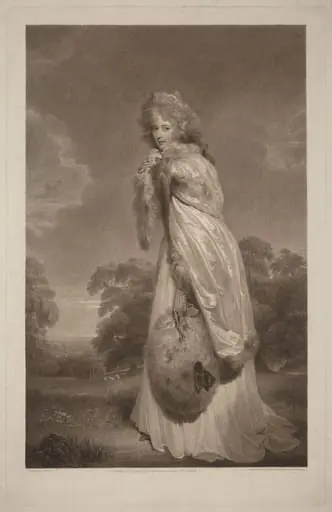 Miss Elizabeth Farren, Countess of Derby
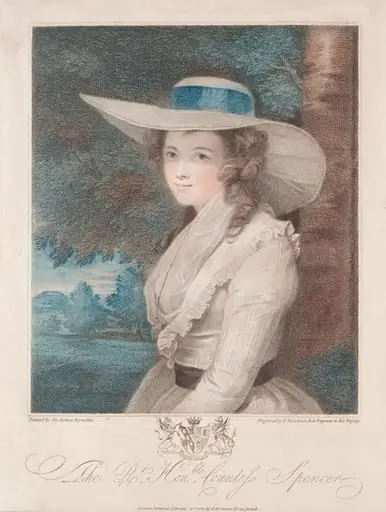 Countess Spencer
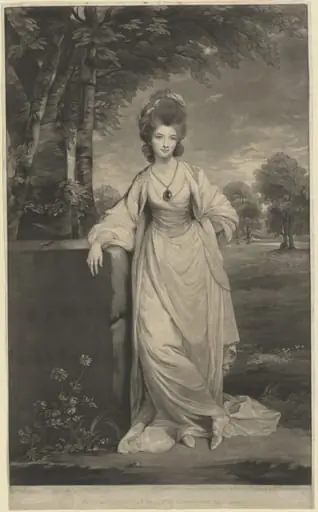 Lady Elizabeth Compton
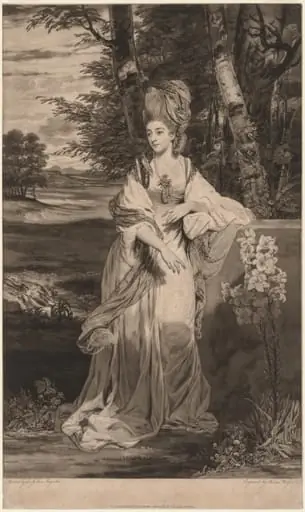 Lady Bampfylde
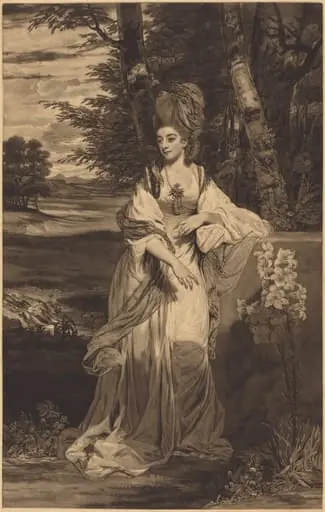 Catherine, Lady Bampfylde
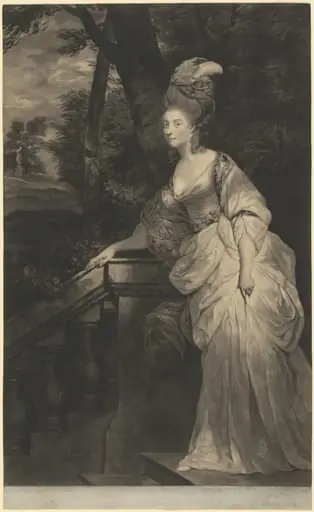 Georgiana (Spencer), Duchess of Devonshire
 Amanthis