Artwork
Calcutta
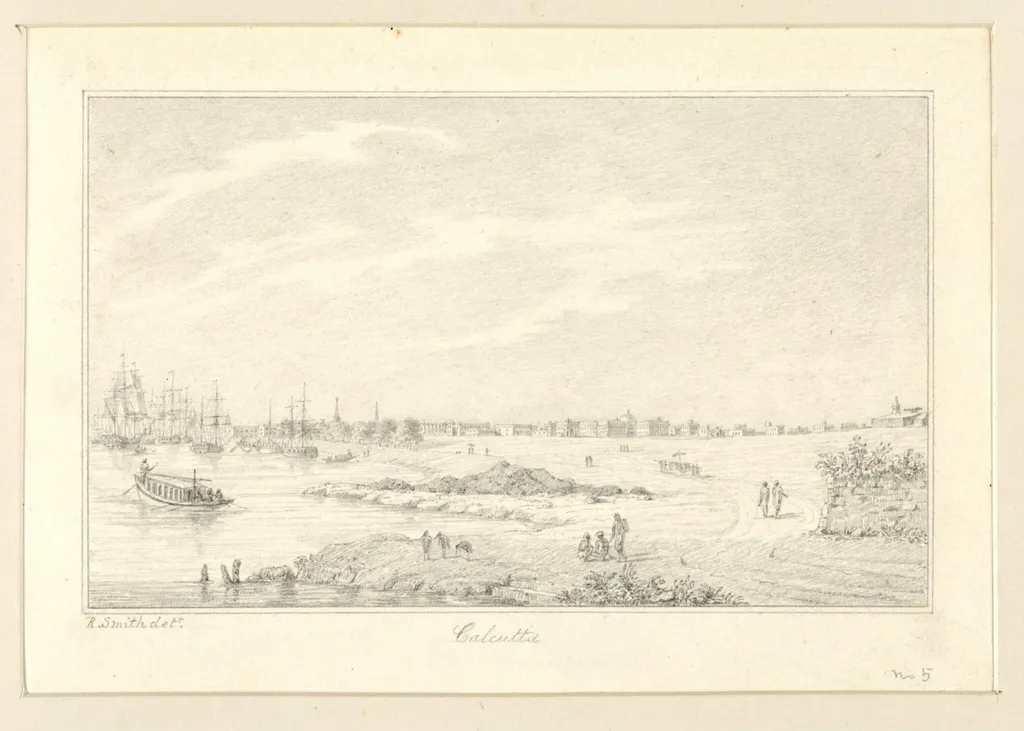
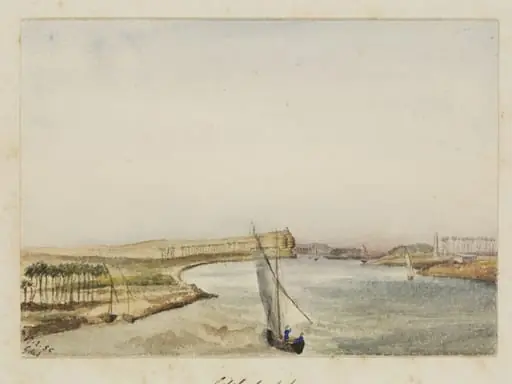
Calcutta is a drawing by the Romanticist artist Robert Captain Smith. It dates from 1830 and is held in the collection of the Victoria and Albert Museum.
About this work
Overview
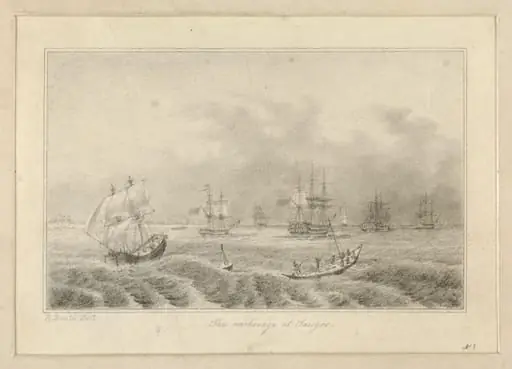
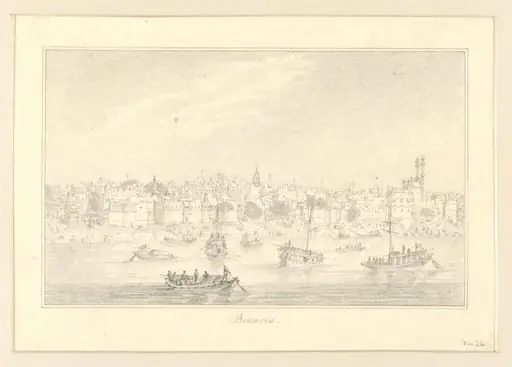
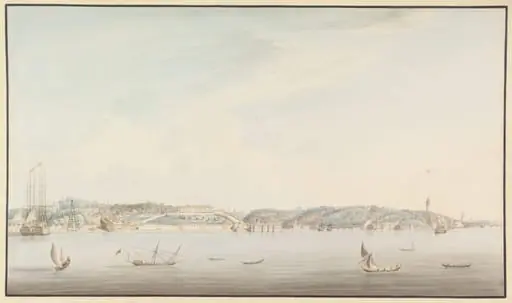
Calcutta is a pencil drawing created by Captain Robert Smith between 1828 and 1833, capturing a mid-19th-century view of the city from a waterfront perspective.
Subject & Meaning
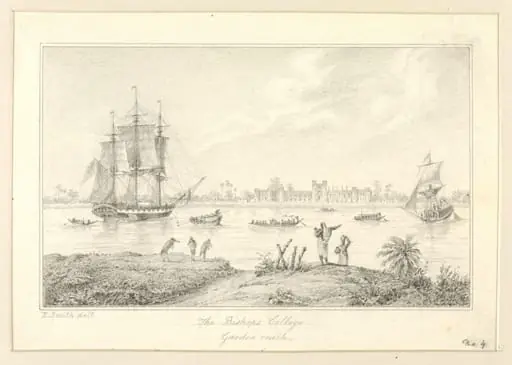
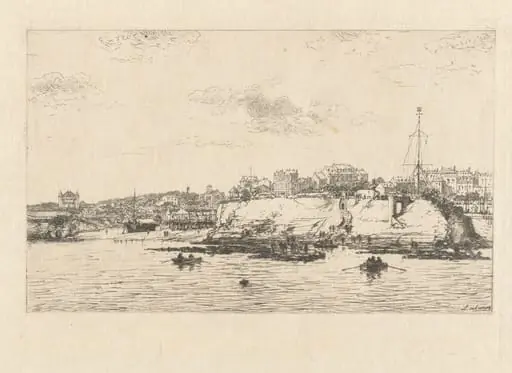
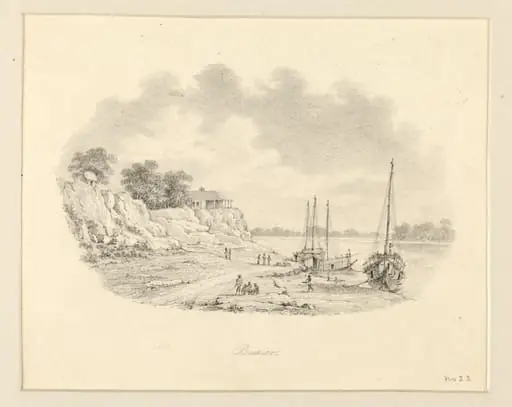
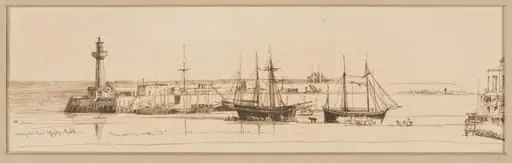
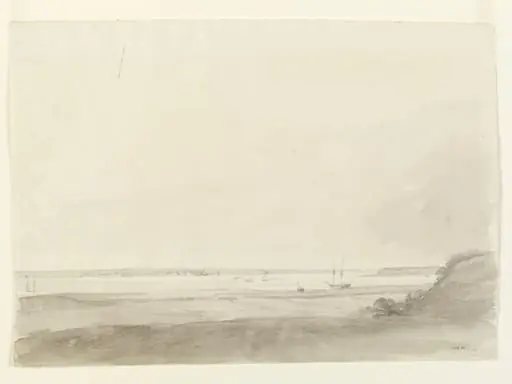
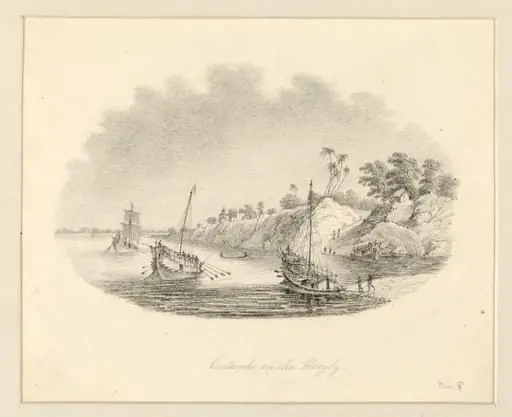
The drawing depicts Calcutta’s urban landscape set against the backdrop of the water, juxtaposing architectural details of the city with maritime activity, highlighting the city’s role as a thriving port.
Technique & Style
Characterized by meticulous detail and textured rendering, the work exemplifies the Romantic movement’s emphasis on capturing natural and human environments with precision and emotional depth.
History & Provenance
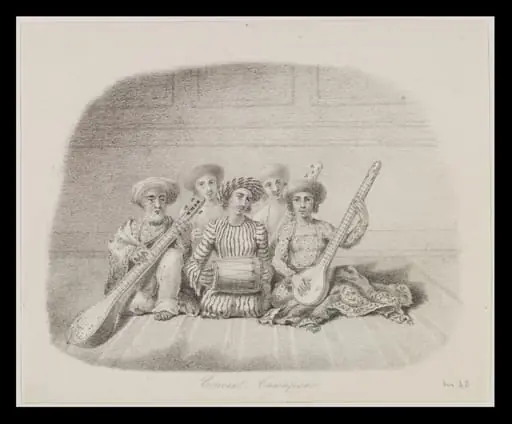
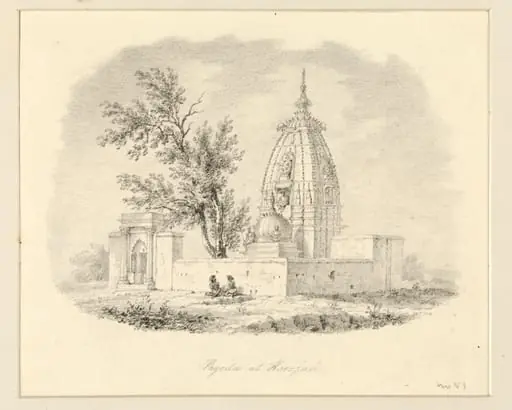
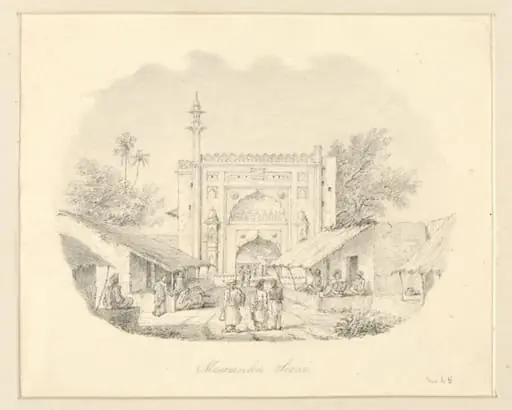
Originally part of Smith’s *Pictorial Journal of Travels in Hindustan*, a collection of 65 illustrations, *Calcutta* was donated to a public collection in 1915.
Context
Created during Smith’s voyages along the Ganges, the drawing reflects 19th-century British interest in documenting Indian landscapes and cities, blending observation with aesthetic appeal.
Legacy
While not directly comparable to painters like J.M.W. Turner due to its medium, *Calcutta* shares with Romantic-era art a focus on evoking place and atmosphere, making it a notable example of travelogue drawing from the period.
Artist & collection