Artwork
Cina din Emaus
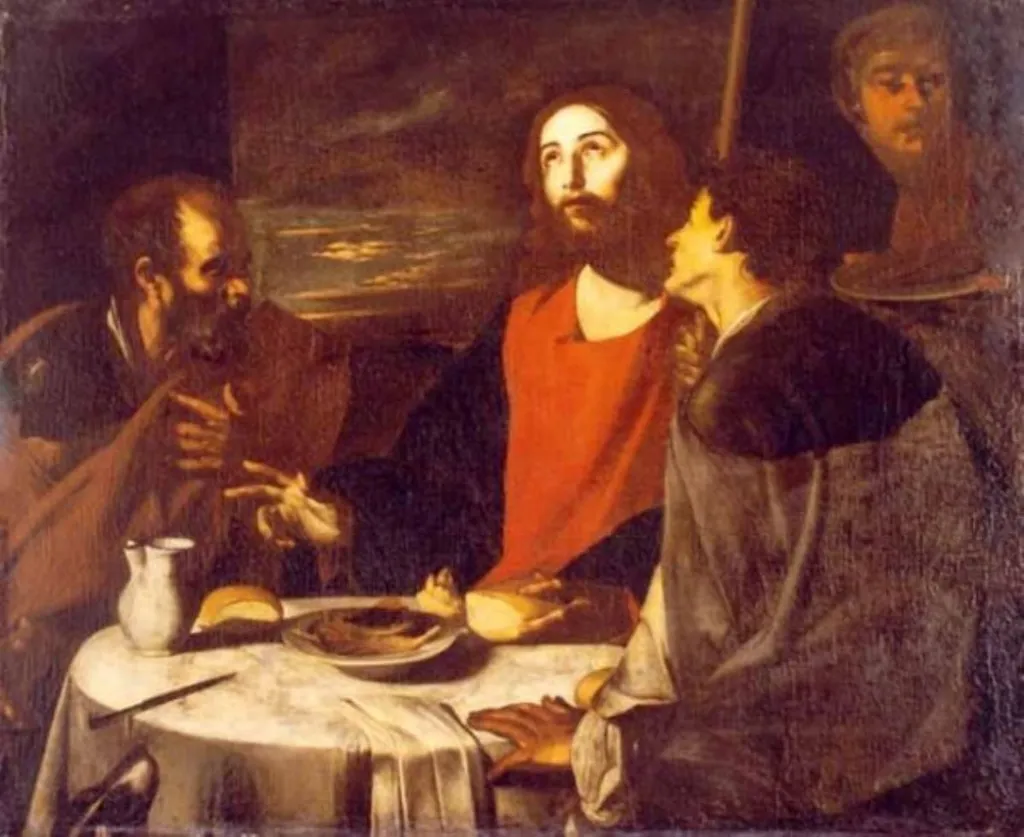
Cina din Emaus is an unspecified painting by the Early Baroque Italian artist Massimo Stanzione. It dates from 1647 and is held in the collection of the Brukenthal National Museum.
About this work
Overview
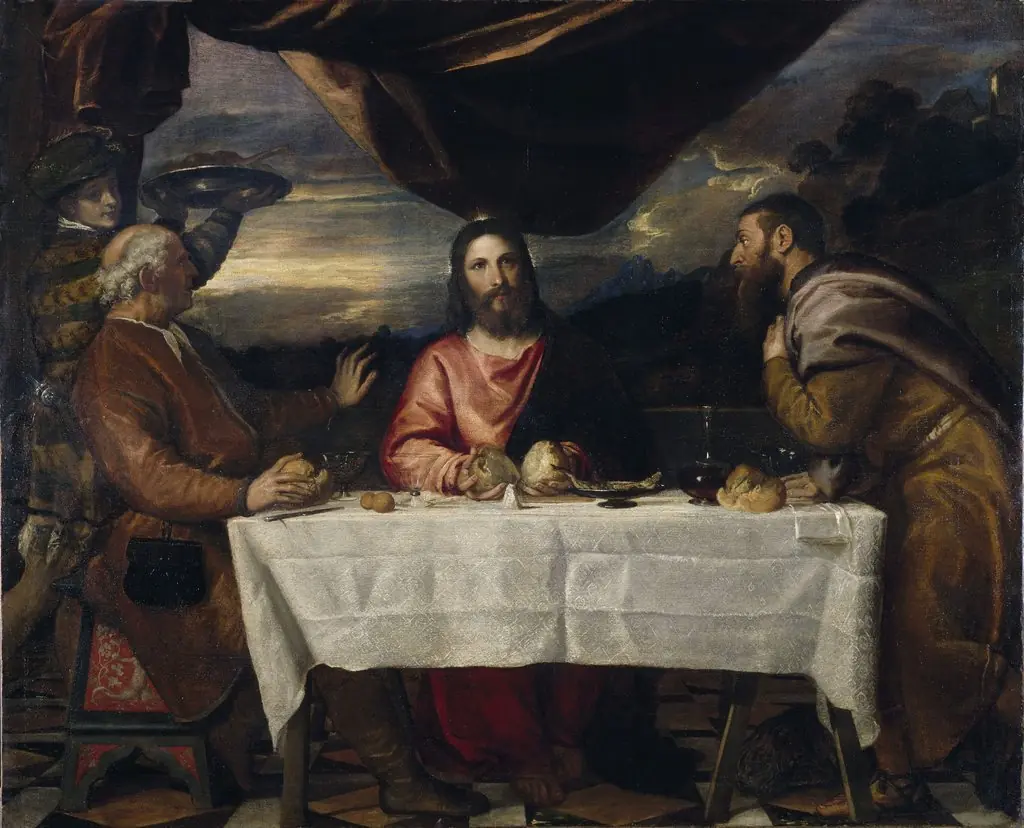
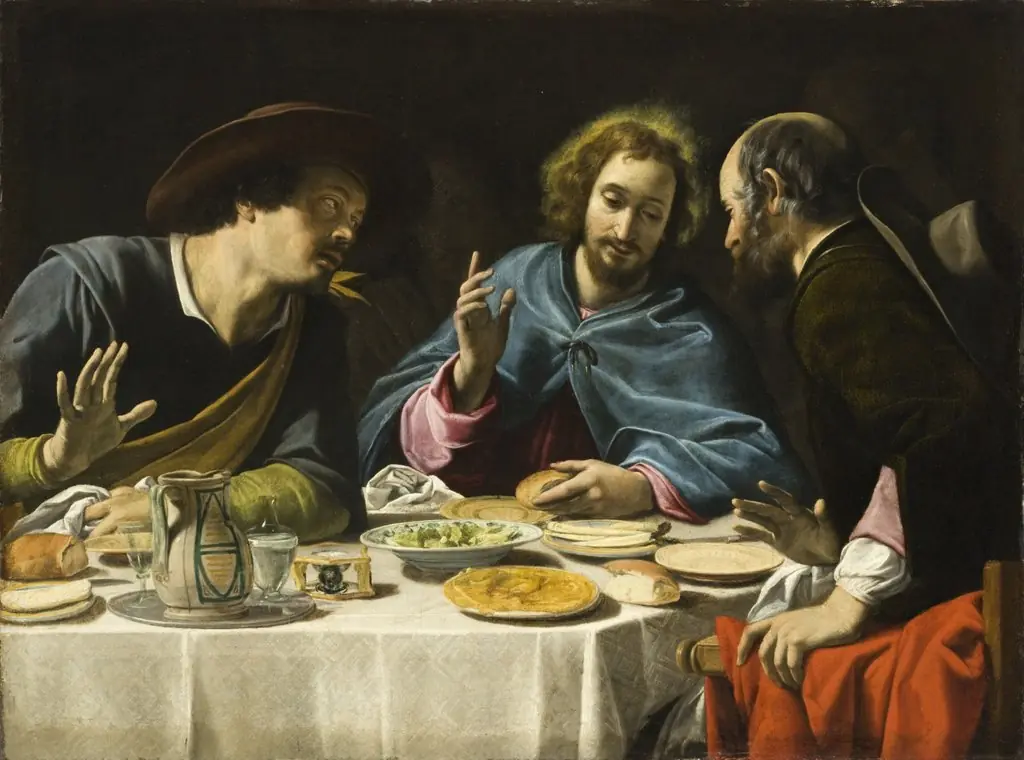
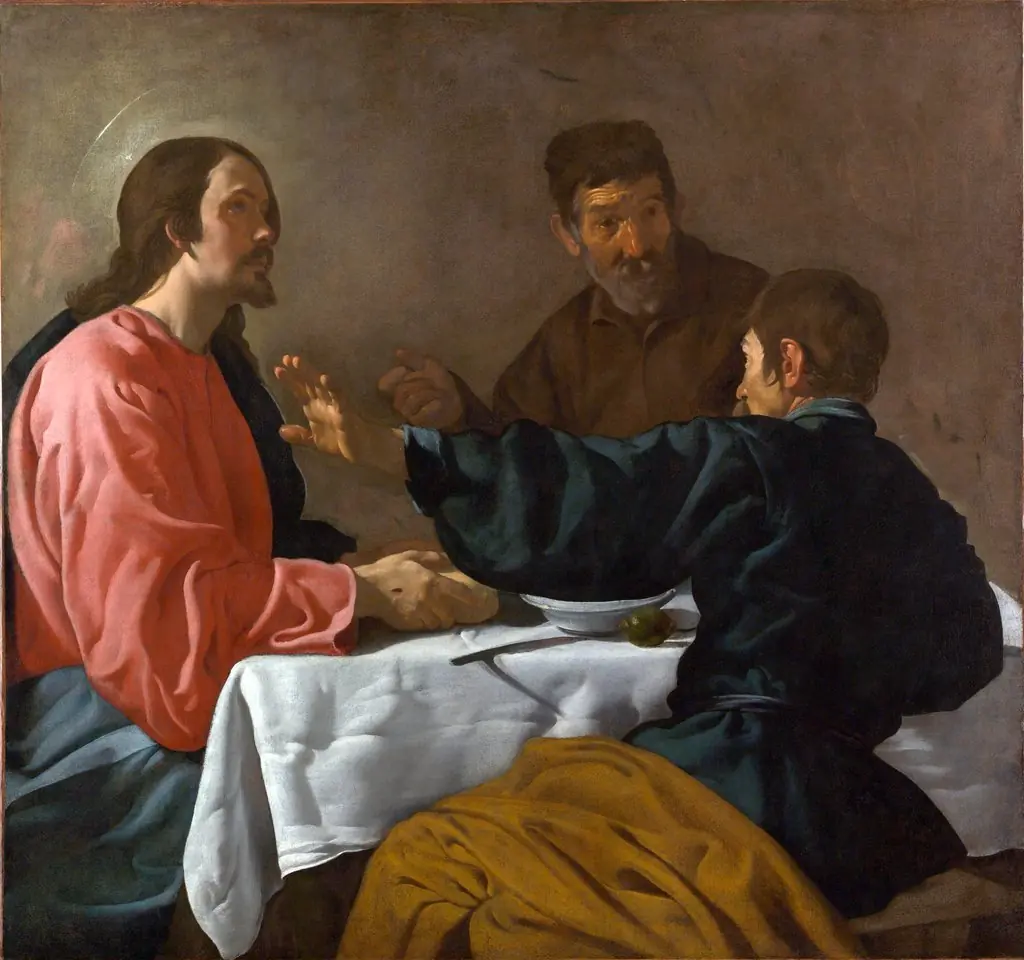
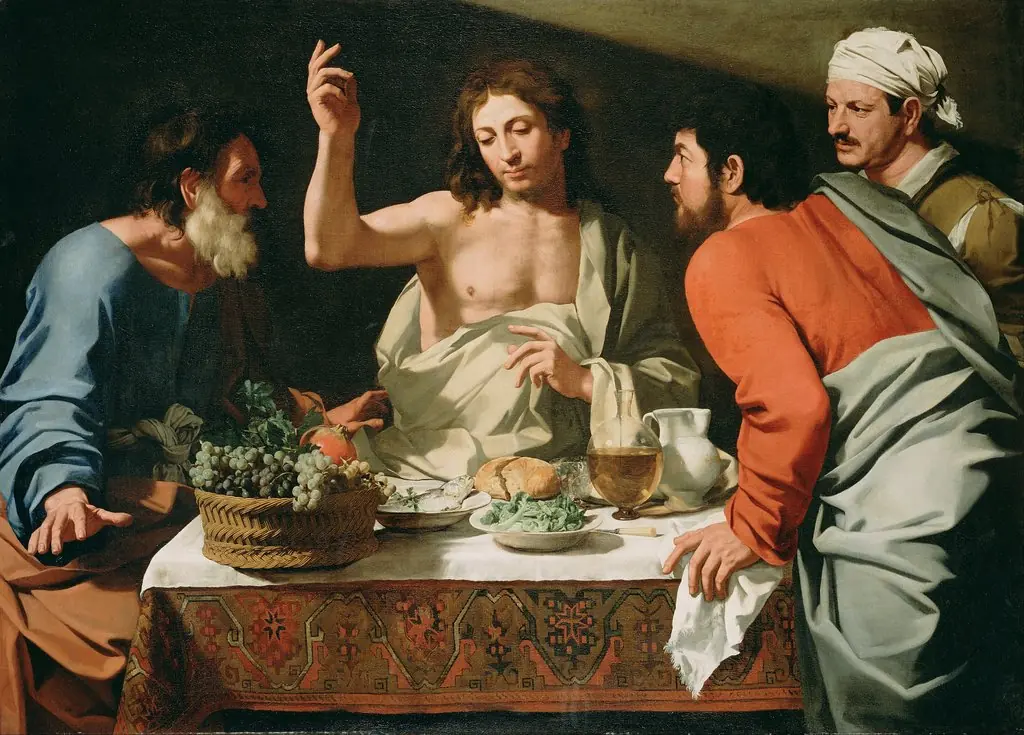
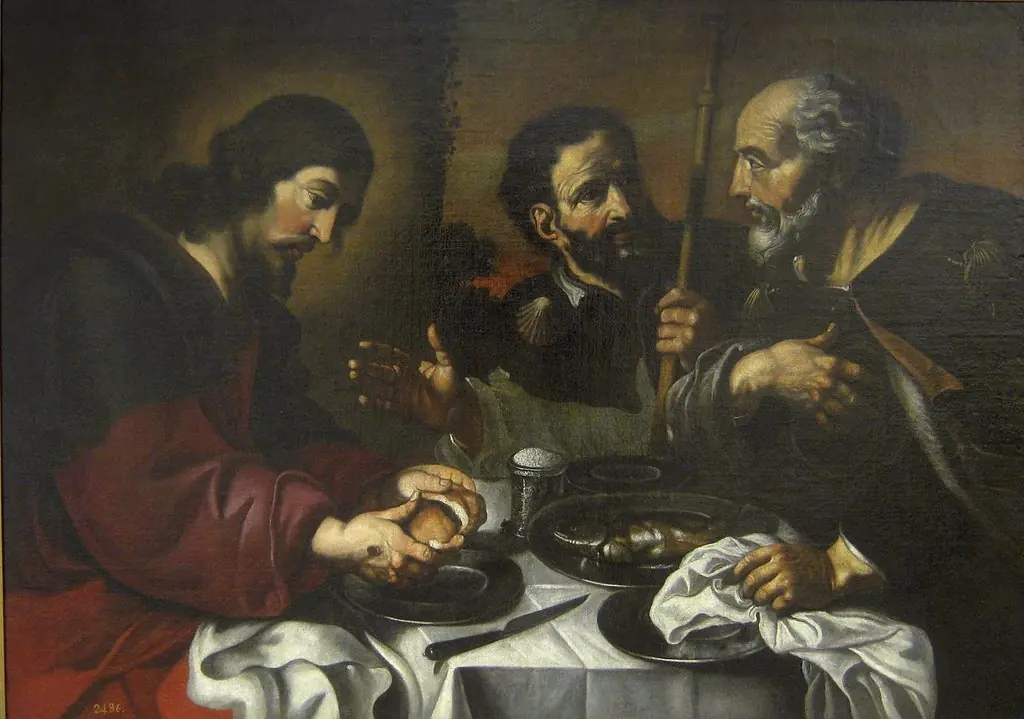
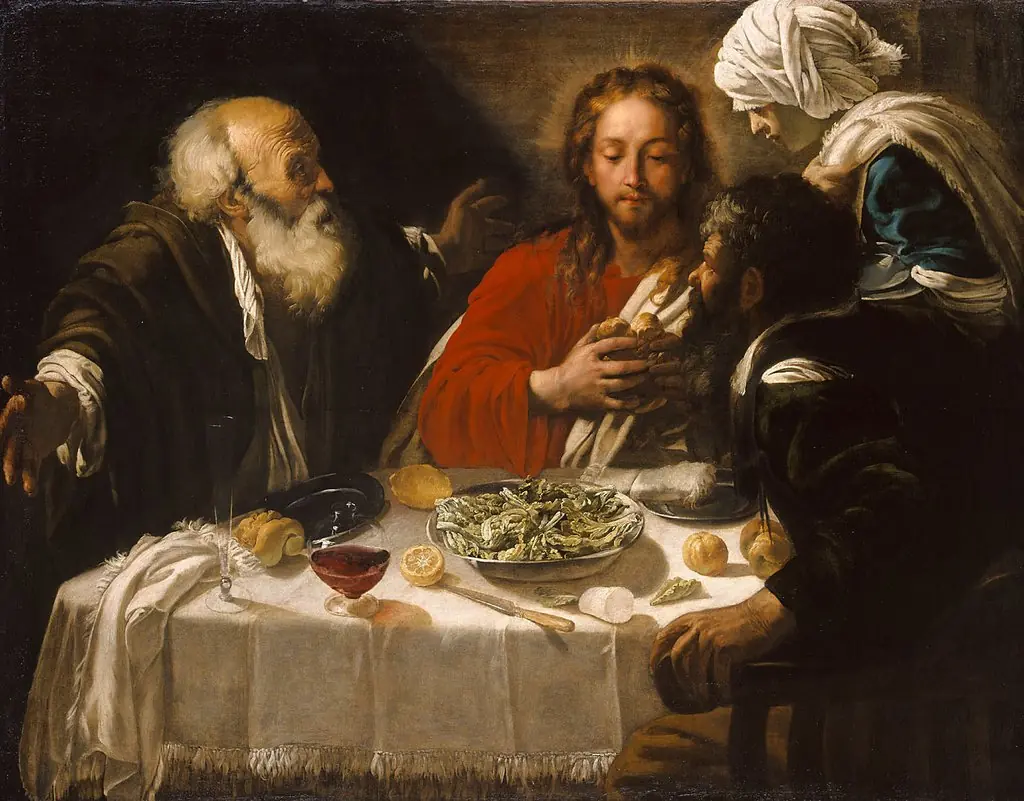
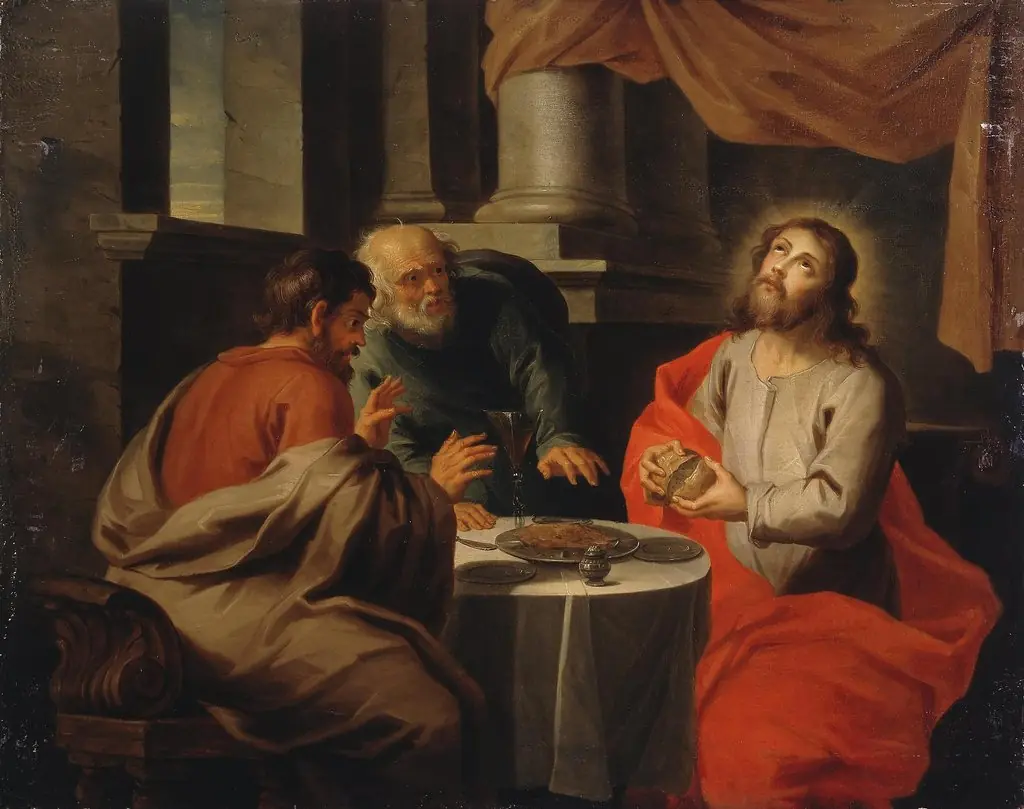
Cina din Emaus, executed around 1647 by the Italian painter Massimo Stanzione, depicts a biblical scene in a compact interior setting. The work presents three figures gathered around a modestly appointed table, rendered with a restrained palette and a focus on the interplay of light and shadow characteristic of mid‑seventeenth‑century Baroque painting.
Subject & Meaning
The composition illustrates the moment of the Supper at Emmaus, a post‑Resurrection episode in which the risen Christ reveals himself to two disciples during a shared meal. The central figure, distinguished by an orange garment and a piece of bread, engages the viewer directly, suggesting the theological emphasis on recognition and revelation.
Technique & Style
Stanzione employs chiaroscuro to isolate the orange‑clad figure, whose sharply illuminated face contrasts with the surrounding darkness. The table is modestly set with a pitcher, fruit, and a knife, while a faintly rendered background recedes into shadow, creating a dramatic spatial depth typical of Baroque realism.
History & Provenance
Created in the later phase of Stanzione’s career, the painting reflects the artist’s synthesis of Caravaggist tenebrism and Neapolitan classicism. While specific ownership records are scarce, the work has been catalogued among Stanzione’s religious commissions and remains a representative example of his contribution to 17th‑century Italian devotional art.
Artist & collection
Artist
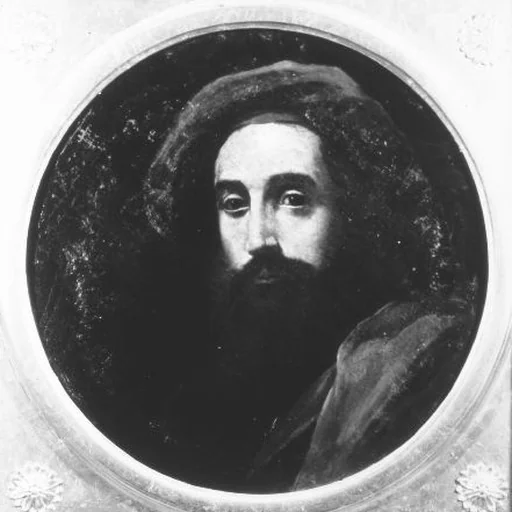
Massimo Stanzione (also called Stanzioni; Frattamaggiore 1585 – Naples 1656) was an Italian Baroque painter, mainly active in Naples, where he and his rival Jusepe de Ribera dominated the painting scene for several decades.