Artwork
The Lost Apple
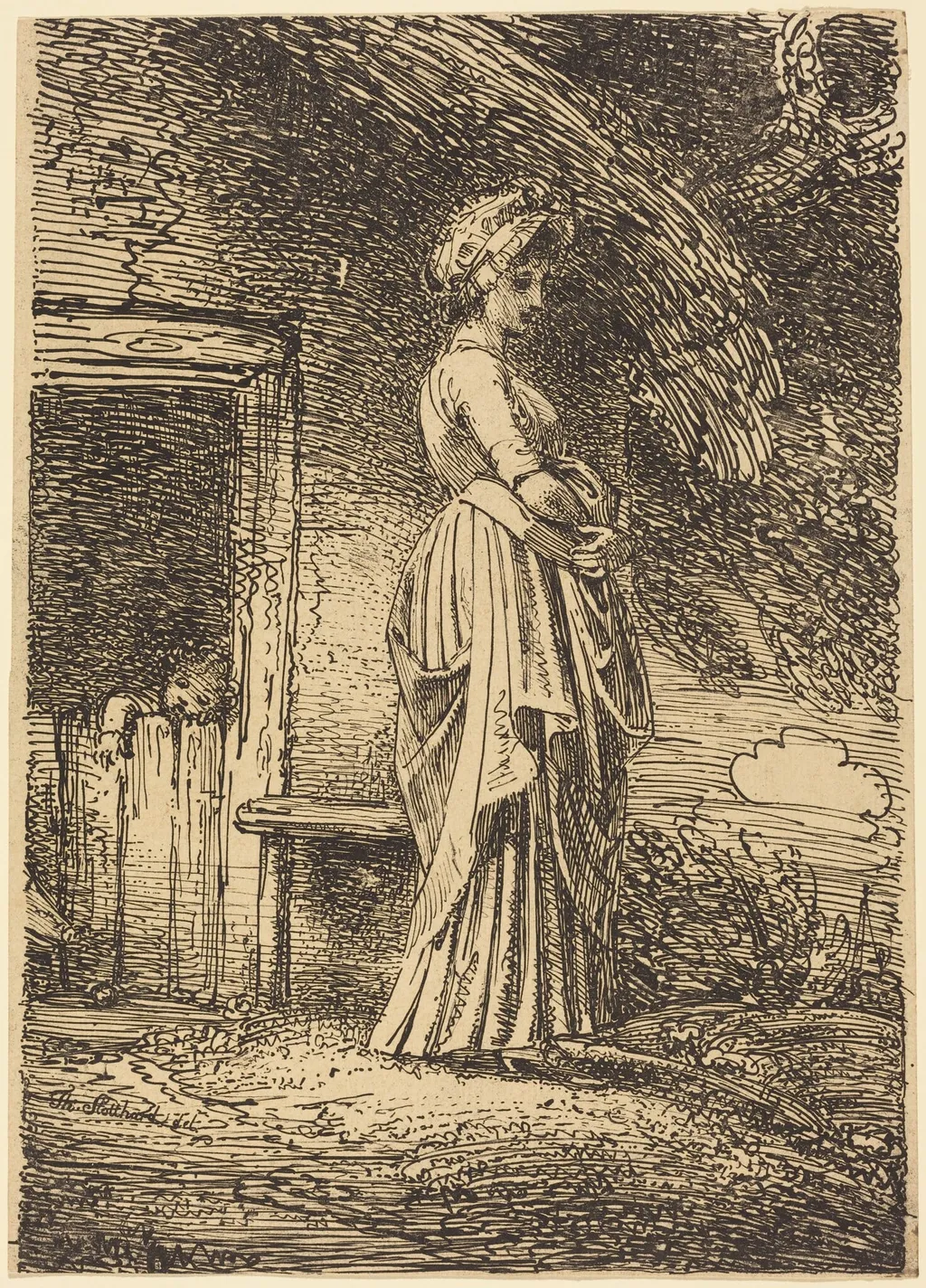
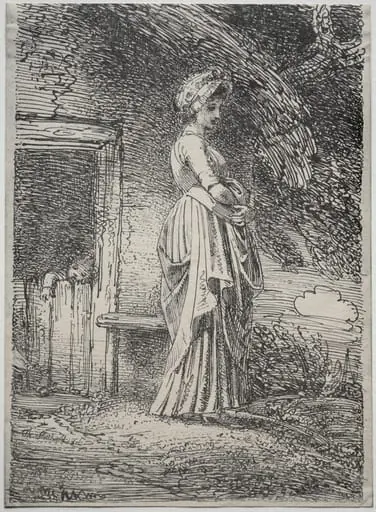
The Lost Apple is an ink print by the Romanticist artist Thomas Stothard. It dates from 1803 and is held in the collection of the National Gallery of Art.
About this work
Overview
Created in 1803 by British artist Thomas Stothard, *The Lost Apple* is a lithograph executed in pen and tusche on stone. It belongs to a period when Stothard was actively exploring printmaking beyond traditional engraving. The work exemplifies the expressive potential of lithography, a technique allowing direct drawing on stone, which produced a spontaneous, hand-drawn quality in the final print.
Subject & Meaning
Two figures stand in a sparse woodland, one holding a walking stick, the other gesturing as if searching for something on the ground. The title suggests a moment of quiet loss or retrieval, though no apple is visible. The ambiguity invites contemplation rather than narrative clarity, aligning with Romantic-era interests in subtle emotion and the introspective natural world.
Technique & Style
Stothard employed tusche, a greasy ink, drawn with a pen directly onto a limestone surface, then printed via lithography. The resulting lines are irregular and textured, mimicking the spontaneity of a sketch. This method avoided the precision of engraving, favoring a tactile, almost unfinished appearance that emphasized the artist’s hand and the materiality of the medium.
History & Provenance
The print emerged during Stothard’s productive years as an illustrator for literary and periodical publications. While no early ownership records are widely documented, *The Lost Apple* was likely circulated among collectors interested in experimental printmaking. It remains a rare example of his lithographic work, distinct from his more numerous engraved illustrations.
Context
In early 19th-century Britain, lithography was gaining traction as a medium for artists seeking alternatives to metal engraving. Stothard’s use of it reflects broader shifts in print culture, where immediacy and tonal variation were valued. His work contributed to the medium’s acceptance among fine artists, even as commercial uses dominated the field.
Legacy
Though not widely reproduced or studied today, *The Lost Apple* stands as an early British example of lithography used for artistic expression rather than mass reproduction. It illustrates Stothard’s willingness to experiment and helps trace the transition of printmaking from reproductive craft to personal artistic practice in the Romantic era.
Artist & collection
Artist
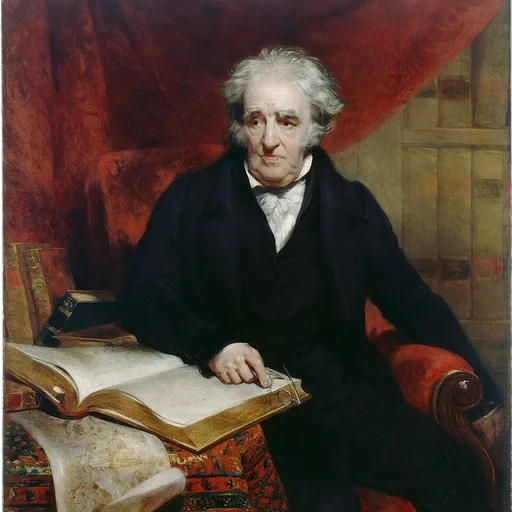
Thomas Stothard (17 August 1755 – 27 April 1834) was a British painter, illustrator and engraver.

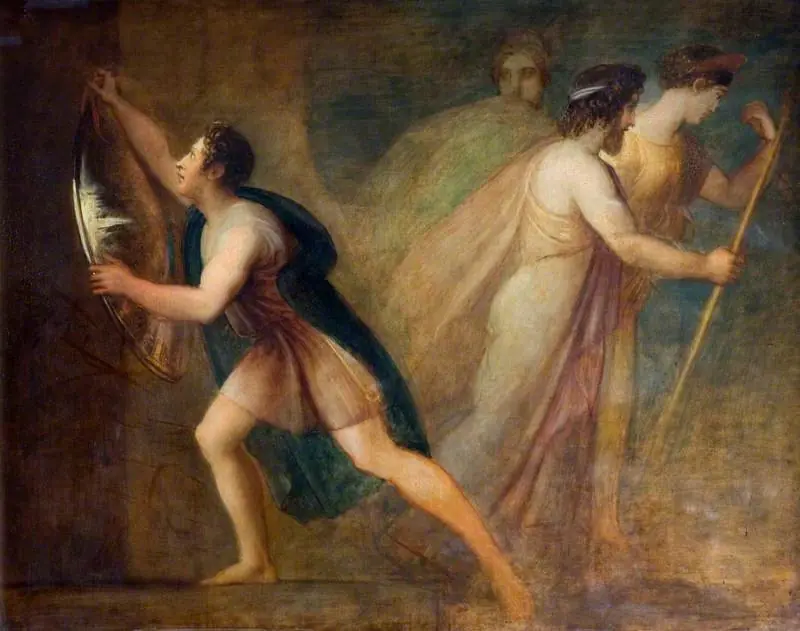 Orestes Hanging up the Shield of Agamemnon
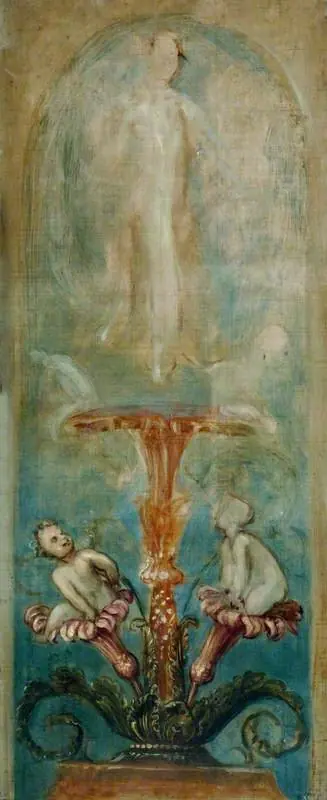 Arabesque Decoration with a Female Figure (sketch)
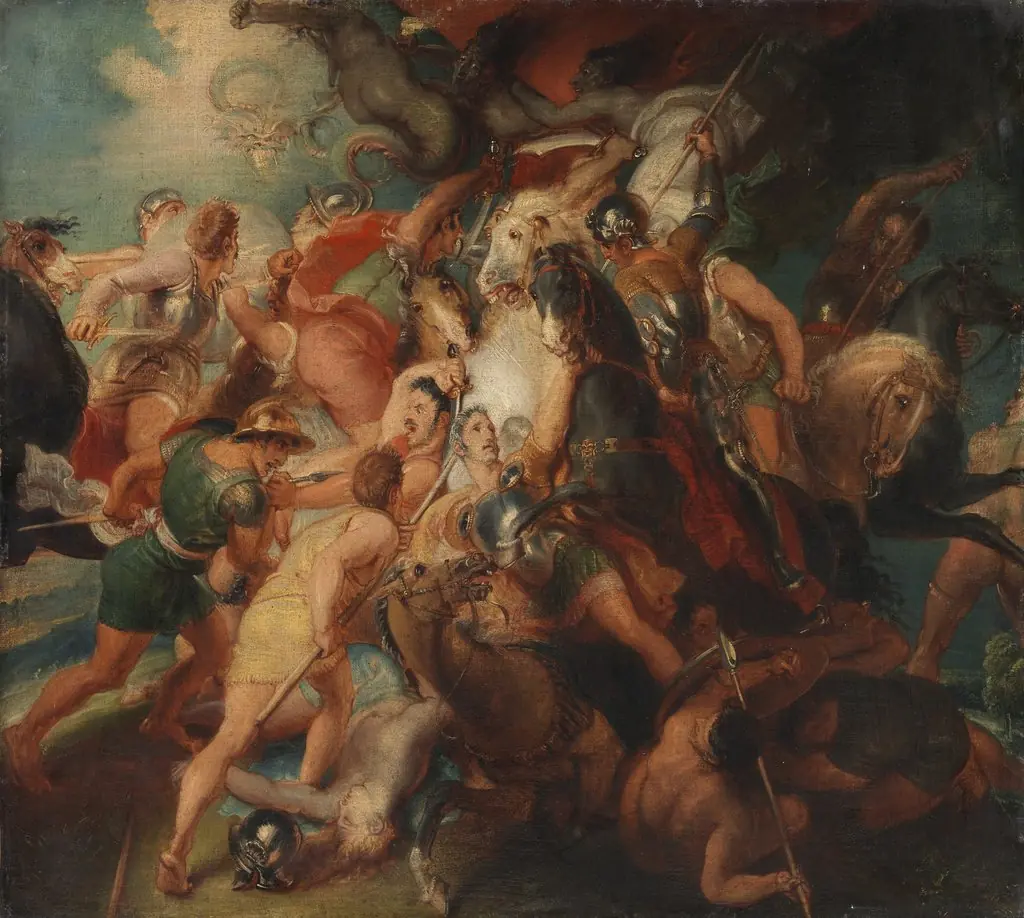 The Horrors of War, Sketch for Burghley House Mural
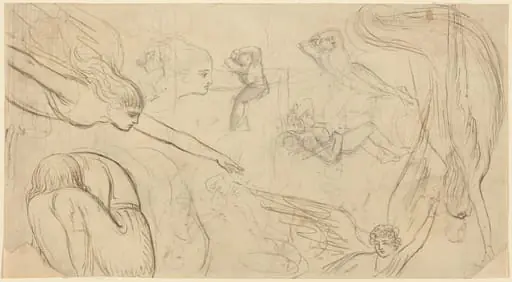 Sheet of Studies with Angels and Cowering Figures (Illustration for Macklin's Bible?)
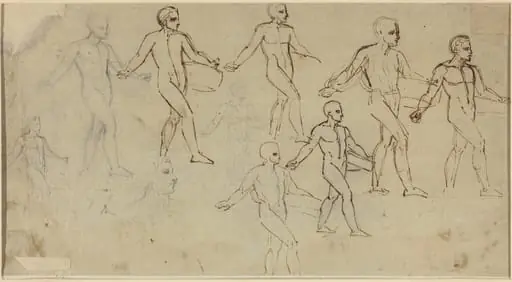 Studies of a Sower (Illustration for Thomson's _Seasons_)
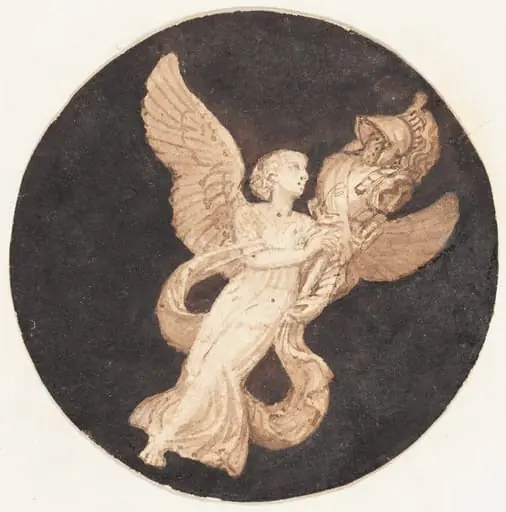 Vignette for a Title Page: "Winged Victory"
![Design for a Book Illustration of Circe and Odysseus [recto], by Thomas Stothard](https://artifactworldgallery.com/img/thomas-stothard--design-for-a-book-illustration-of-circe-and-odysseus-recto--5bd59a6f73de4838-w320.webp) Design for a Book Illustration of Circe and Odysseus [recto]
Design for a Book Illustration of Circe and Odysseus [recto]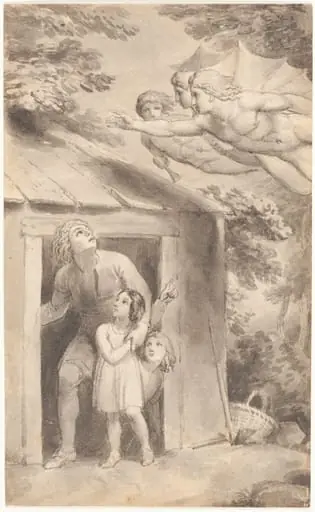 Peter and His Children Visited by Three Flying Figures