Artwork
Lady holding a lotus
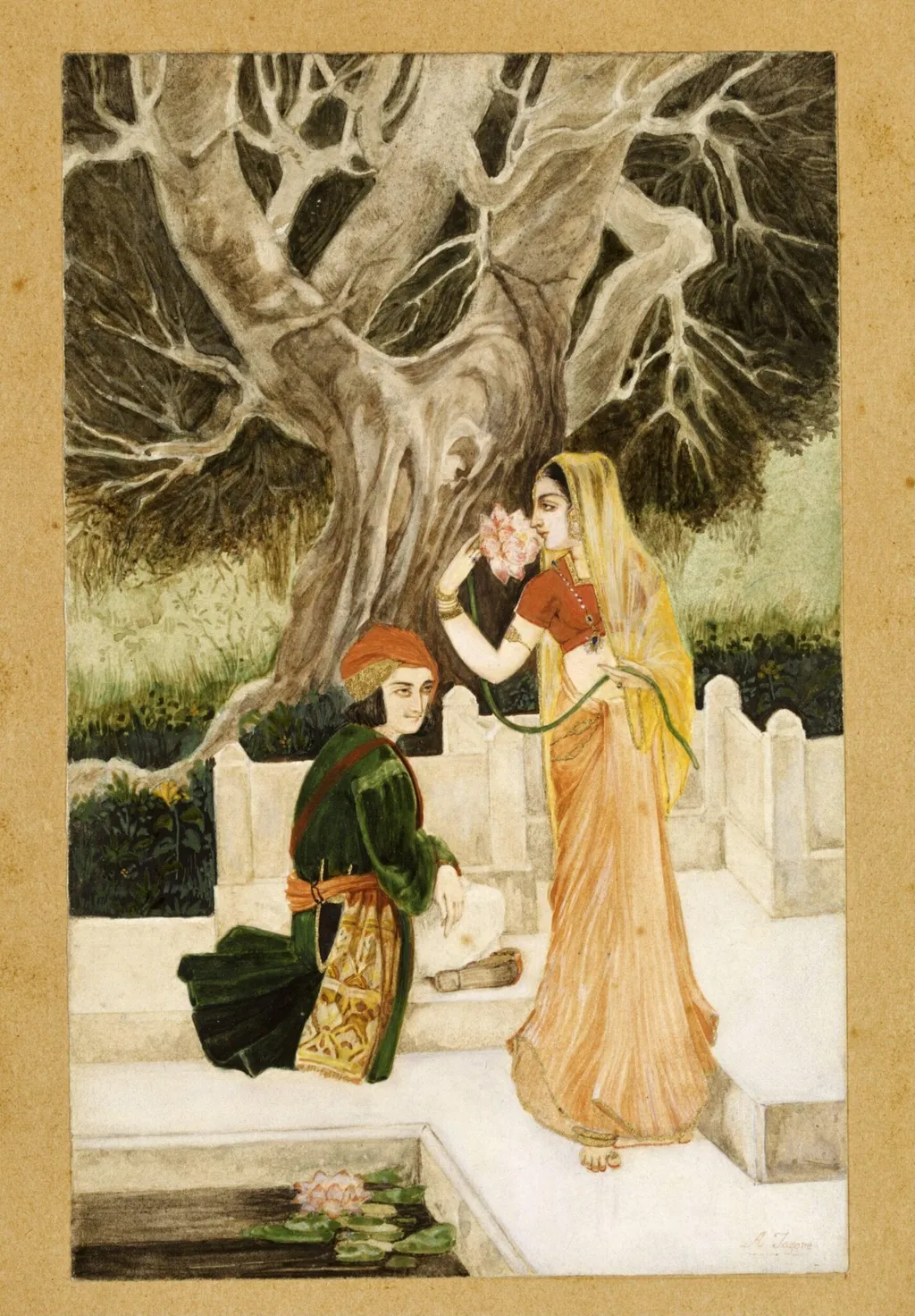
Lady holding a lotus is a paint painting by the Indian Miniature artist Abanindranath Tagore. It dates from 1902 and is held in the collection of the Victoria and Albert Museum.
About this work
Overview
This painting by Abanindranath Tagore illustrates a moment from the 'Baitala Pachisi,' a collection of Indian folktales translated by Sir Richard Burton.
This painting by Abanindranath Tagore illustrates a moment from the 'Baitala Pachisi,' a collection of Indian folktales translated by Sir Richard Burton. It captures a silent exchange between a princess and a prince, conveyed through the offering of a lotus. Executed in watercolor, the work reflects Tagore’s early synthesis of indigenous Indian visual traditions with subtle European influences, marking a pivotal moment in the development of modern Indian art.
Subject & Meaning
The scene depicts a princess in a forest pond, offering a lotus as a gesture of unspoken affection. In Indian symbolic tradition, the lotus signifies purity and spiritual love. Tagore transforms the narrative into a contemplative moment, rejecting overt drama in favor of quiet intimacy. The absence of the prince emphasizes the princess’s agency and the poetic nature of her communication, aligning with literary and aesthetic ideals of the Bengal School.
Technique & Style
Tagore employs soft washes of watercolor to create a hazy, atmospheric effect, drawing from Mughal miniatures in composition but infusing it with the muted tonalities of Pre-Raphaelite works. Delicate linework defines the figure, while the background is rendered with minimal detail—pale sky and sparse foliage—to focus attention on the central gesture. The palette is restrained, favoring earth tones and pale blues, enhancing the meditative mood.
History & Provenance
Created during the formative years of the Bengal School (circa 1900–1910), this work emerged as Tagore sought to redefine Indian art beyond colonial academic styles. It was part of a series of illustrations he produced for Burton’s translation of the 'Baitala Pachisi,' intended to reconnect Indian audiences with their literary heritage. The painting was likely held in private collections before entering institutional care, reflecting its early recognition within nationalist art circles.
Context
At the turn of the 20th century, Indian artists grappled with the dominance of Western artistic pedagogy under British rule. Tagore responded by reviving Mughal and Rajput aesthetics, adapting them to contemporary sensibilities. His illustrations of Indian folklore were not merely decorative but ideological—asserting cultural autonomy through visual storytelling rooted in indigenous texts and traditions.
Legacy
Tagore’s approach in this work helped establish a distinct Indian modernism that prioritized spiritual and literary themes over Western naturalism. The Bengal School, under his leadership, influenced generations of artists and contributed to the broader cultural renaissance in early 20th-century India. This painting remains a key example of how traditional iconography was reimagined to express national identity without overt political rhetoric.
Artist & collection

Artist
Abanindranath Tagore was an Indian painter who was the principal artist and creator of the Indian Society of Oriental Art in 1907.

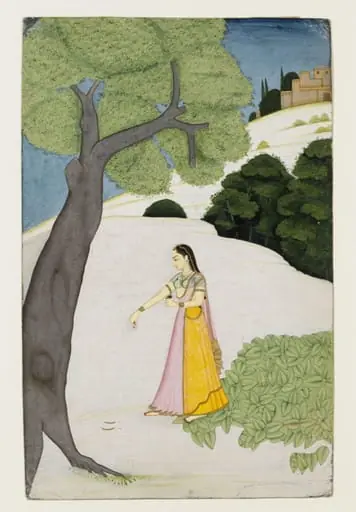 Vipralabdha Nayika
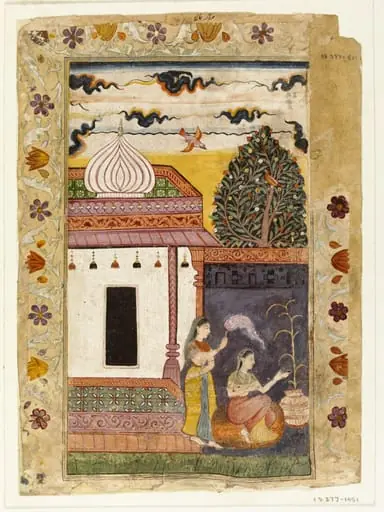 Gunakali Ragini
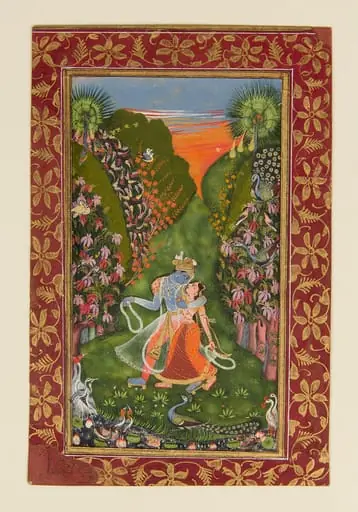 Untitled
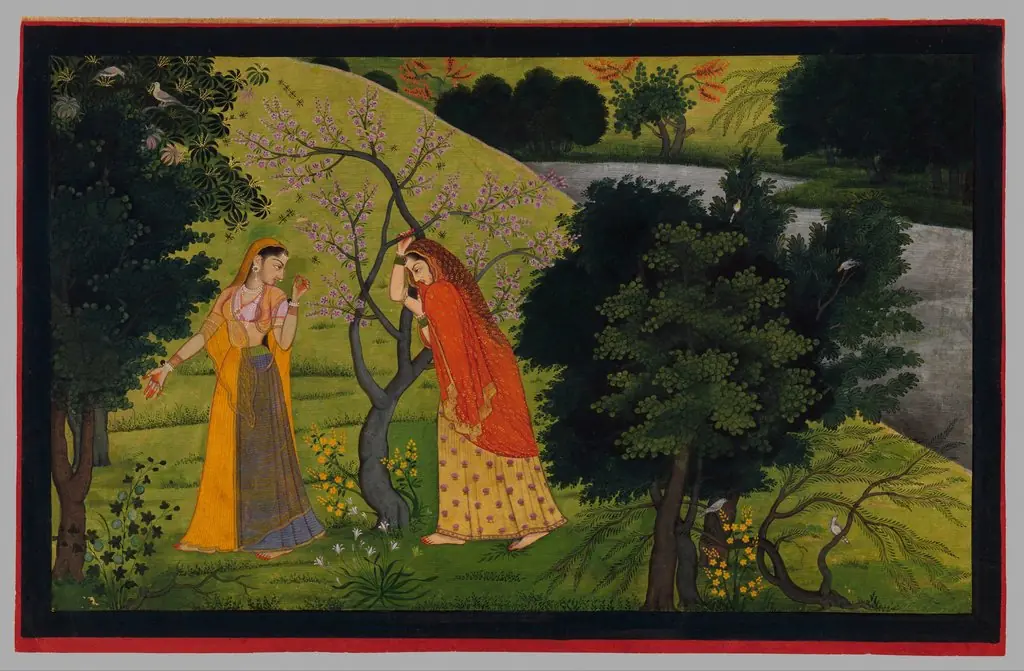 "Radha with Her Confidant, Pining for Krishna", Folio from the "Second" or "Tehri Garhwal" Gita Govinda (Song of the Cowherd)
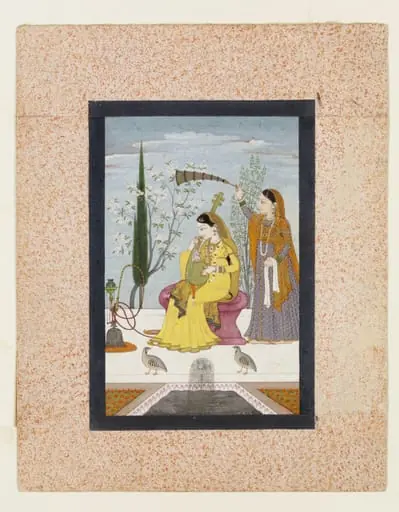 Untitled
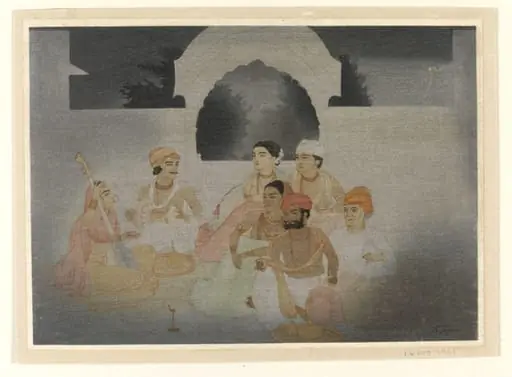
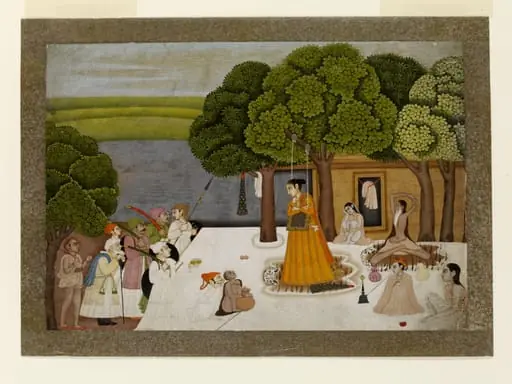 Prince and his attendants visiting an ashram
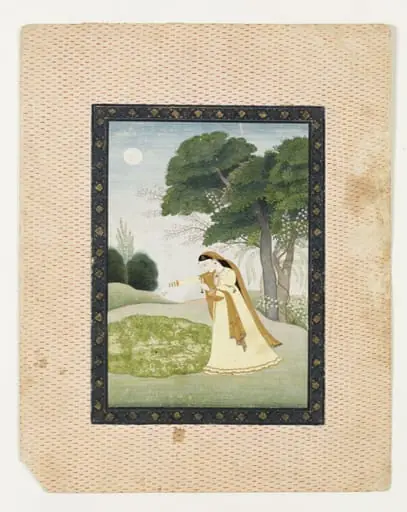 Vipralabdha Nayika
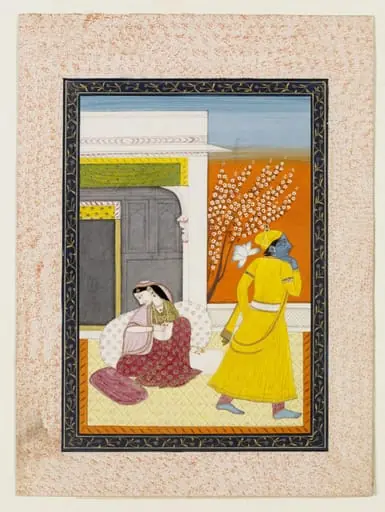 Abhisandita Nayika
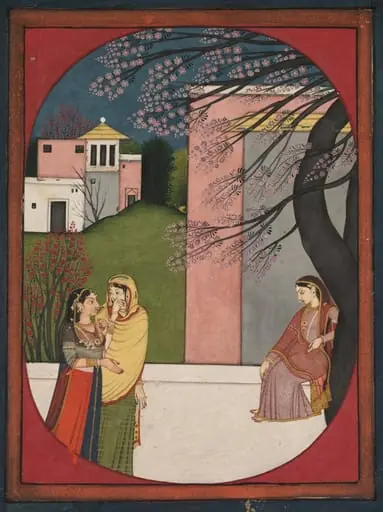 The lovelorn heroine, from a Sat Sai of Bihari