Artwork
Martiriul Sfântului Mauriciu sau Martiriul celor zece mii de tebani
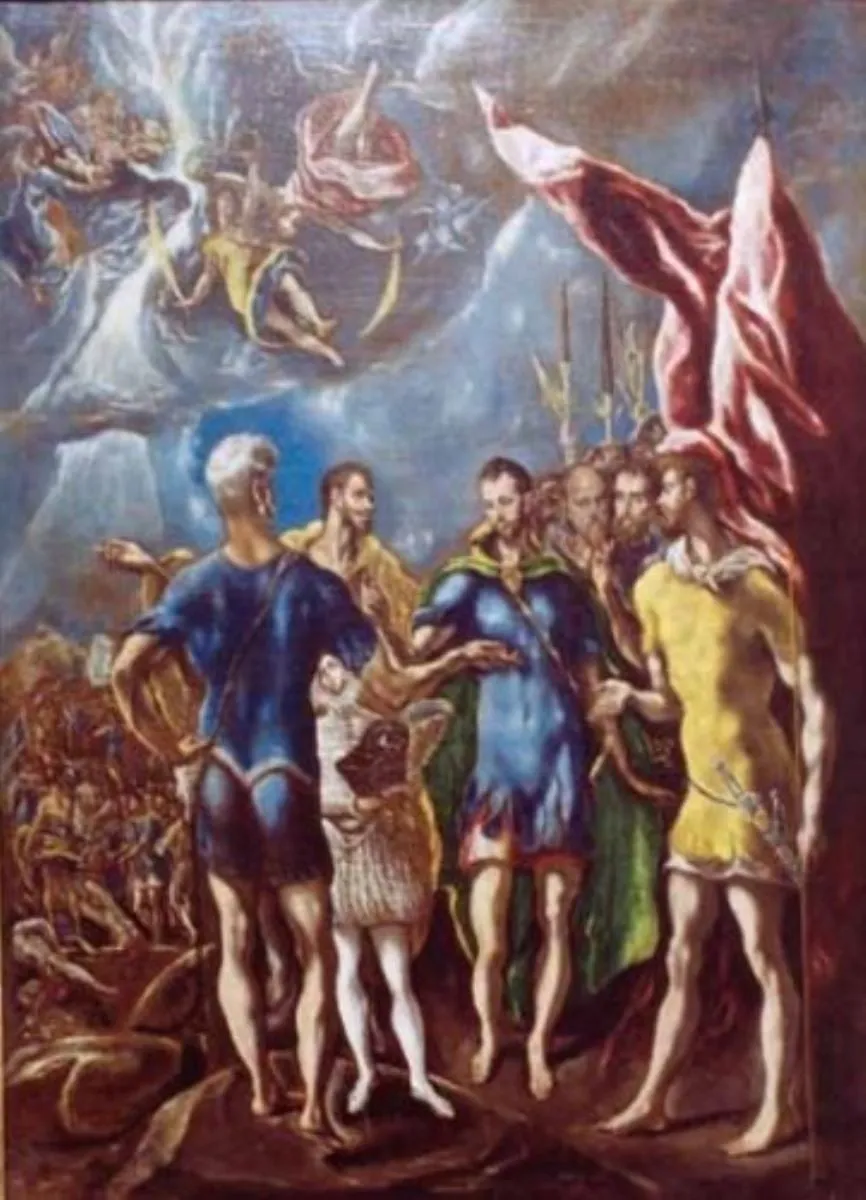
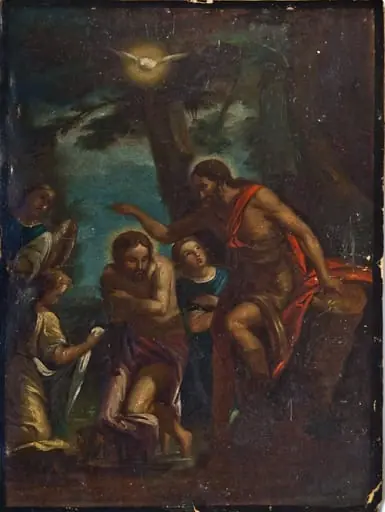
Martiriul Sfântului Mauriciu sau Martiriul celor zece mii de tebani is an unspecified painting by the Mannerist artist Domenikos zis El Greco Theotokopoulos. It dates from 1550 and is held in the collection of the National Museum of Art of Romania.
About this work
Overview
Attributed to Domenikos Theotokopoulos, known as El Greco, this work dates to around 1550 and depicts the martyrdom of Saint Maurice and the Theban Legion.
Attributed to Domenikos Theotokopoulos, known as El Greco, this work dates to around 1550 and depicts the martyrdom of Saint Maurice and the Theban Legion. The composition centers on six figures in classical attire set against a rugged terrain, with celestial beings hovering above. The scene merges earthly suffering with divine intervention, reflecting a devotional narrative rooted in hagiographic tradition.
Subject & Meaning
The painting illustrates the legend of the Theban Legion, Roman soldiers who refused to sacrifice to pagan gods and were executed for their Christian faith. The central figures represent the martyrs, while the ethereal forms above signify angels or divine witnesses. The upward gesture of one figure suggests spiritual ascent, reinforcing the theme of martyrdom as a path to heavenly reward.
Technique & Style
El Greco employs stark contrasts of light and shadow to heighten emotional intensity, particularly on the faces and drapery of the figures. The sky is rendered with fluid, swirling hues that convey movement and otherworldliness. The elongated proportions and stylized forms anticipate the artist’s later Mannerist tendencies, blending Byzantine iconography with Western compositional methods.
History & Provenance
This early work likely originated during El Greco’s formative years in Italy, before his move to Spain. Its attribution stems from stylistic analysis and documentary links to his apprenticeship period. The painting remained in private collections until entering public institutional care, where it is now preserved as a key example of his transitional phase between Byzantine and Western artistic influences.
Context
Created during a period of religious upheaval in Europe, the painting reflects the Counter-Reformation’s emphasis on martyrdom and steadfast faith. El Greco’s fusion of Eastern iconographic traditions with Italian Renaissance techniques mirrors the cultural crosscurrents of his time, as Greek-trained artists navigated the evolving visual language of Catholic devotion in Southern Europe.
Legacy
Though less known than his later Spanish works, this painting reveals the foundations of El Greco’s distinctive style. Its spiritual intensity and formal experimentation influenced subsequent generations of artists exploring emotional expression through elongated forms and dramatic lighting. It stands as an early testament to his unique synthesis of diverse artistic heritages.
Artist & collection
Artist
Domenikos zis El Greco Theotokopoulos
El Greco had a habit of signing his paintings in Greek, as if to say, "I know what I'm doing, even if you don't." His figures stretch like they're made of taffy, long and lean, lit by a light that seems to come from inside the canvas.

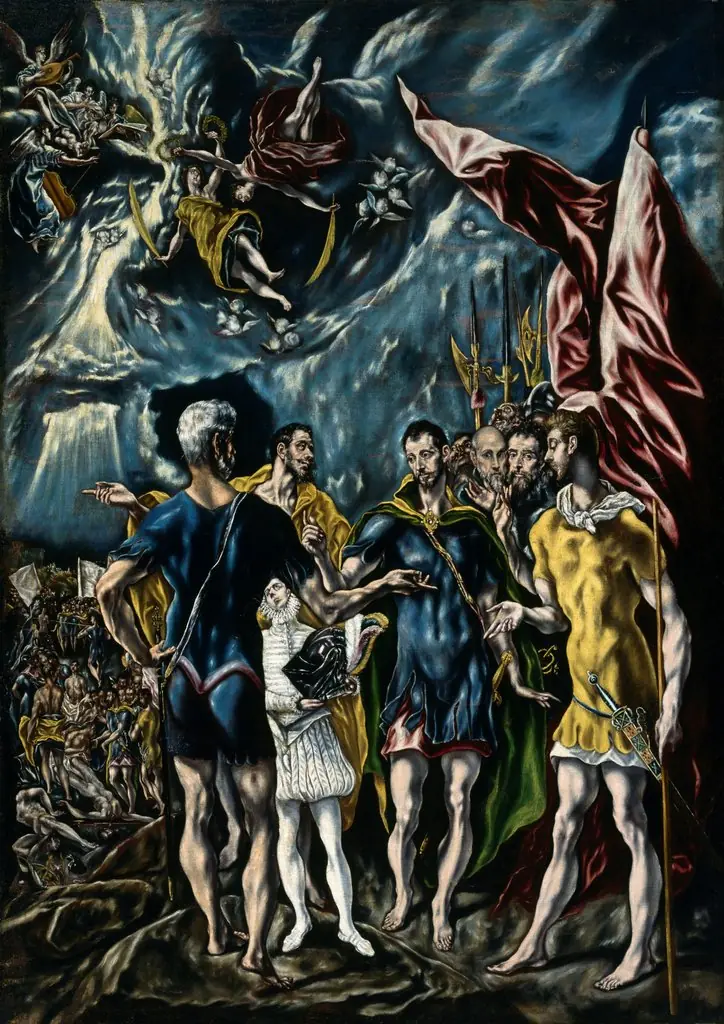 The Martyrdom of Saint Maurice
 Închinarea Magilor
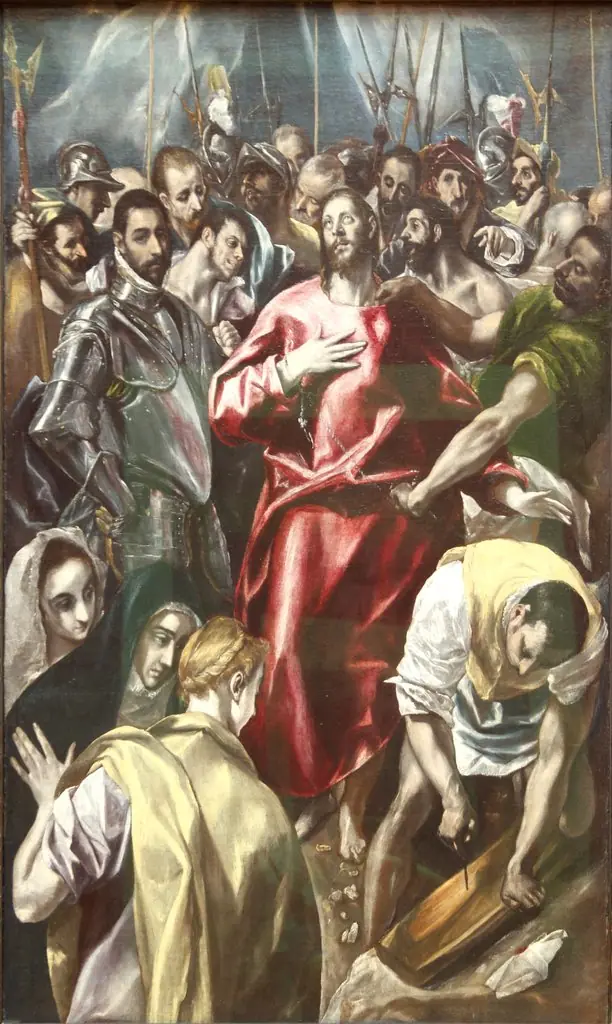 The Disrobing of Christ
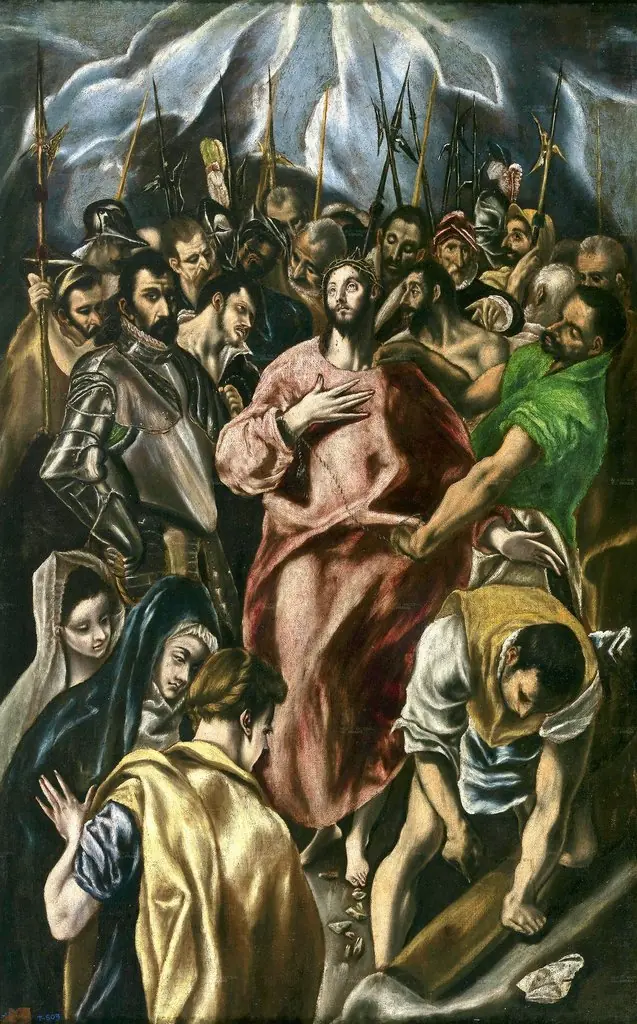 Disrobing of Christ (by J.M.Theotocópuli)
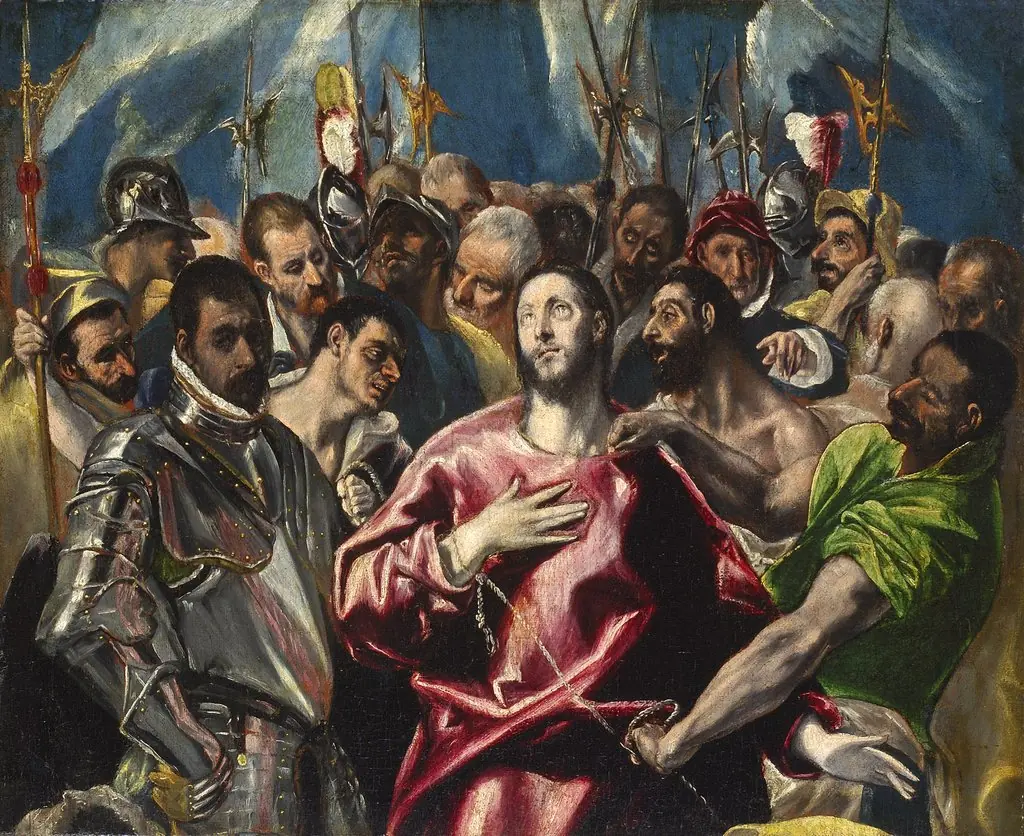 The Disrobing of Christ. Lyon half painting version
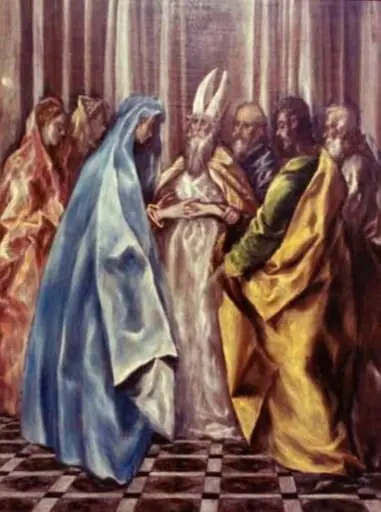 Logodna Fecioarei
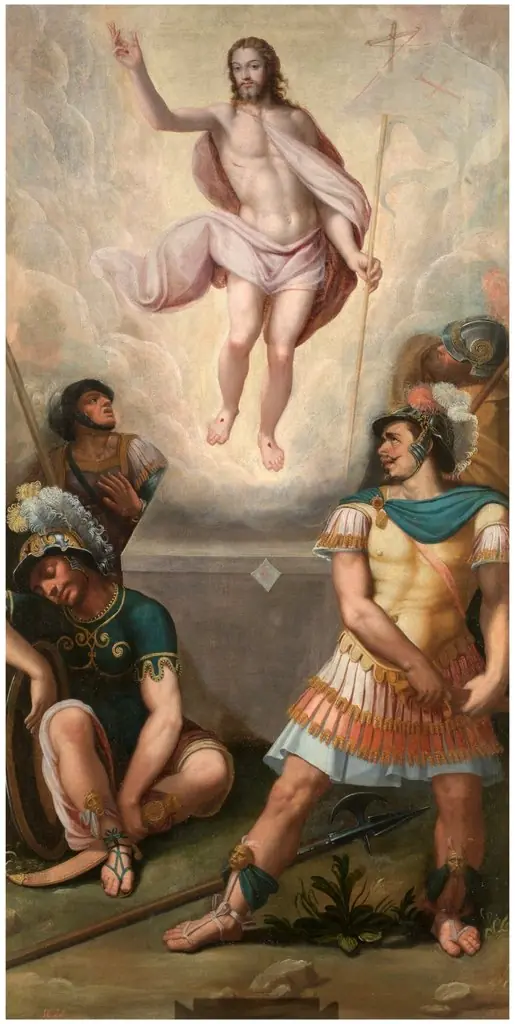 La Resurrección de Cristo
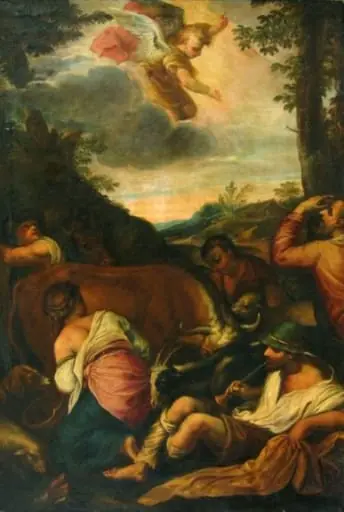 Vestirea nașterii lui Iisus
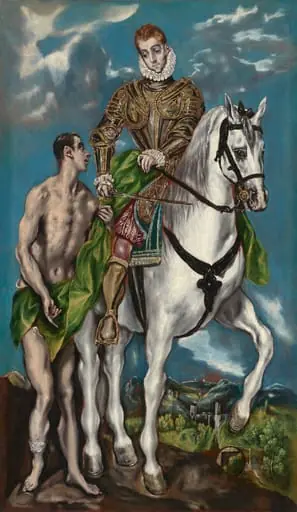 Saint Martin and the Beggar
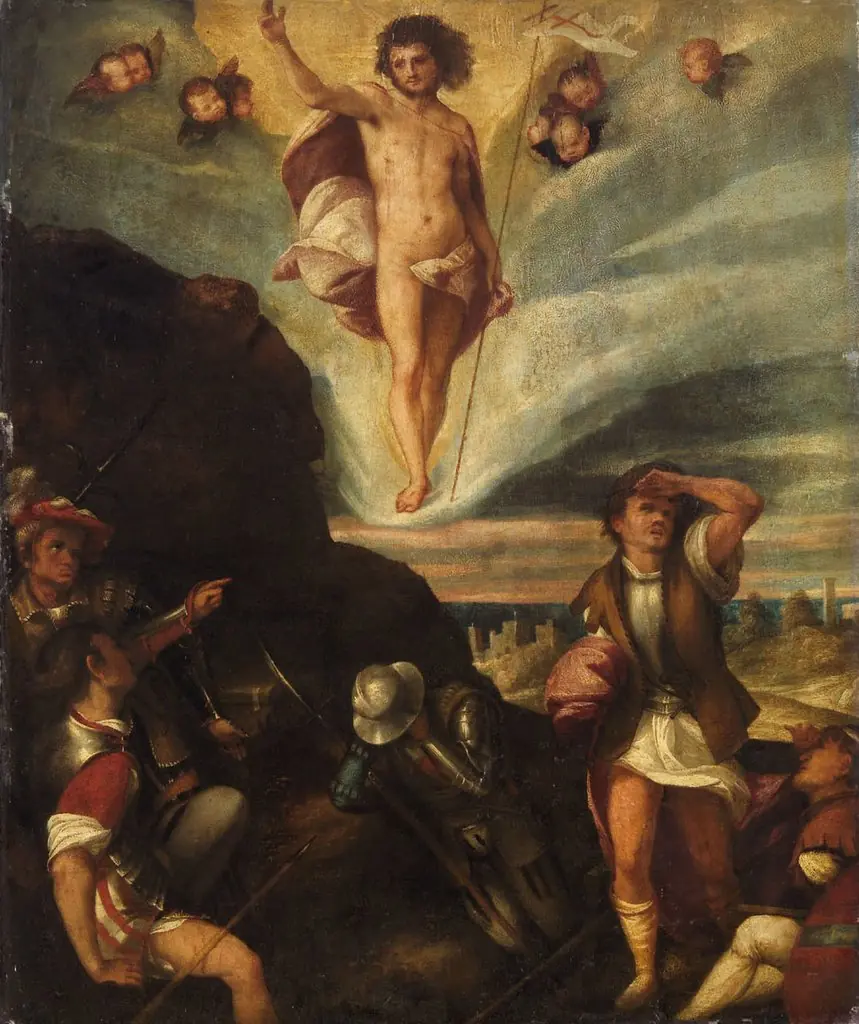 Ascension of Christ
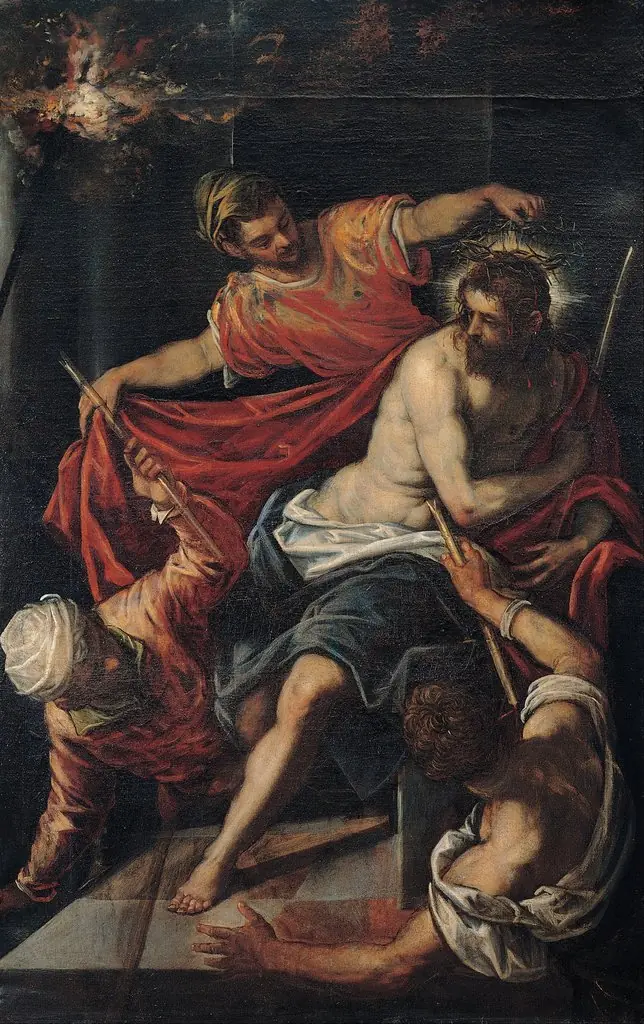 The Flagellation
 Botezul