Artwork
Porträt des David Garrick (1717-1779)
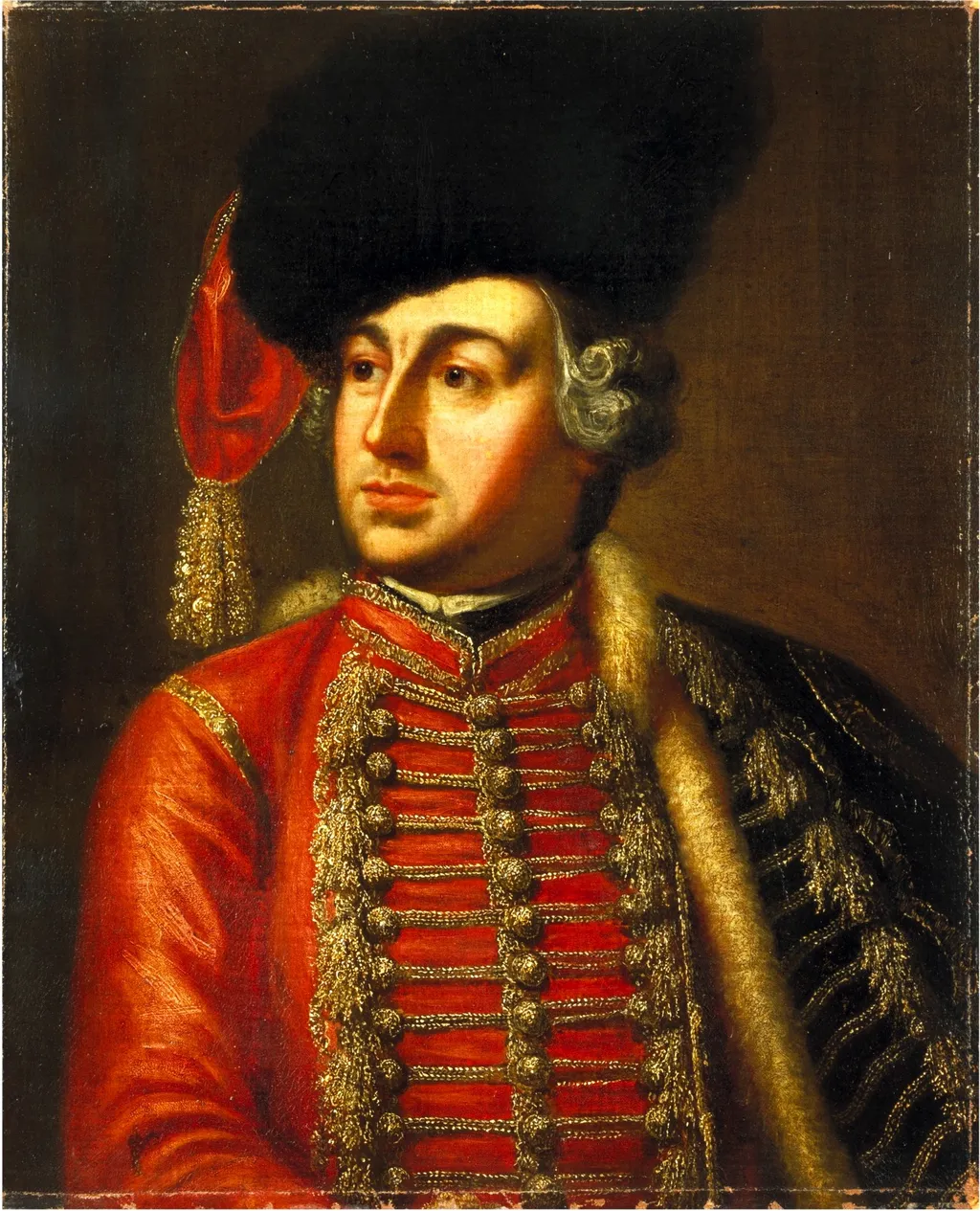
Porträt des David Garrick (1717-1779) is an oil painting by the Rococo painting artist Thomas Worlidge. It dates from 1752 and is held in the collection of the Victoria and Albert Museum.
About this work
Overview
Worlidge, known for his portraiture and engraving, captured Garrick in full ceremonial dress, reflecting both his social standing and professional identity.
Painted in 1752 by Thomas Worlidge, this oil portrait depicts the English actor David Garrick. The work is part of the Victoria and Albert Museum’s collection and represents a formal likeness of a prominent cultural figure of the mid-18th century. Worlidge, known for his portraiture and engraving, captured Garrick in full ceremonial dress, reflecting both his social standing and professional identity.
Subject & Meaning
David Garrick was a celebrated actor and theatre manager whose influence reshaped British stage performance. The portrait presents him not in costume for a specific role, but in a stylized civilian uniform—red coat with gold embellishments and a feathered hat—suggesting status, refinement, and perhaps a nod to his public persona. The attire conveys authority without military rank, aligning with Garrick’s role as a cultural leader.
Technique & Style
Worlidge employed traditional oil painting methods to render texture and light with precision. The fabric of the coat is rendered with attention to metallic threads and folds, while the white curls of Garrick’s hair are softly modeled. The background remains muted, focusing attention on the figure. The composition follows 18th-century conventions of portraiture, emphasizing dignity and presence over narrative detail.
History & Provenance
The painting was completed in 1752, during Garrick’s rise to national fame. It entered the Victoria and Albert Museum’s collection through the South Kensington Museum’s early acquisitions of British art and decorative objects. While its immediate provenance before museum acquisition is not fully documented, its preservation reflects the institution’s interest in figures of theatrical and social significance.
Context
In mid-18th-century Britain, portraiture served as a tool for asserting social and cultural authority. Garrick, as a leading actor, occupied a unique space between aristocracy and commoners. This portrait aligns with a broader trend of depicting artists and intellectuals in elevated, quasi-noble attire, bridging the gap between performance and public esteem in an era of growing middle-class cultural influence.
Legacy
Though Worlidge is less remembered today than his contemporaries, this portrait endures as a visual record of one of England’s most influential actors. It contributes to the historical documentation of theatrical culture and the evolving representation of artists in portraiture. The image remains a reference point for scholars studying 18th-century performance and identity.
Artist & collection

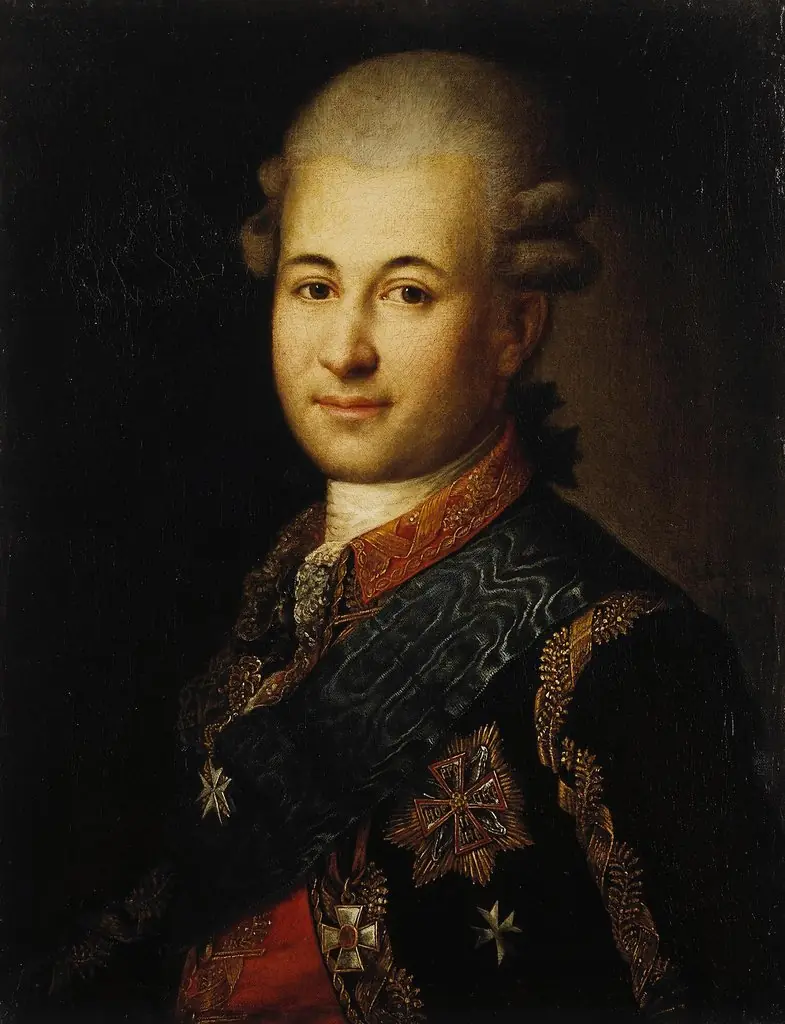 Portrait of Semion Zorich
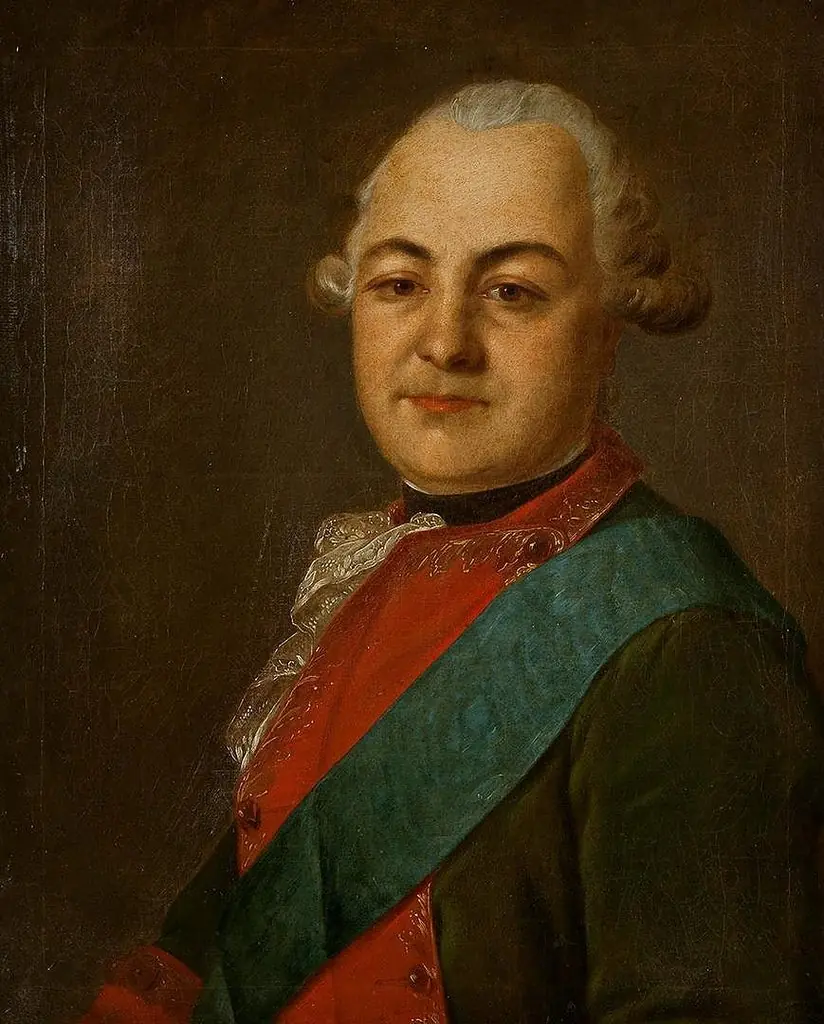 Portrait of Alexander Ilyich Bibikov
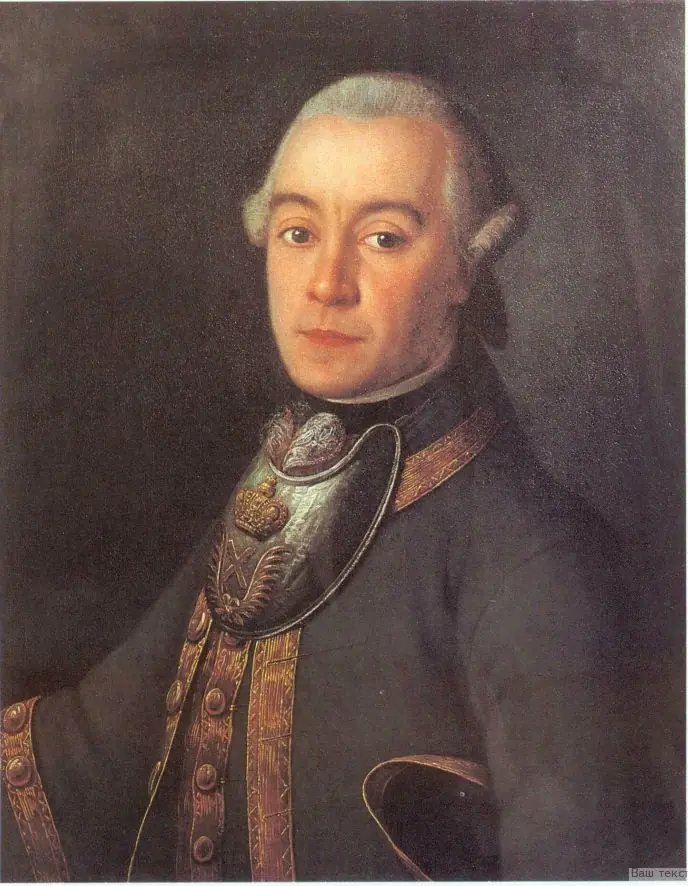 Untitled
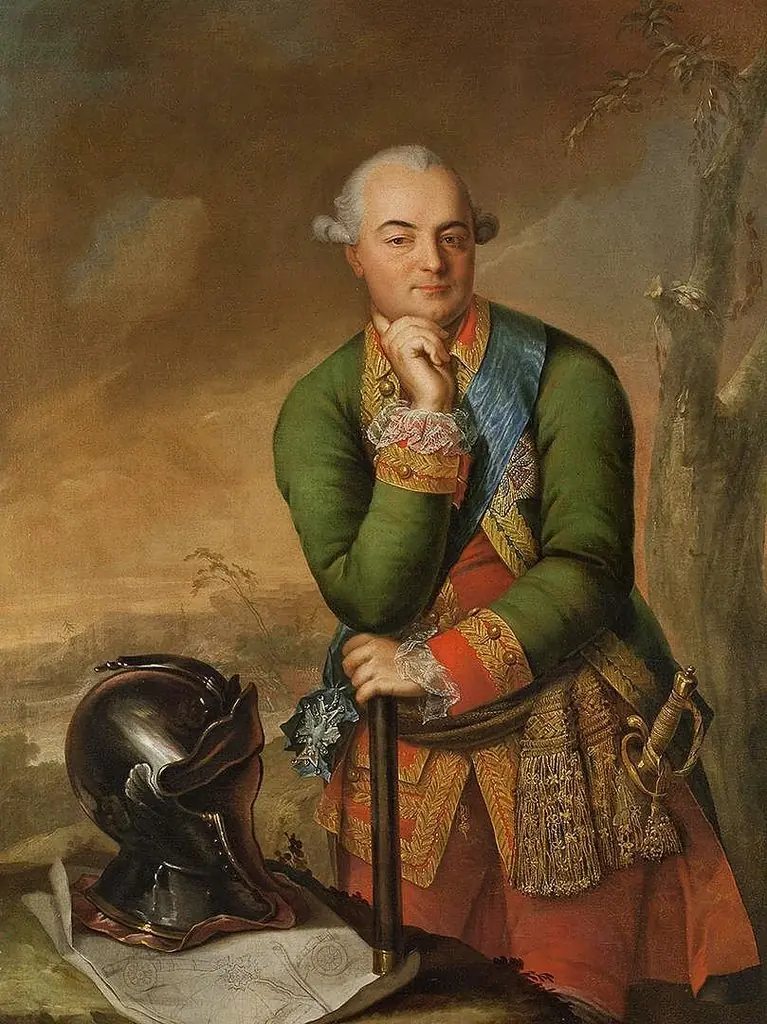 Portrait of Alliksandr I. Bibikov
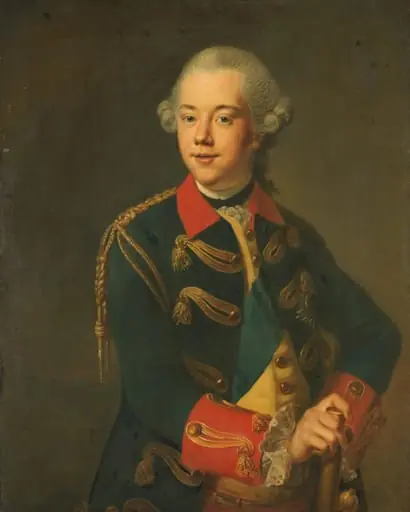 Portrait of William V, Prince of Orange-Nassau
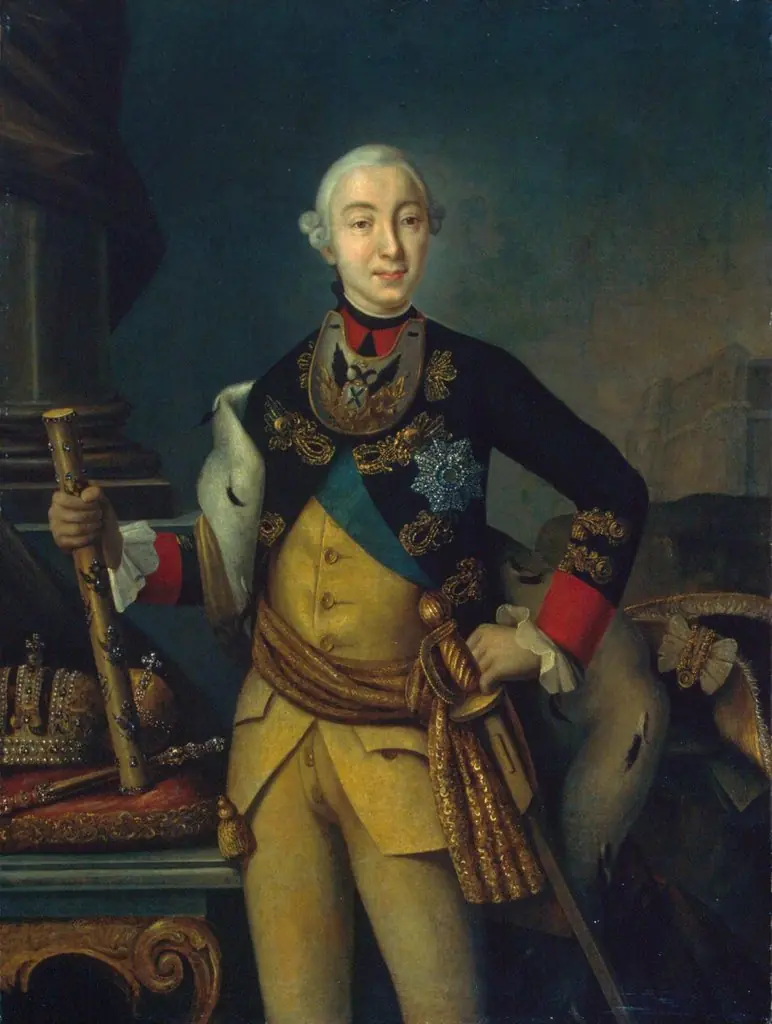 Portrait of Emperor Peter III
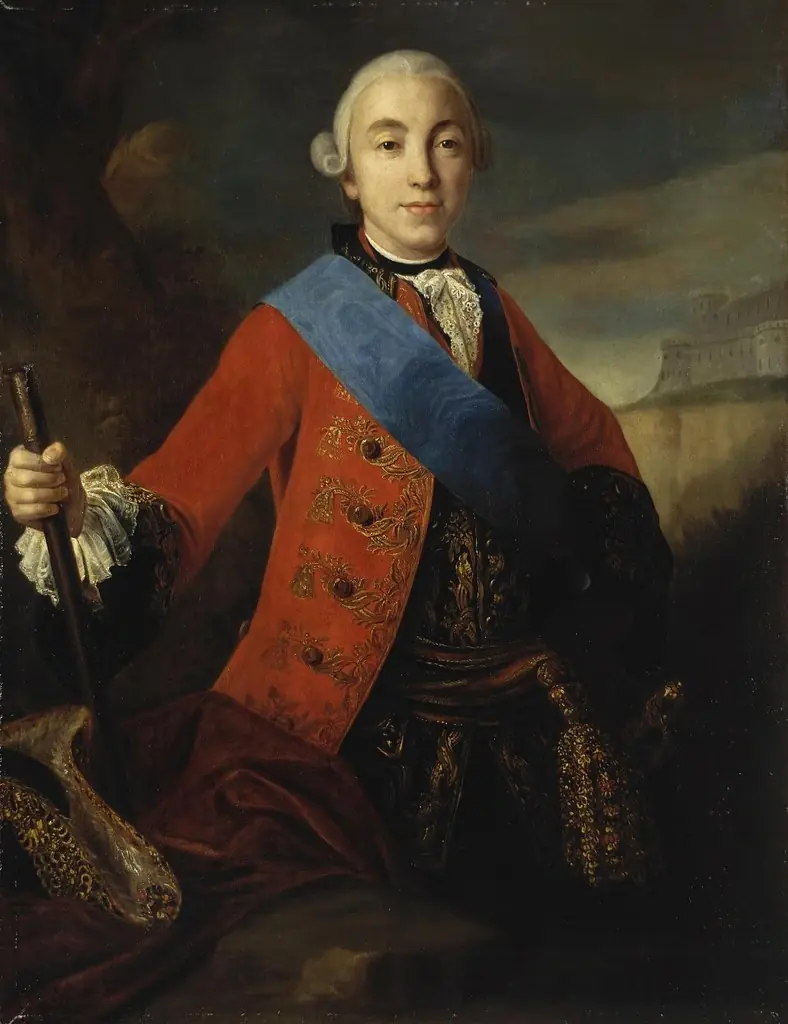 Portrait of Grand Duke Piotr Fiodorovich
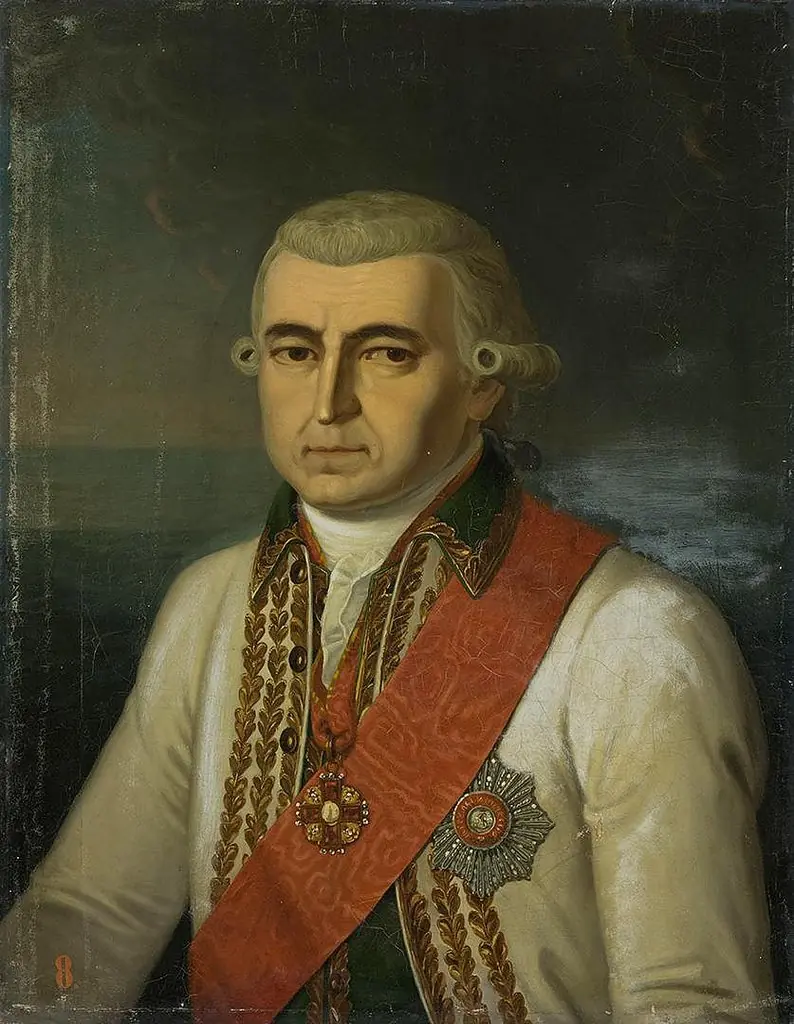 Portrait of Admiral A.I. Nagaev
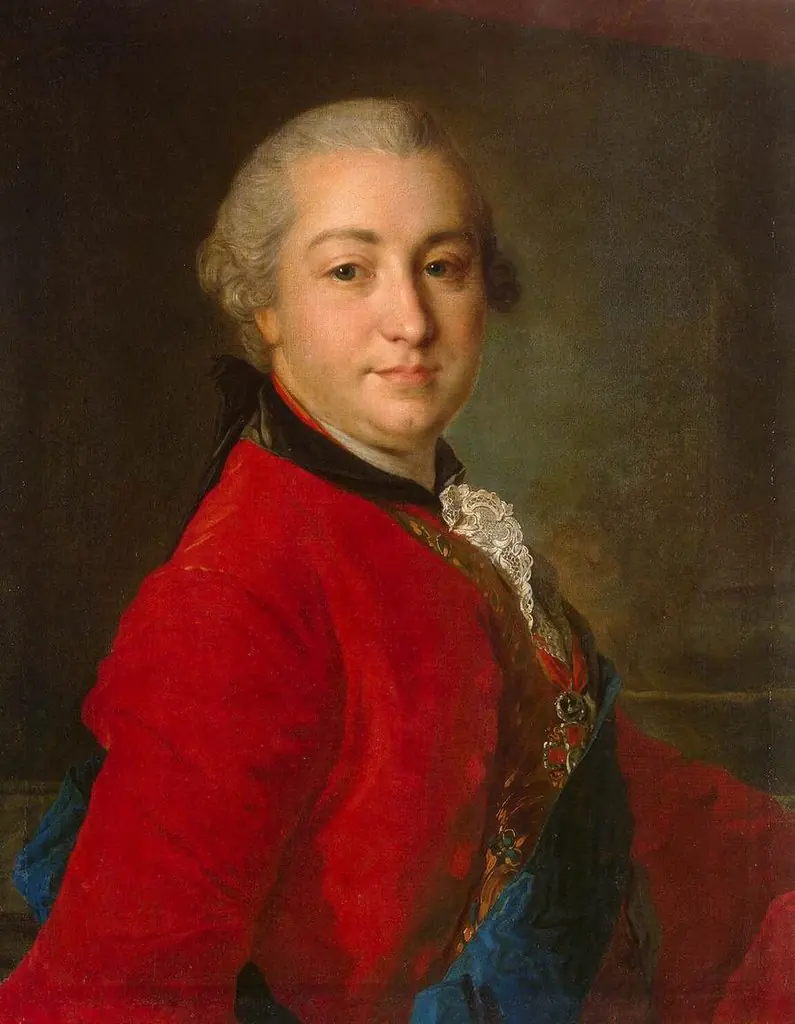 Portrait of Count Ivan Ivanovich Shuvalov
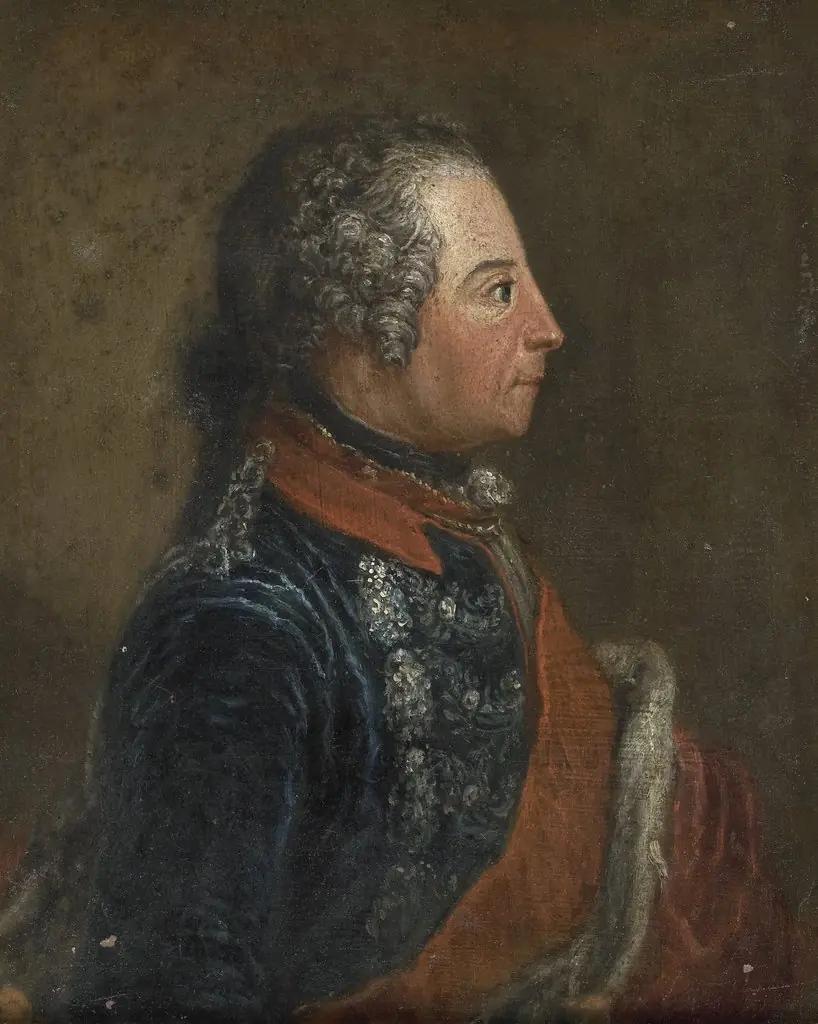 Frederick II the Great (1713-86), king of Prussia