Artwork
James Smith, Junior
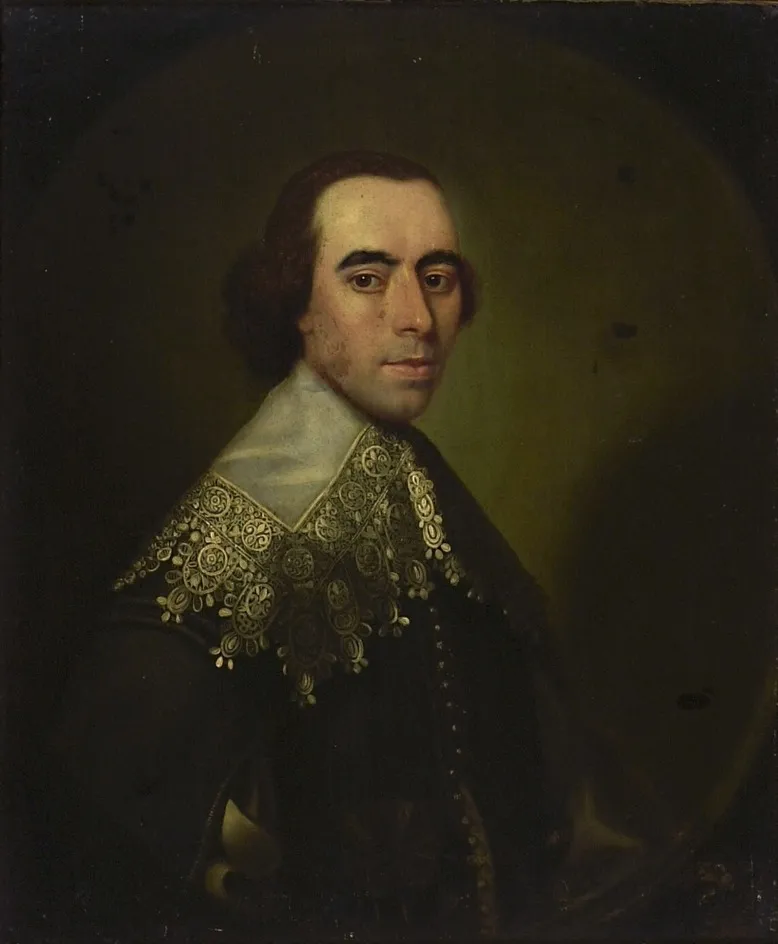
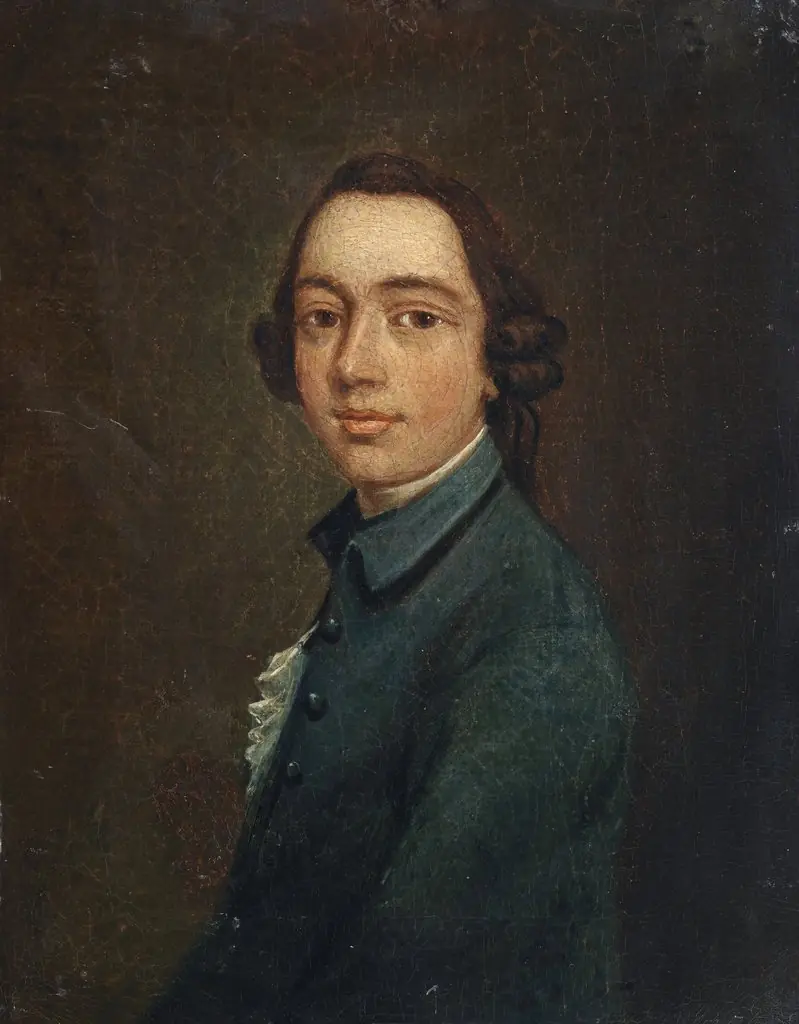
James Smith, Junior is an oil painting by the Rococo painting artist Thomas Worlidge. It dates from 1763 and is held in the collection of the Ashmolean Museum.
About this work
Overview
Painted in 1763 by Thomas Worlidge, this oil portrait depicts James Smith, Junior. The work is part of the Ashmolean Museum’s collection and exemplifies mid-18th-century British portraiture. Rendered with careful attention to texture and tone, it captures its subject in a composed, quiet demeanor, reflecting the values of refinement common among the period’s gentry.
Subject & Meaning
James Smith, Junior is portrayed in formal attire, suggesting his social standing.
James Smith, Junior is portrayed in formal attire, suggesting his social standing. The elaborate gold embroidery on his dark jacket signals wealth and attention to detail, while his restrained expression and turned gaze convey modesty rather than grandeur. The portrait likely served as a personal or familial record, emphasizing character over spectacle, consistent with the era’s preference for dignified representation.
Technique & Style
Worlidge employed fine brushwork to render the fabric’s texture, particularly the metallic threads of the jacket, which catch light with subtle variation. The background, a soft greenish-brown, recedes to focus attention on the figure. Visible brushstrokes add tactile depth without overt flourish, aligning with a restrained aesthetic that prioritizes realism over dramatic effect.
History & Provenance
The painting remained in private hands until entering the Ashmolean Museum’s collection. Its documented history is limited, but its preservation suggests it was valued by successive owners. No major alterations or restorations are recorded, allowing the original brushwork and tonal balance to remain largely intact since its completion in 1763.
Context
In the 1760s, British portraiture favored understated elegance over theatricality, especially among the professional and mercantile classes. Worlidge, though less renowned than contemporaries like Reynolds, was known for his precise, intimate depictions. This portrait reflects a broader trend: the rise of non-noble sitters seeking to assert status through quiet dignity rather than heraldic display.
Legacy
While Thomas Worlidge did not achieve lasting fame, his portraits, including this one, offer insight into the visual culture of provincial Britain. The painting endures as a quiet example of how personal identity was constructed through dress and demeanor in the 18th century, preserving the likeness of an individual otherwise absent from historical records.
Artist & collection

 Portrait of a Gentleman
 Samuel Hughes of Llwyn-y-Brain
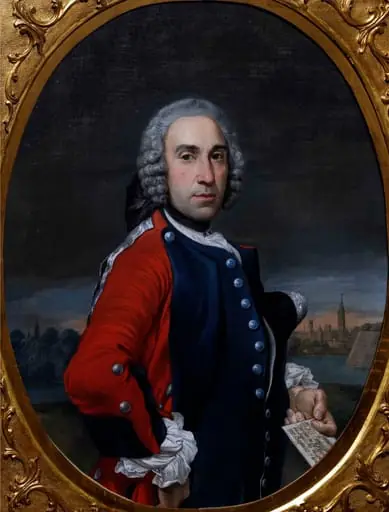 Portretul unui militar francez
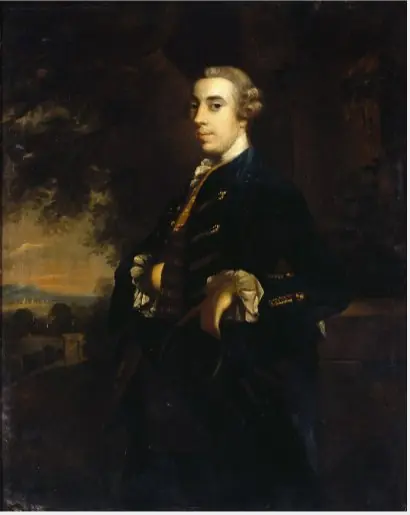 Portrait of James Fitzgerald, 20th Earl of Kildare, later 1st Duke of Leinster
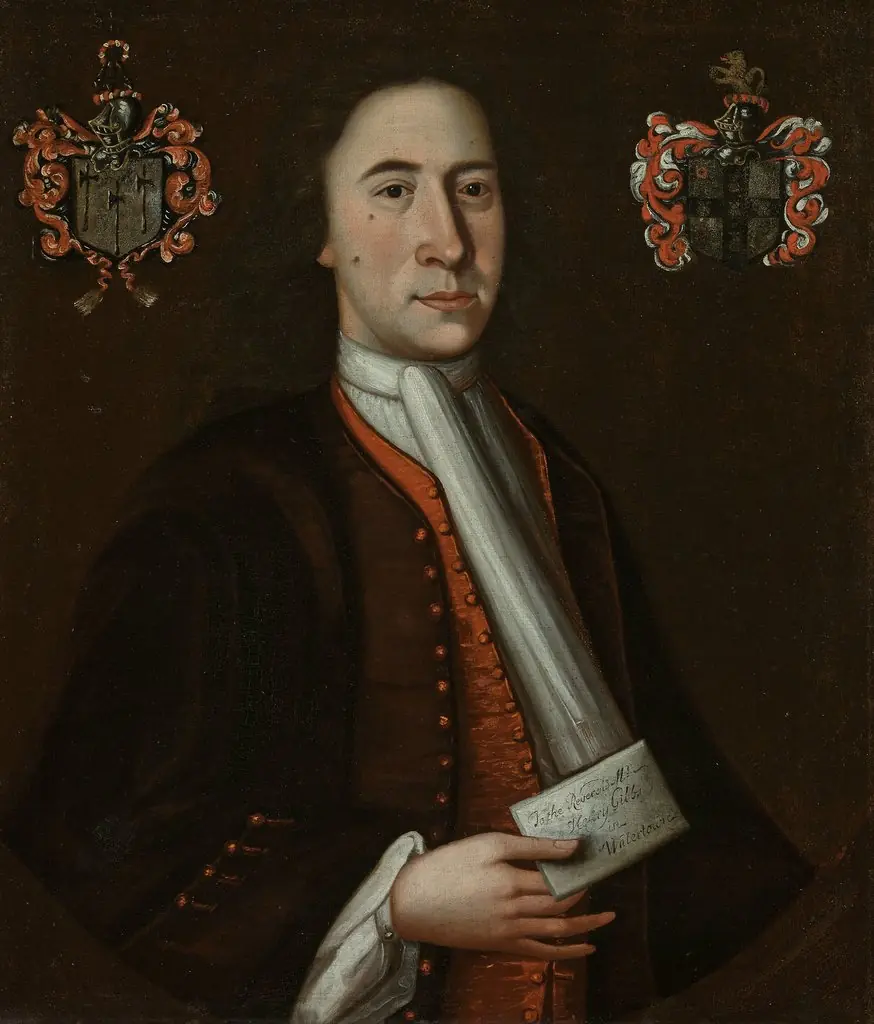 Henry Gibbs
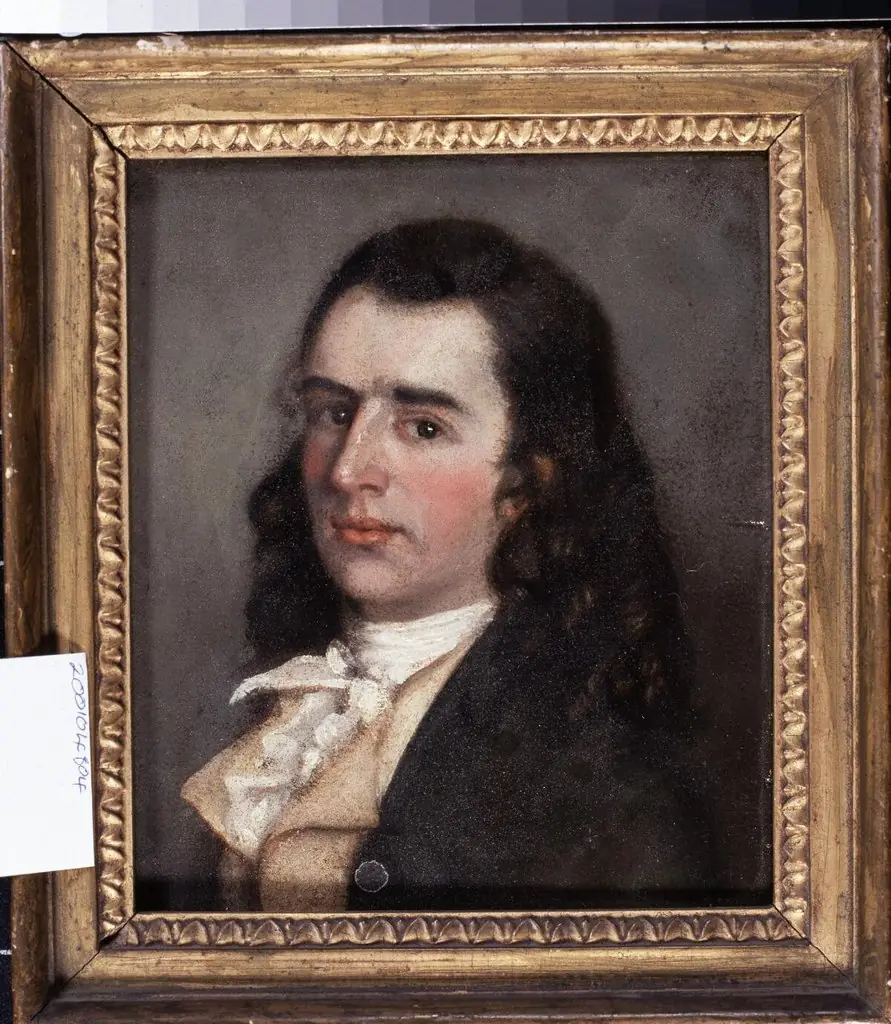 William Worthington
 Joseph Mann
 Portrait of John Rogerson
 Sir William Hood
 John Haskins
 Portrait of Henry Mossop (1729-1773), Actor
 Kaffehandler Christen Ravn, en ungdomsven af Juel