Artwork
Walter Baker, Inventor of a Medicine
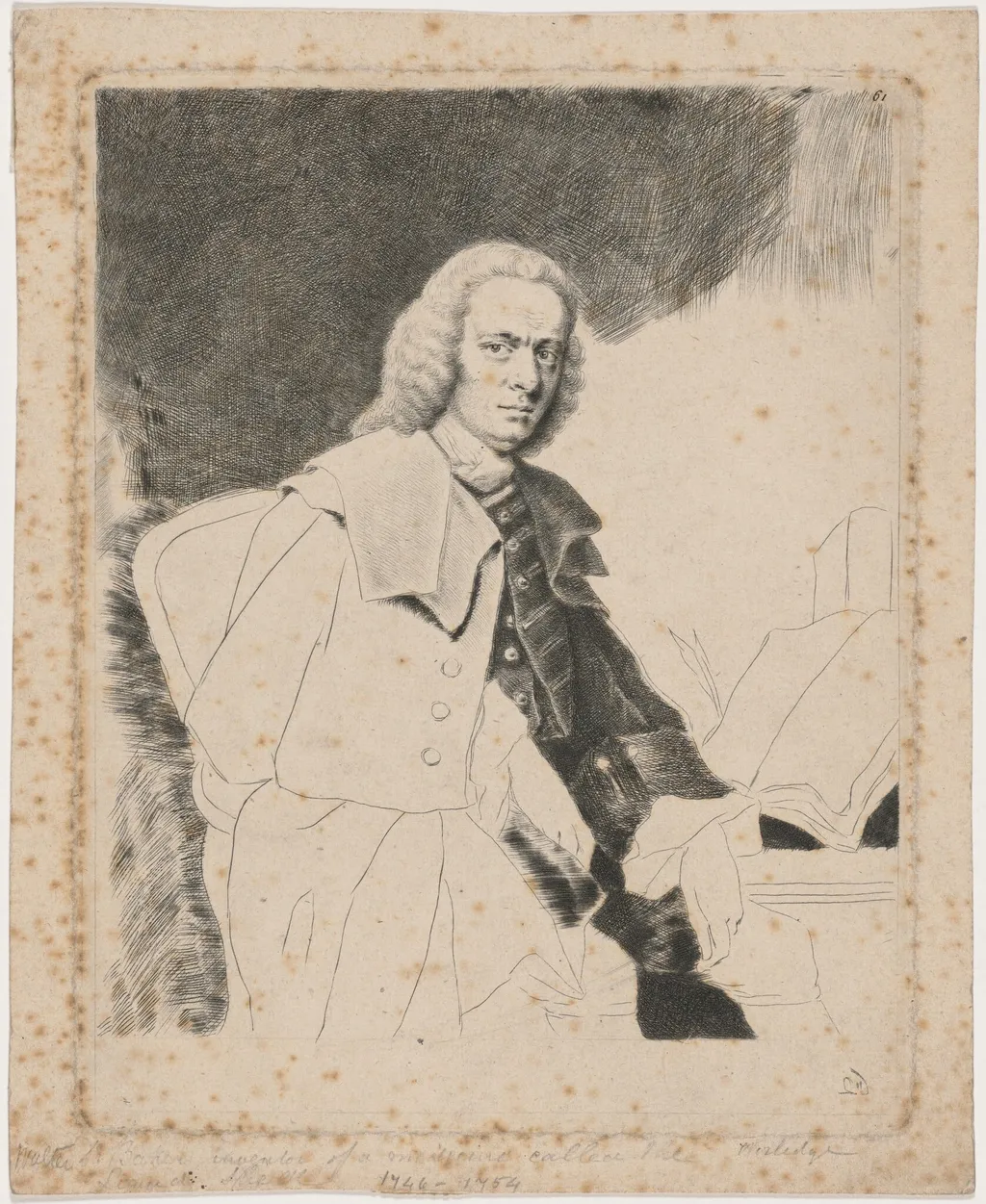
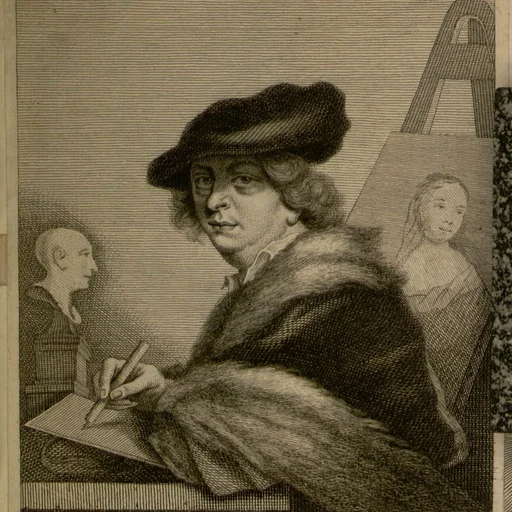
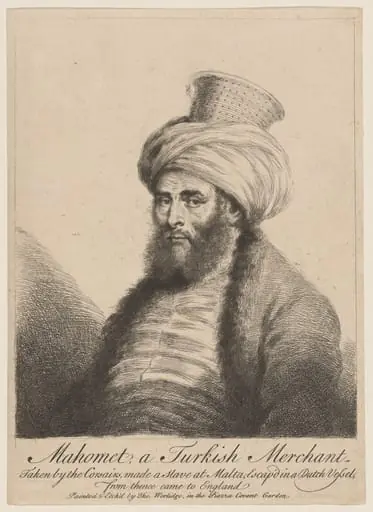
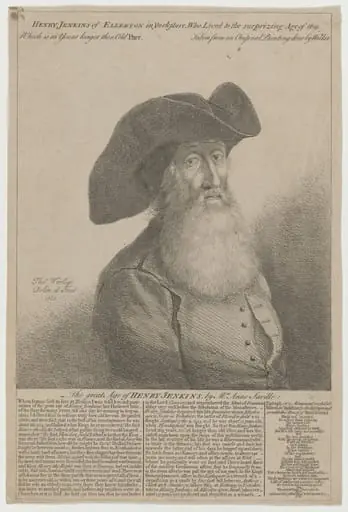
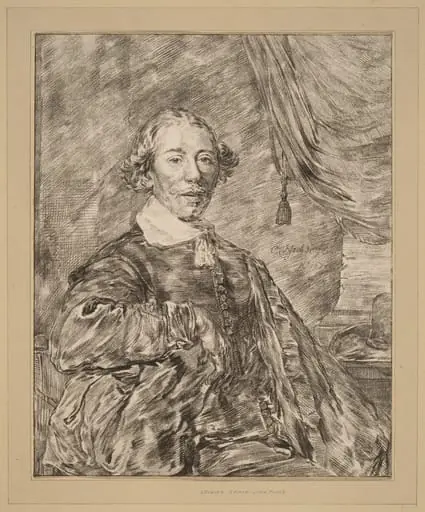
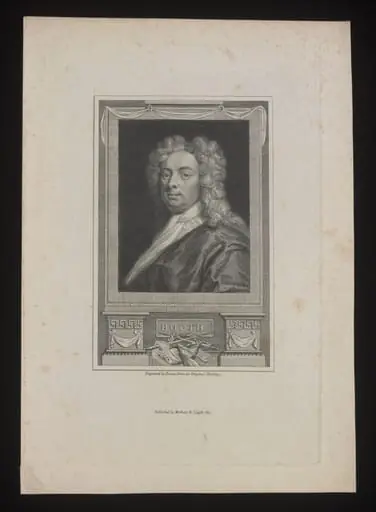
Walter Baker, Inventor of a Medicine is an ink print by the Baroque artist Thomas Worlidge. It dates from 1733 and is held in the collection of the National Gallery of Art.
About this work
Overview
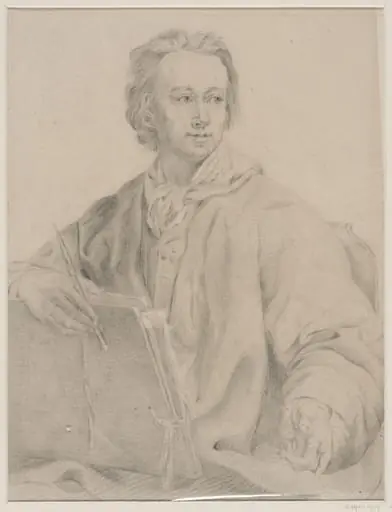
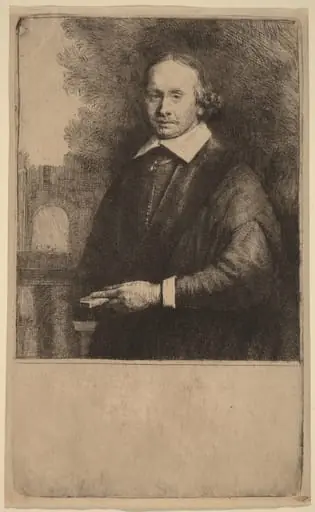
Thomas Worlidge’s 1733 etching, titled Walter Baker, Inventor of a Medicine, portrays a solitary figure at a desk surrounded by books and papers. The composition is rendered in monochrome, with a darkened background that isolates the subject. The work measures the intellectual atmosphere of the early eighteenth century, emphasizing study and invention through its restrained visual language.
Subject & Meaning
The central figure, dressed in period coat and waistcoat, sits with a serious expression, suggesting concentration on scholarly activity. The scattered documents and volumes imply research or composition, aligning with the title’s reference to a medical inventor. The piece conveys a quiet, contemplative mood, inviting viewers to consider the diligence behind scientific or literary pursuits.
Technique & Style
Executed as an etching, the image relies on fine line work and tonal shading to model form and depth. Worlidge employs chiaroscuro, using the dark backdrop to heighten contrast and draw focus to the illuminated desk scene. The style reflects Baroque sensibilities, particularly its interest in dramatic lighting and the portrayal of intellectual labor.
History & Provenance
Created in 1733, the print is attributed to English artist Thomas Worlidge, known for his detailed engravings and portraits. It has been catalogued in several eighteenth‑century print collections and remains in the holdings of institutions that specialize in British printmaking, though its exact ownership trail prior to modern acquisition is not fully documented.
Context
The work emerges from a period when scientific inquiry and the professionalization of medicine were gaining public attention in Britain. Portraits of scholars and inventors were common, serving both as documentation and as visual celebration of intellectual achievement. Worlidge’s etching fits within this broader cultural trend, reflecting the era’s esteem for learned individuals.
Artist & collection