Artwork
Le magnifique
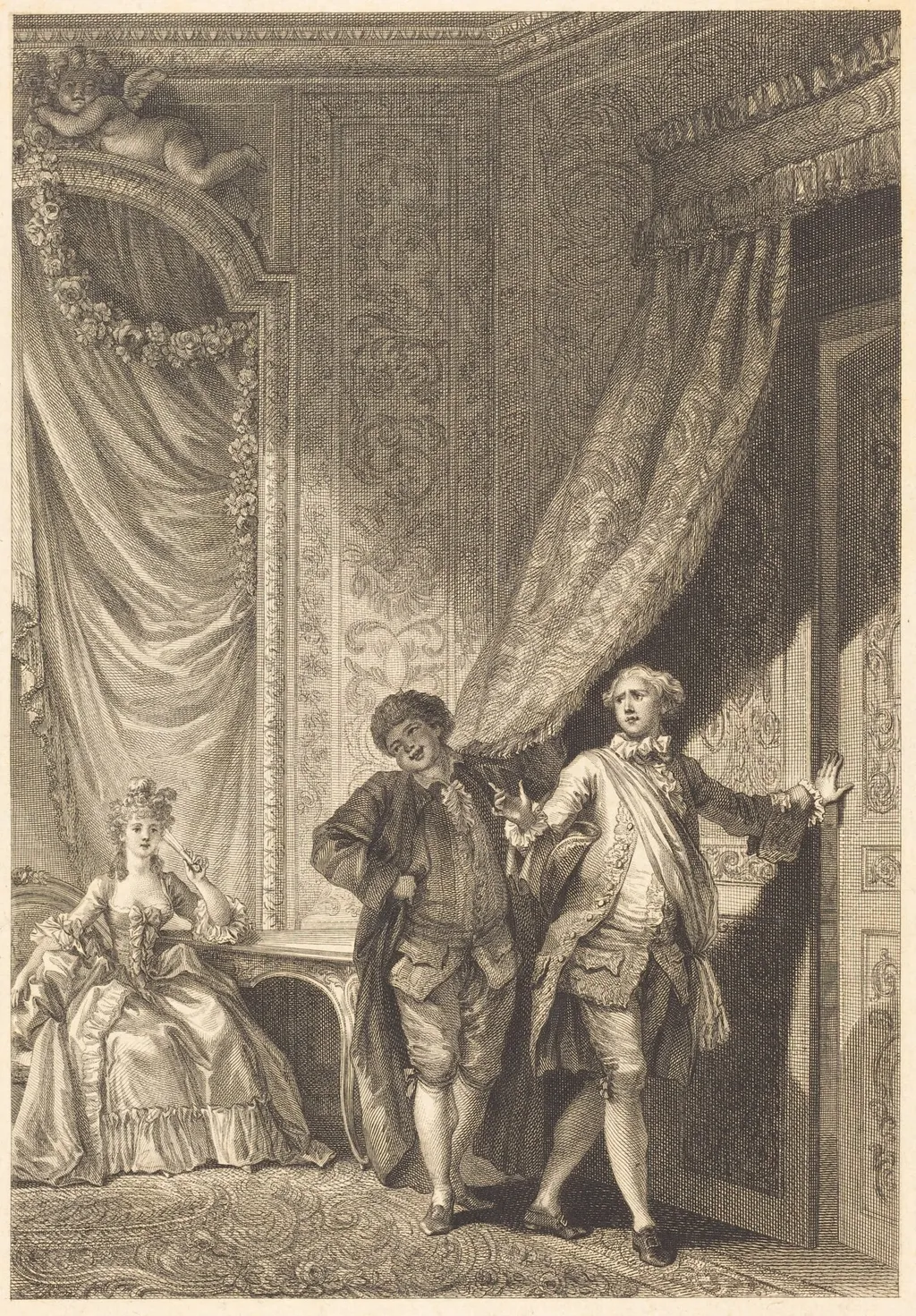
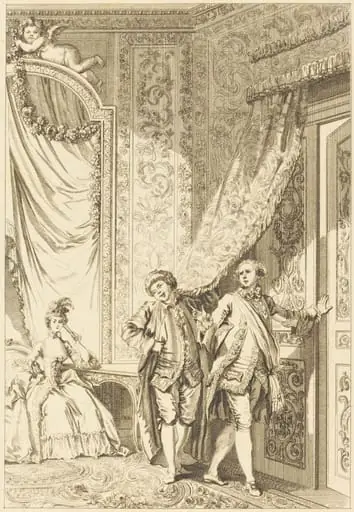
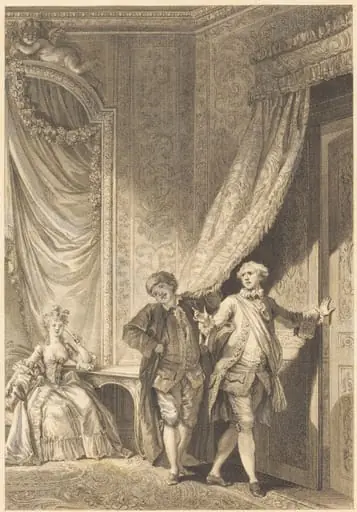
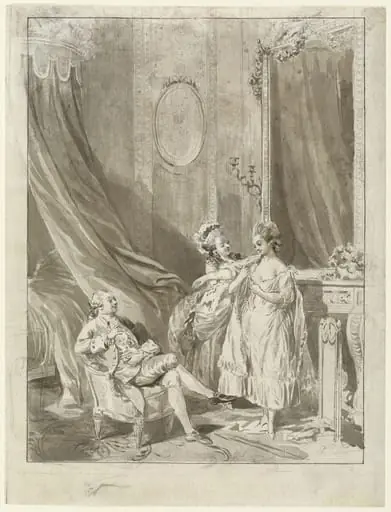
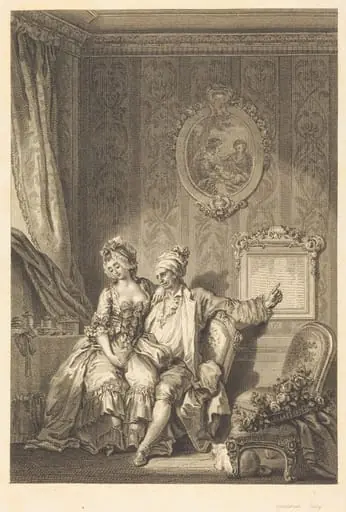
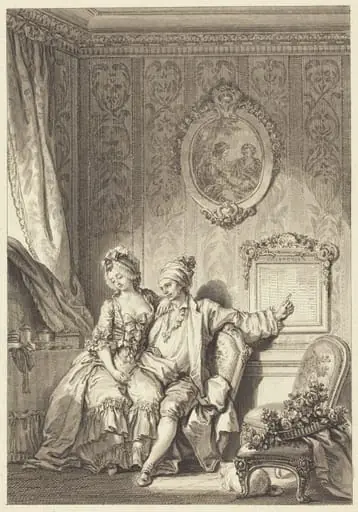
Le magnifique is an ink print by the Baroque artist Jean-Baptiste Tilliard. It dates from 1776 and is held in the collection of the National Gallery of Art.
About this work
Overview
The composition is framed by ornate drapery and architectural details, suggesting an affluent domestic or theatrical setting.
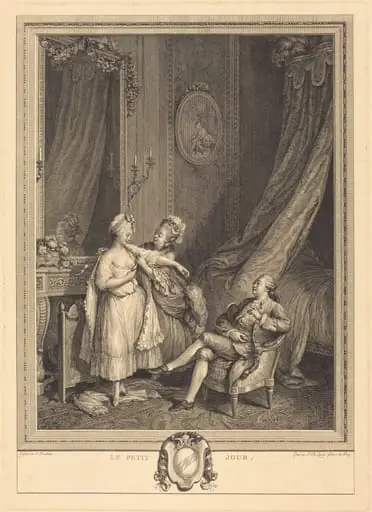
Le magnifique is a black-and-white print produced in 1776 by Jean-Baptiste Tilliard using etching and engraving techniques. It depicts a quiet interior scene with three figures: a seated woman and two standing men, arranged with formal poise. The composition is framed by ornate drapery and architectural details, suggesting an affluent domestic or theatrical setting. The work captures a suspended moment, emphasizing gesture and attire over narrative action.
Subject & Meaning
The figures appear engaged in a moment of social ritual, their postures and objects—such as the fan and flower—hinting at unspoken interaction. The woman’s hand near her face suggests contemplation or restraint, while the men’s contrasting attire and gestures imply differing roles or statuses. The scene may reflect contemporary aristocratic manners or draw from theatrical conventions, though no specific story is confirmed. The emphasis is on demeanor rather than plot.
Technique & Style
Tilliard employed fine lines and controlled shading to model form and texture, using etching for delicate contours and engraving for sharper, deeper marks. Light is rendered through gradations of ink, highlighting the men’s faces and fabrics while leaving the woman’s dress in softer shadow. The detailed wall carvings and heavy curtains demonstrate precision in rendering ornamental surfaces, typical of late 18th-century printmaking’s attention to decorative realism.
History & Provenance
Created in 1776, the print likely circulated among collectors or as an illustration for literary or theatrical publications of the period. No documented early ownership records are widely known, and its survival suggests it was preserved as an example of refined graphic art. Tilliard, primarily known for reproductive prints, may have produced this as an original composition to showcase his skill in capturing aristocratic interiors.
Context
In the decades before the French Revolution, prints like this reflected the visual culture of the French elite—emphasizing elegance, interior decor, and social nuance. Etching and engraving were favored for their ability to reproduce fine detail, making them ideal for disseminating images of fashion, architecture, and manners. This work aligns with a broader trend of prints that documented private life as a mirror of societal values.
Legacy
Le magnifique remains a modest but well-crafted example of late 18th-century French printmaking. While not widely reproduced in modern scholarship, it illustrates the technical precision and social observation characteristic of Tilliard’s output. Its preservation in institutional collections underscores its value as a record of period aesthetics and the role of prints in shaping visual culture beyond painting.
Artist & collection