Artwork
Mănușar cu corp sferoidal și gura largă. Prezintă o toartă peste gură. Decorul este geometric: linii drepte și ondulate pictate alternant în culorile crem și maro reprezentând litera ”V” și ”V” întors, puncte maro, și motivul rombului. Prezintă cioc ușor reliefat. Smălțuit la interior și exterior. Cromatică: fundal alb; maro deschis, maro închis.
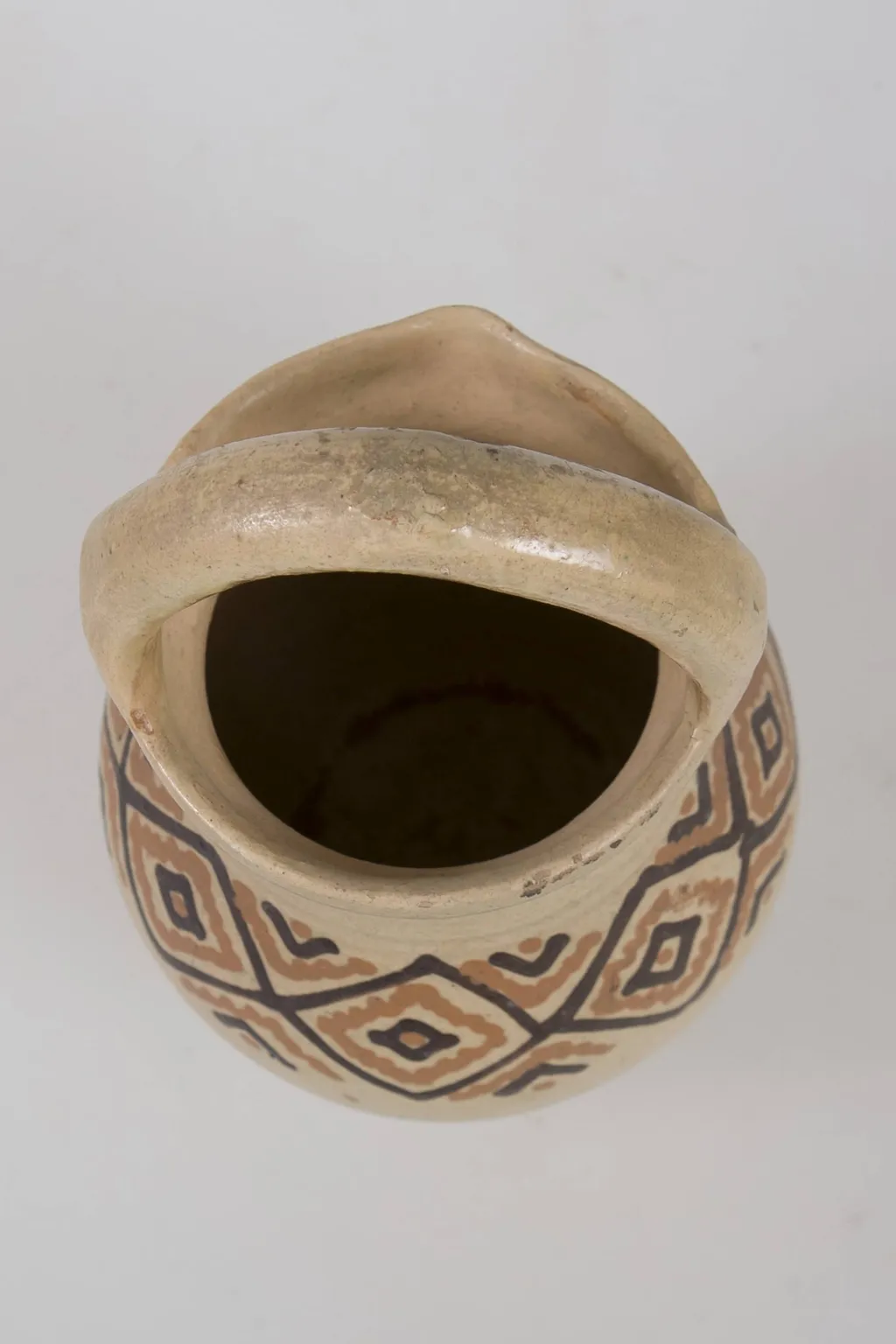
Mănușar cu corp sferoidal și gura largă. Prezintă o toartă peste gură. Decorul este geometric: linii drepte și ondulate pictate alternant în culorile crem și maro reprezentând litera ”V” și ”V” întors, puncte maro, și motivul rombului. Prezintă cioc ușor reliefat. Smălțuit la interior și exterior. Cromatică: fundal alb; maro deschis, maro închis. is a photography by Toc Gheorghe. It is held in the collection of the ASTRA National Museum Complex.
About this work
Overview
Mănușar is a clay pot characterized by a spheroidal body and wide, flaring rim, adorned with a raised beak-like detail on the rim and a handle above the mouth.
Mănușar is a clay pot characterized by a spheroidal body and wide, flaring rim, adorned with a raised beak-like detail on the rim and a handle above the mouth. The vessel features a geometric decorative scheme, with alternating straight and wavy lines in cream and brown, forming 'V' shapes, inverted 'V's, brown dots, and rhombus motifs. The interior and exterior are glazed, with a predominantly white background complemented by light and dark brown accents.
Subject & Meaning
The subject of Mănușar is its functional form as a pot, elevated by decorative elements. The geometric patterns, including 'V' shapes and rhombi, may hold cultural or symbolic significance, though specific meanings are not explicitly stated in the provided information. The overall design suggests a blend of utility and traditional aesthetic.
Technique & Style
Mănușar exemplifies a style characterized by simplicity, clarity, and repetition of geometric motifs. The technique involves hand-painting with a limited, earthy color palette (cream, light and dark brown on a white background) and glazing both interior and exterior surfaces for a shiny finish. The raised beak-like detail on the rim adds a subtle textural element.
History & Provenance
Limited information is provided regarding the history and provenance of Mănușar. However, it is noted that similar objects can be found at the Museum of Ethnography, suggesting its origin or style might be associated with ethnographic or folk traditions, though specific historical context or ownership history is not detailed.
Context
Mănușar can be contextualized within traditional clay pottery practices, particularly those emphasizing geometric decorations. Its style and craftsmanship align with folk or ethnographic artifacts, indicating a possible connection to cultural heritage or everyday use in a specific region or community, though the exact context remains unspecified.
Artist & collection
Artist
Gheorghe Toc made earthenware jugs, bowls, and pitchers with geometric or floral patterns and rich colors like brick red, cream, and green.

 Castron mic de formă tronconică, cu baza marcată printr-un inel proeminent. Buză cu contur rotund în exterior și ascuțit în interior. Decorul floral ce constă dintr-o floare pictată cu cornul în interior, pe fundul vasului. Cromatică: fond: alb-crem; motive: galben; negru; verde.
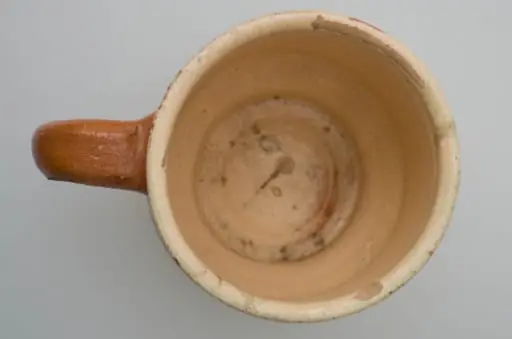 Cană de formă ușor tronconică cu inel răsfrânt în exterior. Prezintă toartă ce pleacă de sub buză și se unește cu corpul spre bază. Smălțuită în interior și exterior. Decor: floare cu patru petale realizată cu cornul din hume naturale; brâu de dungi scurte. Cromatică: fond maro; motive: alb; negru; verde.
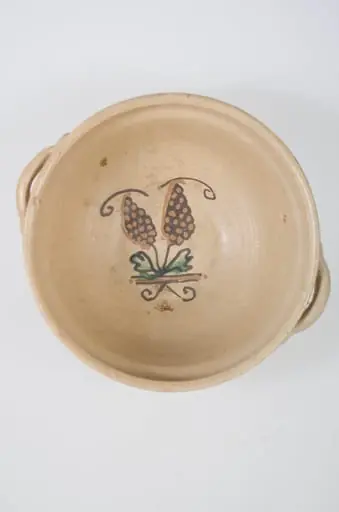 Farfurie de formă tronconică cu buza răsfrântă. Vasul este smălțuit atât la interior cât și la exterior. Decorul este amplasat pe fundul vasului motive florale (buchet) și motive fitomorfe (vrej). Cromatică; fond: alb-crem; motive: galben; negru; verde.
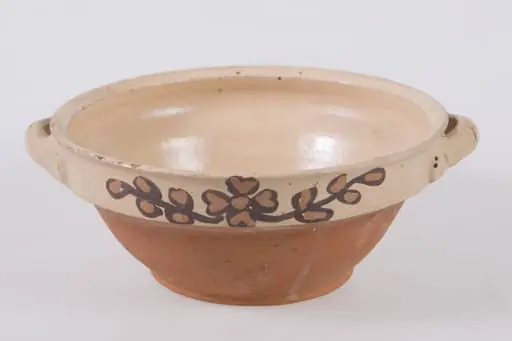
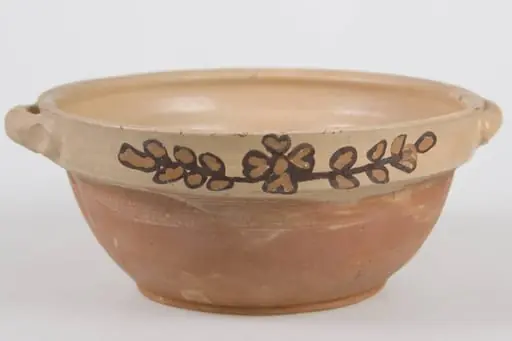 Vas tronconic cu buza răsfrântă. Prezintă două toarte mici fixate diametral opus la nivelul buzei. Decorul este poziționat într-un registru central format din motive florale (buchet) și motive fitomorfe (vrej). Cromatică: fond: crem; motive: maron deschis; maron închis; verde.
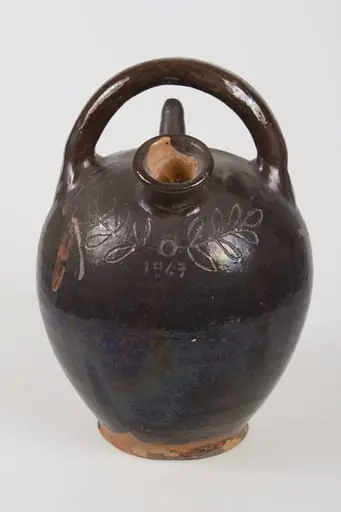 Recipient din lut de formă sferică, prevăzut cu două orificii la partea superioară și toartă. Sub gură, frontal, sunt incizate motive vegetale - o creangă cu frunze și anul ”1967''. La capătul opus, țuțul subțire este încadrat de două flori incizate cu tulpini și frunze. Cromatică: brun închis.
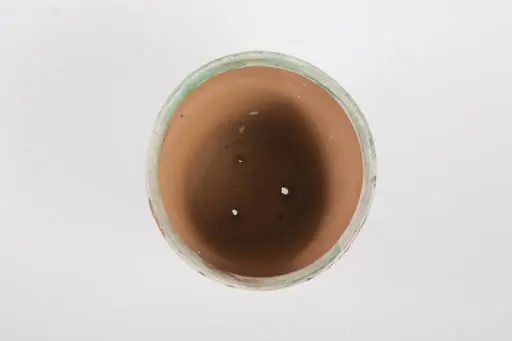 Vas de mici dimensiuni de formă tronconică cu baza mai mică; manșon sub gură lat de 4 cm, decorat cu motive geometrice: șir de romburi înscrise realizate cu cornul. Fund perforat pentru scurgerea apei. Cromatică: fond: cărămiziu; motive: galben; negru.
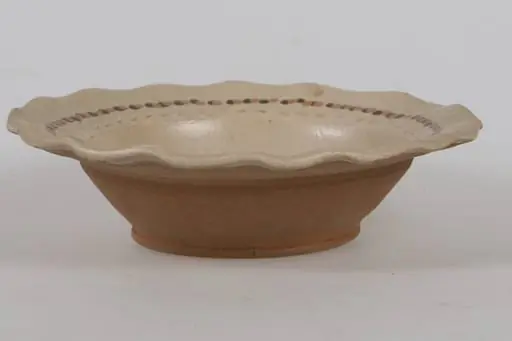 Farfurie de formă tronconică cu baza marcată printr-un inel proeminent perforat pentru atârnare pe perete cu buza lată, mult înclinată în afară și ondulată. Decorată cu un motiv central: floare; brâu alveolat pe buză realizat cu unghia si un alt brâu de puncte realizate cu cornul. Smălțuită la interior și la exterior. Cromatică: fond: bej; motive: maron închis; maron deschis.
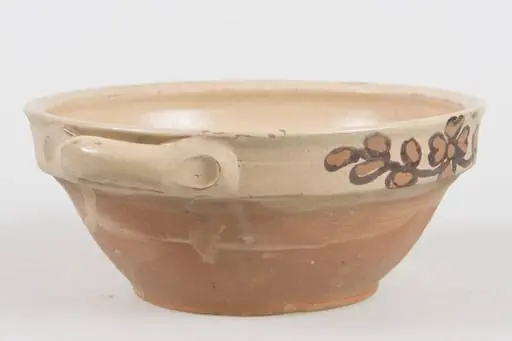 Vas de formă tronconică, cu baza marcată printr-un inel proeminent, buza ușor răsfrântă continuată cu o bandă lată, de care sunt fixate două torți dispuse orizontal ce au la capete impresiuni alveolate, rămase de la lipirea lor prin apăsare cu degetul. Cromatică: fond: crem; motive: verde; maron deschis; maron închis.
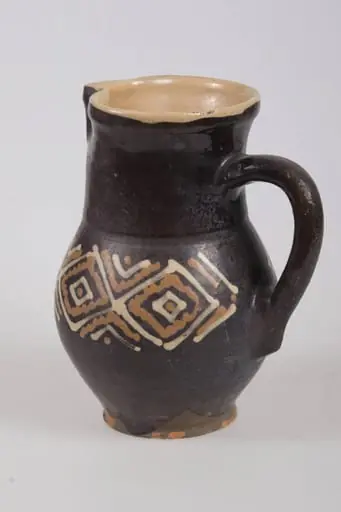 Cană de formă sferoidală cu inel la bază, gât înalt și drept cu gura bilobată. Toarta este fixată de la gât la mijlocul vasului. La capătul inferior al toartei avem un pinten. Gura este dreaptă cu buza ușor răsfrântă. Angobat, smălțuit în interior și în exterior. Decor format din motive geometrice: brâu de romburi colorate realizat cu cornul. Cromatică: fond: maro închis; motive: alb; galben; negru.
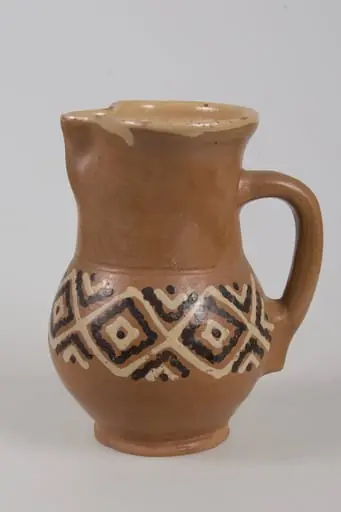 Vas din lut de formă sferoidală cu inel la bază, gât înalt și drept, cu toartă prinsă între gât și mijlocul vasului. Capătul inferior al toartei are un pinten. Angobat in interior cu smalț la exterior și interior. Decor cu motive geometrice: brâu de romburi pictat cu corn in hume naturale; două dungi imprimate cu piaptănul. Prezintă cioc de scurgere. Cromatică: fond: alb-crem în interior; cărămiziu în exterior; motive: alb; negre.
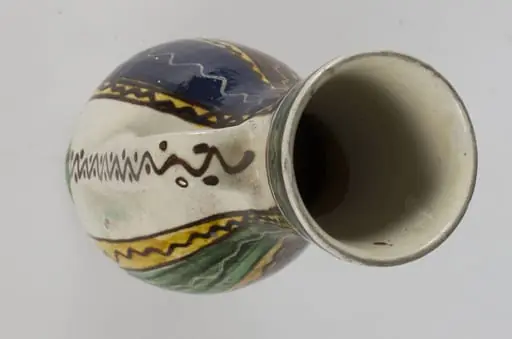 Vas piriform cu gât foarte înalt și gura largă și evazată, cu o toartă care pleacă din zona gâtului și se unește cu corpul deasupra diametrului maxim. Smălțuit în interior și exterior. Decorul este realizat din două registre orizontale ce încadrează unul vertical. Registrele orizontale prezintă un decor geometric format din două linii concentrice ce încadrează o linie în val toată de culoare maro pe un fond verde. Registrul vertical este împărțit în mai multe benzi cu fond verde, galben, maro, albastru alternante separate de linii drepte de culoare maro. Pe fondurile de culoare maro, verde, albastru sunt trasate linii în val de culoare albă dispuse vertical, iar pe cele de culoare galbenă linii în val de culoare maro. În dreptul torții corpul vasului nu este decorat. Toarta este decorată cu o linie în val dispusă vertical încadrată de două șiruri de puncte. În partea superioară și inferioară registrul vertical este încadrat de câte o linie maro. Baza vasului este pictată cu verde și mărginită în partea superioară tot cu o linie maro. Cromatică: fond: alb: motive: verde; maron; albastru; galben; alb.
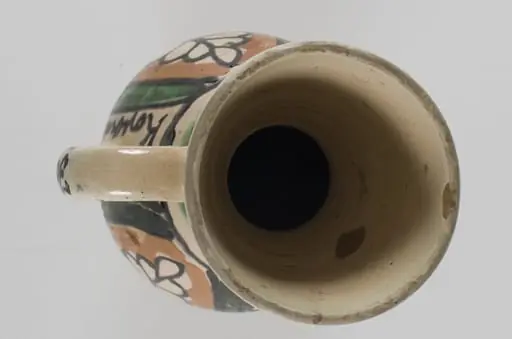 Cană cu gât lung, cu buza evazată și o toartă. Este smălțuită în interior și în exterior. Prezintă decor pe toată suprafața cu motive fitomorfe, motive florale stilizate și motive geometrice: linie, linie ondulată, punct, tablă de șah. Pe toartă scrie ”Jozsa Janos”, iar pe corp, chiar lângă toartă, scrie ”Korond 1974”. Cromatică: fond: alb; motive: bej, maro, verde, negru.
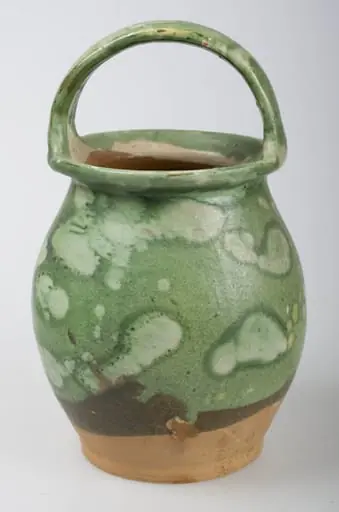 Oală de formă bitronconică cu baza plată cu pereții puternic arcuiți îngustându-se ușor în partea superioară. Buza este puțin răsfrântă la exterior. Prezintă o toartă de susținere plasată diametral, peste gură (mănușă). Angobat, stropit cu verde, smălțuit în interior și exterior. Cromatică: verde; maro; alb.
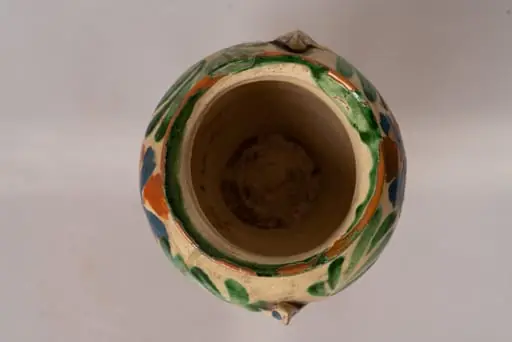 Piesă cu corp discoidal bombat, cu doi butoni triunghiulari aplicați pe corpul vasului în zona mediană și decorați cu puncte pictate. Buza vasului este marcată cu o linie pictată iar gâtul de un șir de puncte de culoare maro și albastru. Corpul vasului este decorat cu motive florale (floare rotundă cu opt petale) și motive fitomorfe, caracteristice centrului: frunze alungite de culoare verde. Sub decorul central apar linii concentrice pictate cu cornul, de culoare verde. Cromatica: alb, verde, maro, albastru. Vasul este smaălțuit transparent pe ambele fețe.
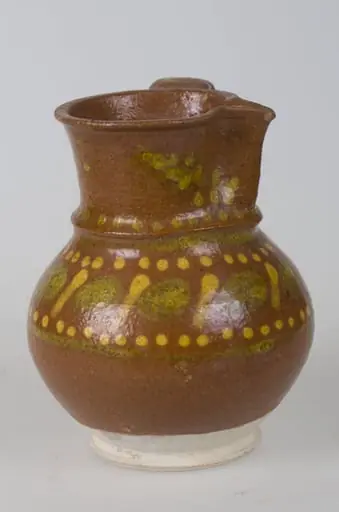 Vas cu corpul de formă cilindrică, cu fundul plat, corpul pântecos, gâtul înalt și gura largă, este prevăzută cu un cioc de scurgere așezat la nouăzeci grade față de toartă. Decorul pictat a fost realizat cu pensula în zona pântecului și a gâtului, format din motive geometrice. Pe pântecul vasului a fost pictat un registru încadrat între două linii de culoare verzuie, între care se află alte două linii realizate din puncte de culoare galbenă. În interiorul liniilor menționate anterior se află registre circulare format din pete de culoare verzuie, separate de linii galbene orizontale înclinate. Pe marginea vasului și pe toartă au fost pictate trei flori de culoare verde, de tipul „spicului de grâu”. Cromatică: alb (fund), maro-roșcat restul suprafeței; motive: galben; verde.
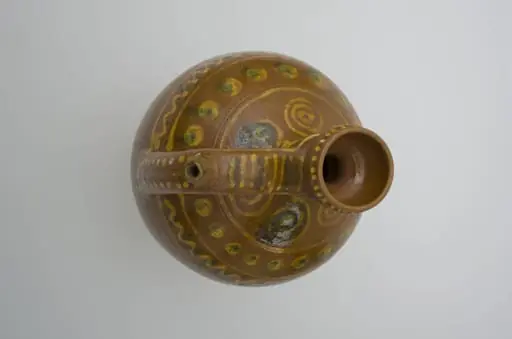 Ulcior de formă sferică cu gât înalt cu guler la mijloc; gura înaltă și largă, în formă de pâlnie tronconică. Buză rotundă și îngustă retrasă spre interior. Prezintă toartă goală aplatizată cu țâța ușor înălțată oblic ce pornește din gulerul gâtului și intră în pântece la diametrul maxim, într-un arc oval. Decorul este format din motive geometrice: brâu median de linii pararele și zig-zag; liniuțe orizontale și două șiruri de punctmotive florale; sub gât avem spirale. Smălțuit cu smalț incolor. Cromatică: fond: maro cărămiziu; motive: galben; verde.
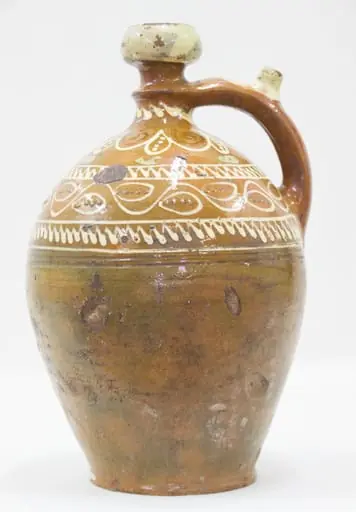 Ulcior de formă bitronconică cu gura îngustă și rotundă, cu o toartă și un orificiu pentru scurgerea lichidului, smălțuit și decorat pe jumătatea superioară cu motive vegetale (ghirlande) și geometrice (spirale; patru cercuri concentrice cu o linie șerpuită între ele).Cromatică: maro (fond), decor - galben, bej, alb, verde. Jumătatea inferioară a obiectului este nesmălțuită.
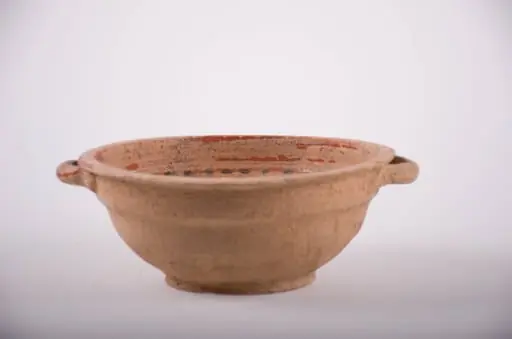 Vas de formă tronconică cu picior, pereți rotunjiți, margine înaltă ușor oblică, baza plată și două toarte mici: Prezintă decor geometric: cerc de puncte albe și negre pe fond de roșeață; pe pereți sunt cercuri concetrice albe întrerupte de grupuri de linii oblice și un șir alb negru; pe buza linie zig-zag. Are aplicat smalț incolor. Cromatică: cărămiziu; motive: alb; negru.
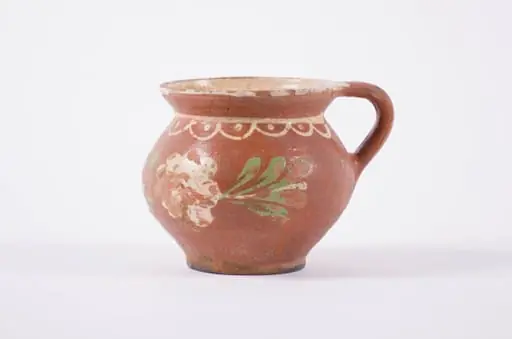 Vas de lut cu gura largă, smălțuit în totalitate. Din baza plată pornesc pereții bombați care se îngustează în partea superioară terminată cu o buză evazată spre exterior. Prezintă o toartă, pentru manipulare care leagă gura cu partea mediană. Interiorul vasului este smălțuit cu smalț alb, în exterior având un fond maro deschis cu decor, realizat prin pictare cu pensula, dispus în partea mediană, ilustrând două flori cu petale albe despărțite de frunze verzi. În partea superioară linie vălurită cu câte un punct în mijloc. Cromatică: fond: maro; motive: alb; verde.