Artwork
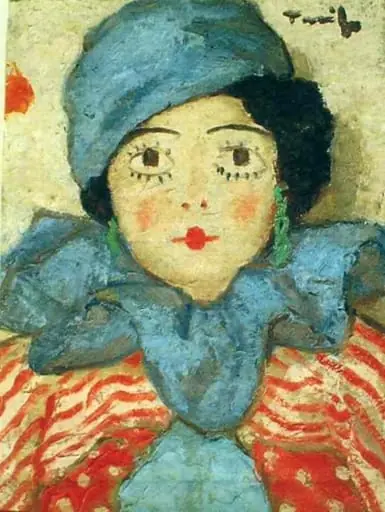
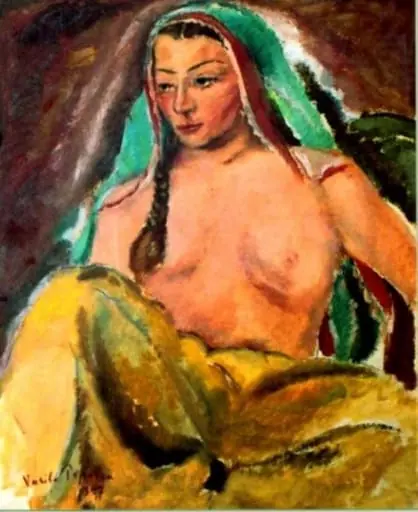
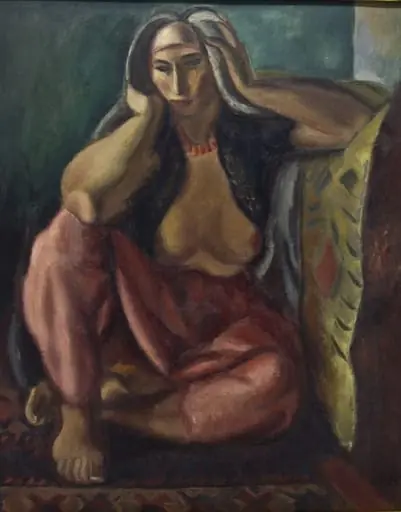
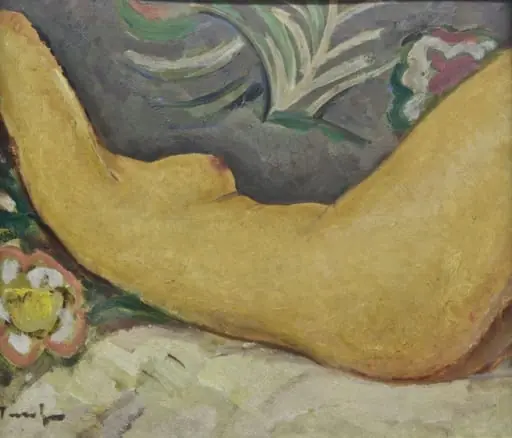
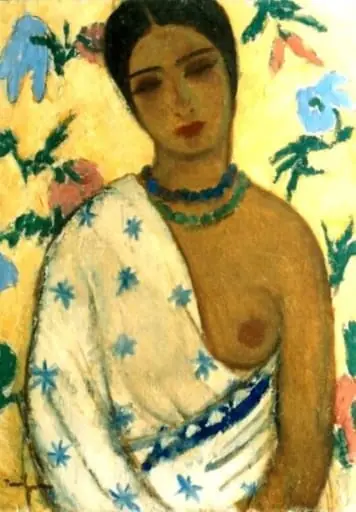
Portret de mulatră
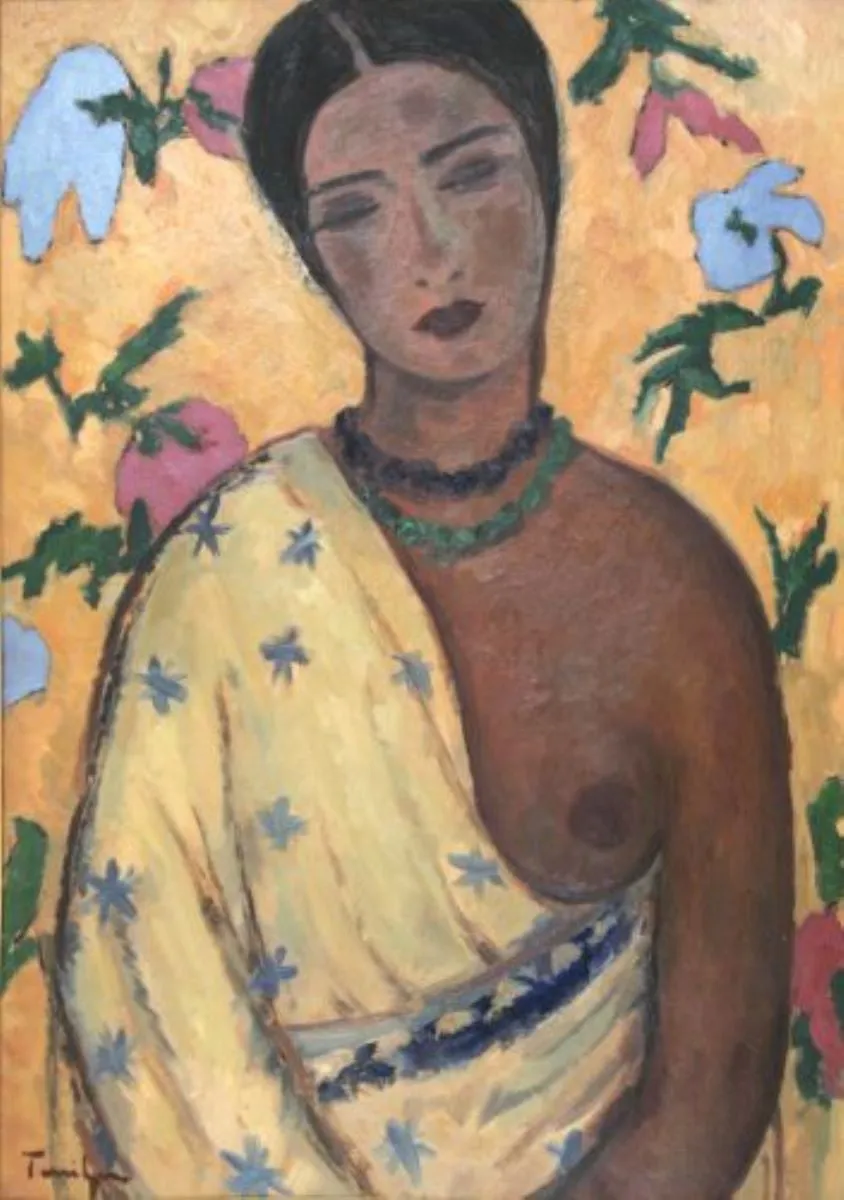
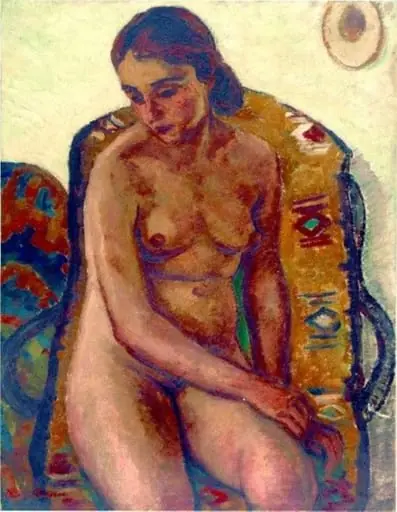
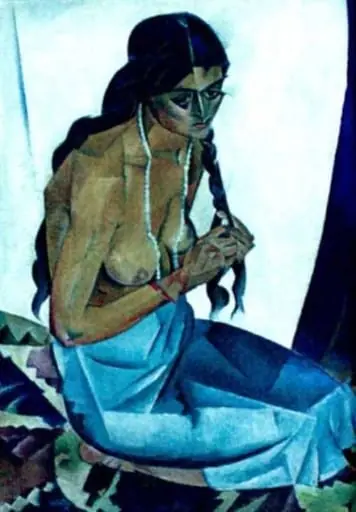
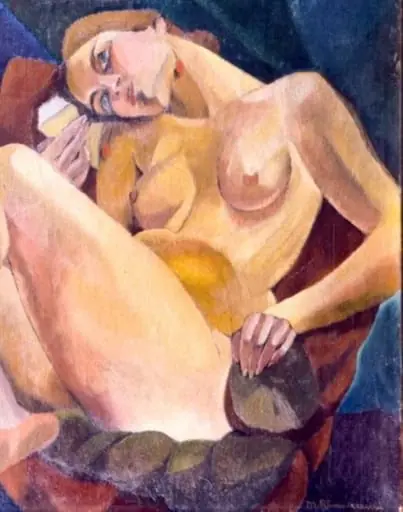
Portret de mulatră is an unspecified painting by Nicolae Tonitza. It dates from 1923 and is held in the collection of the Gavrilă Simion Eco-Museum Research Institute Tulcea - Art Museum.
About this work
Overview
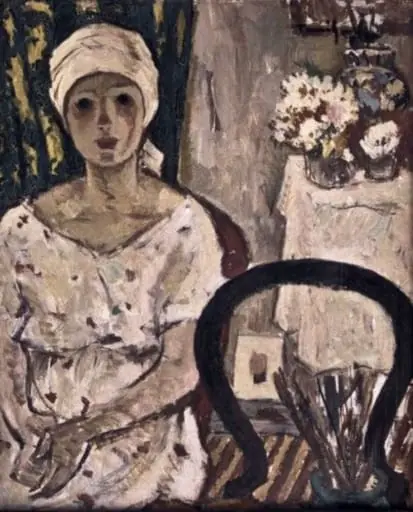
Painted around 1923 by Romanian artist Nicolae Tonitza, this portrait depicts a woman of African descent, rendered with quiet dignity.
Painted around 1923 by Romanian artist Nicolae Tonitza, this portrait depicts a woman of African descent, rendered with quiet dignity. The work is part of the collection at the Museum of Ethnography in Bucharest. Unlike conventional portraiture of the period, it avoids exoticism, focusing instead on the subject’s inner stillness. The composition is intimate, with minimal detail and a restrained palette that emphasizes emotional presence over narrative.
Subject & Meaning
The woman, identified in some sources as a mulată, is portrayed with a calm, downward gaze and slightly parted lips, suggesting introspection rather than performance. Her attire—a simple white drape over one shoulder—grounds her in everyday reality. The absence of contextual clues, such as location or occupation, shifts focus entirely to her expression. The painting resists stereotyping, presenting her as an individual immersed in private thought, not a symbol of race or otherness.
Technique & Style
Tonitza employs soft, blended brushwork and warm, muted tones to create a tactile, almost tactile intimacy. The background, a glowing yellow, is enlivened by abstracted floral motifs in pale blues and pinks, suggesting a domestic or natural setting without defining it. The subject’s skin is rendered with subtle gradations, avoiding harsh contrasts. The necklace of dark beads is the only precise detail, anchoring her identity without ornamentation. The technique favors emotional resonance over realism.
History & Provenance
The painting entered the Museum of Ethnography’s collection in the early 20th century, likely acquired during a period when Romanian institutions were expanding their holdings of ethnographic and folk art. Its attribution to Tonitza is well-documented, though its original commission or context remains unclear. It was not exhibited widely during the artist’s lifetime, and its current placement in an ethnographic rather than fine arts context reflects shifting institutional priorities over time.
Context
Created in the early 1920s, the portrait emerged amid Romania’s postwar cultural reorientation and growing interest in national identity and diverse populations. Tonitza, influenced by modernist trends and Symbolist sensibilities, often depicted marginalized figures with psychological depth. While colonial imagery was common in European art, this work diverges by omitting exoticism, instead aligning with a humanist impulse to portray inner life regardless of origin.
Legacy
The portrait remains a quiet anomaly in Romanian modernist painting for its unadorned humanity. It has not been widely reproduced or celebrated in mainstream art histories, yet it endures as a subtle counterpoint to prevailing racial representations of the era. Scholars note its significance in challenging the visual norms of its time, offering a model of portraiture grounded in empathy rather than spectacle.
Artist & collection

Artist
Nicolae Tonitza was a Romanian painter, engraver, lithographer, journalist and art critic. Drawing inspiration from Post-Impressionism and Expressionism, he had a major role in introducing modernist guidelines to local art.
Museum
Gavrilă Simion Eco-Museum Research Institute Tulcea - Art Museum
Continue through works from the same source collection.