Artwork
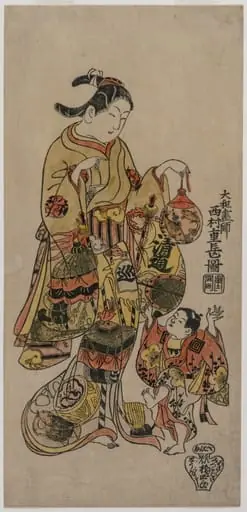
Fujimura Handayu as a Courtesan
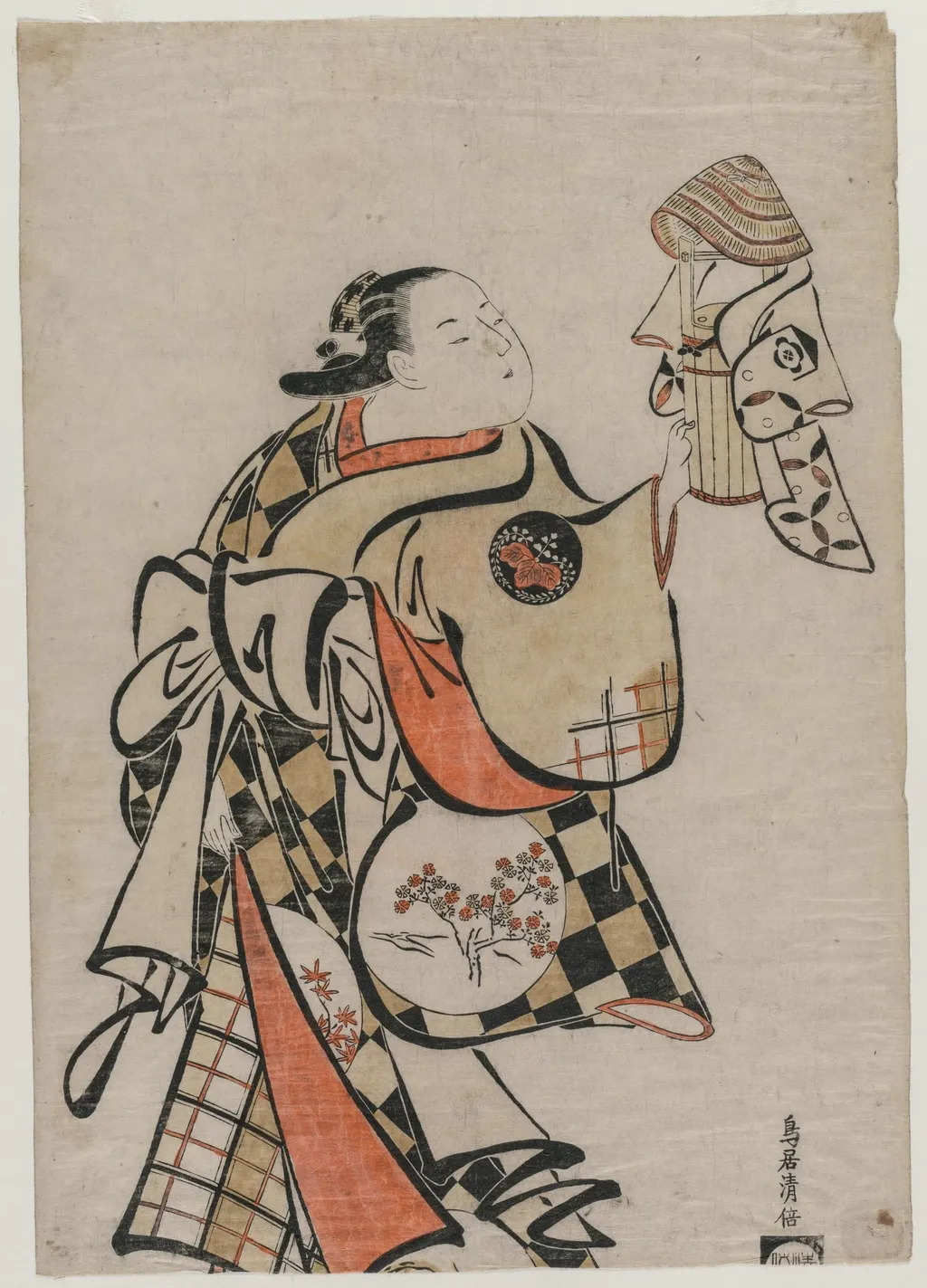
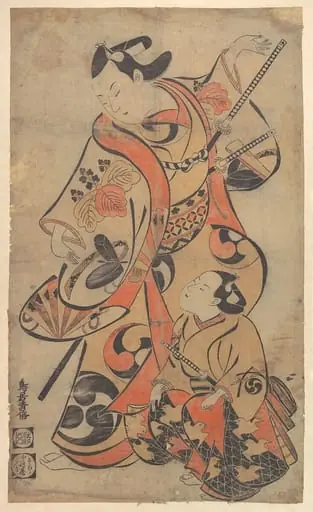
Fujimura Handayu as a Courtesan is a print by the Baroque artist Torii Kiyomasu I. It dates from 1714 and is held in the collection of the Cleveland Museum of Art. This ukiyo-e print depicts the actor Fujimura Handayu in a female role, portraying a courtesan.
About this work
Overview
The image reflects the theatrical conventions of Edo-period kabuki, where cross-gender casting and symbolic attire conveyed deeper story elements.
This ukiyo-e print depicts the actor Fujimura Handayu in a female role, portraying a courtesan. He holds a small wooden bucket, elaborately adorned with a straw hat and a robe bearing a family crest. The costume transforms a mundane object into a narrative prop, linking the performance to a well-known historical tale. The image reflects the theatrical conventions of Edo-period kabuki, where cross-gender casting and symbolic attire conveyed deeper story elements.
Subject & Meaning
The robe’s crest identifies the Soga brothers, central figures in a celebrated revenge story from medieval Japan. Their tale of loyalty and retribution was a staple of kabuki drama. By incorporating this emblem, the print connects the courtesan’s persona to themes of honor and vengeance, subtly layering the performance with cultural memory. The bucket, typically a domestic item, becomes a vessel of symbolic weight, anchoring the character in a broader mythic context.
Technique & Style
Rendered in the ukiyo-e tradition, the print employs fine linework and restrained color to emphasize costume detail and facial expression. The artist, likely influenced by Torii Kiyomasu, uses stylized forms to convey theatricality rather than realism. The crest is rendered with precision, signaling its narrative importance, while the juxtaposition of masculine actor and feminine attire reflects kabuki’s deliberate artifice. The composition focuses attention on the prop and attire as carriers of meaning.
History & Provenance
Produced during the Edo period, this print was likely part of a series promoting a specific kabuki performance. Such prints served as both advertisements and collectibles for theatergoers. Fujimura Handayu was a known actor of the time, frequently cast in female roles. The print’s survival suggests it was valued by contemporary audiences, though its exact provenance remains undocumented beyond its association with Edo’s popular theater culture.
Context
During the Edo period, kabuki theater flourished as a public entertainment form, with actors achieving celebrity status. Plays based on historical revenge tales, like that of the Soga brothers, were especially popular. Printmakers collaborated with theaters to produce actor portraits, blending performance with print culture. This work exemplifies how visual art reinforced theatrical narratives, making mythic stories accessible beyond the stage.
Legacy
This print contributes to the broader legacy of ukiyo-e as a medium that documented and shaped popular culture. While not attributed to a major master, its craftsmanship reflects the standardized yet expressive techniques of Edo-period print studios. It preserves a moment in kabuki history, illustrating how costume, symbolism, and performance intertwined to communicate complex cultural narratives to a broad audience.
Artist & collection
Artist
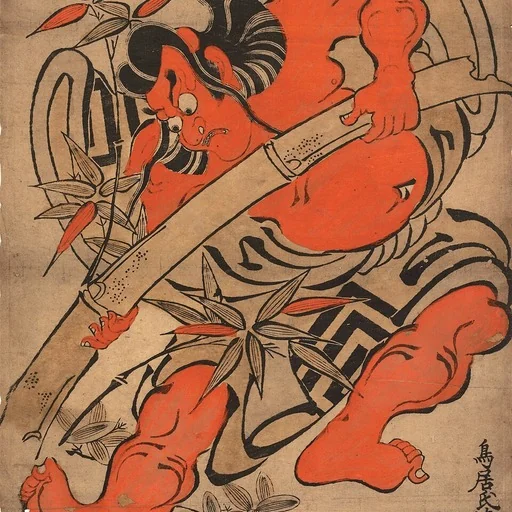
Torii Kiyomasu was the shop name of a printmaker in Edo—modern Tokyo—who spent his short career plastering the city with bold, eye-catching posters.

 Untitled
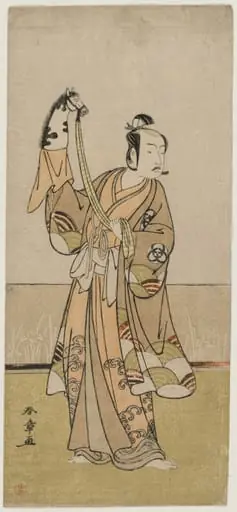 Bando Hikosaburo III Holding a Hand Pupper
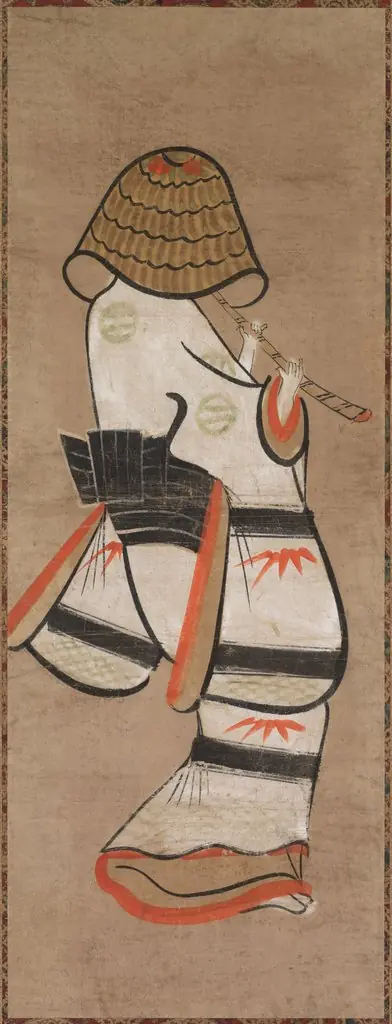 Woman as an Itinerant Monk: Onna Komuso (Otsu-e)
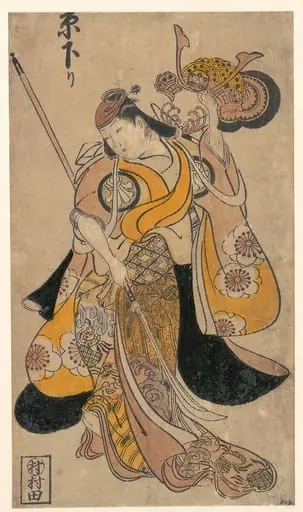 Untitled
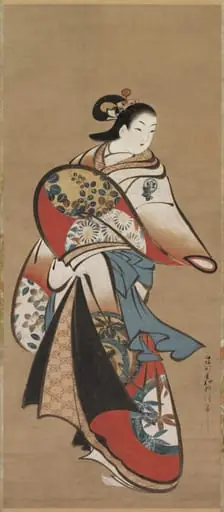 Courtesan
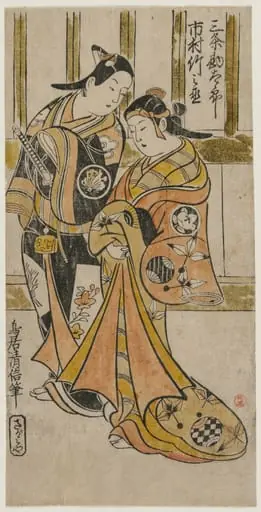 Ichimura Takenojo and Sanjo Kantaro as a Pair of Lovers in the Yoshiwara
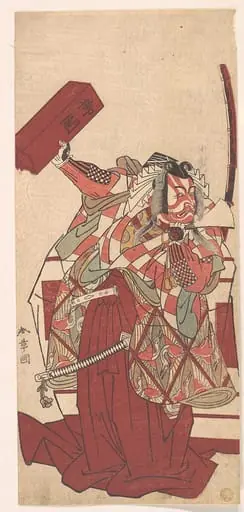 三代目市川海老蔵の篠塚伊賀守定綱|The Actor Ichikawa Ebizō III as Shinozuka Iga no kami Sadatsuna in a Shibaraku Scene
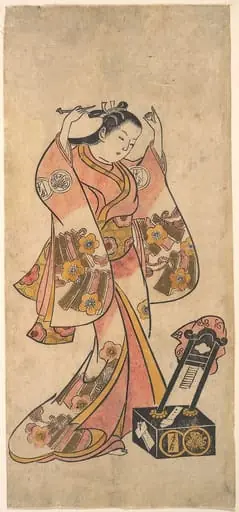 Untitled
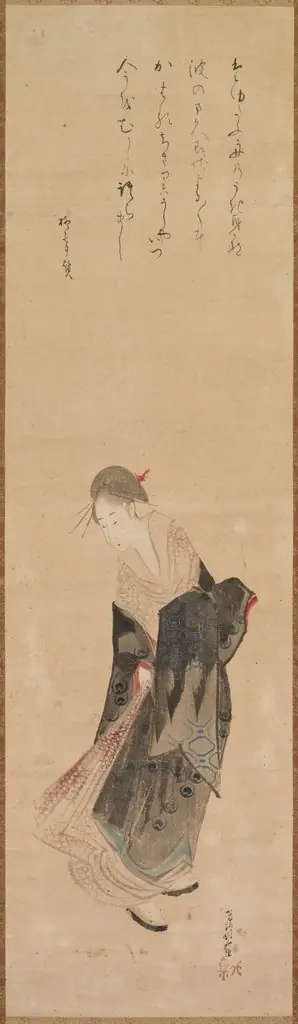 Beauty (Bijin)
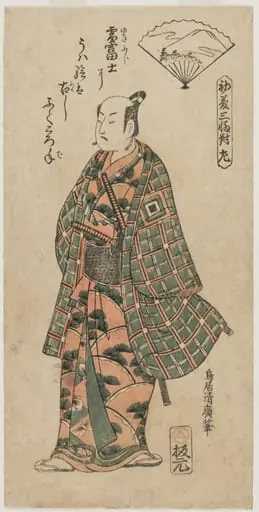 Ichikawa Danjuro II as a Young Samurai
 Child Reaching for a Fishbowl