Artwork
Untitled

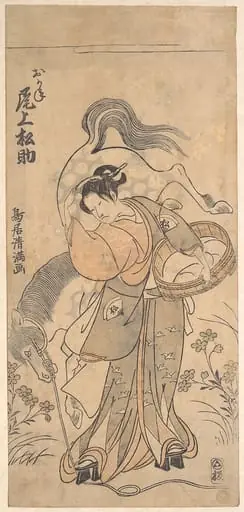
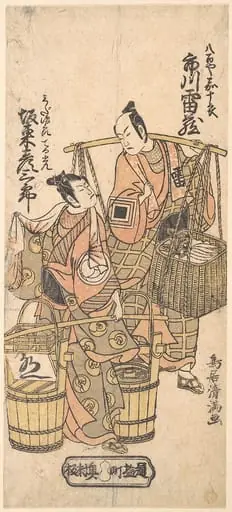
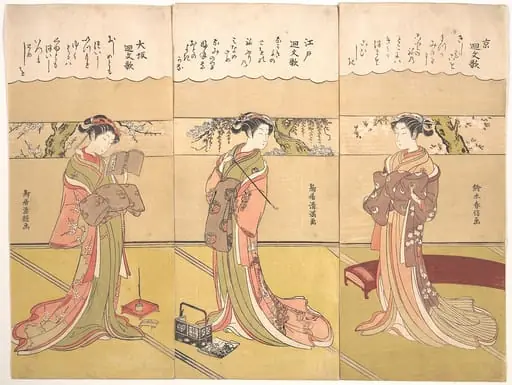
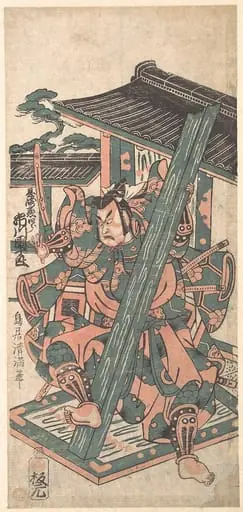
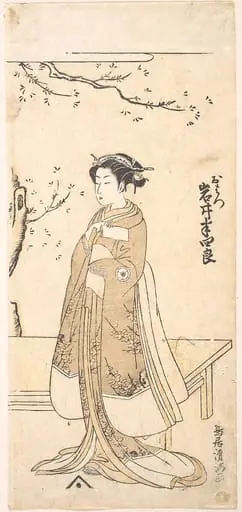
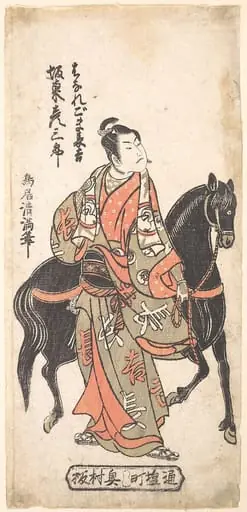
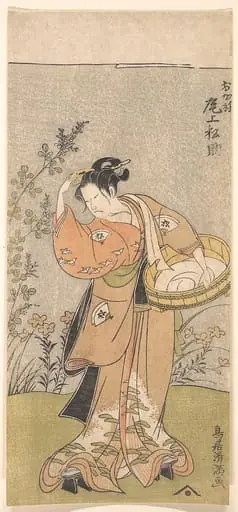
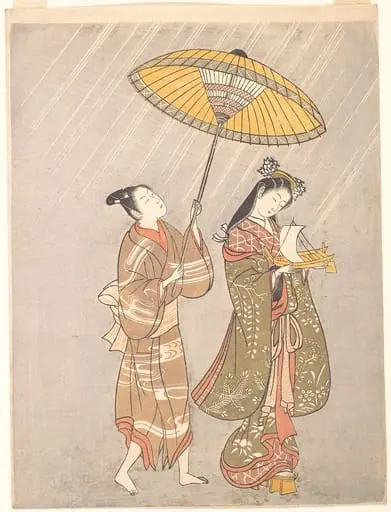
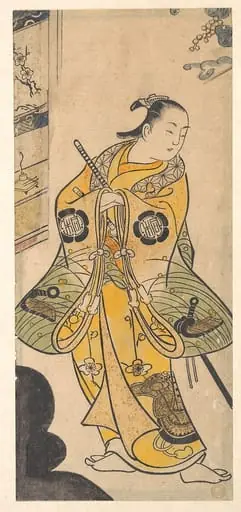
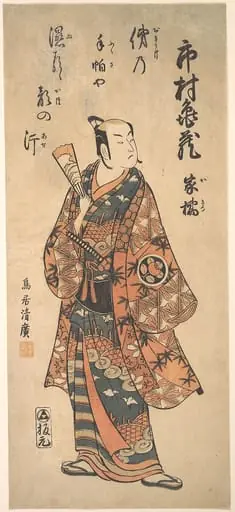
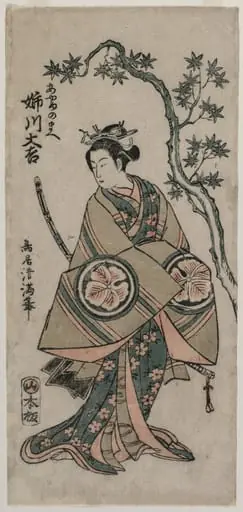
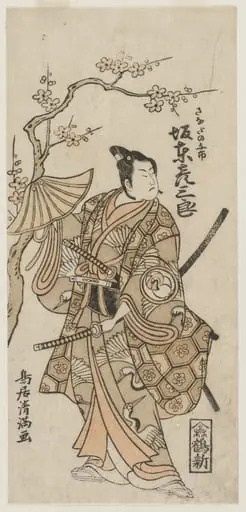
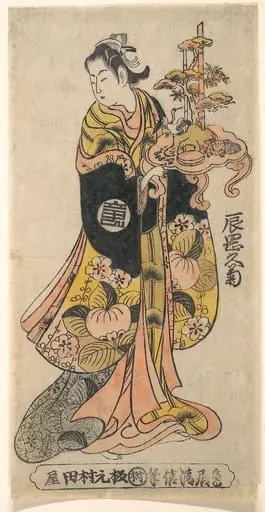
Untitled is an ink print by the Romanticist artist Torii Kiyomitsu. It dates from 1762 and is held in the collection of the Metropolitan Museum of Art.
About this work
Overview
This woodblock print, dated around 1762, is attributed to Torii Kiyomitsu, a prominent artist of the Torii school active in Edo-period Japan.
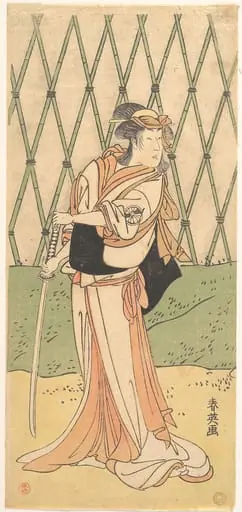
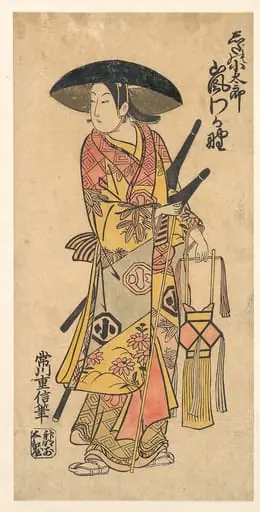
This woodblock print, dated around 1762, is attributed to Torii Kiyomitsu, a prominent artist of the Torii school active in Edo-period Japan. Executed in ink and color on paper, it exemplifies the ukiyo-e tradition of depicting contemporary urban life and aesthetics. The work is part of the collection at The Metropolitan Museum of Art, where it is preserved as a representative example of mid-18th-century Japanese printmaking.
Subject & Meaning
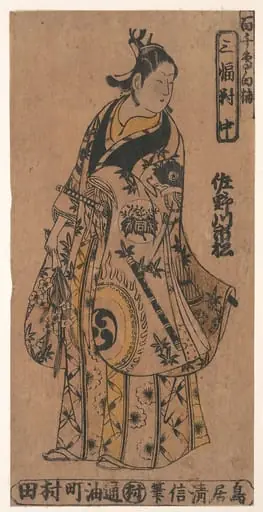
The print portrays a woman dressed in elaborate attire, holding a fan and a scroll, suggesting a figure of cultural refinement or theatrical presence. Her ornate headpiece and vividly patterned robe imply status or role, possibly linked to the theater or elite social circles. The absence of background elements directs attention to her form and costume, emphasizing identity and adornment over narrative context.
Technique & Style
Kiyomitsu employed precise woodblock carving and hand-coloring to achieve sharp outlines and bold contrasts. The robe features striking orange and black patterns, rendered with controlled brushwork, while black ink adds texture to the sleeves and fan. The composition is deliberately minimal, focusing on silhouette and decorative detail, characteristic of the Torii school’s emphasis on elegant, stylized figures.
History & Provenance
Created during the height of ukiyo-e’s popularity in Edo, this print likely circulated as a commercial image among urban audiences. It entered The Metropolitan Museum of Art’s collection through documented acquisition, though its earlier ownership history remains unrecorded. Its survival in good condition reflects careful preservation and the enduring interest in Torii school works from this era.
Context
In the 1760s, Torii Kiyomitsu was refining the depiction of beauties and actors within the ukiyo-e genre, building on the legacy of his predecessors. This print aligns with contemporary trends favoring detailed costumes and stylized portraiture, reflecting the tastes of Edo’s merchant class. The focus on fashion and posture reveals how prints served as both art and cultural documentation.
Legacy
Kiyomitsu’s work contributed to the evolution of ukiyo-e’s formal language, particularly in the portrayal of female figures. While less widely known than later artists like Utamaro, his precision in line and pattern influenced subsequent generations of printmakers. This print remains a quiet testament to the craftsmanship and aesthetic priorities of mid-Edo period commercial art.
Artist & collection