Artwork
Ten Thousand Bamboos in the Mist and Rain
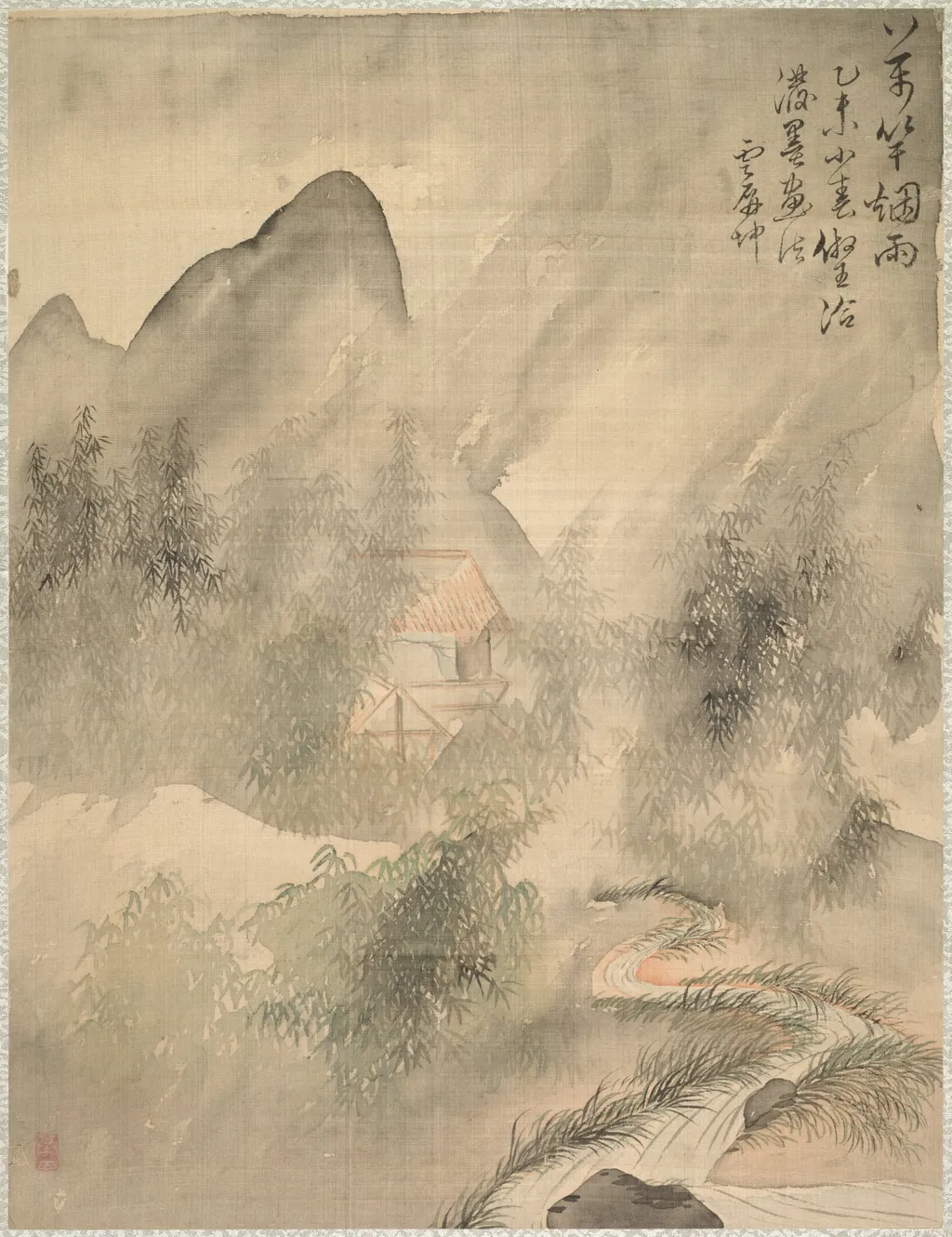
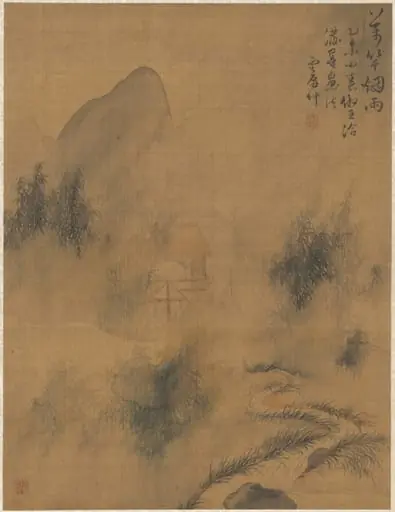
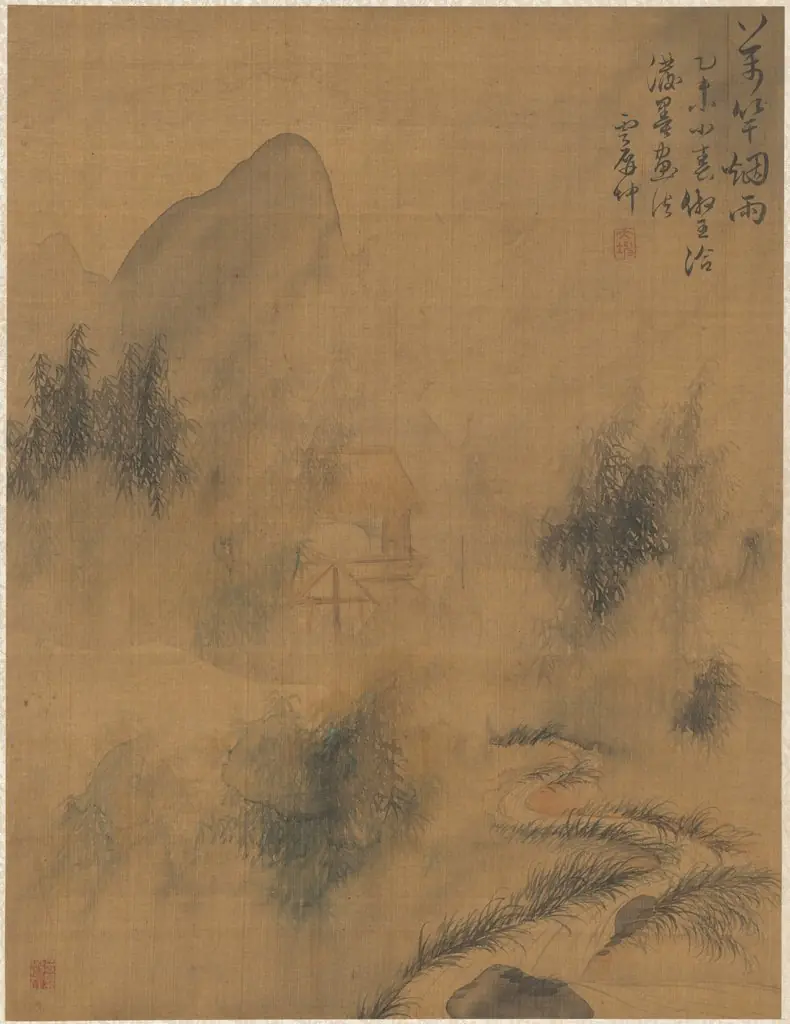
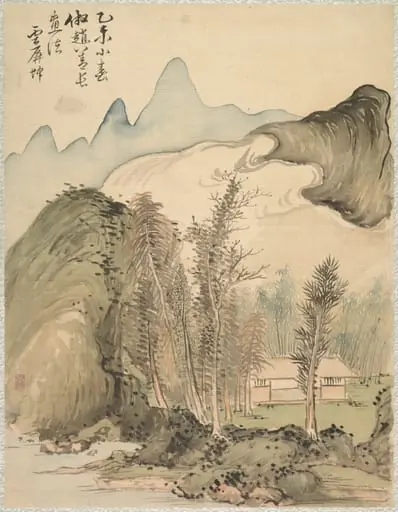
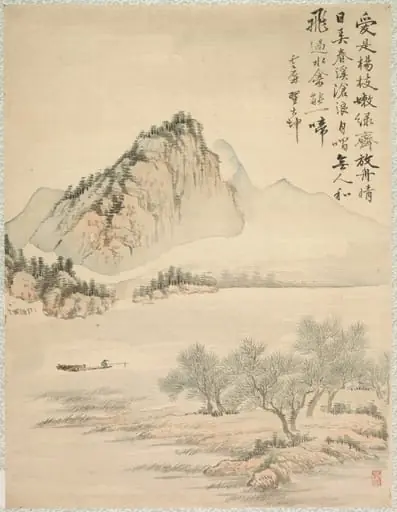
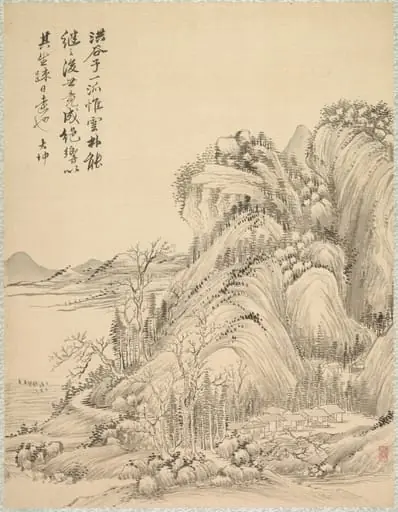
Ten Thousand Bamboos in the Mist and Rain is a work on paper by the Romanticist artist Tsubaki Chinzan. It dates from 1847 and is held in the collection of the Cleveland Museum of Art.
About this work
You see a long scroll filled with thin, gray-green bamboo stalks bending in soft rain.
Chinzan didn’t paint this from life—he copied a Chinese artist named Zhai Dakun, even matching the old inscriptions. The rain isn’t shown with drops; it’s just a faint haze that blurs the edges of the leaves.
Look up *Japan, Edo period (1615–1868)* to see how artists then borrowed and remade Chinese styles.
Overview
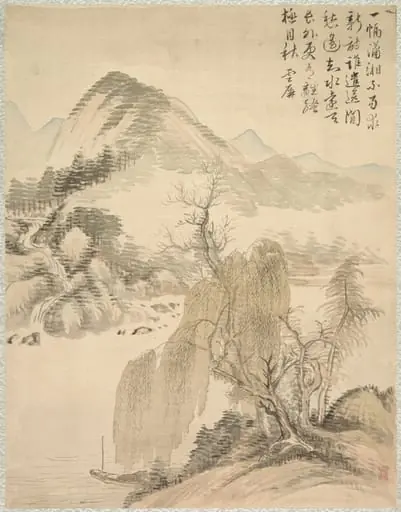
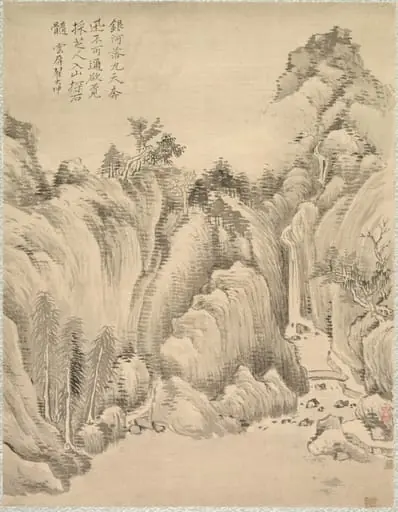
Ten Thousand Bamboos in the Mist and Rain is a portfolio of landscapes by Tsubaki Chinzan, created by reinterpreting the styles of earlier Chinese masters.
Subject & Meaning
The work depicts bamboo stalks swaying in rain, rendered as a soft, gray-green haze that blurs leaf edges, evoking a serene atmosphere.
Technique & Style
Chinzan's composition and inscriptions are based on those of Chinese painter Zhai Dakun, demonstrating a deliberate adoption of Chinese artistic influences.
Context
This work reflects the Edo period's cultural exchange with China, where Japanese artists often borrowed and reworked Chinese styles and techniques.
Own this work as a print
Artist & collection

Artist
Tsubaki Chinzan, originally Tasuku was a Japanese painter in the nanga style. His other art names include Hekiin Sambō, Kyūan (休庵), Shikyūan (四休庵) and Takukadō (琢華堂).