Artwork
見立多以尽 - 洋行がしたい|Collection of Desires, Wish for Foreign Travel (Mitate Tai zukushi-yōkō ga shitai)
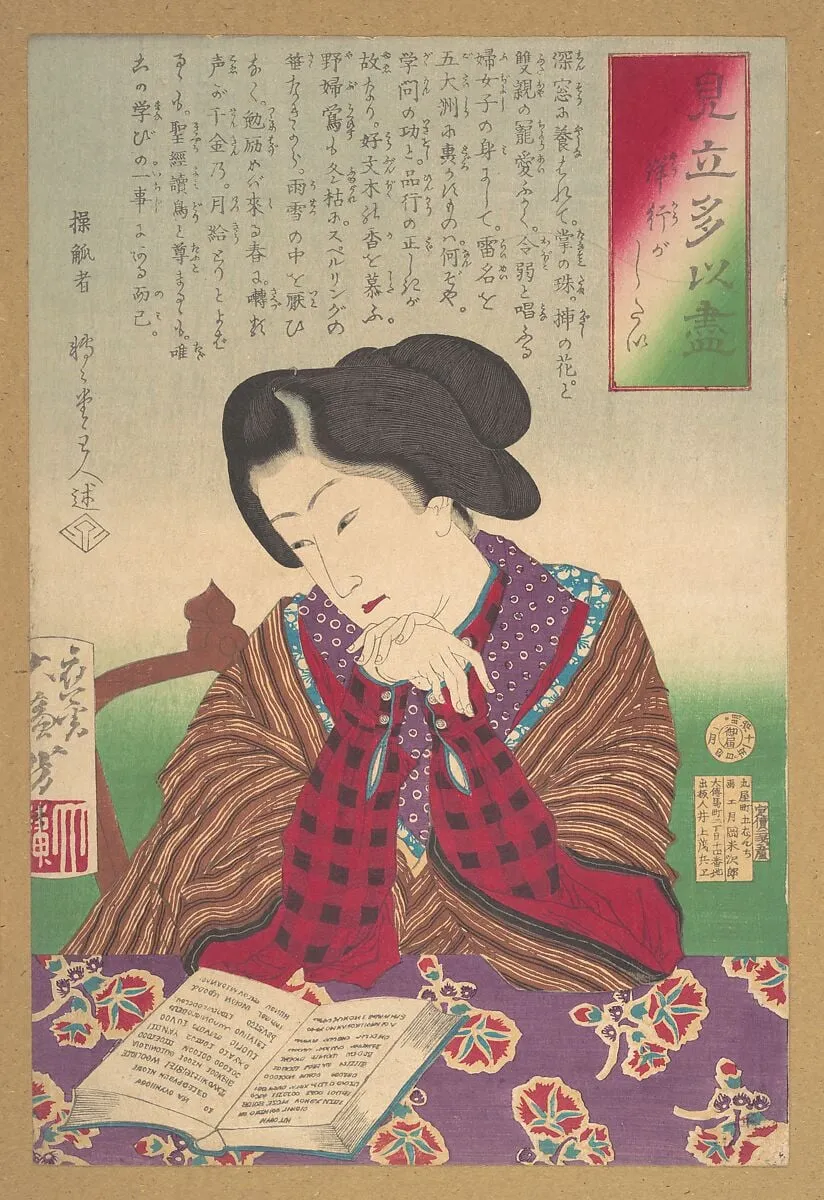
見立多以尽 - 洋行がしたい|Collection of Desires, Wish for Foreign Travel (Mitate Tai zukushi-yōkō ga shitai) is an ink print by the Impressionist artist Yoshitoshi. It dates from 1878 and is held in the collection of the Metropolitan Museum of Art.
About this work
Overview
Produced shortly after Japan ended its policy of national isolation, the print reflects the era's intense curiosity about Western culture and technology.
Mitate Tai zukushi-yōkō ga shitai (Collection of Desires, Wish for Foreign Travel) is a woodblock print by Tsukioka Yoshitoshi, created in 1878 during the early Meiji period. The work depicts a woman in a vibrant red kimono leaning over a stack of books, her face illuminated by an unseen light source. The open pages display illustrations of Western ships and foreign landscapes, symbolizing the allure of the outside world. Produced shortly after Japan ended its policy of national isolation, the print reflects the era's intense curiosity about Western culture and technology. Yoshitoshi employs the mitate technique, recontextualizing traditional imagery to address contemporary themes of modernization and desire. The composition balances the intimate domestic setting with the expansive, imagined geography of the books, highlighting the tension between tradition and the encroaching modern age. This piece is a significant example of Yoshitoshi's late career output, demonstrating his ability to adapt ukiyo-e conventions to the rapidly changing social landscape of Meiji Japan. It captures the specific historical moment when foreign travel and Western knowledge became objects of fascination for the Japanese public.
Subject & Meaning
The figure’s gaze is directed toward pages that depict Western vessels and exotic landscapes, suggesting a yearning to experience lands beyond Japan’s shores. The print visualizes the personal allure of foreign travel that many Japanese felt as the nation opened to international contact.
Technique & Style
Yoshitoshi employs the traditional ukiyo‑e woodblock process, combining line work with layered pigments to achieve the bright red kimono and the subtle illumination on the woman’s face. The detailed rendering of the book illustrations demonstrates his skill in integrating narrative content within the print’s decorative surface.
Context
Created shortly after the 1850s opening of Japanese ports, the image reflects the Meiji era’s fascination with Western technology and geography. Books served as primary conduits for information about distant countries, and the print captures that cultural moment of curiosity and transition.
Legacy
The work stands as an example of how ukiyo‑e artists adapted their visual language to address contemporary themes, bridging traditional portraiture with the modern desire for global awareness. It continues to be cited in studies of Meiji‑period visual culture and the diffusion of foreign knowledge in Japan.
Artist & collection
Artist
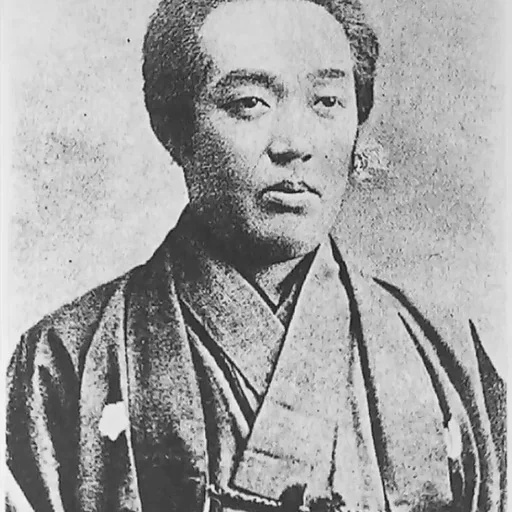
Tsukioka Yoshitoshi (Japanese: 月岡芳年; also named Taiso Yoshitoshi 大蘇芳年; 30 April 1839 – 9 June 1892) was a Japanese printmaker.

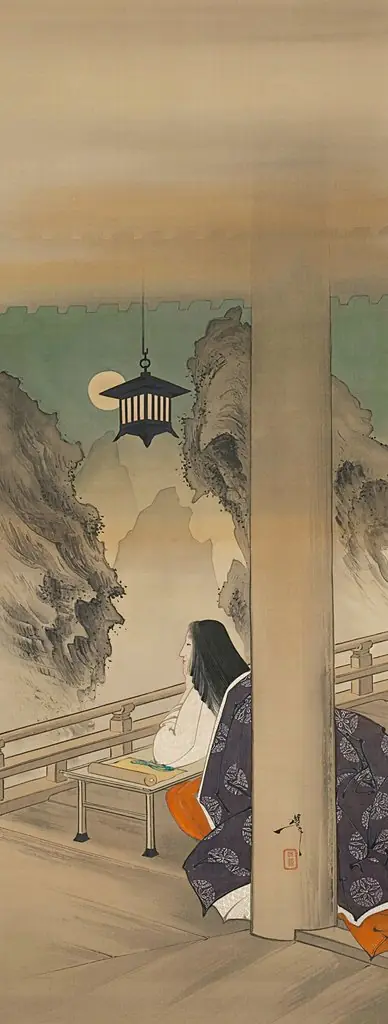 Murasaki Shikibu at Ishiyamadera Temple, based on the print “The Moon at Ishiyama,” from the series One Hundred Aspects of the Moon (Tsuki hyakushi: Ishiyama no tsuki)
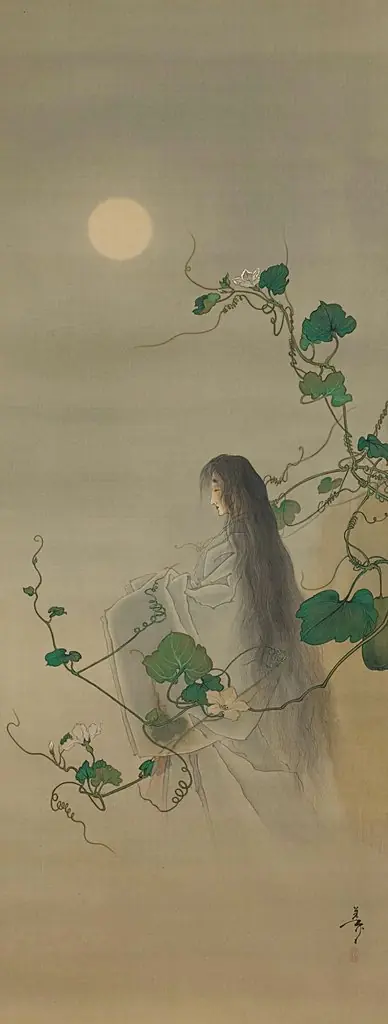 The Spirit of the Deceased Yūgao Entwined in Moonflower Vines, based on the print “The Lady of the Evening Faces,” from the series One Hundred Aspects of the Moon (Tsuki hyakushi: Genji Yūgao no maki)
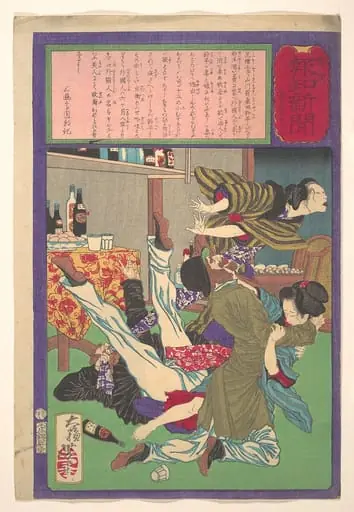 郵便報知新聞 645号|Postal Hōchi Newspaper no. 645, Englishman raping a wine shopkeeper's daughter (Yūbin Hōchi shinbun, roppyaku yonjū gogō)
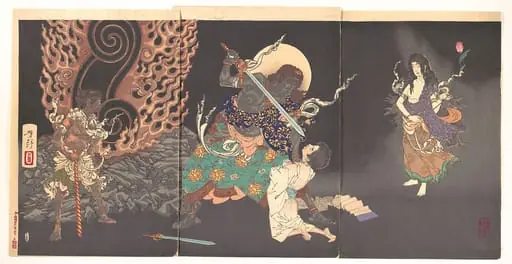 月岡芳年筆 不動明王∙祐天上人図|Fudō Myōō Threatening a Novice
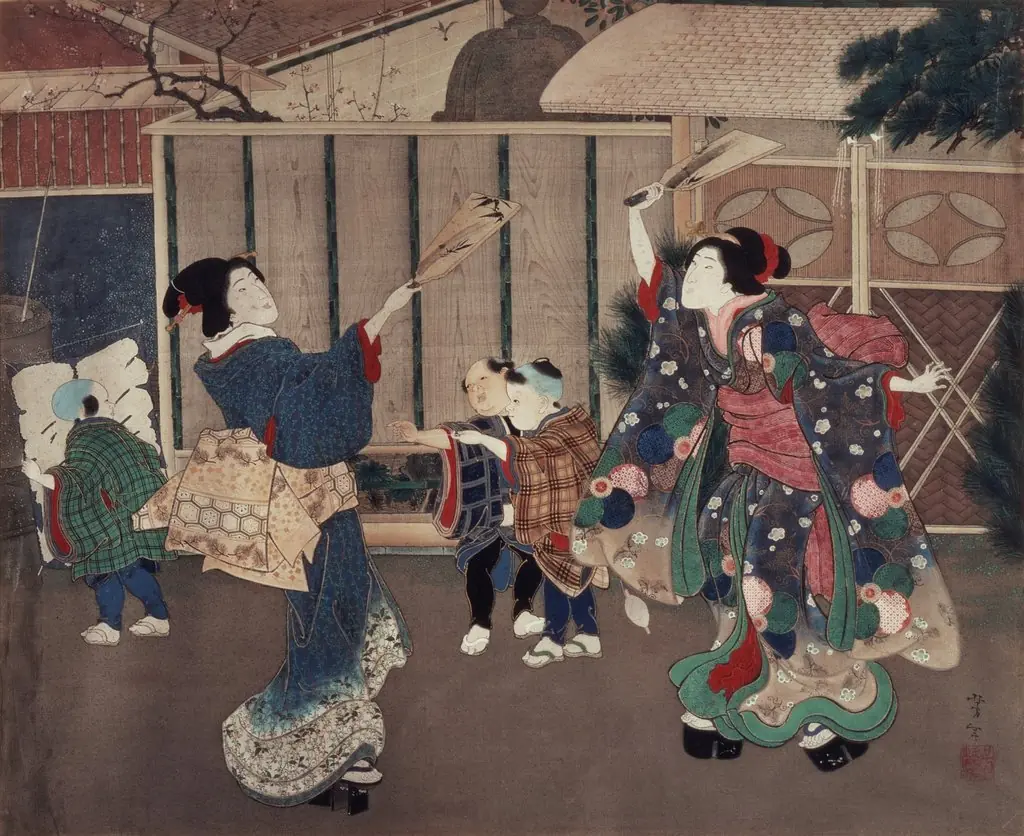 January: Celebrating the New Year
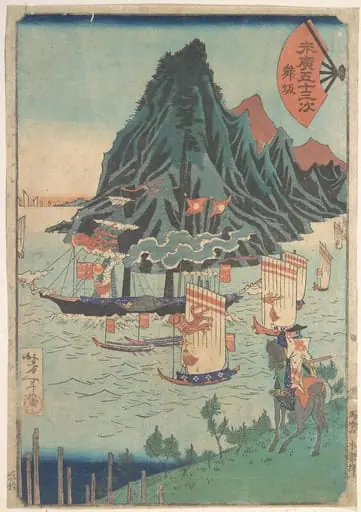 Untitled
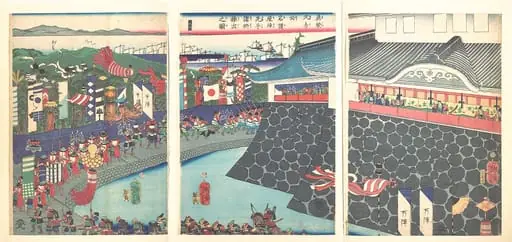 真柴秀吉公名護屋陣先手諸将繰出之図|Hideyoshi and His Troops Leaving Nagoya Camp (Mashiba Hideyoshi kō nagoya jin saki te no shoshō kuridashi no zu)
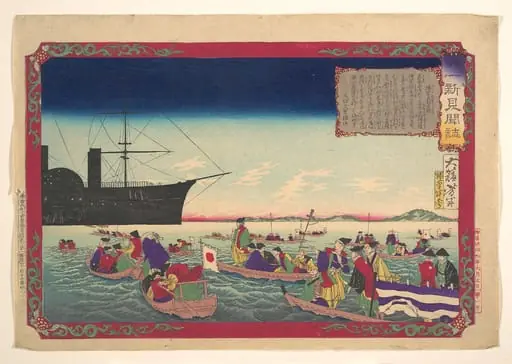 皇国一新見聞誌|Chronicle of the Imperial Restoration (Kōkoku isshin kenbunshi)
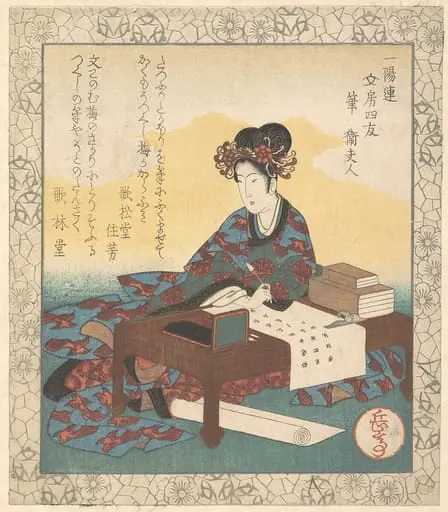 Untitled
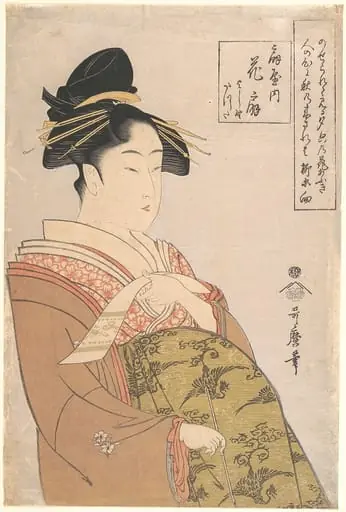 「扇屋内花扇図」|The Courtesan Hanaōgi of the Ōgiya Brothel in Yoshiwara (Ōgiya uchi Hanaōgi, Yoshino, Tatsuta)
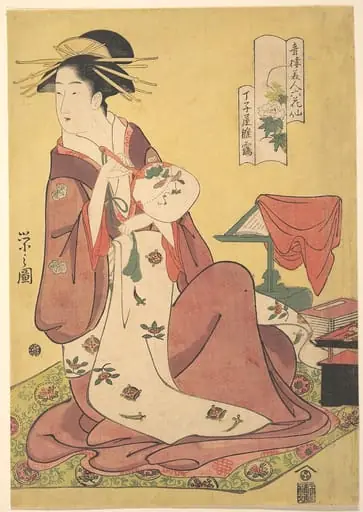 鳥文斎栄之画 「青楼美人六花仙 丁子屋雛鶴鸖」|The Courtesan Hinazuru of the Chōjiya Brothel (Chōjiya Hinazuru), from the series Beauties of the Pleasure Quarters as Six Floral Immortals (Seirō bijin rokkasen)
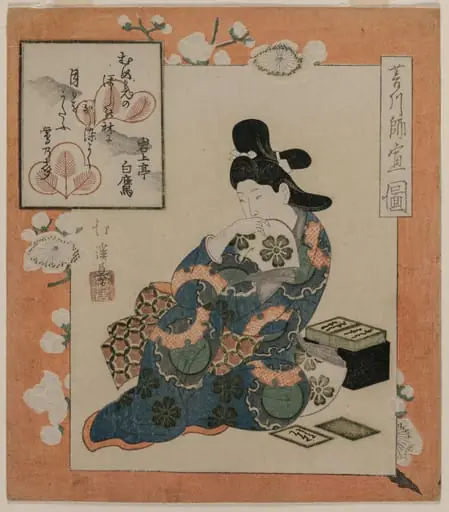 A Picture by Hishikawa Moronobu: Woman with a Set of Poem Cards
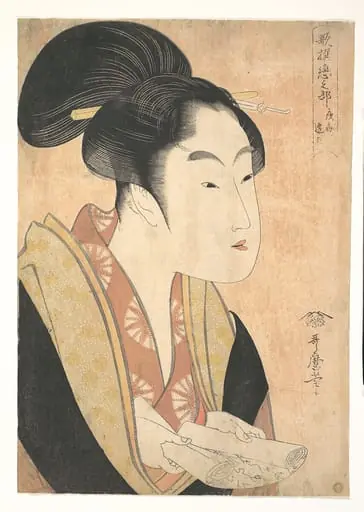 歌撰恋之部 夜毎に逢恋|A Young Woman Reading A Letter
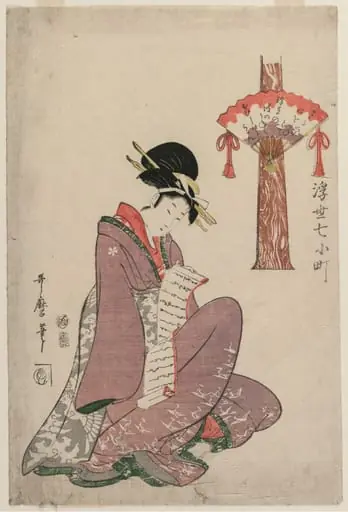 Woman Reading a Letter (from the series Seven Episodes in the Life of Komachi in the Floating World)
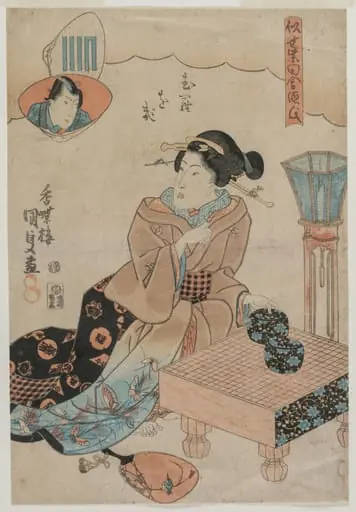 Muraogi, from the series The False Murasaki's Rustic Genji (Nise Murasaki Inaka Genji)
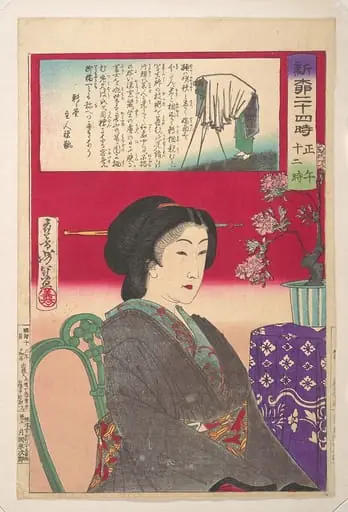 新柳二十四時 午前十二時|Twenty-Four Hours at Shinbashi/Yanagibashi: 12 Noon. (Shinyanagi nijūyo-ji, gozen jūni-ji)
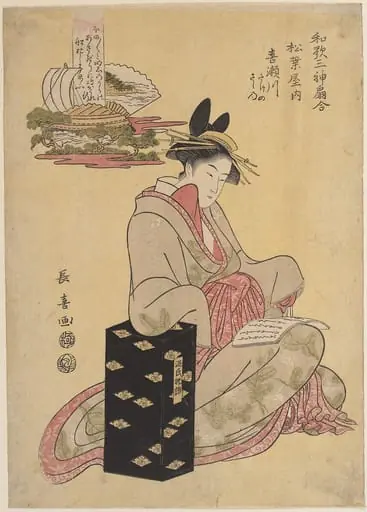 Untitled
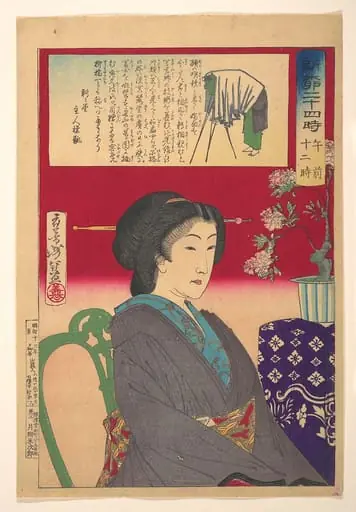 新柳二十四時 午前十二時|Twenty-Four Hours at Shinbashi/Yanagibashi: 12 Noon. (Shinyanagi nijūyo-ji, gozen jūni-ji)
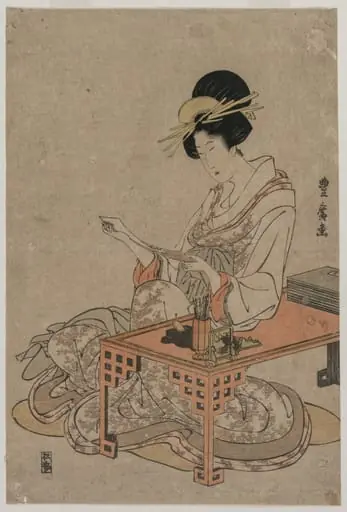 Courtesan Seated at a Writing Table
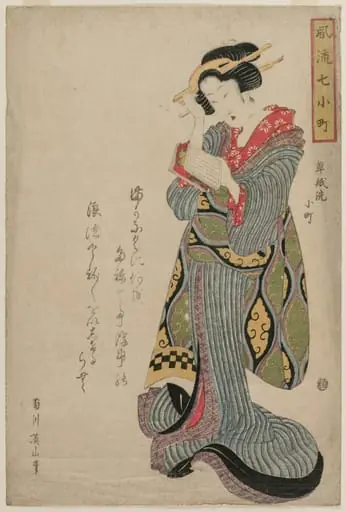 Komachi Washes the Book (from the series Seven Elegant Episodes from the Life of the Poetess Ono no Komachi)