Artwork
郵便報知新聞 645号|Postal Hōchi Newspaper no. 645, Englishman raping a wine shopkeeper's daughter (Yūbin Hōchi shinbun, roppyaku yonjū gogō)
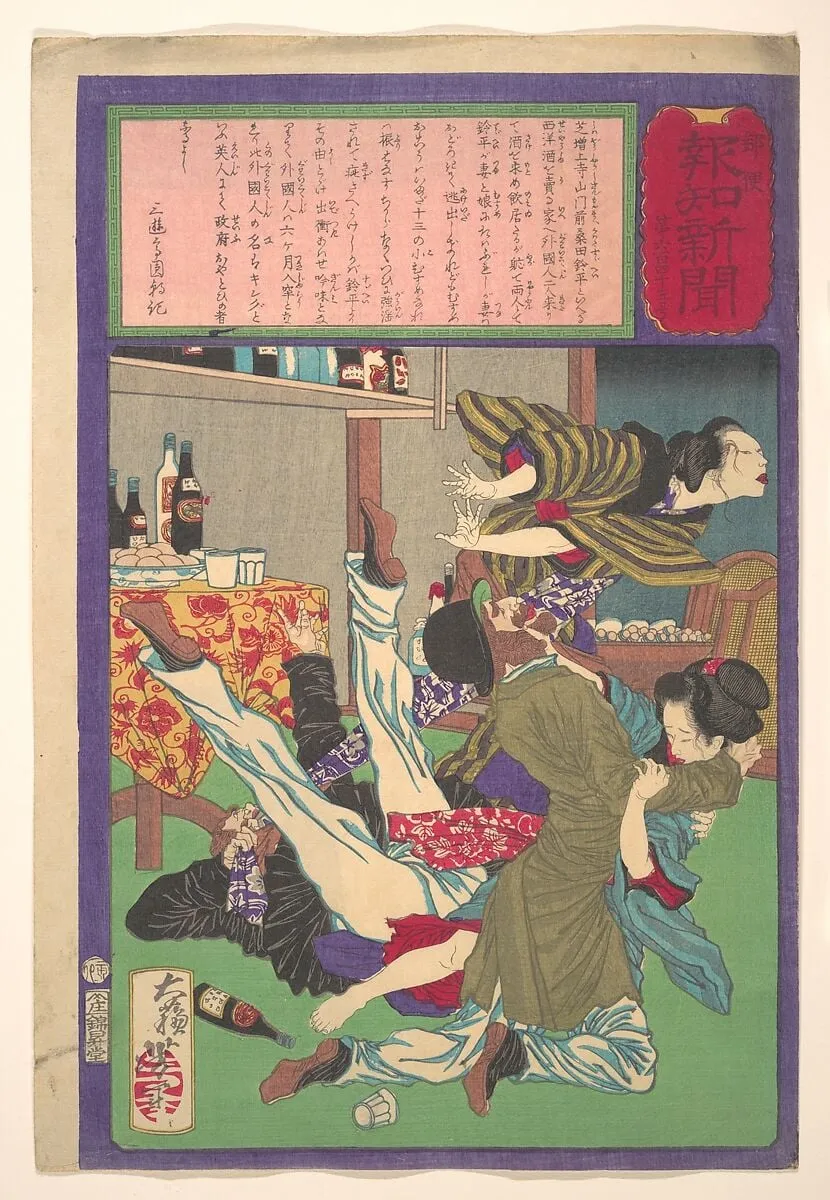
郵便報知新聞 645号|Postal Hōchi Newspaper no. 645, Englishman raping a wine shopkeeper's daughter (Yūbin Hōchi shinbun, roppyaku yonjū gogō) is an ink print by the Impressionist artist Yoshitoshi. It dates from 1875 and is held in the collection of the Metropolitan Museum of Art.
About this work
Look up other prints in the series *Thirty-Two Aspects of Customs and Manners* to see how Yoshitoshi showed daily life in Japan.
A man in Western clothes pins a young woman to the floor of a wine shop. She twists away, one sleeve torn. Behind them, shelves of bottles glow in lamplight.
This print ran in a Tokyo newspaper in 1875, part of a series on crime. Yoshitoshi used sharp lines and deep shadows to make the attack feel sudden and violent. The Western suit marks the man as an outsider, a detail that would have shocked readers then.
Look up other prints in the series *Thirty-Two Aspects of Customs and Manners* to see how Yoshitoshi showed daily life in Japan.
Overview
Tsukioka Yoshitoshi’s woodblock print, published in 1875 as part of the Postal Hōchi Newspaper No. 645, portrays a violent encounter in a wine shop. A Western‑dressed man forces a young woman to the floor, her sleeve torn as she struggles. The scene is illuminated by the lamplight reflecting off rows of bottles, emphasizing the abruptness of the assault.
Subject & Meaning
The composition juxtaposes a foreign figure in a European suit with a Japanese shopkeeper’s daughter, underscoring the perceived threat of outsiders in Meiji‑era society. The forced posture and torn garment convey the victim’s helplessness, while the setting—a modest wine shop—highlights the intrusion of violence into everyday domestic spaces.
Technique & Style
Yoshitoshi employs crisp, decisive line work and stark chiaroscuro to heighten the drama. Deep shadows envelop the figures, and the bright glow from the bottle shelves creates a stark contrast that isolates the central action. The use of ink and color on paper follows traditional ukiyo‑e methods while incorporating a more graphic, reportage aesthetic.
History & Provenance
The image appeared in a Tokyo newspaper as part of a series documenting contemporary crimes, reflecting the period’s fascination with sensational news. Produced during the early Meiji period, the print circulated widely among readers, serving both as visual reportage and moral commentary on the dangers posed by foreign influence.
Context
The work belongs to Yoshitoshi’s broader project “Thirty‑Two Aspects of Customs and Manners,” which examined daily life and social changes in Japan. Within this series, the print stands out for its focus on criminality and the anxieties surrounding the influx of Western culture during a time of rapid modernization.
Artist & collection
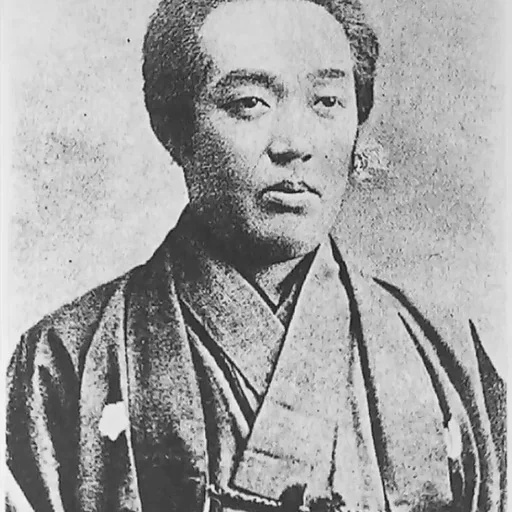
Artist
Tsukioka Yoshitoshi (Japanese: 月岡芳年; also named Taiso Yoshitoshi 大蘇芳年; 30 April 1839 – 9 June 1892) was a Japanese printmaker.

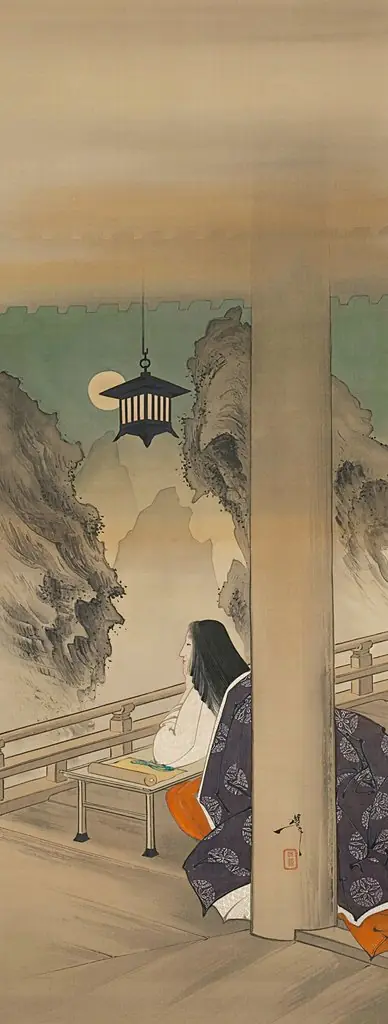 Murasaki Shikibu at Ishiyamadera Temple, based on the print “The Moon at Ishiyama,” from the series One Hundred Aspects of the Moon (Tsuki hyakushi: Ishiyama no tsuki)
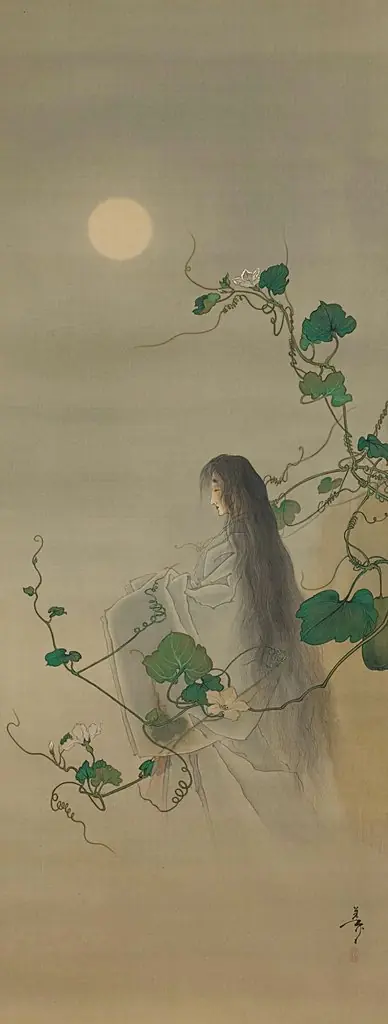 The Spirit of the Deceased Yūgao Entwined in Moonflower Vines, based on the print “The Lady of the Evening Faces,” from the series One Hundred Aspects of the Moon (Tsuki hyakushi: Genji Yūgao no maki)
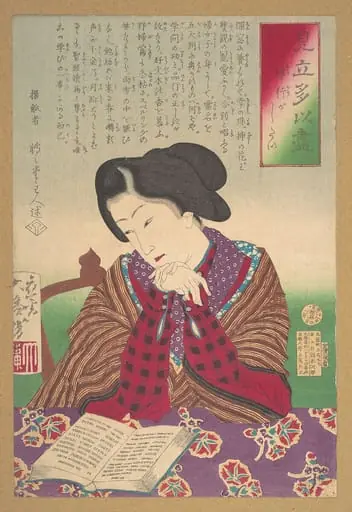 見立多以尽 - 洋行がしたい|Collection of Desires, Wish for Foreign Travel (Mitate Tai zukushi-yōkō ga shitai)
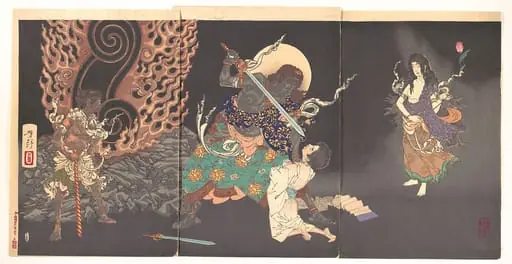 月岡芳年筆 不動明王∙祐天上人図|Fudō Myōō Threatening a Novice
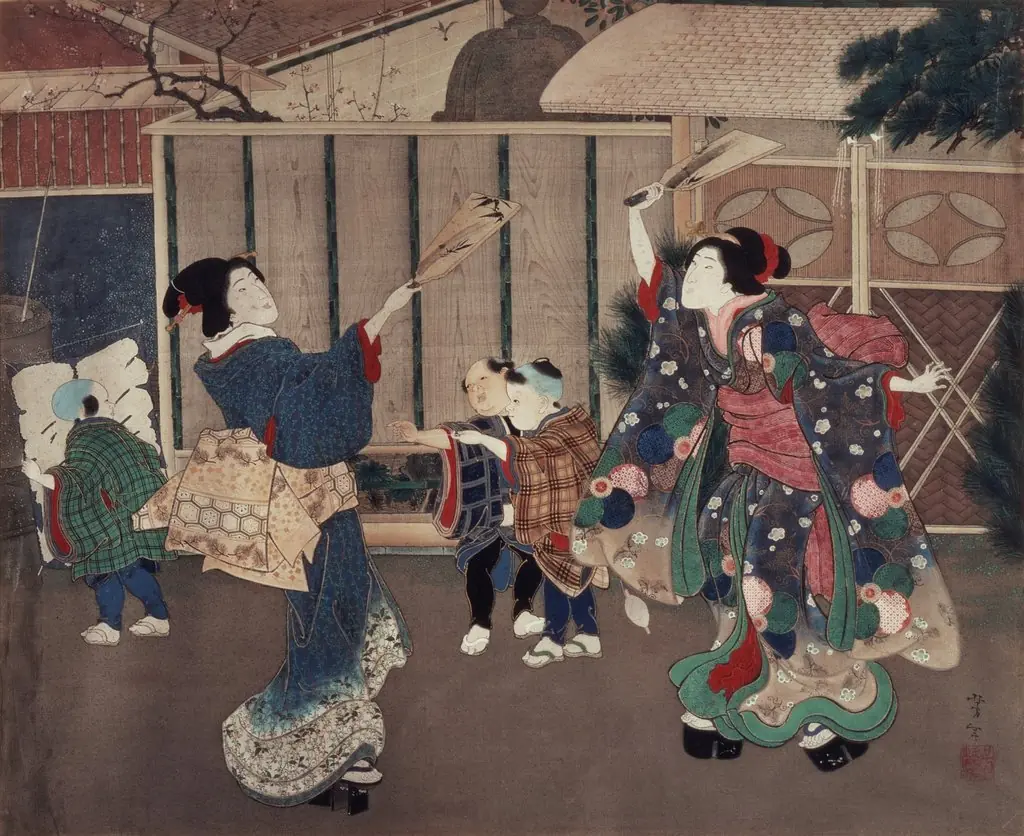 January: Celebrating the New Year
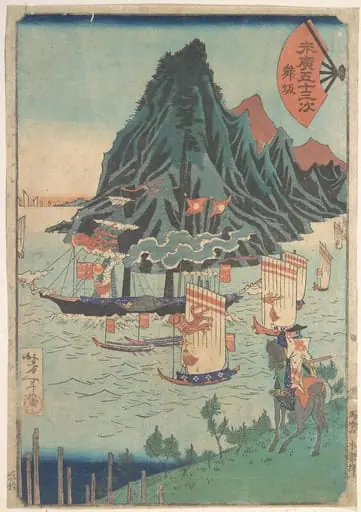 Untitled
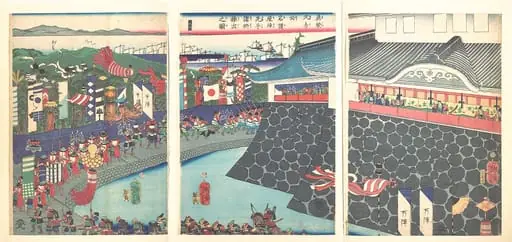 真柴秀吉公名護屋陣先手諸将繰出之図|Hideyoshi and His Troops Leaving Nagoya Camp (Mashiba Hideyoshi kō nagoya jin saki te no shoshō kuridashi no zu)
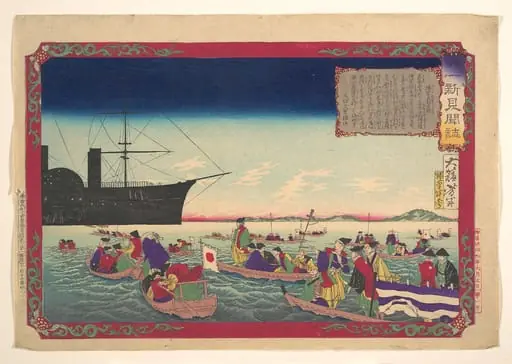 皇国一新見聞誌|Chronicle of the Imperial Restoration (Kōkoku isshin kenbunshi)
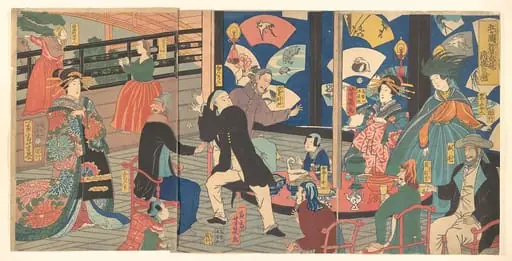 Gok'koku o Gankirō sakamori no zu|The Five Nations Enjoying a Drunken Revel at the Gankirō Tea House
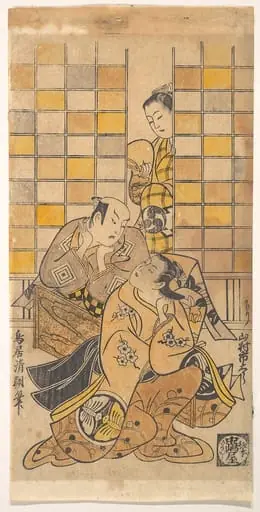 Untitled
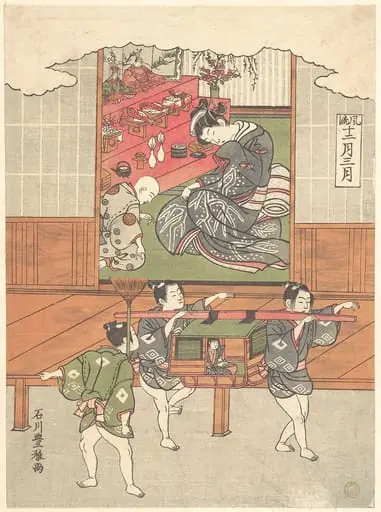 Hina no Sekku|The Festival of Dolls (Third Month)
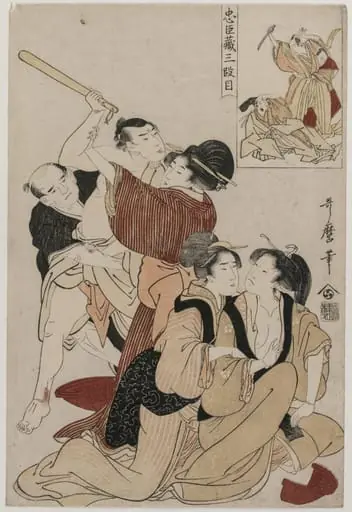 Chushingura: Act III of The Storehouse of Loyalty
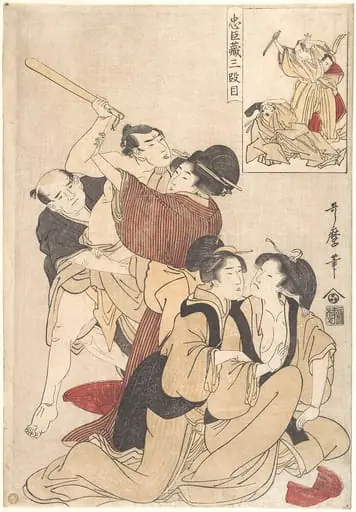 忠臣蔵三段目|Chushingura Act III
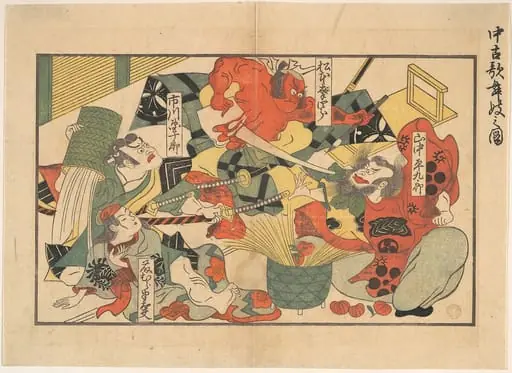 Untitled
 Untitled
![Michiyuki no embō|Evening Glow on a Traveling Drama [Chinese watching a Kabuki play], by Utagawa Yoshitora](https://artifactworldgallery.com/img/utagawa-yoshitora--michiyuki-no-embo-evening-glow-on-a-traveling-drama-chinese--d1f5bd27ea6e846c-w320.webp) Michiyuki no embō|Evening Glow on a Traveling Drama [Chinese watching a Kabuki play]
Michiyuki no embō|Evening Glow on a Traveling Drama [Chinese watching a Kabuki play]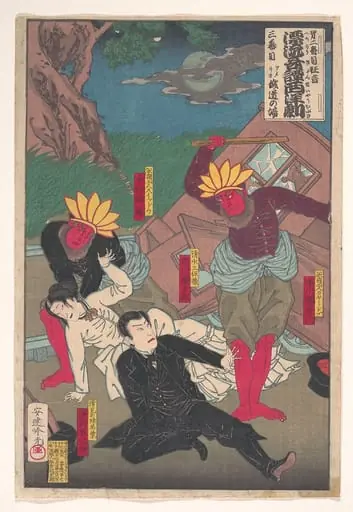 安達吟光画 第二番目狂言 漂流奇譚 西洋劇 三幕目 アメリカ鉄道の場|“Act II, Scene 2: Along Train Tracks in America,” from the series The Strange Tale of the Castaways: A Western Kabuki
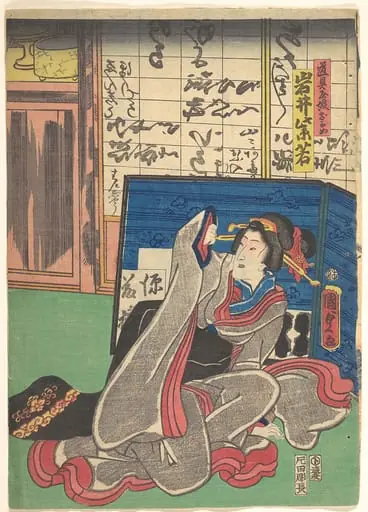 岩井紫若(二代目)の道具屋娘おかめ|Iwai Shijaku II as Okame, the Daughter of a Furniture Store