Artwork
Selene and Endymion
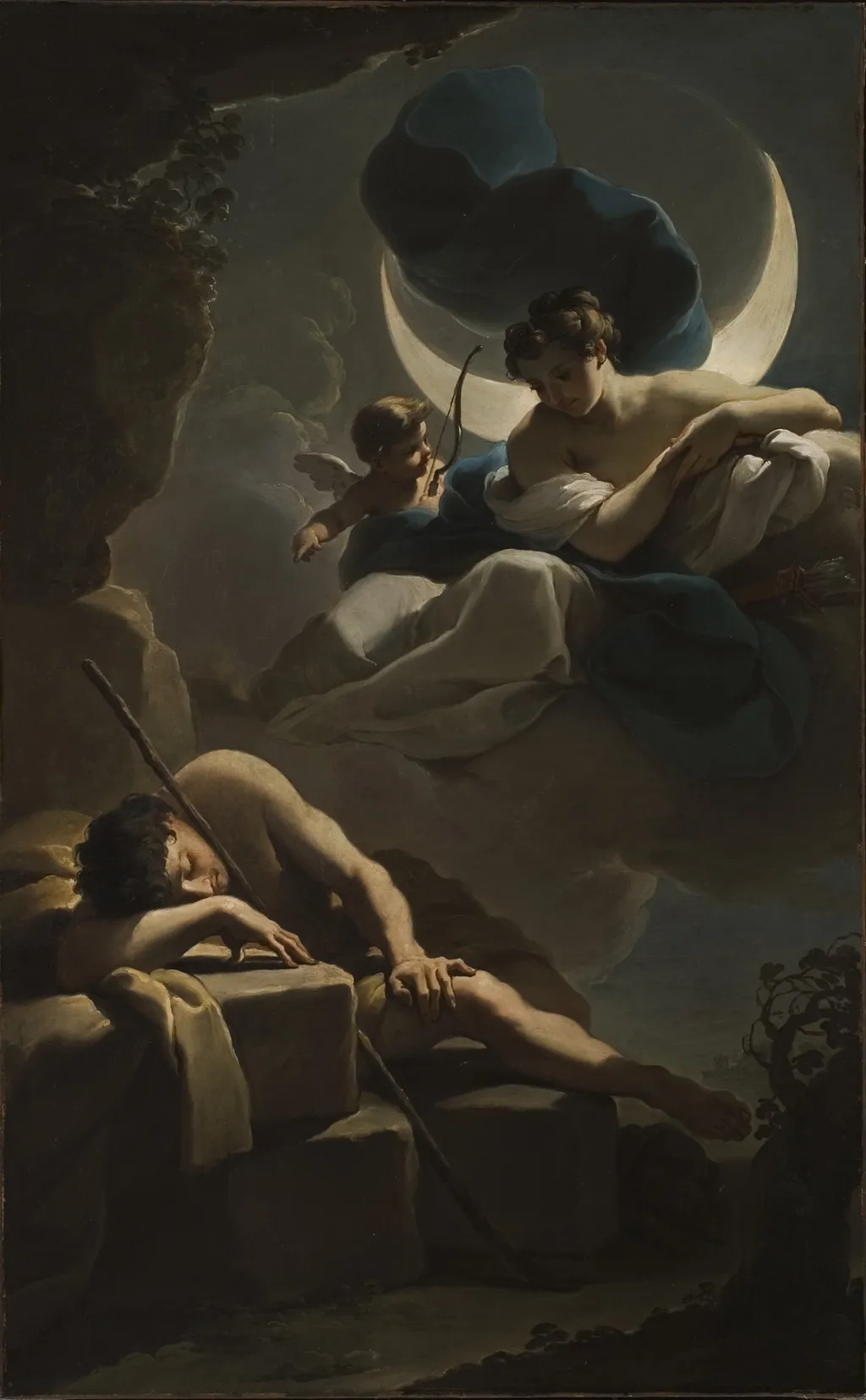
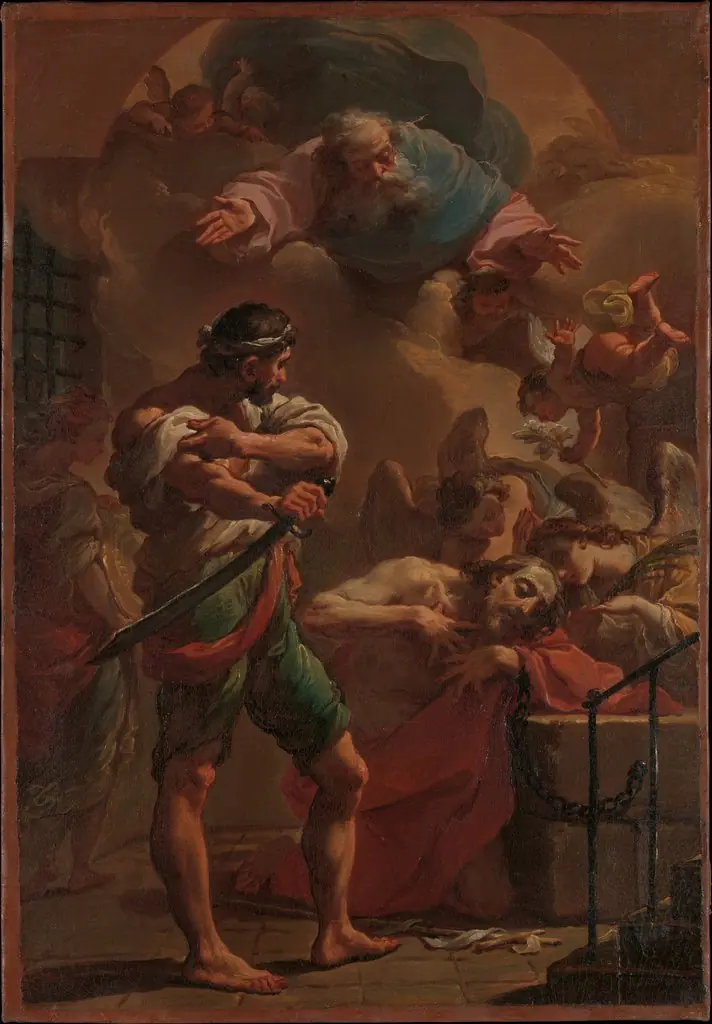
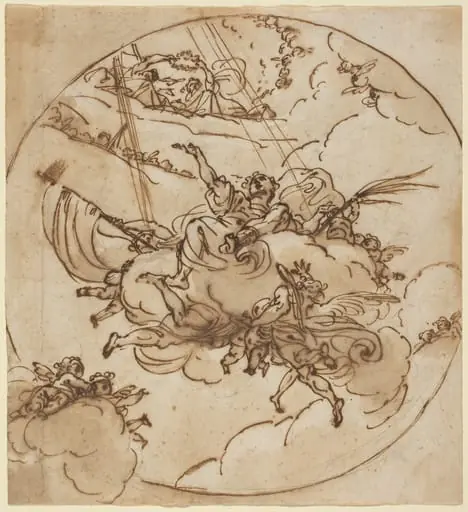
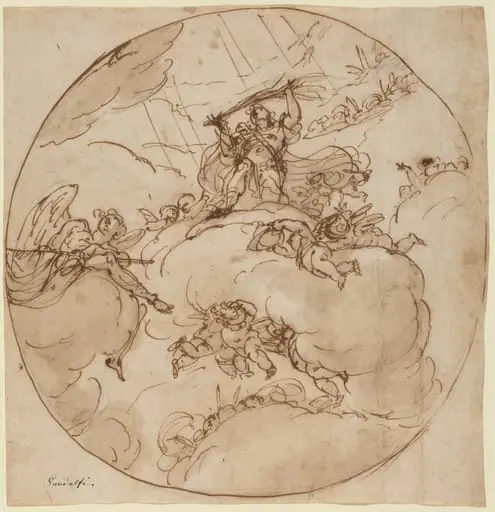
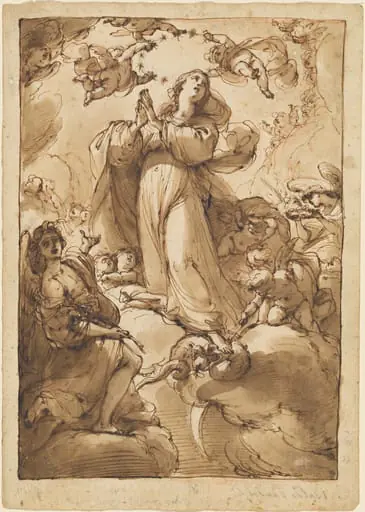
Selene and Endymion is an oil painting by Ubaldo Gandolfi. It dates from 1770 and is held in the collection of the Los Angeles County Museum of Art.
About this work
Overview
Selene and Endymion is an oil painting created in 1770 by Ubaldo Gandolfi, an Italian late-Baroque painter. The work is part of the Los Angeles County Museum of Art's collection.
Subject & Meaning
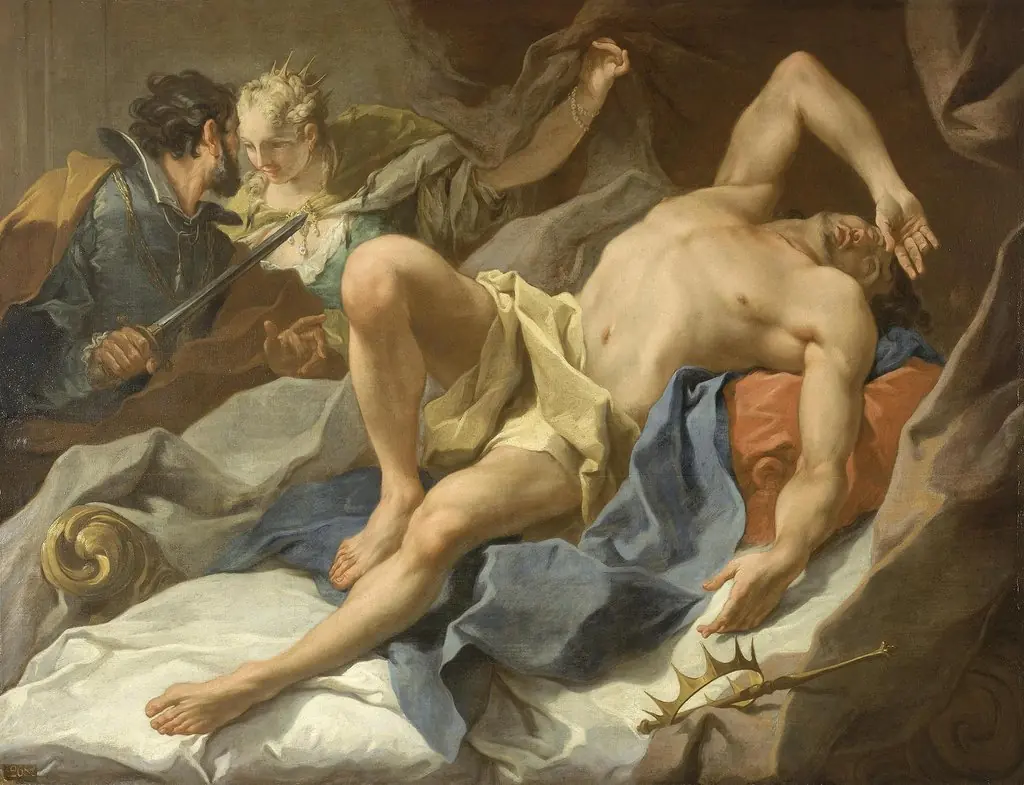
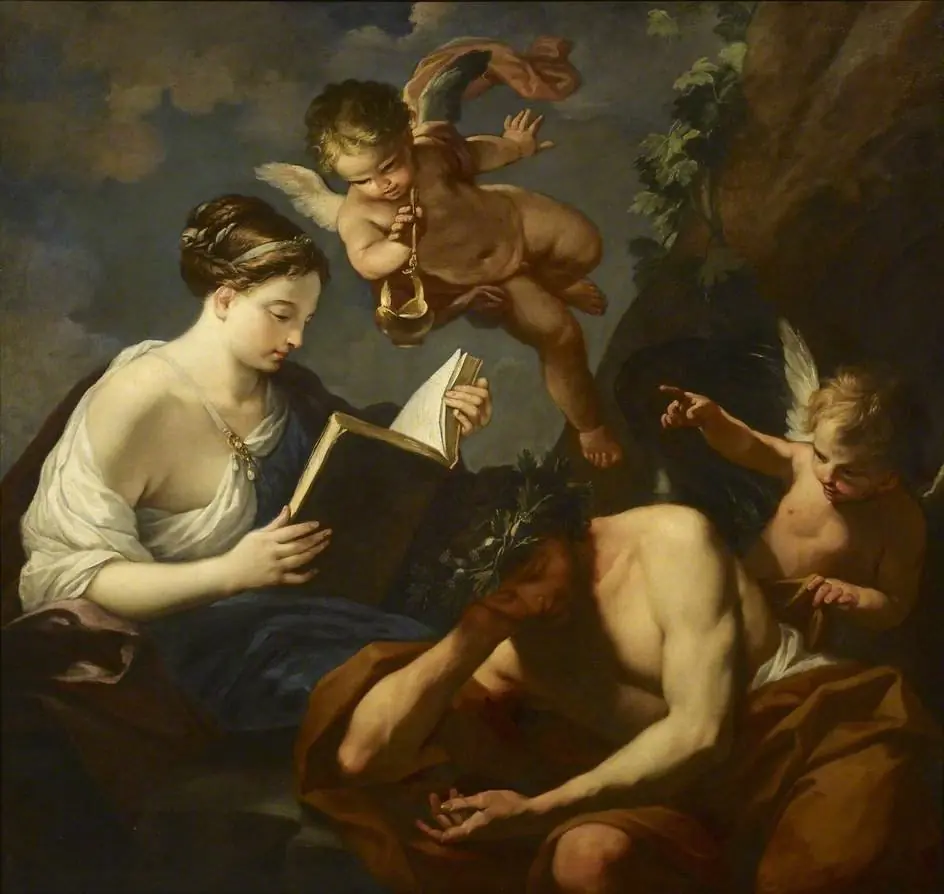
The painting illustrates a serene scene from classical mythology, featuring Selene (goddess of the moon) and Endymion. Selene, dressed in a flowing white robe, gazes at the sleeping Endymion, conveying a sense of peaceful contemplation. Iconic symbols like Selene's bow and arrow and the crescent moon in the background contextualize the mythological narrative.
Technique & Style
Gandolfi employed chiaroscuro, a characteristic of Baroque painting, to create a soft, dreamy glow under the light of a crescent moon. This technique enhances the tranquil atmosphere of the scene, drawing the viewer's eye through contrasts of light and shadow.
History & Provenance
Painted in 1770, Selene and Endymion was likely created for a European court, given the Gandolfi brothers' popularity among such patrons during their lifetime. The painting is now held in the collection of the Los Angeles County Museum of Art.
Context
As a late-Baroque painter, Gandolfi's work reflects the period's emphasis on emotional depth and dramatic lighting. His choice of mythological subject matter was also typical of the time, appealing to the intellectual and aesthetic tastes of aristocratic collectors.
Legacy
While specific details on the painting's direct influence are not provided, Selene and Endymion contributes to the broader legacy of late-Baroque art's exploration of mythology through expressive, light-driven compositions.
Own this work as a print
Artist & collection
Artist
Ubaldo Gandolfi (1728–1781) was an Italian painter, draughtsman and sculptor of the late-Baroque period, mainly active in and near Bologna.