Artwork
Captain John Smith
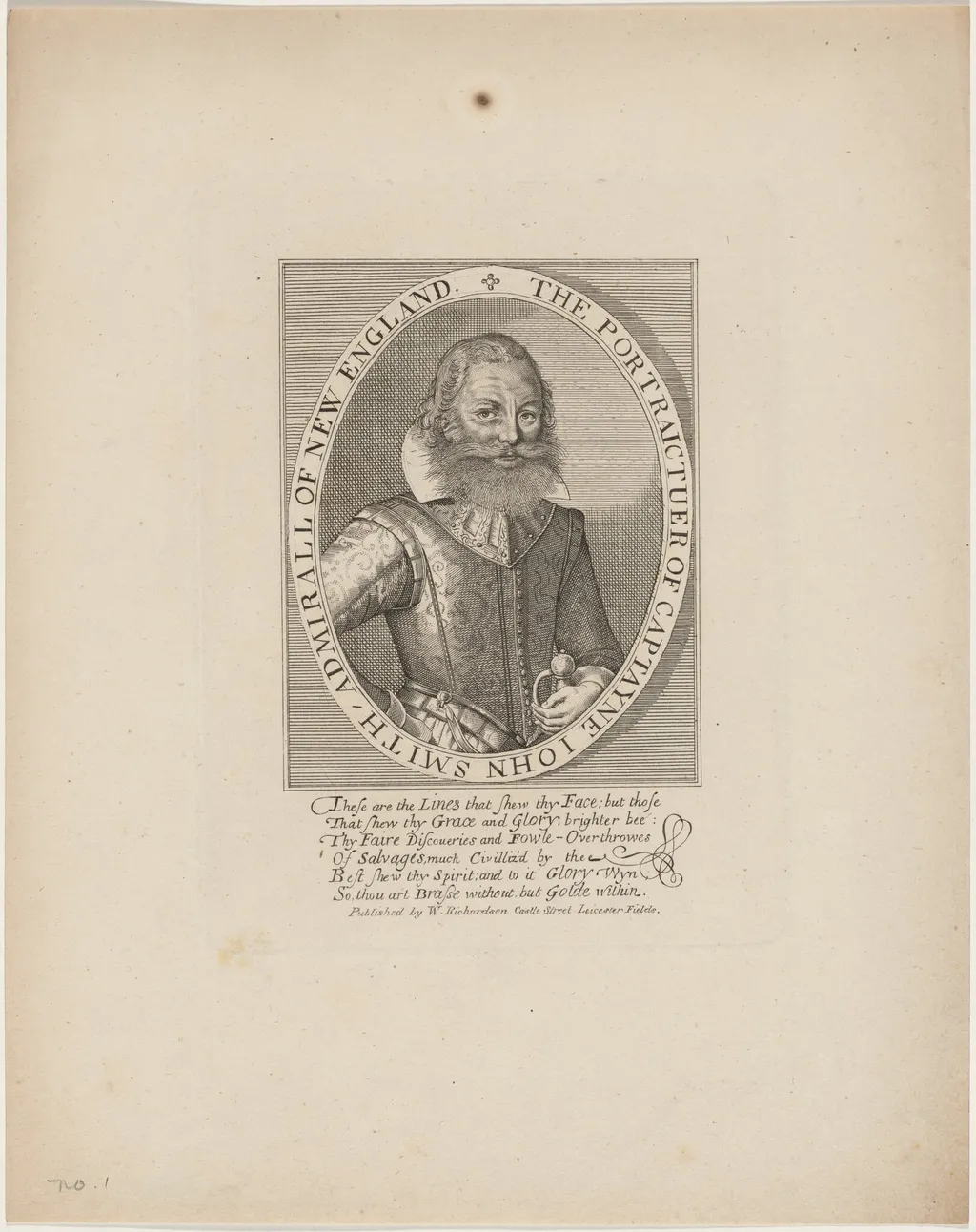
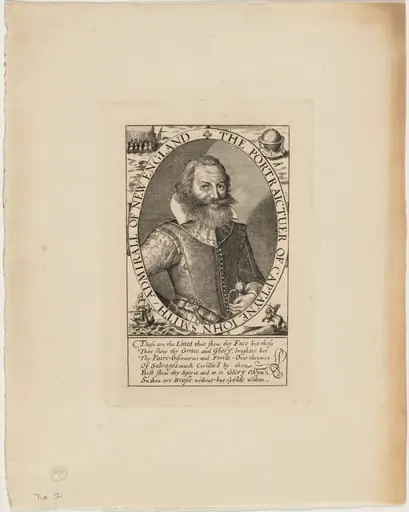
Captain John Smith is a print by the Romanticist artist Unknown 19th Century. It dates from 1850 and is held in the collection of the National Gallery of Art.
About this work
Overview
Though labeled as Romantic, the image aligns more closely with 19th-century revivalist portraiture than the emotional intensity typical of Romanticism.
This facsimile print depicts Captain John Smith, an English explorer and colonial leader, in a formal portrait. Rendered in a stylized manner, it presents him with a full beard, high-collared jacket, and belt, holding a small object in his right hand. The light background isolates his figure, emphasizing his presence. Though labeled as Romantic, the image aligns more closely with 19th-century revivalist portraiture than the emotional intensity typical of Romanticism.
Subject & Meaning
Captain John Smith is portrayed as a composed, authoritative figure, his direct gaze and stern expression conveying leadership and resolve. The object he holds—likely a map or compass—suggests his role in exploration and territorial claim. The image was not created during his lifetime but later, serving to memorialize him as a foundational figure in early American colonial history, reinforcing ideals of determination and individual agency.
Technique & Style
The print employs clean lines and muted tonal contrasts to define form, typical of 19th-century reproductive engraving. Facial features are rendered with precision, while clothing folds are simplified for clarity. The background is uniformly light, eliminating distraction. Though sometimes associated with Romanticism, the style lacks dramatic lighting or expressive brushwork, instead reflecting the conventions of historical portraiture reproduction.
History & Provenance
This facsimile derives from an original portrait believed to have been created after Smith’s death, possibly based on a 17th-century engraving. The version in question was likely produced in the 1800s during a resurgence of interest in colonial figures. As a printed reproduction, it was widely distributed in educational and historical publications, contributing to Smith’s enduring public image.
Context
In the early 19th century, American and British audiences increasingly looked to colonial figures as symbols of national identity. Smith’s image was revived in textbooks and public monuments, often idealized to represent courage and self-reliance. This print emerged amid a broader cultural project to construct a heroic narrative of early settlement, distancing itself from the complexities of colonization and indigenous displacement.
Legacy
The portrait remains one of the most reproduced images of Captain John Smith, shaping popular perceptions of him for generations. Though historically inaccurate in detail and tone, its clarity and solemnity made it a convenient visual shorthand for colonial leadership. Its continued use in educational materials underscores how simplified imagery can outlast historical nuance.
Artist & collection

Artist

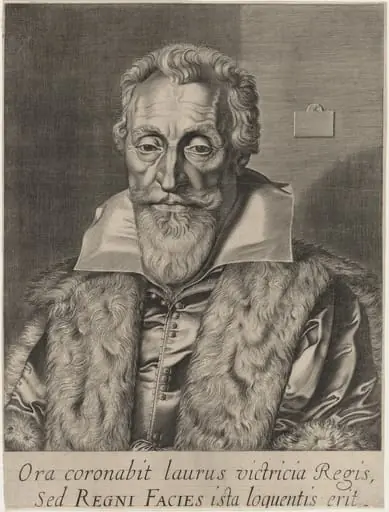
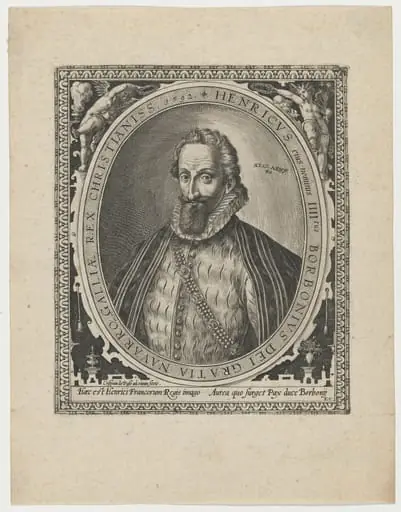 Henry IV, King of France
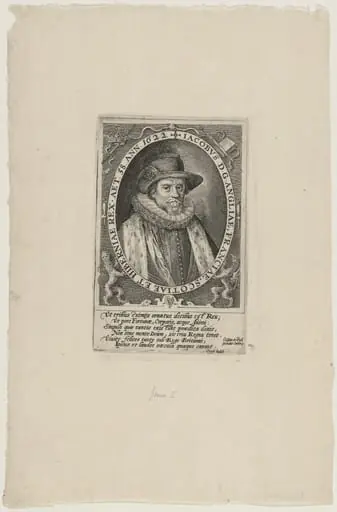 James I, King of England
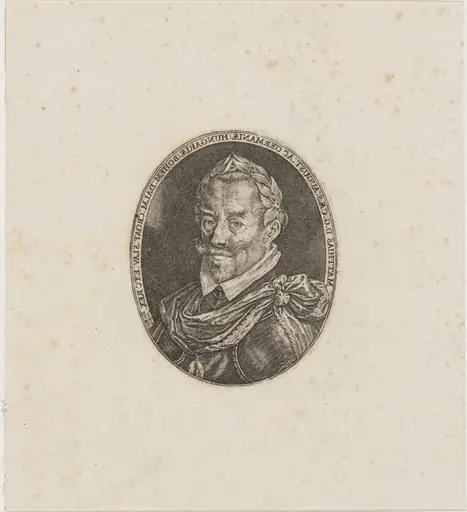 The Emperor Matthias
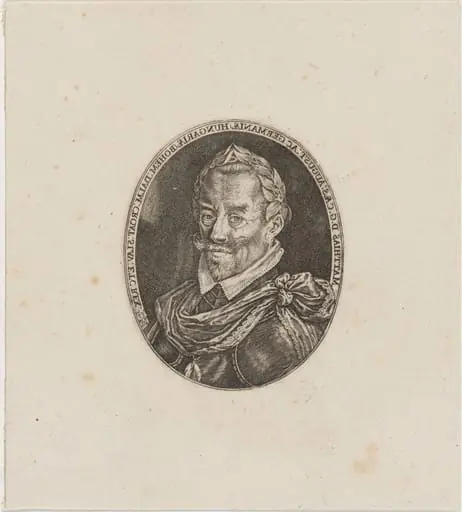 The Emperor Matthias
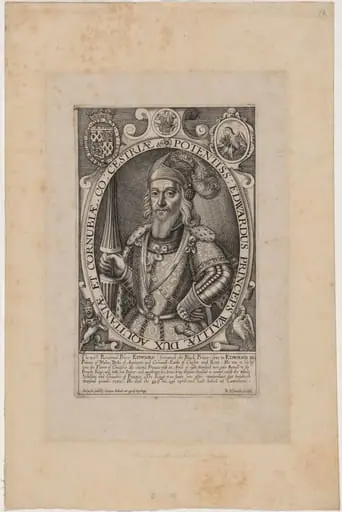 Edward, the Black Prince
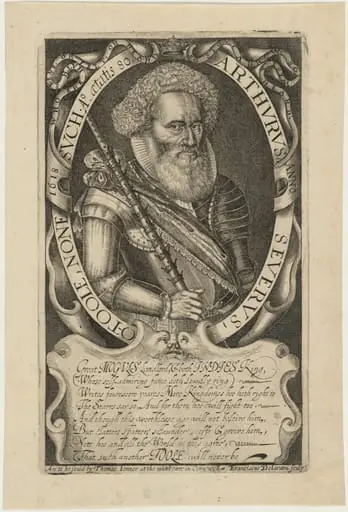 Arthur O'Toole
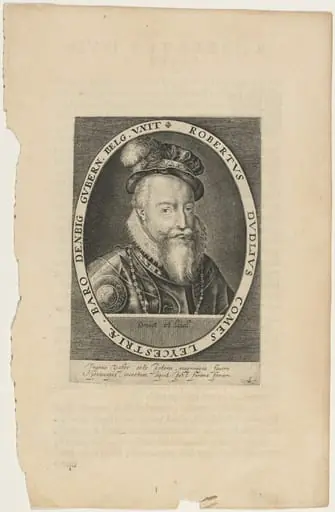 Robert Dudley, Earl of Leicester
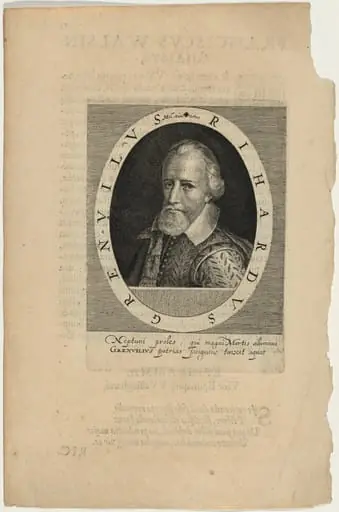 Sir Richard Grenville, Naval Commander
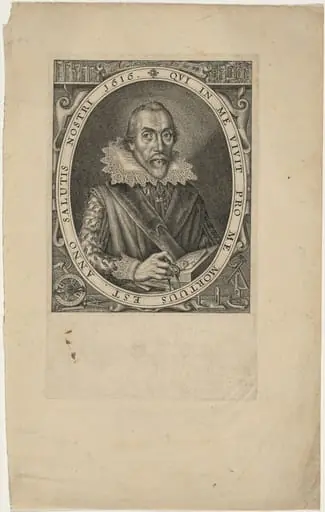 Aaron Rathborne
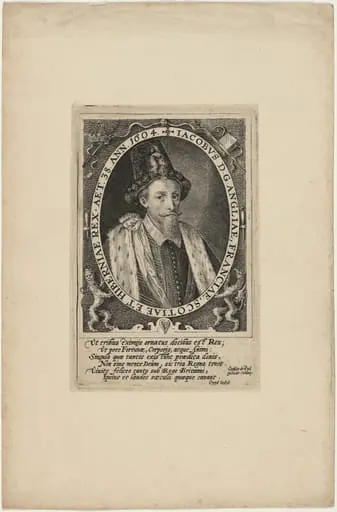 James I, King of England
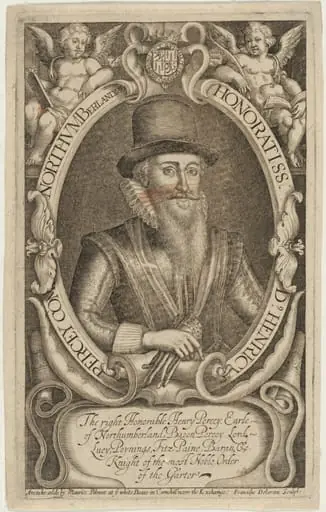 Henricus Percye (Henry Percy, Ninth Earl of Northumberland)
 Captain John Smith