Artwork
James I
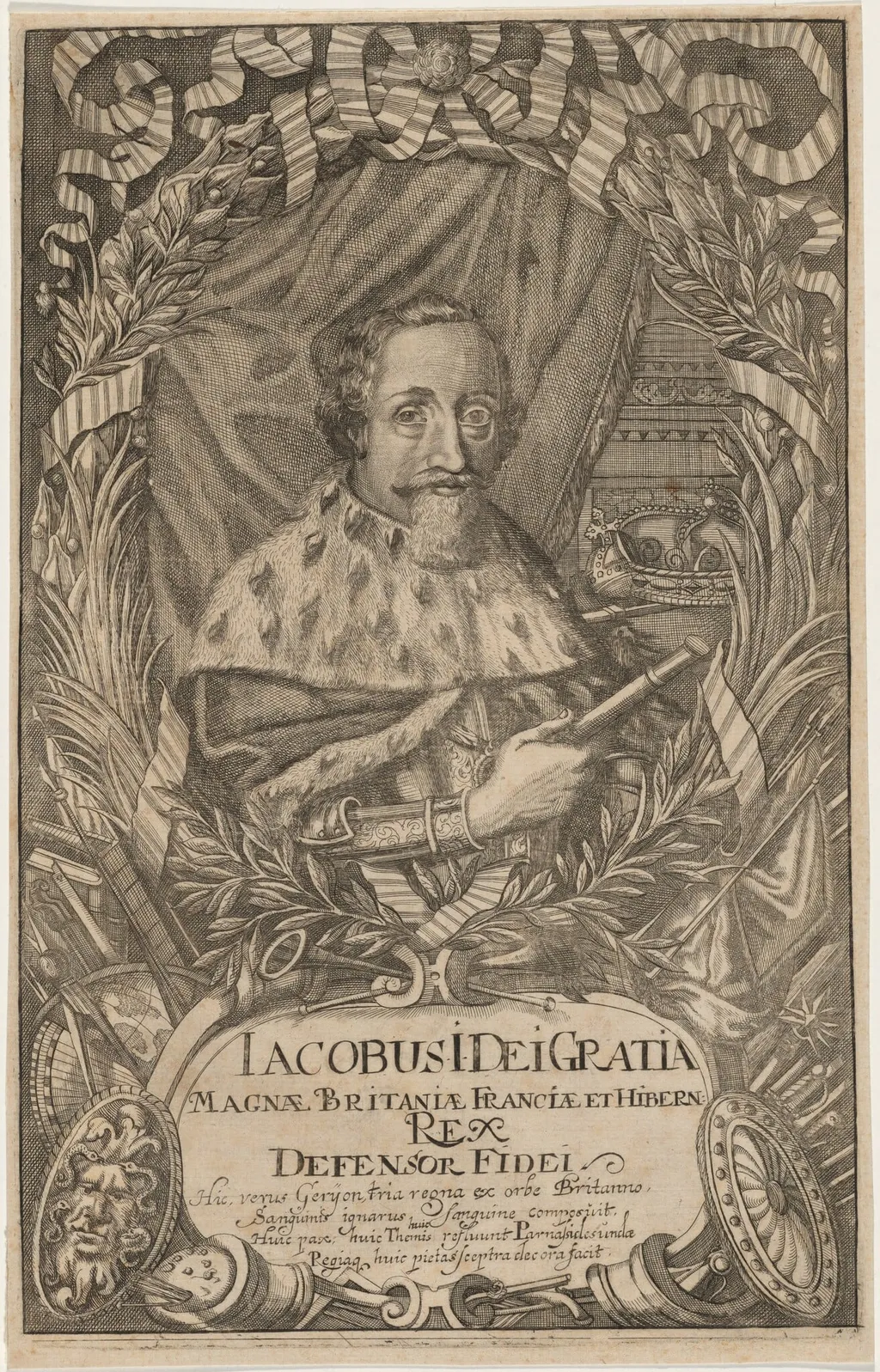
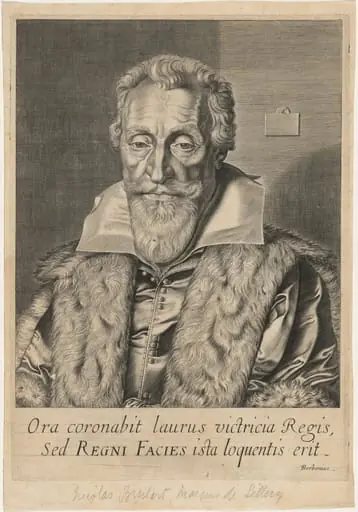
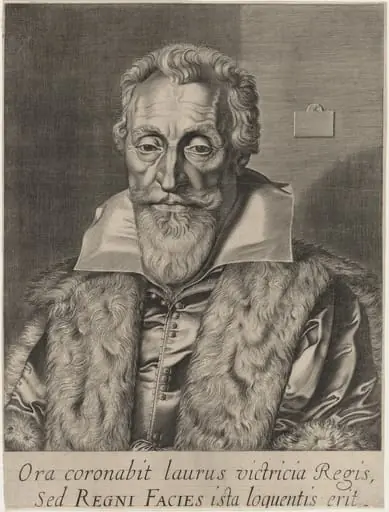
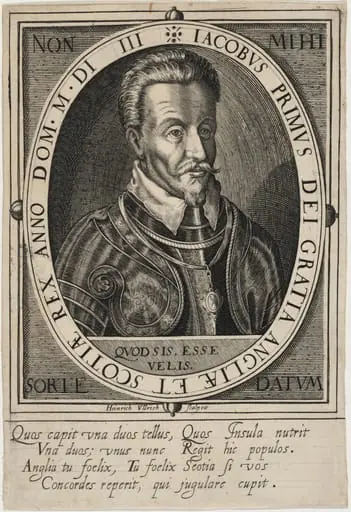
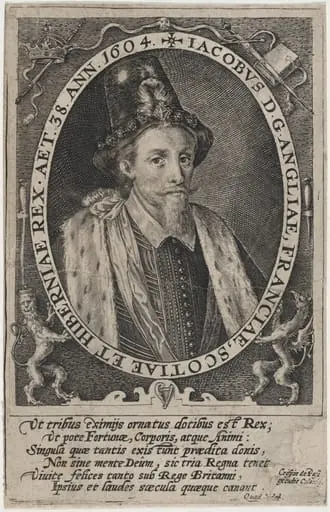
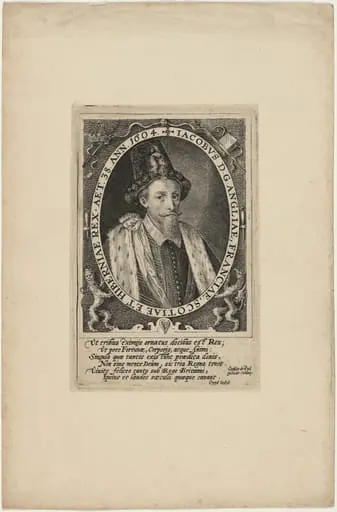
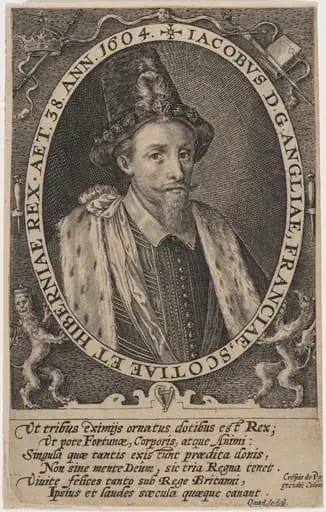
James I is an ink print by the Romanticist artist Unknown 19th Century. It dates from 1850 and is held in the collection of the National Gallery of Art.
About this work
Overview
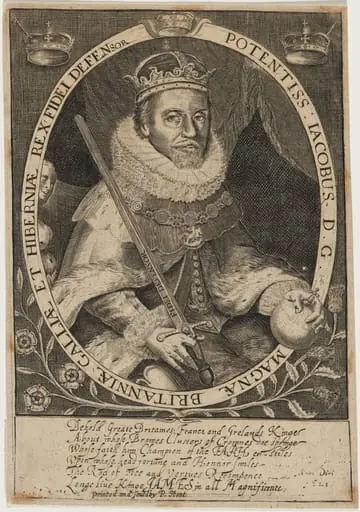
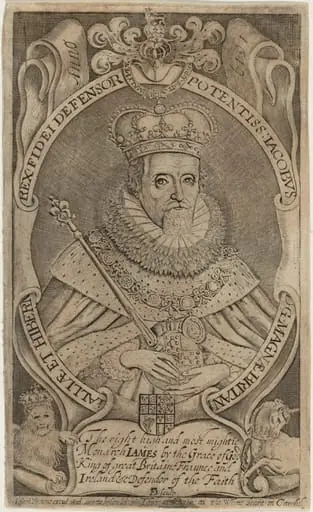
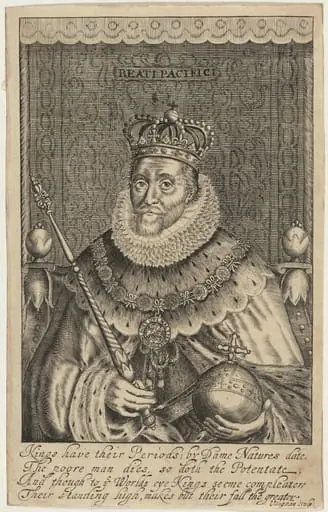
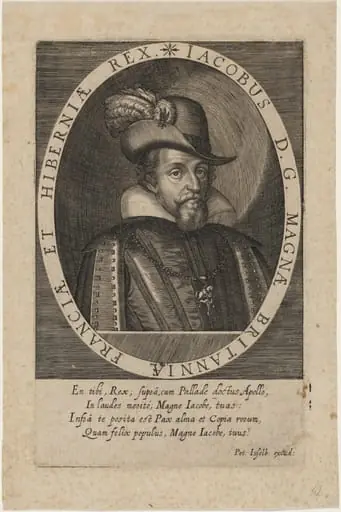
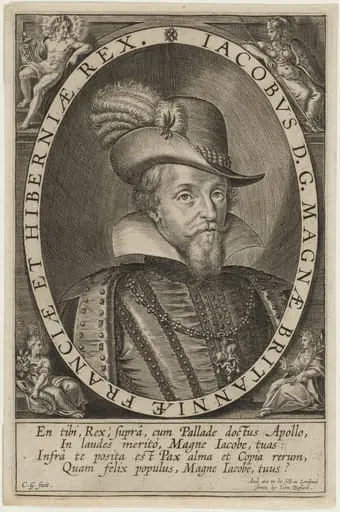
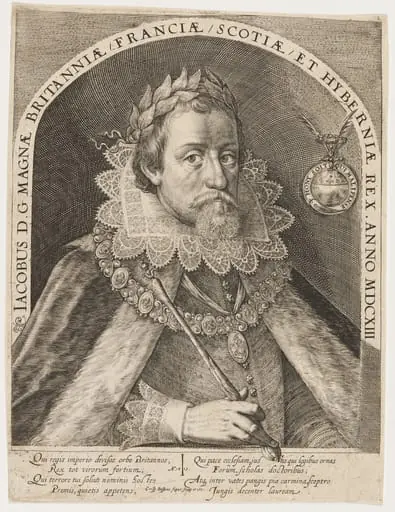
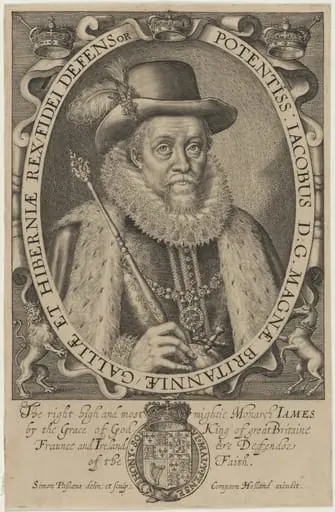
The portrait presents the monarch in formal regalia, with a fur-trimmed coat, scepter, and crown, set against an ornamental border of foliage and ribbons.
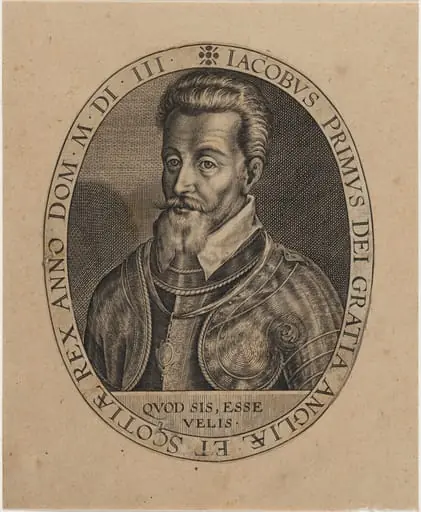
This engraving depicts James I of England, rendered in fine linear detail characteristic of early 17th-century printmaking. The portrait presents the monarch in formal regalia, with a fur-trimmed coat, scepter, and crown, set against an ornamental border of foliage and ribbons. A Latin inscription appears along the lower edge, reinforcing its official function. The composition emphasizes authority through direct gaze and controlled symmetry, typical of royal portraiture of the period.
Subject & Meaning
James I is portrayed as a sovereign vested with divine and political legitimacy. The scepter and crown signify royal power, while the direct eye contact with the viewer conveys vigilance and authority. The surrounding decorative elements—leaves and ribbons—serve not merely as embellishment but as symbols of continuity and order. The serious expression and formal posture reinforce the gravity of kingship, aligning the image with the ideology of the divine right of kings.
Technique & Style
The engraving employs precise, fine-line etching to model texture and volume, particularly in the fur trim, fabric folds, and facial features. Cross-hatching and stippling create tonal depth without color, relying on contrast and line density. The border’s intricate botanical and ribbon motifs reflect the Mannerist influence common in courtly prints of the era. The style prioritizes clarity and symbolic detail over emotional expression, distinguishing it from later Romantic sensibilities.
History & Provenance
Produced during James I’s reign (1603–1625), this print likely served as a diplomatic or ceremonial object, distributed to reinforce royal presence across the realm. Engravings like this were often commissioned by the Crown or its allies to disseminate standardized images of the monarch. Its survival suggests it was preserved in royal or aristocratic collections, possibly as part of a broader archive of state portraiture.
Context
In early 17th-century England, printed portraits were vital tools for projecting monarchical authority beyond the court. With limited access to the king in person, engravings like this provided the public with a visual anchor for loyalty. The use of Latin text and elaborate borders aligns with continental traditions, reflecting James’s interest in European court culture and his efforts to position England as a legitimate heir to Renaissance political aesthetics.
Legacy
Though not widely known today, this engraving exemplifies the role of print in early modern statecraft. It represents a transitional phase between medieval iconography and the more naturalistic portraiture of the 18th century. Its technical precision and symbolic language influenced subsequent royal imagery, even as the medium of print evolved. It remains a tangible artifact of how power was visually constructed before photography.
Artist & collection

Artist