Artwork
George, Earl of Cumberland
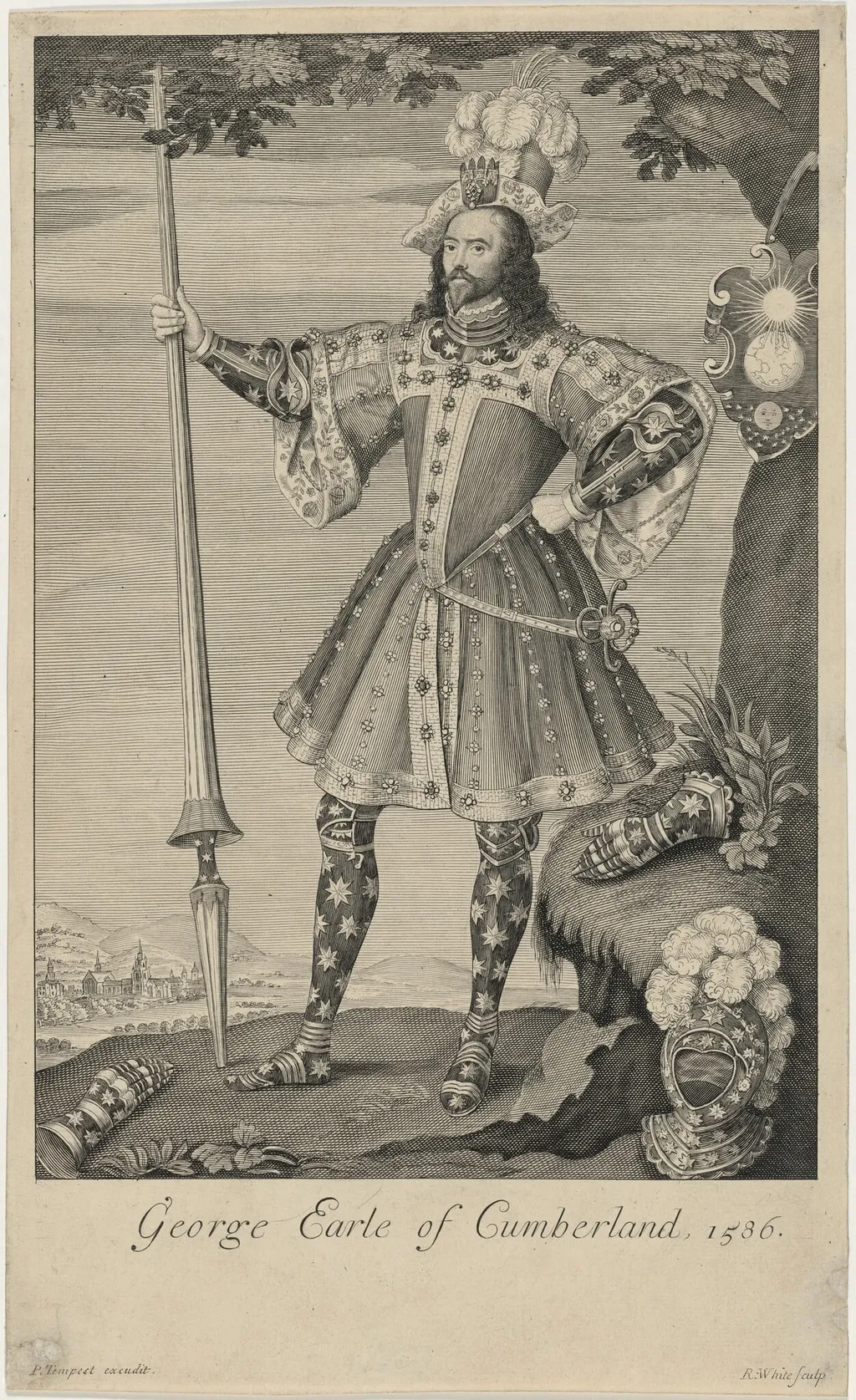
George, Earl of Cumberland is an ink print by the Baroque artist Robert White. It dates from 1674 and is held in the collection of the National Gallery of Art.
About this work
He’s holding a sword in one hand and a scepter in the other, standing on a small hill with a town in the background.
This is a black-and-white engraving of a man dressed in fancy armor. He’s holding a sword in one hand and a scepter in the other, standing on a small hill with a town in the background. His outfit is covered in stars and detailed patterns, and he wears a feathered hat. The sky above him looks dramatic, with clouds and a sunburst behind his head.
The name at the bottom, *George, Earl of Cumberland*, is written clearly, and the year 1736 is noted. This style of armor and the dramatic lighting are typical of the Baroque period.
Next, check out how engraving works to see how artists like this create such sharp details.
Overview
This 1674 engraving by Robert White depicts George, Earl of Cumberland, as a nobleman adorned in ornate armor. Executed in fine line work, the portrait reflects White’s skill as a London-based printmaker trained in the tradition of David Loggan. The image is rendered in monochrome, emphasizing texture and form through meticulous hatching and cross-contouring, typical of late 17th-century English portraiture.
Subject & Meaning
The Earl is portrayed in ceremonial armor, holding a sword and scepter to signify military and civil authority. A feathered hat and star-patterned embellishments reinforce his aristocratic status. The dramatic sky with a sunburst behind him suggests divine favor or heroic virtue, aligning with Baroque conventions that linked nobility with cosmic order and moral grandeur.
Technique & Style
White employed drypoint and etching to achieve sharp, controlled lines, capturing intricate details of armor and fabric. He likely drew the original likeness in pencil on vellum before transferring it to the copper plate. The contrast between the polished metal surfaces and the textured clouds demonstrates his command of tonal gradation, a hallmark of his refined engraving technique.
History & Provenance
Created in 1674, the print was part of White’s series of aristocratic portraits produced in London during his peak years. Though he died in 1703 in modest circumstances in Bloomsbury Market, his works remained in circulation among collectors. The date 1736 noted on the print likely indicates a later impression or reissue, not the original creation.
Context
White’s work emerged in a period when engraved portraits served as status symbols for the English elite, replacing painted likenesses for wider distribution. The Baroque aesthetic—dramatic lighting, symbolic objects, and idealized posture—was favored in courtly imagery. His style, influenced by Dutch and continental engravers, helped define English print culture in the decades after the Restoration.
Legacy
Robert White’s engravings contributed to the standardization of portrait reproduction in Britain. Though less celebrated today, his precise technique influenced later generations of printmakers. His ability to translate three-dimensional subjects into detailed flat images preserved the visual identity of aristocrats for posterity, bridging the gap between painting and mass-produced imagery.
Artist & collection
Artist
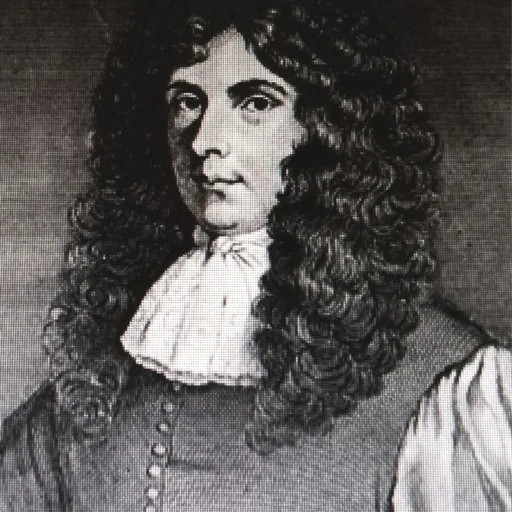
Robert White (1645 – 1703) was an English draughtsman and engraver. A Londoner, he was a pupil of David Loggan, and became a leading portrait engraver. White was celebrated for his original portraits, drawn in pencil on…

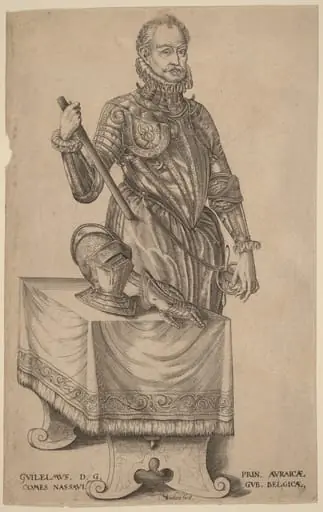 William of Nassau, Prince of Orange
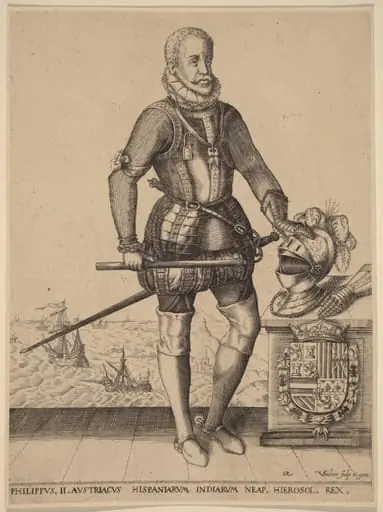 Philip II, King of Spain
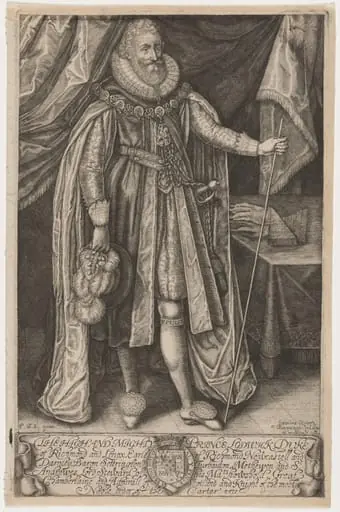 Lodovick Stuart, Duke of Richmond and Lennox
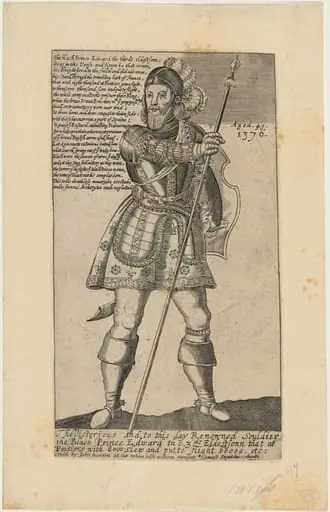 Edward, the Black Prince at the Age of 49
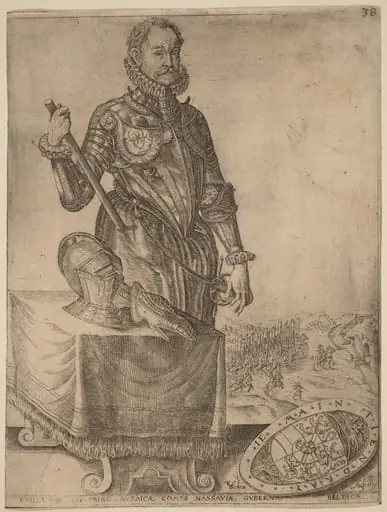 William of Nassau, Prince of Orange
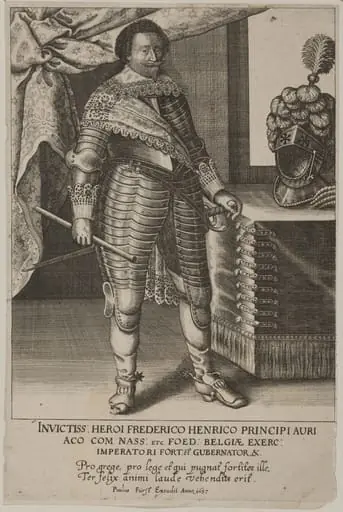 Frederick Henry of Nassau
 Sigismund II, King of Poland
 William, Earl of Craven
 A Pike-Man Turned to the Left
 Robert Dudley, Earl of Leicester
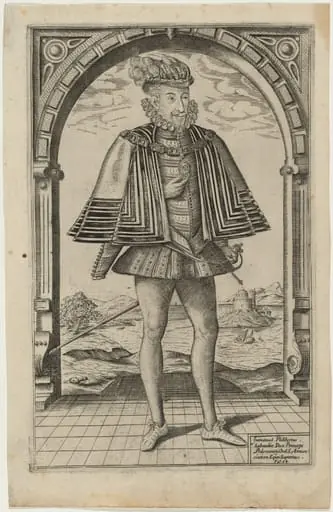 Emmanuel Philibert of Savoy
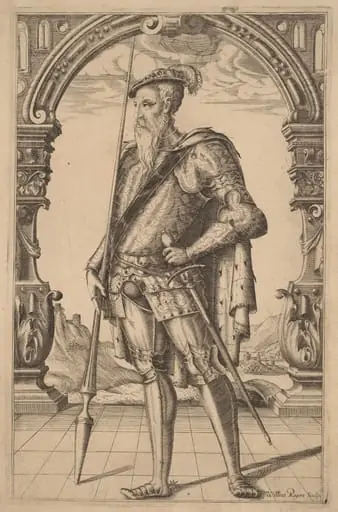 Alfonso X, King of Castile