Artwork
Draupadi
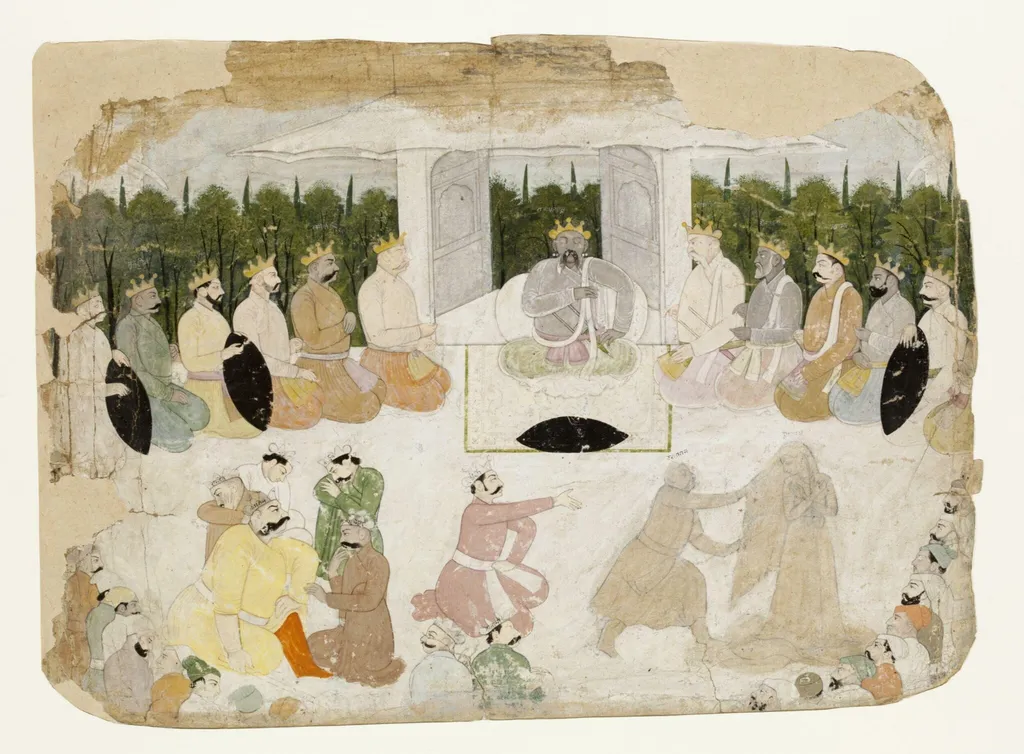
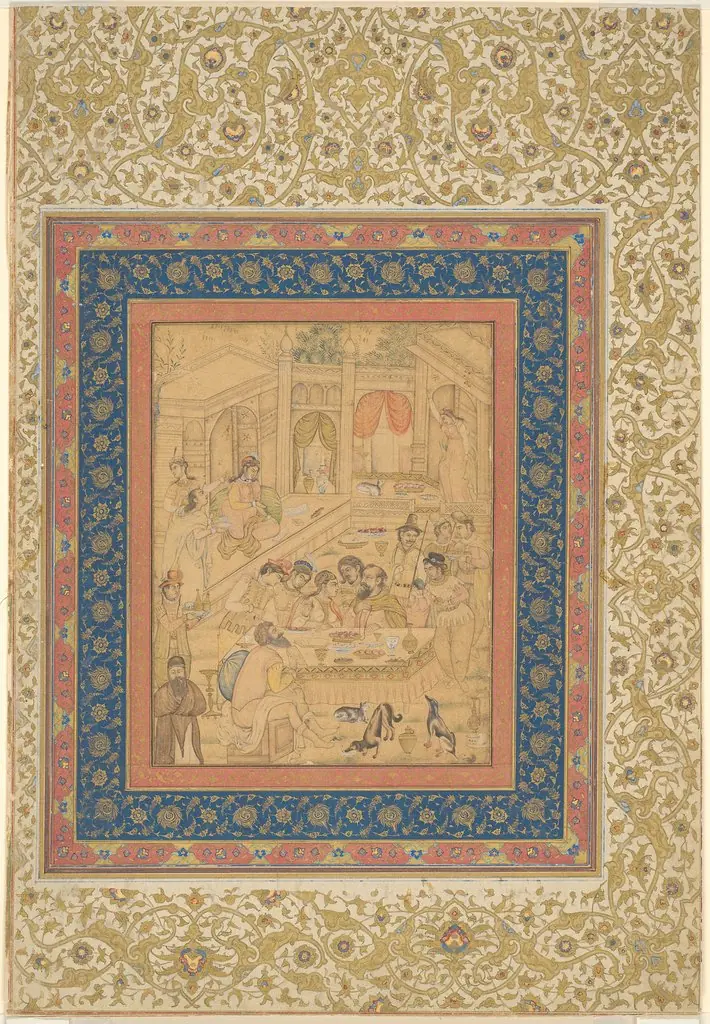
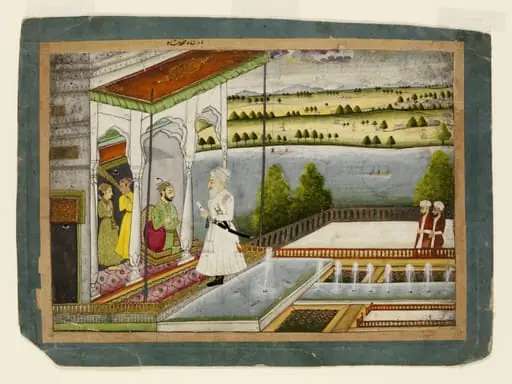
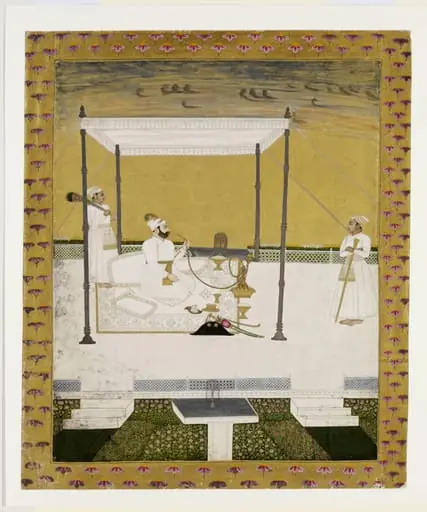
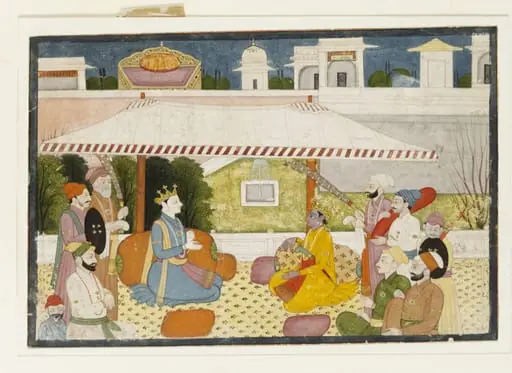
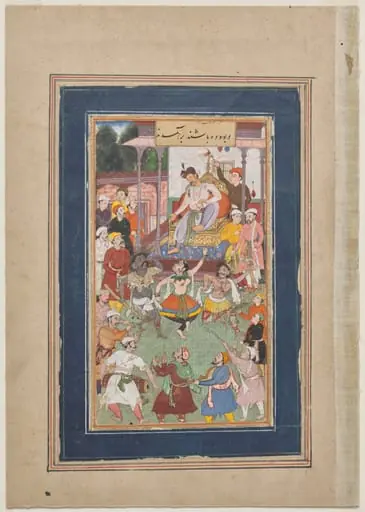
Draupadi is a paint painting by the Baroque artist Unknown. It dates from 1740 and is held in the collection of the Victoria and Albert Museum. Created around 1740, this opaque watercolor on paper portrays a dramatic episode from the Indian epic Mahabharata.
About this work
Overview
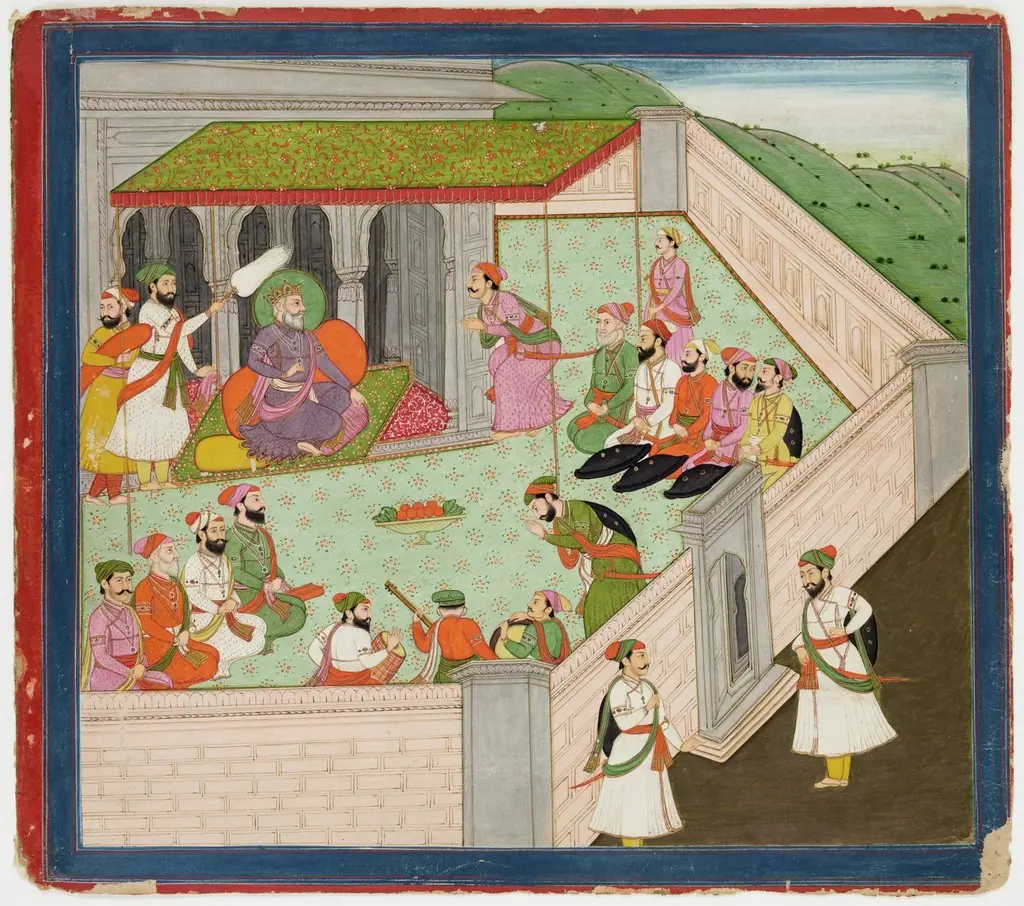
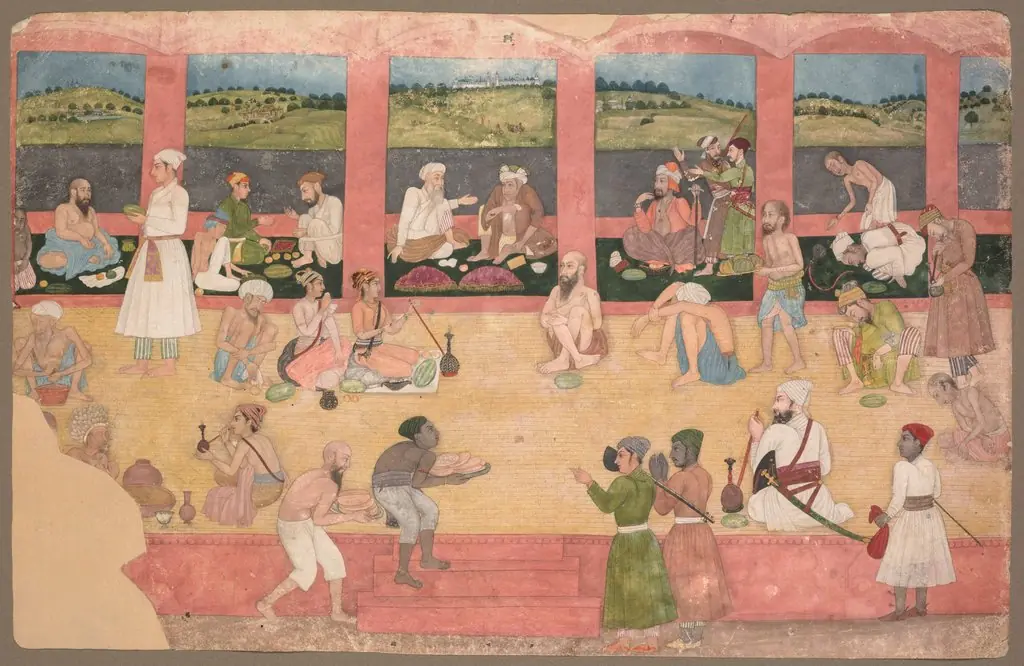
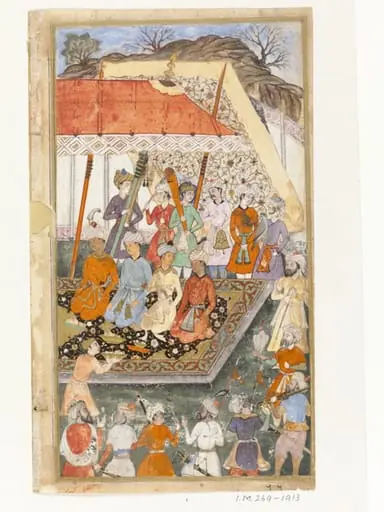
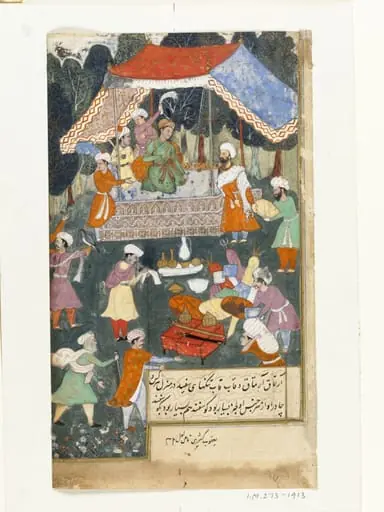
Created around 1740, this opaque watercolor on paper portrays a dramatic episode from the Indian epic Mahabharata. The composition centers on a courtly gathering where King Duryodhana attempts to strip Draupadi of her garments, while her sari miraculously elongates in response to prayers to the deity Krishna. The scene is rendered in muted earth tones, giving it a solemn, ceremonial aura.
Subject & Meaning
The narrative captures the moment of Draupadi’s attempted disrobement, a pivotal test of divine intervention and moral order in the epic. Her expanding sari symbolizes Krishna’s protective presence and the triumph of righteousness over the hubris of Duryodhana and his allies, underscoring themes of honor, devotion, and cosmic justice.
Technique & Style
Executed in opaque watercolor, the artist achieves a solid, painterly effect on paper, allowing for fine detail in the figures’ attire and the surrounding landscape. The composition’s arrangement of crowned figures, their gestures, and the use of chiaroscuro echo Baroque sensibilities, while the restrained palette of browns, greens, and beiges reinforces a sense of gravitas.
Context
The work reflects a period of cultural exchange in which Indian mythological subjects were rendered through artistic conventions influenced by European Baroque aesthetics. Such hybridization suggests patronage by a court familiar with both indigenous narratives and foreign visual vocabularies, situating the painting within a broader dialogue between local tradition and global artistic trends.
Legacy
While the painting’s provenance remains unclear, its depiction of a well‑known mythological episode contributes to the visual record of Mahabharata iconography in the 18th century. It serves as an example of how Indian stories were adapted to contemporary artistic languages, informing later representations in both Indian and colonial art collections.
Artist & collection

 Domestic Scene
 Giacomo and Cardinal Marco, investing Andrea, Abbot of San Zeno, with his Benefice
 The Nymph of Fontainebleau
 Portrait of a Woman
 Madonna and Child with Saints in the Enclosed Garden
 Venus and Minerva
 Family Group of Four on Sofa
 Wall painting from Room H of the Villa of P. Fannius Synistor at Boscoreale