Artwork
Porträt der Maria Amalia von Sachsen (1724-1760)
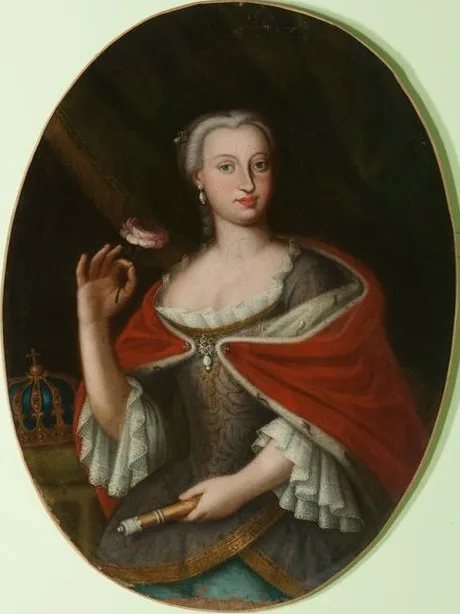
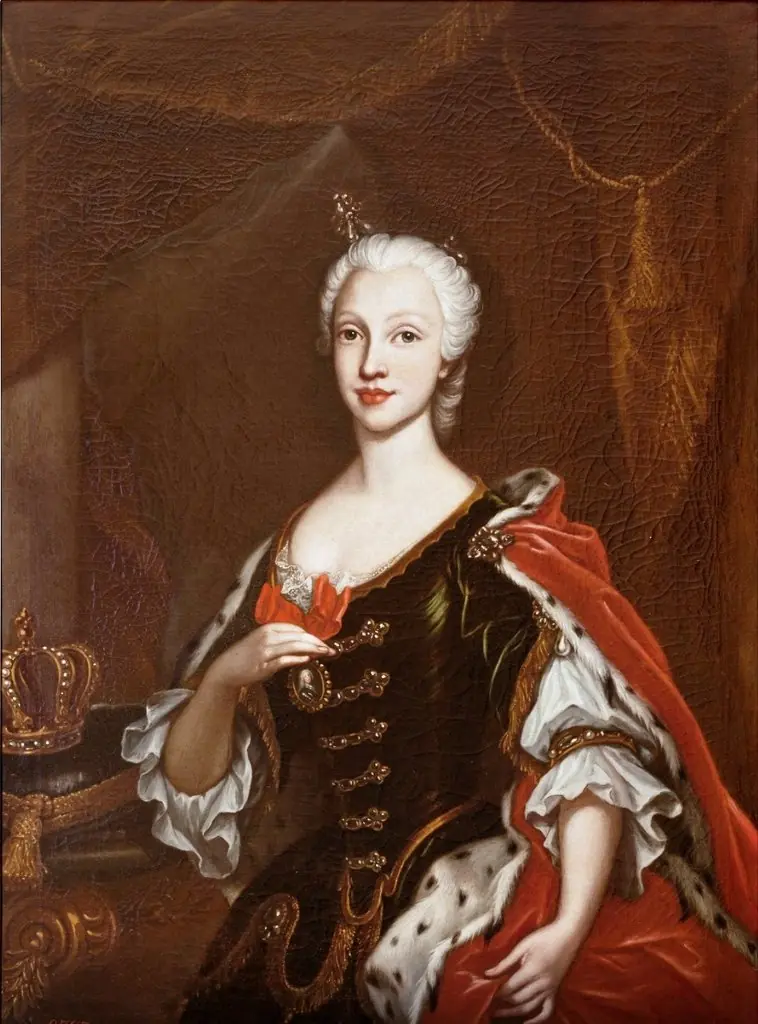
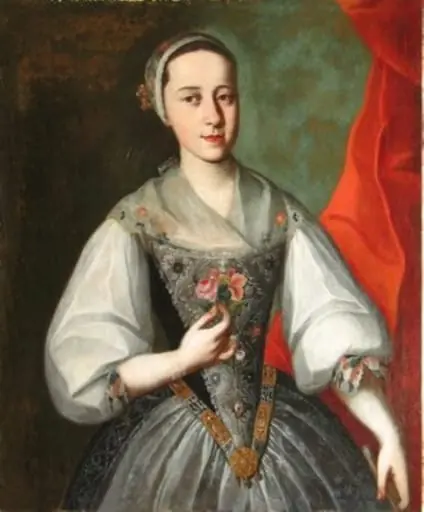
Porträt der Maria Amalia von Sachsen (1724-1760) is an oil painting by Unknown. It dates from 1850 and is held in the collection of the Palace of Caserta. This oil painting depicts Maria Amalia of Saxony, consort of Charles III of Spain, rendered with formal dignity and subtle symbolism.
About this work
Overview
This oil painting depicts Maria Amalia of Saxony, consort of Charles III of Spain, rendered with formal dignity and subtle symbolism.
This oil painting depicts Maria Amalia of Saxony, consort of Charles III of Spain, rendered with formal dignity and subtle symbolism. Her dark attire contrasts with white lace and a crimson shawl, while a crown appears faintly in the shadowed background. The inclusion of a rolled document and a single flower suggests both political role and personal refinement. The composition employs chiaroscuro to model form and direct focus toward the sitter’s poised expression.
Subject & Meaning
Maria Amalia is portrayed not merely as a noblewoman but as a figure of dynastic presence. The crown in the background alludes to her status as queen consort, while the rolled paper may reference state documents or royal correspondence. The flower, likely a symbol of virtue or transience, balances the formality of her position with a touch of intimacy. Her gaze is direct yet reserved, conveying authority without ostentation.
Technique & Style
The artist uses controlled chiaroscuro to define the volume of the figure against a deep, neutral background. Light falls selectively on the lace ruffles, the red shawl, and the brooch, enhancing texture and material richness. Brushwork is precise in facial features and fabric folds, while the background remains softly blurred, isolating the subject. The restrained palette underscores the painting’s solemnity and aristocratic tone.
History & Provenance
Painted during Maria Amalia’s time as Queen of Naples and Sicily, the portrait likely originated in the Neapolitan court before entering royal collections. It reflects the artistic conventions of mid-18th-century European courts, where portraiture served both personal and political functions. The painting’s survival suggests it was valued within the Spanish or Saxon royal circles, possibly as a diplomatic gift or dynastic record.
Context
Created in the decades following the War of Austrian Succession, the portrait aligns with a broader trend of royal imagery emphasizing legitimacy and continuity. Maria Amalia’s attire and accessories reflect the fusion of German, Italian, and Spanish court styles. The presence of the crown, though partially obscured, signals her connection to broader Habsburg and Bourbon networks, reinforcing alliances through visual representation.
Legacy
The portrait remains a documented example of courtly portraiture from the Bourbon period in southern Italy. While not widely exhibited today, it contributes to the visual record of 18th-century queenship and the role of art in constructing political identity. Its stylistic ties to the Neapolitan and Dresden schools offer insight into the transnational nature of aristocratic aesthetics during the Enlightenment.
Artist & collection

 Domestic Scene
 Giacomo and Cardinal Marco, investing Andrea, Abbot of San Zeno, with his Benefice
 The Nymph of Fontainebleau
 Portrait of a Woman
 Madonna and Child with Saints in the Enclosed Garden
 Venus and Minerva
 Family Group of Four on Sofa
 Wall painting from Room H of the Villa of P. Fannius Synistor at Boscoreale
 Untitled
 Portrait of Elisabeth Christine von Braunschweig-Wolfenbüttel
 Împărăteasa Elisabetha Christina ; în registrul inventar: Prințesă necunoscută
 Maria Theresia, arhiducesă de Austria ; în registrul inventar: Prințesă în haină albastră
 Ana Maria de Orleans, soția regelui Victor Amedeu al II-lea de Savoia (în registrulinventar: „Soția regelui Emanuel al Sardiniei”); pandant: Victor Amedeu al II-lea, regele Savoiei
 Portrait of Mariana Victoria of Spain
 Maria Amalia of Saxony (1724-1760), Queen of Naples
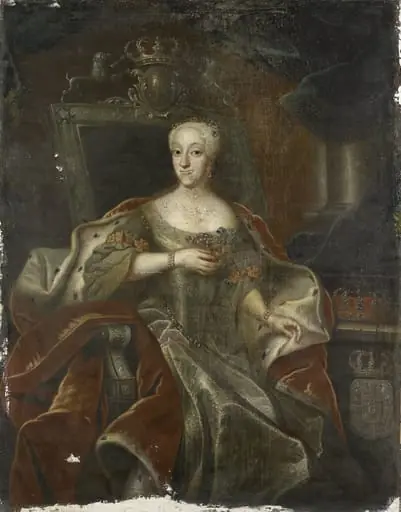 Portrait of Princess Charlotte Amalie, Daughter of Frederick IV, King of Denmark
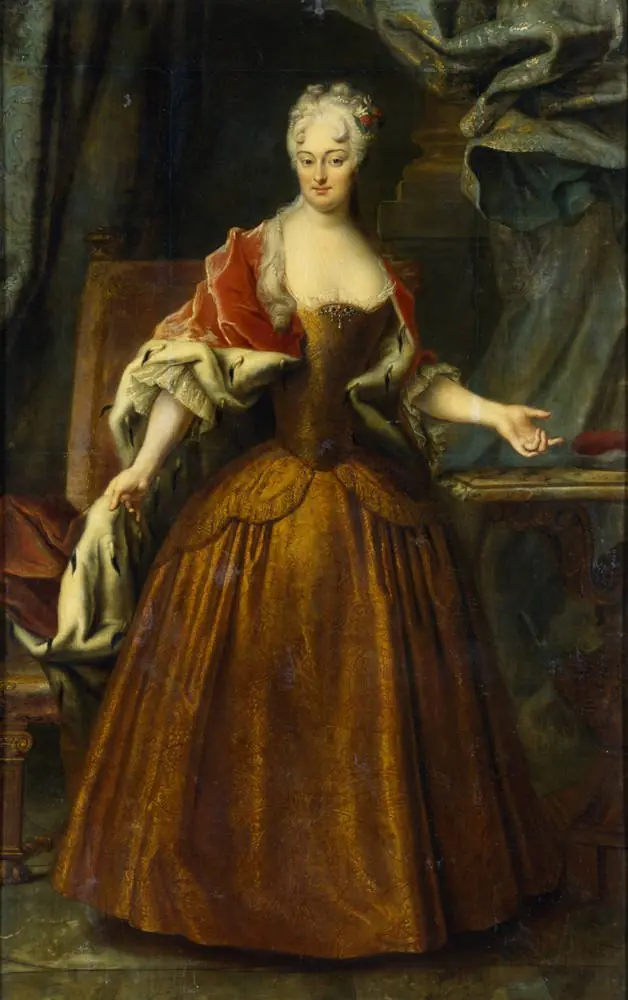 Sophie, Markgräfin von Brandenburg-Bayreuth, geb. Herzogin Sachsen-Weißenfels (1684-1752)
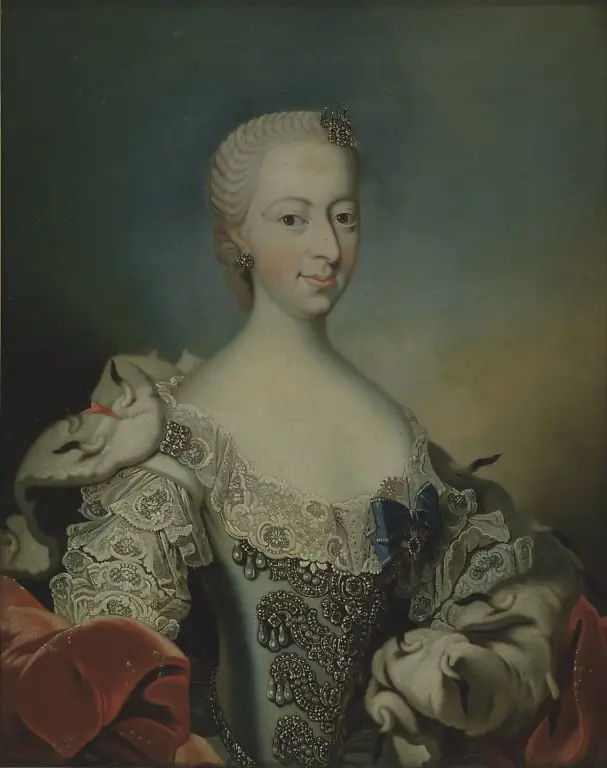 Juliane Marie, Frederik V's anden dronning
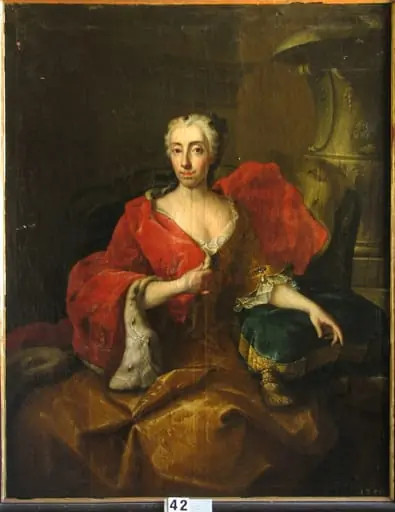 Marie Henriette von Waldstein-Wartenburg, soția principelui Johann Georg Christian von Lobkowitz. Pandant: Principele Johann Georg Christian von Lobkowitz, general comandant în Transilvania
 Anna Maria von Huttern