Artwork
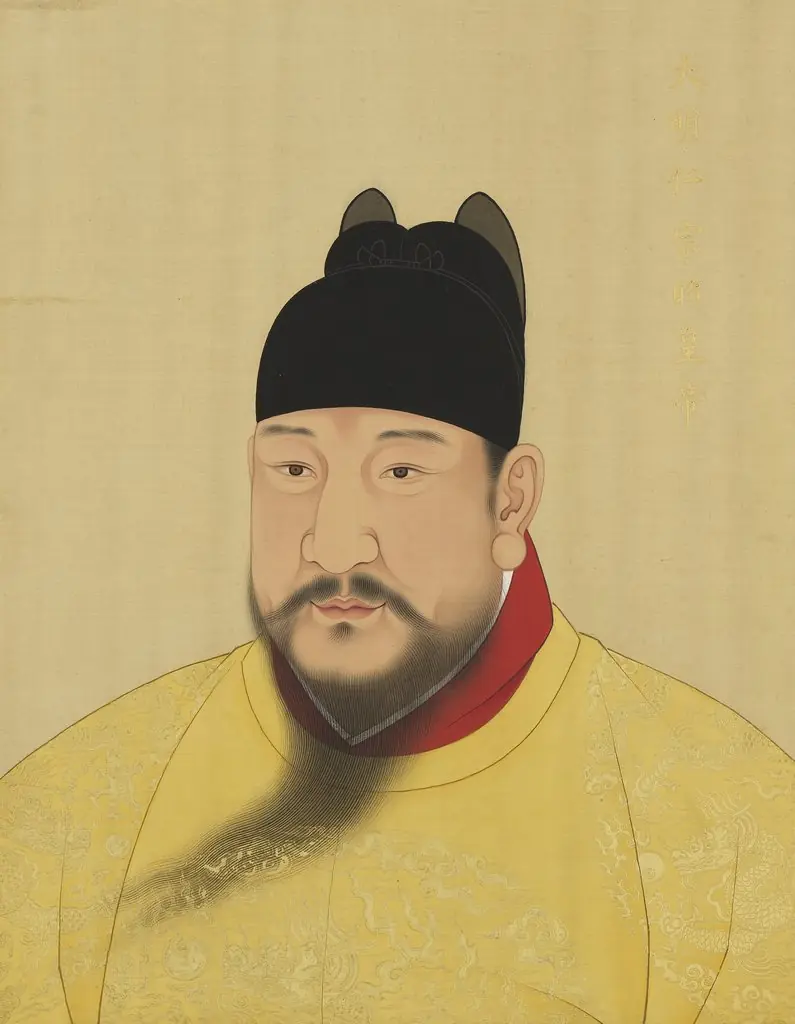
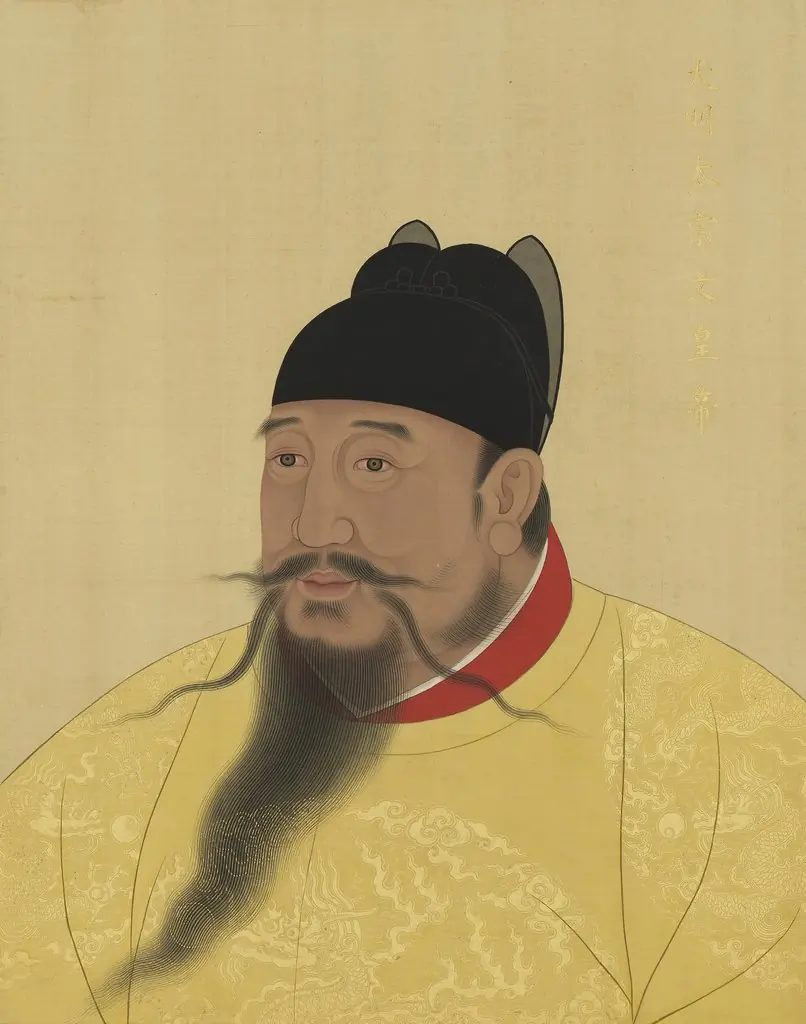
明代帝后半身像册(二)-光宗贞皇帝
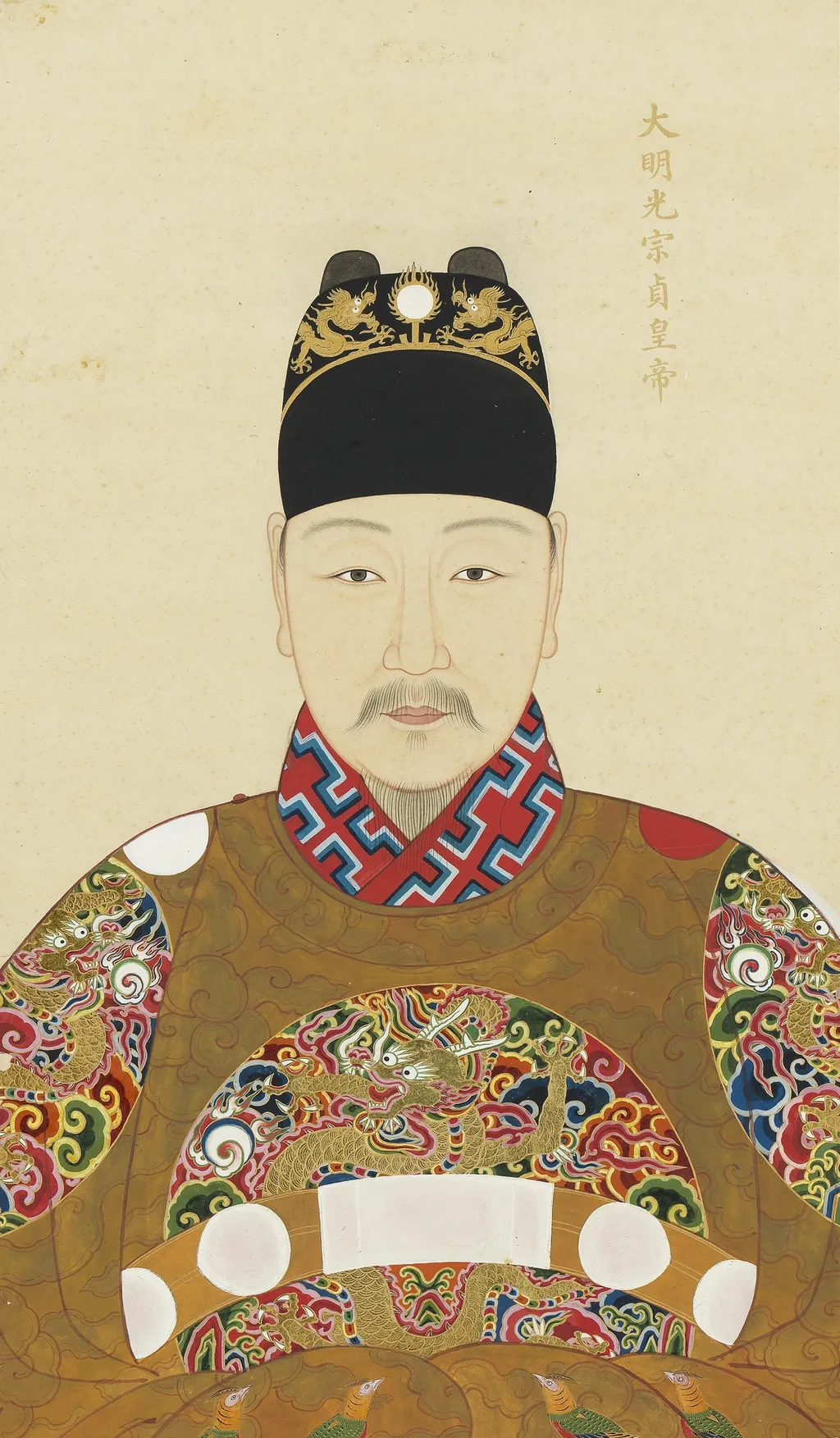
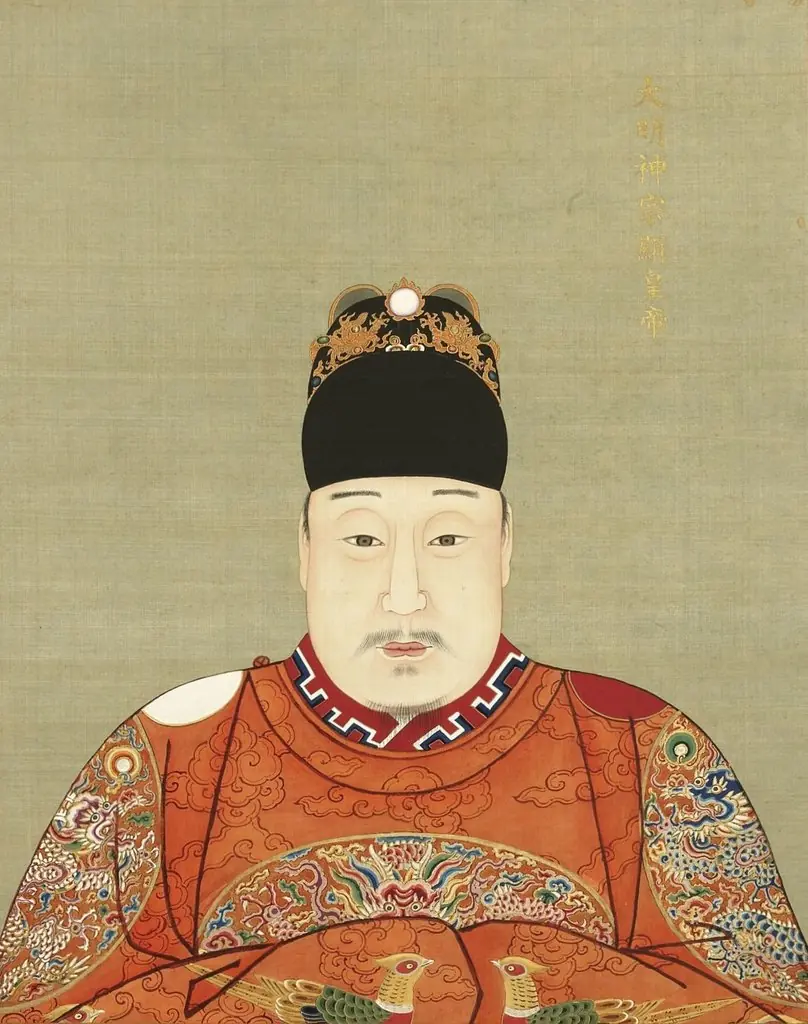
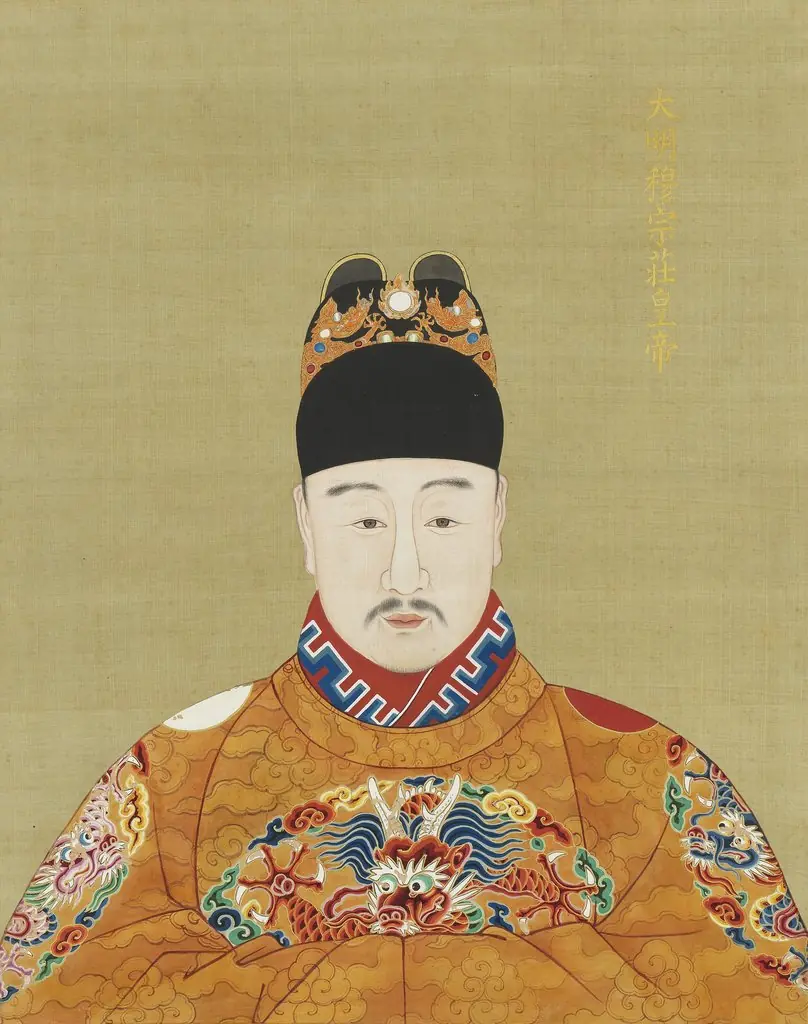
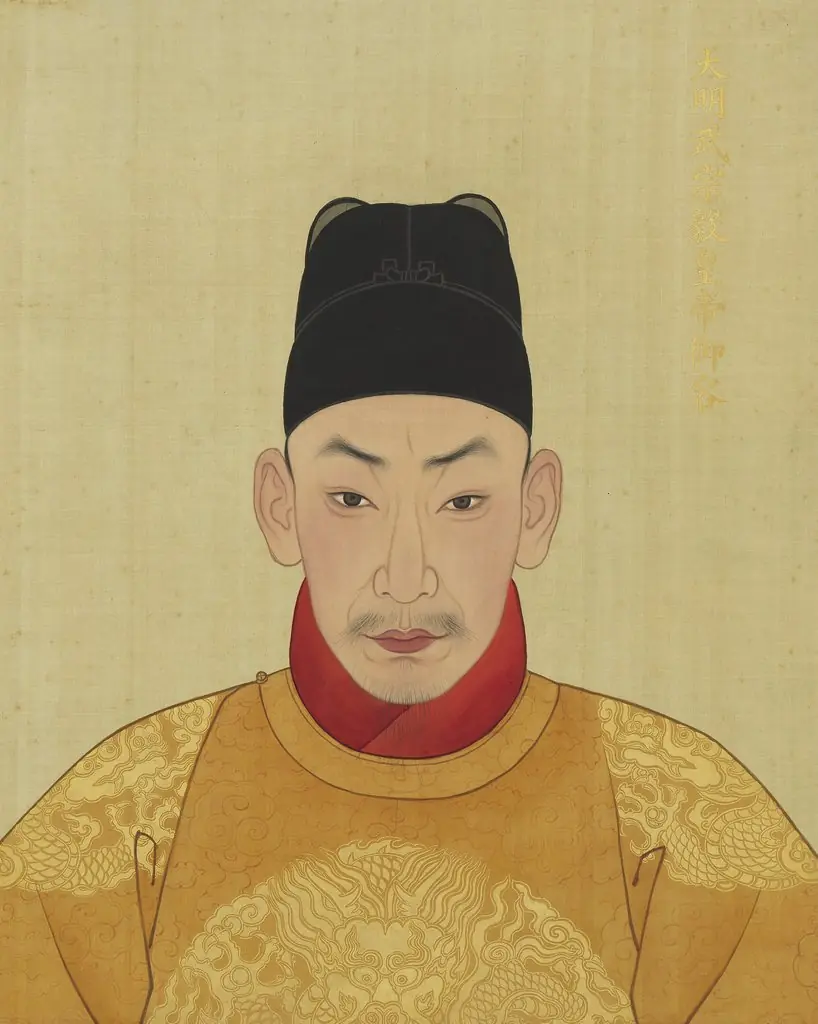
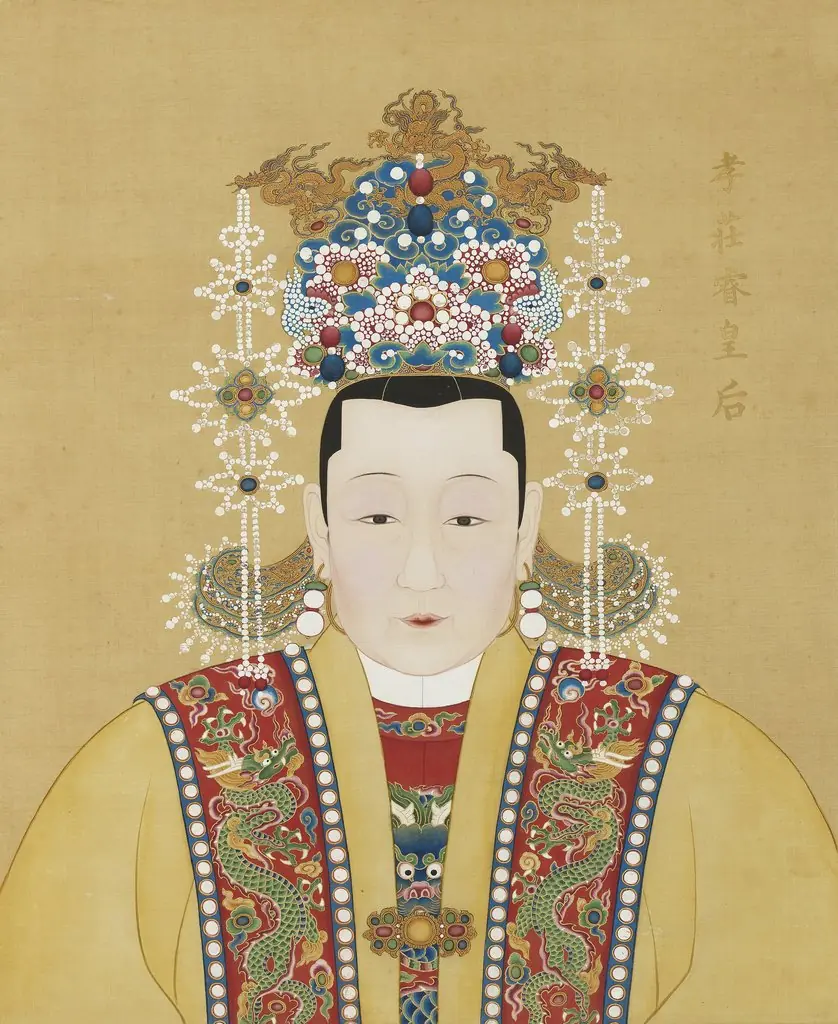
明代帝后半身像册(二)-光宗贞皇帝 is an unspecified painting by the Mannerist artist Unknown. It dates from 1592 and is held in the collection of the National Palace Museum. The work is a portrait from the Ming dynasty, portraying an imperial figure identified as Emperor Guangzong Zhen.
About this work
Overview
The work is a portrait from the Ming dynasty, portraying an imperial figure identified as Emperor Guangzong Zhen. Rendered on paper, the image shows a seated male subject with a moustache, wearing a black hat embellished with gold dragons and a brown robe richly patterned with additional dragon motifs, set against a light‑yellow background.
Subject & Meaning
The portrait presents the emperor in formal regalia, emphasizing his authority through the presence of dragon symbols, which were reserved for the sovereign. The moustache and solemn expression convey dignity, while the elaborate headgear signals his elevated status within the court hierarchy.
Technique & Style
The painting employs vivid pigments to delineate the intricate designs on the robe and hat, creating a sense of depth through contrasting colors. Fine brushwork outlines the dragon motifs, and the light‑yellow ground provides a neutral field that highlights the richly colored attire.
History & Provenance
Part of a series titled "Ming Dynasty Imperial Half‑Body Portraits (II)," the piece belongs to a collection of court portraits documenting successive emperors. The series was compiled during the Ming period for archival and ceremonial purposes, preserving the visual record of the dynasty’s rulers.
Context
In Ming portraiture, imperial images served both political and ritual functions, reinforcing the emperor’s legitimacy. The use of dragon imagery and specific color schemes aligns with contemporary conventions that linked the sovereign to celestial authority.
Artist & collection

 Domestic Scene
 Giacomo and Cardinal Marco, investing Andrea, Abbot of San Zeno, with his Benefice
 The Nymph of Fontainebleau
 Portrait of a Woman
 Madonna and Child with Saints in the Enclosed Garden
 Venus and Minerva
 Family Group of Four on Sofa
 Wall painting from Room H of the Villa of P. Fannius Synistor at Boscoreale