Artwork
明代帝后半身像册(一)-孝恭章皇后
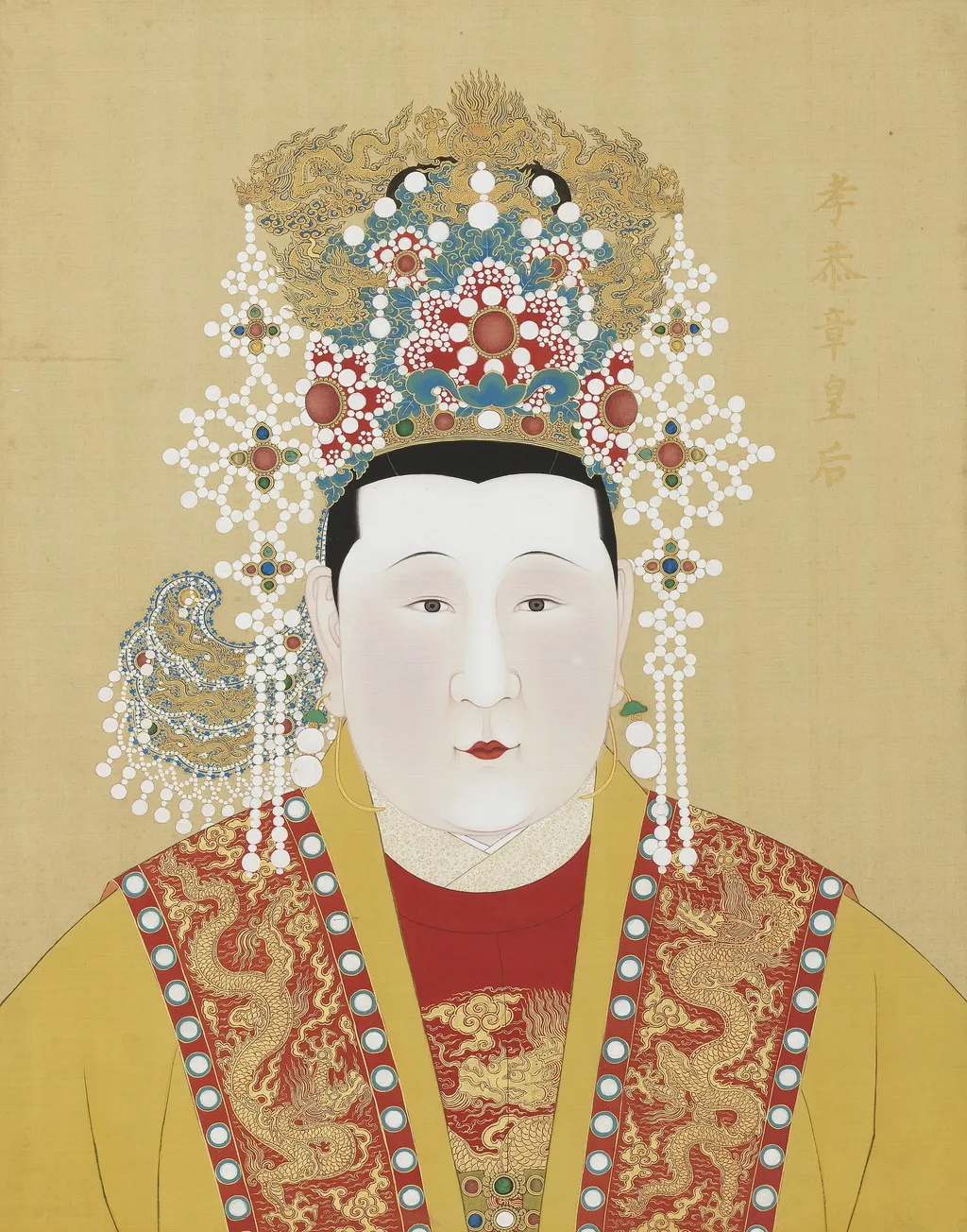
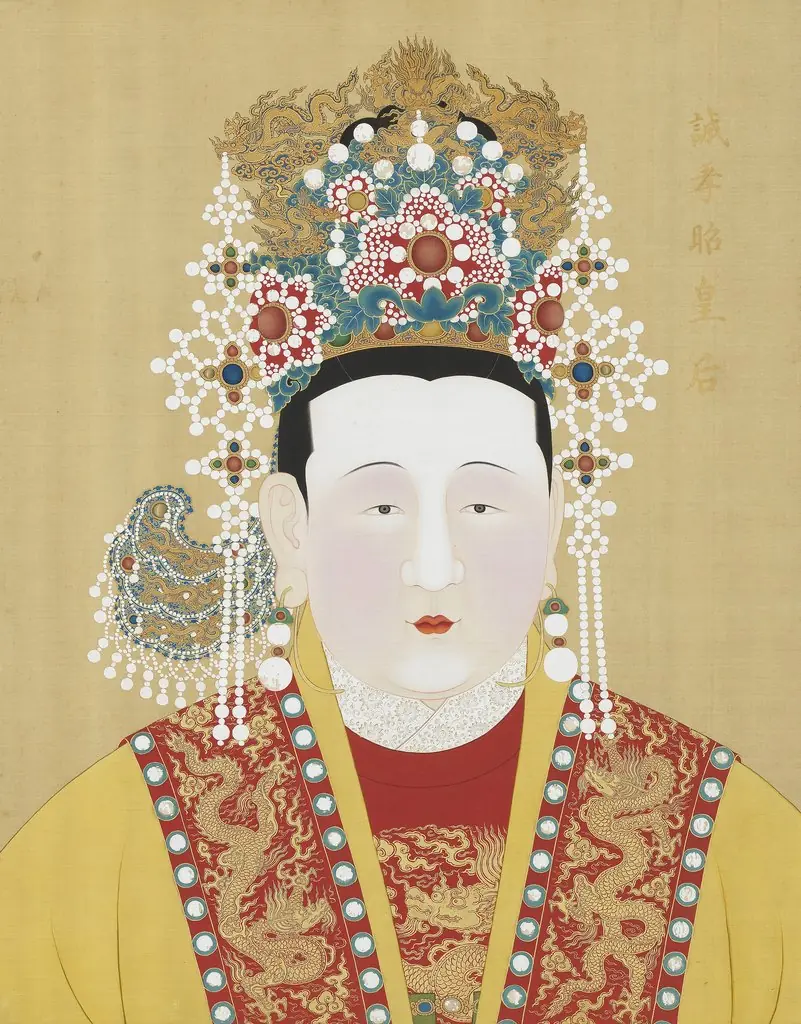
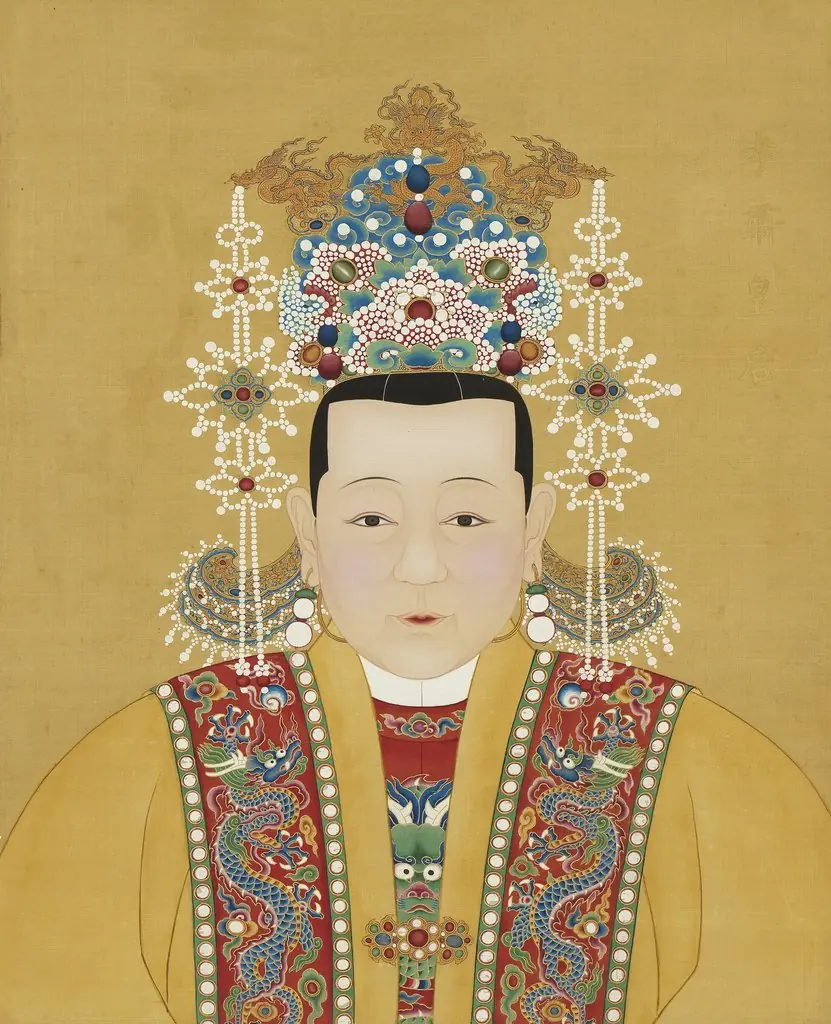
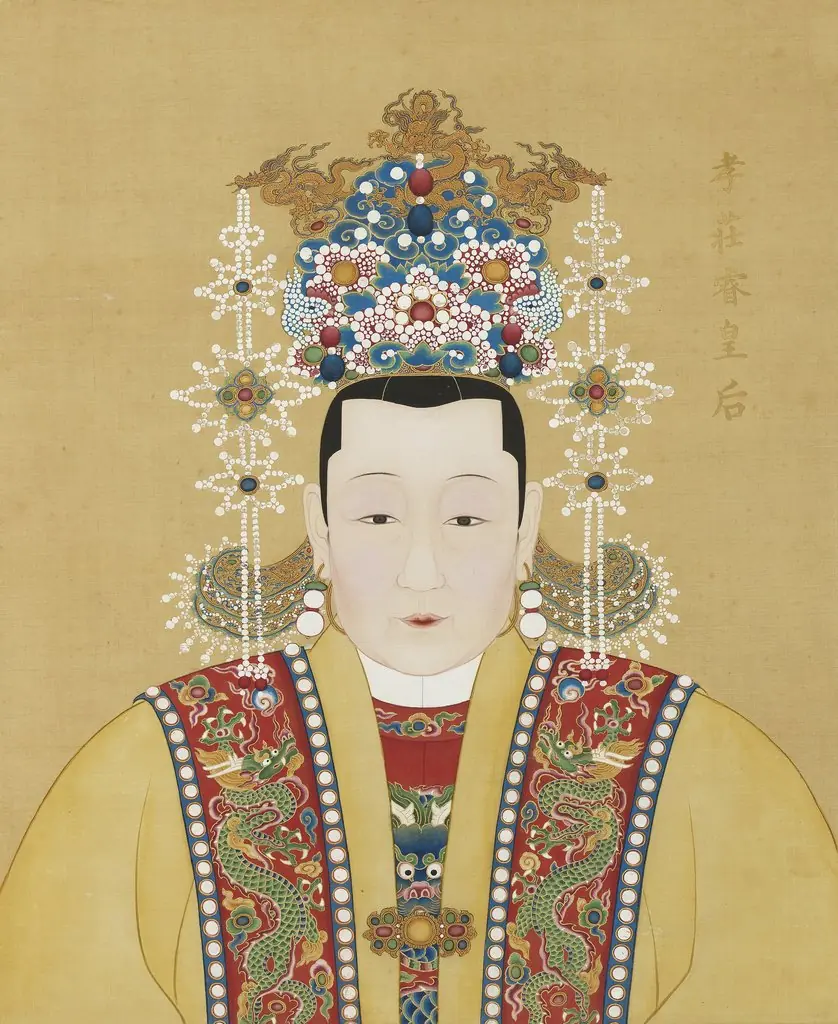
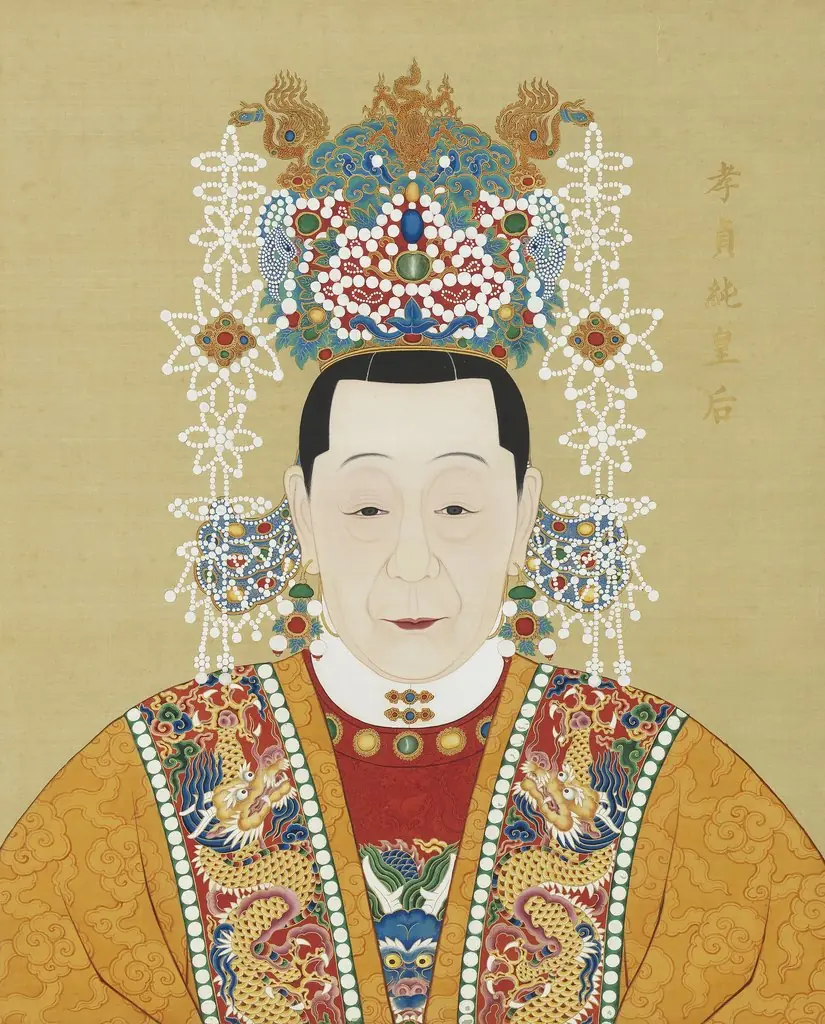
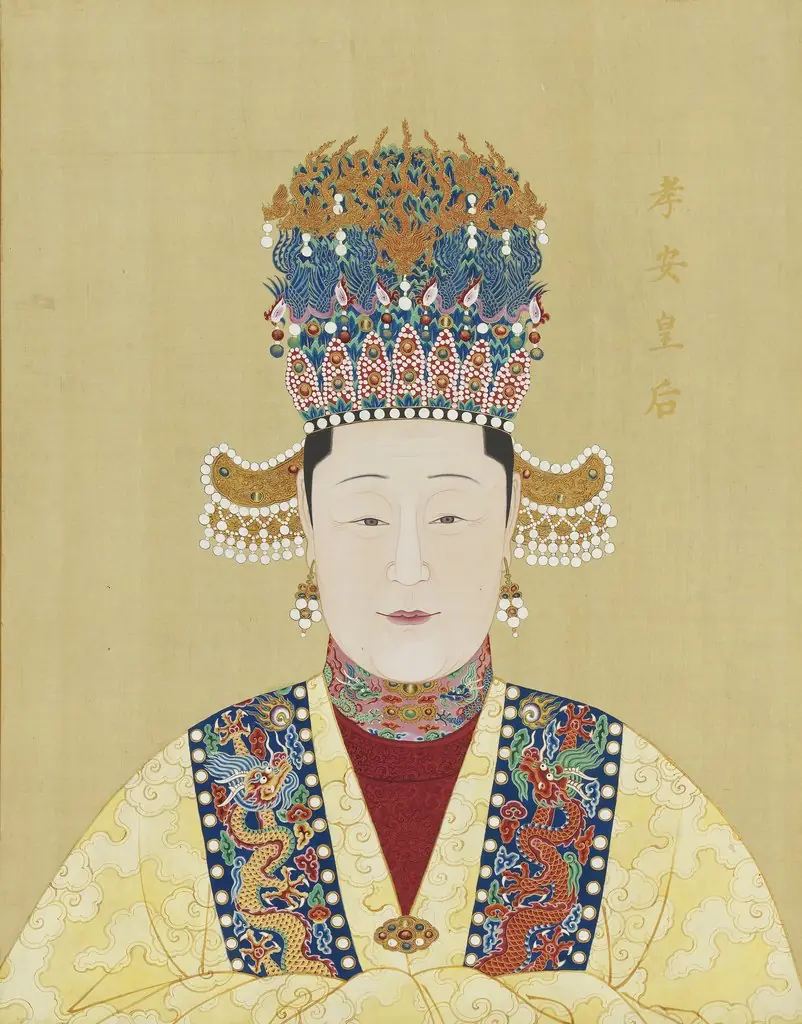
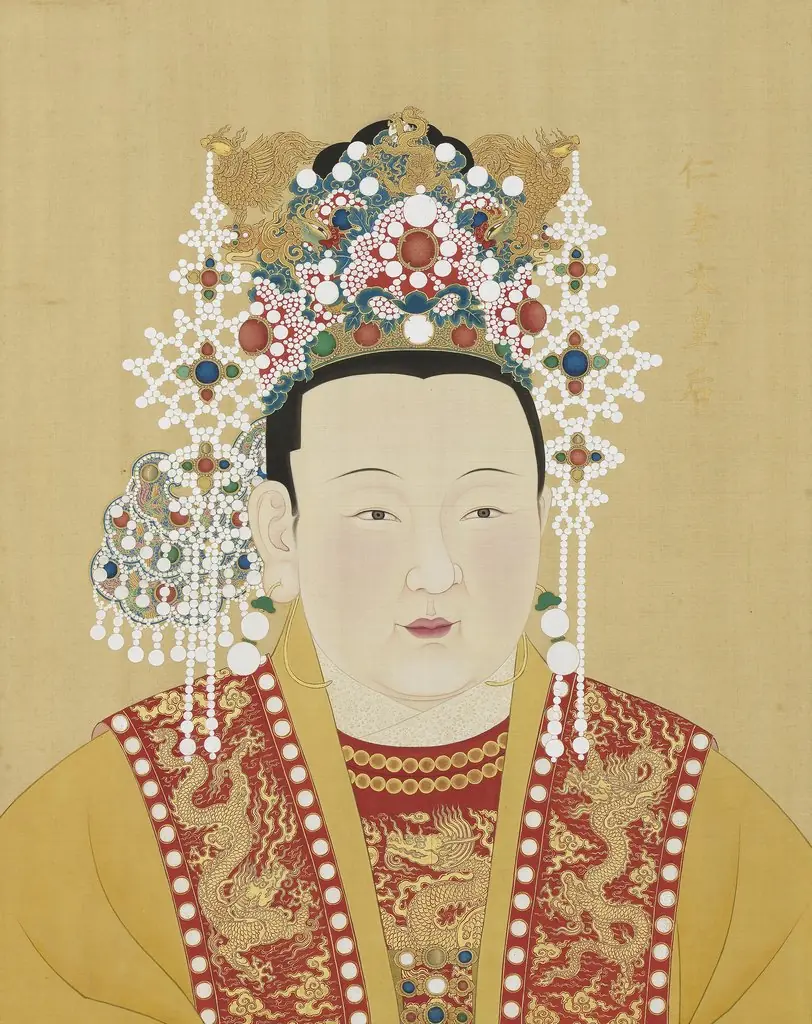
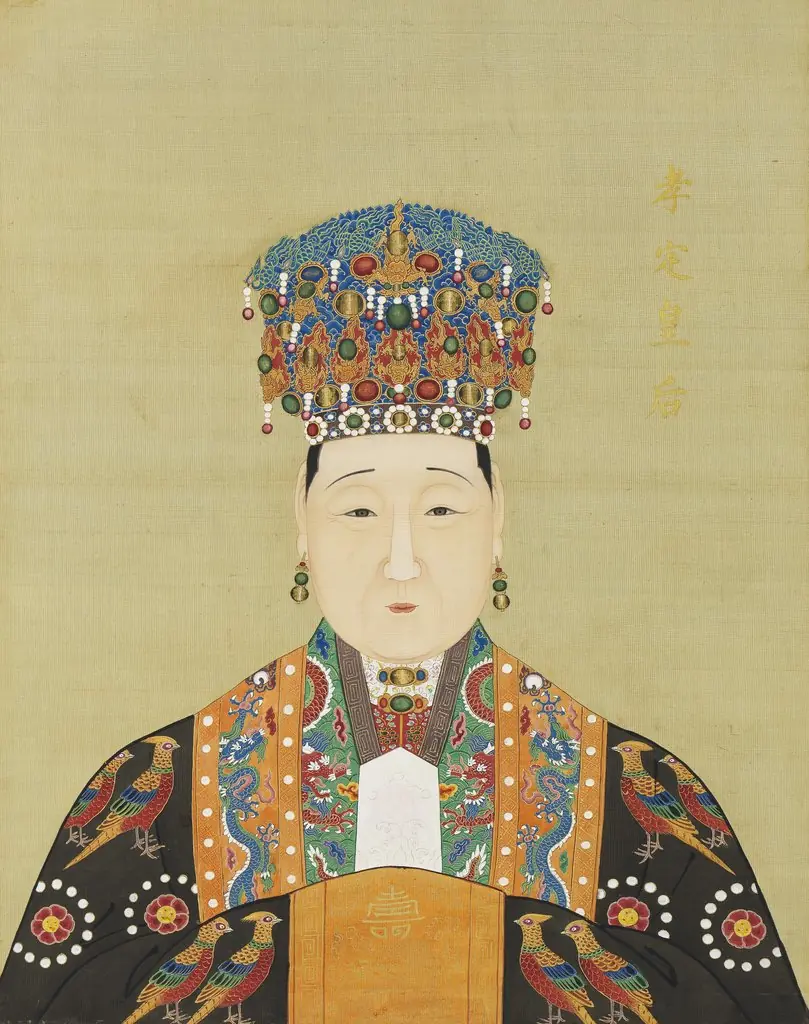
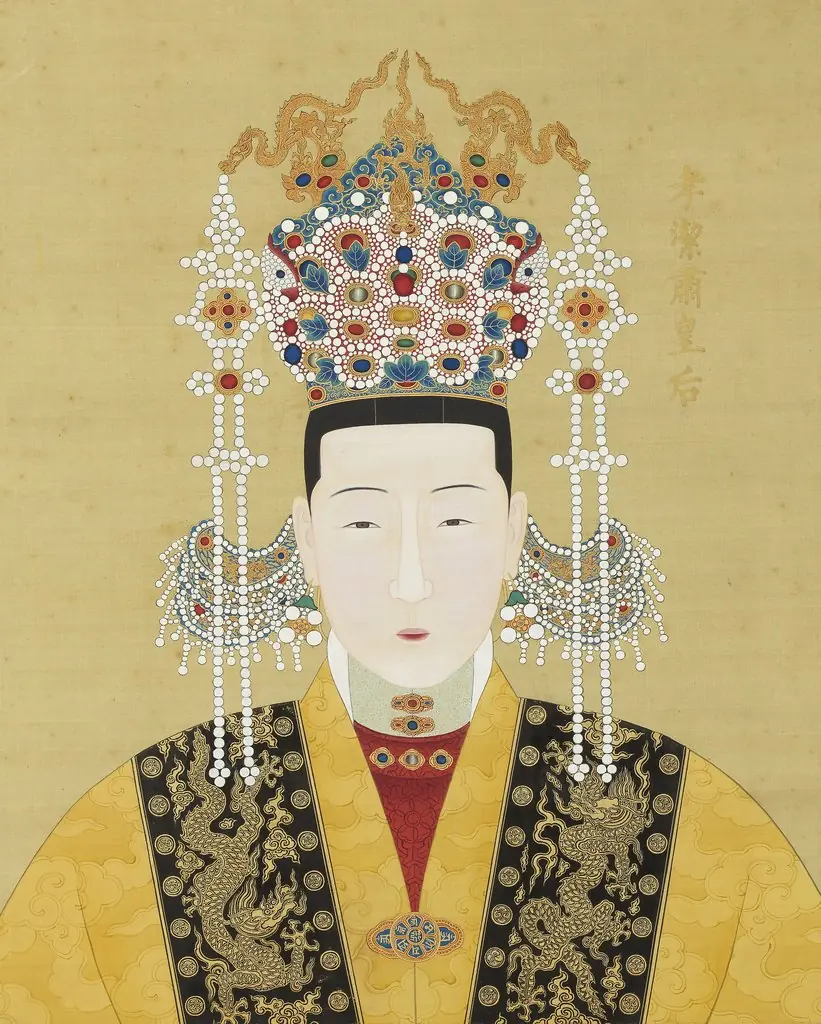
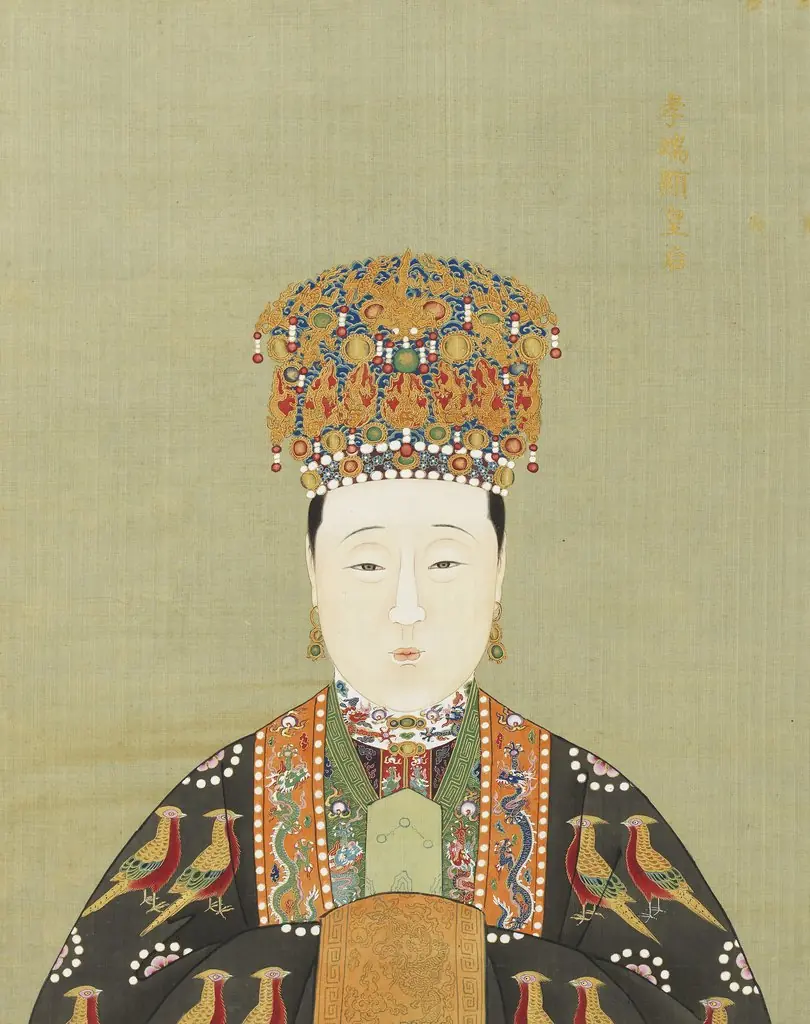
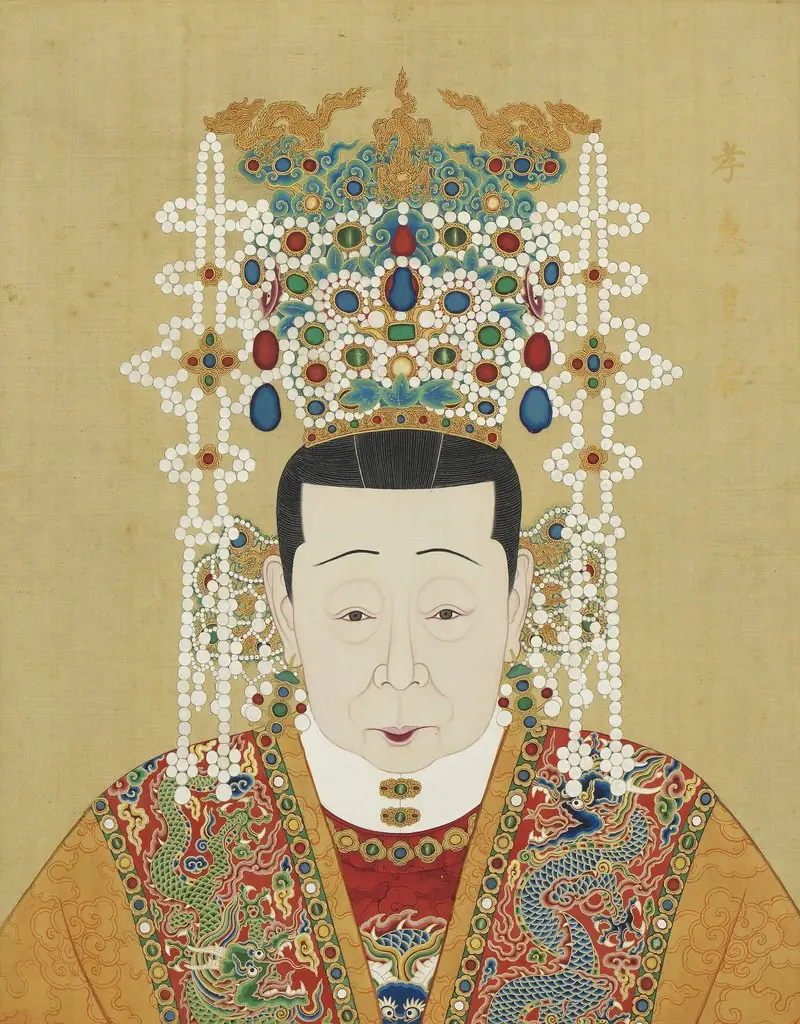
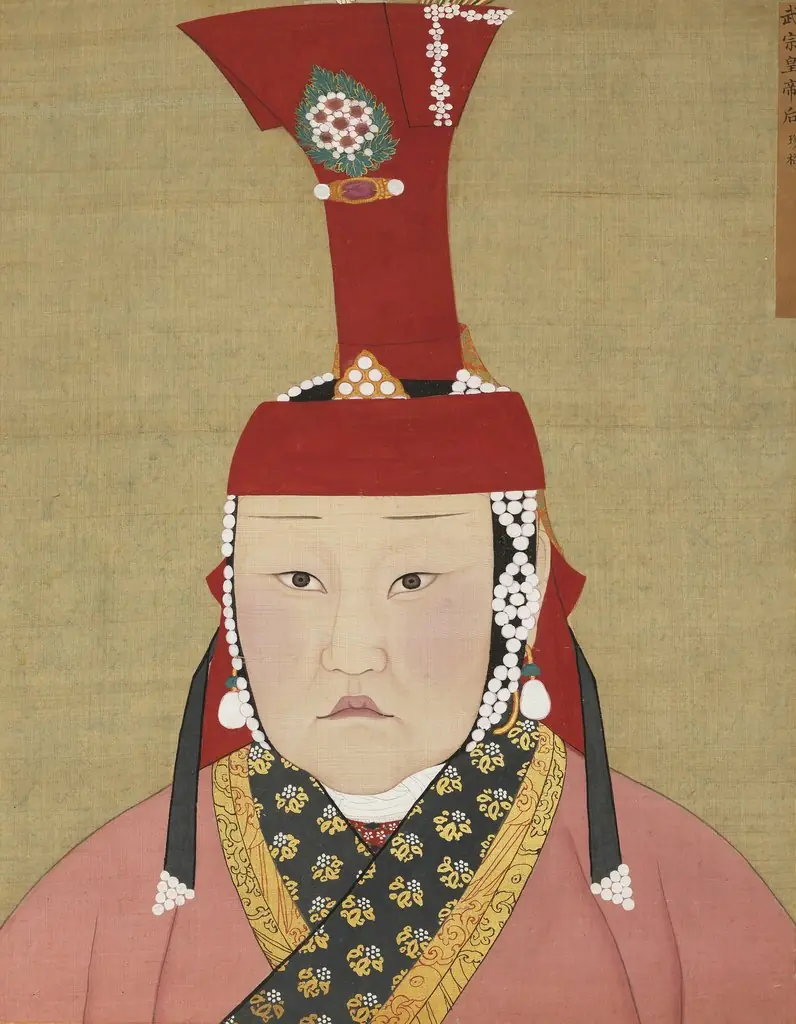
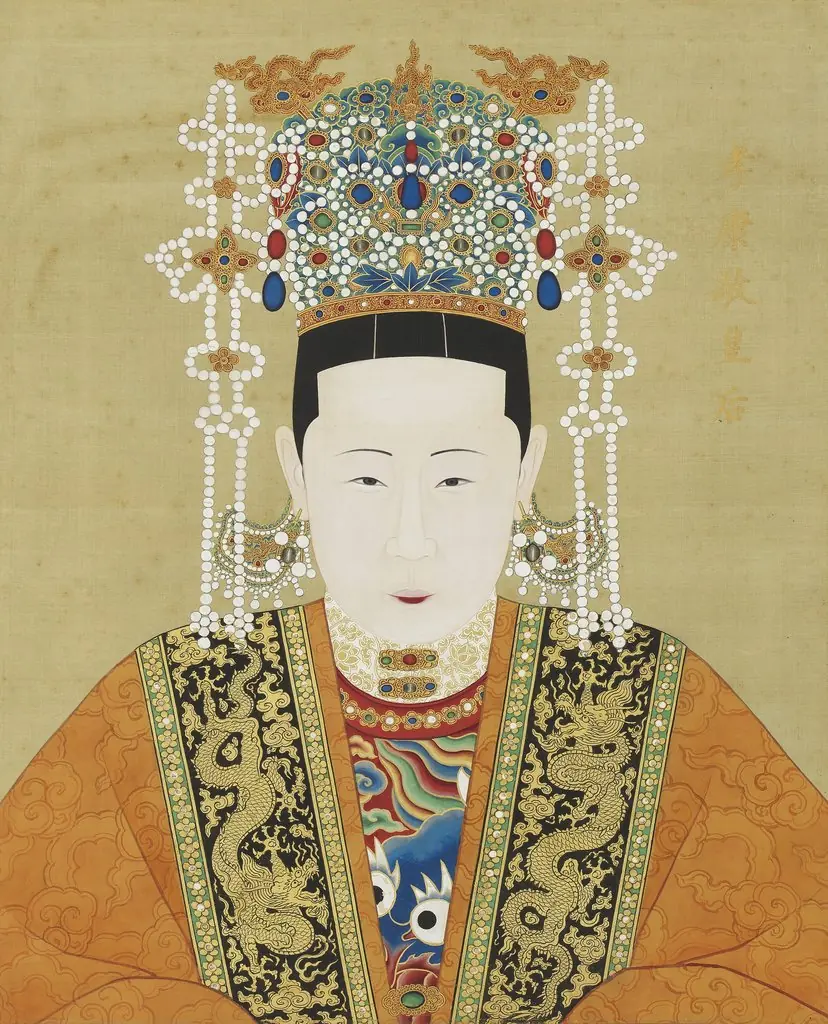
明代帝后半身像册(一)-孝恭章皇后 is an unspecified painting by Unknown. It dates from 1850 and is held in the collection of the National Palace Museum. This portrait is one of a series depicting Ming dynasty empresses, executed in ink and color on silk.
About this work
Overview
This portrait is one of a series depicting Ming dynasty empresses, executed in ink and color on silk. It presents a formal half-length view of Empress Xiaogong Zhang, emphasizing regal composure through static posture and restrained expression. The work adheres to courtly conventions of imperial portraiture, prioritizing symbolic authority over individual likeness.
Subject & Meaning
Her attire and headdress signify her rank and ceremonial role within the imperial hierarchy.
The subject is Empress Xiaogong Zhang, consort of the Xuande Emperor. Her attire and headdress signify her rank and ceremonial role within the imperial hierarchy. The white beads and colored ornaments on the headdress denote status, while the layered robes—red undergarment with yellow outer robe—follow strict sumptuary codes. Her direct gaze reinforces her dignified presence as a symbol of imperial legitimacy.
Technique & Style
Painted with fine brushwork on silk, the portrait employs muted pigments and precise outlines to convey texture and form. The face is rendered in pale tones, contrasting with the richly patterned robes and elaborate headdress. Background is uniformly light yellow, eliminating distraction and focusing attention on the figure’s ceremonial attire and facial stillness.
History & Provenance
The painting originates from the Ming imperial collection and was preserved through successive dynasties. It entered the National Palace Museum’s holdings following the relocation of artifacts from Beijing to Taipei in the late 1940s. Its survival reflects its continued value as a record of court ritual and female imperial representation.
Context
Portraits of empresses like this were displayed in ancestral halls during state rituals, serving as visual affirmations of dynastic continuity. They were not intended for private contemplation but for public veneration, reinforcing the Confucian ideal of orderly hierarchy. The standardized format across such portraits ensured consistency in imperial iconography.
Legacy
This portrait remains a key example of Ming court painting’s formal discipline. It contributes to scholarly understanding of how gender, rank, and ritual were visually encoded in imperial China. Its preservation allows ongoing study of textile patterns, headdress construction, and the role of portraiture in legitimizing authority.
Artist & collection

 Domestic Scene
 Giacomo and Cardinal Marco, investing Andrea, Abbot of San Zeno, with his Benefice
 The Nymph of Fontainebleau
 Portrait of a Woman
 Madonna and Child with Saints in the Enclosed Garden
 Venus and Minerva
 Family Group of Four on Sofa
 Wall painting from Room H of the Villa of P. Fannius Synistor at Boscoreale