Artwork
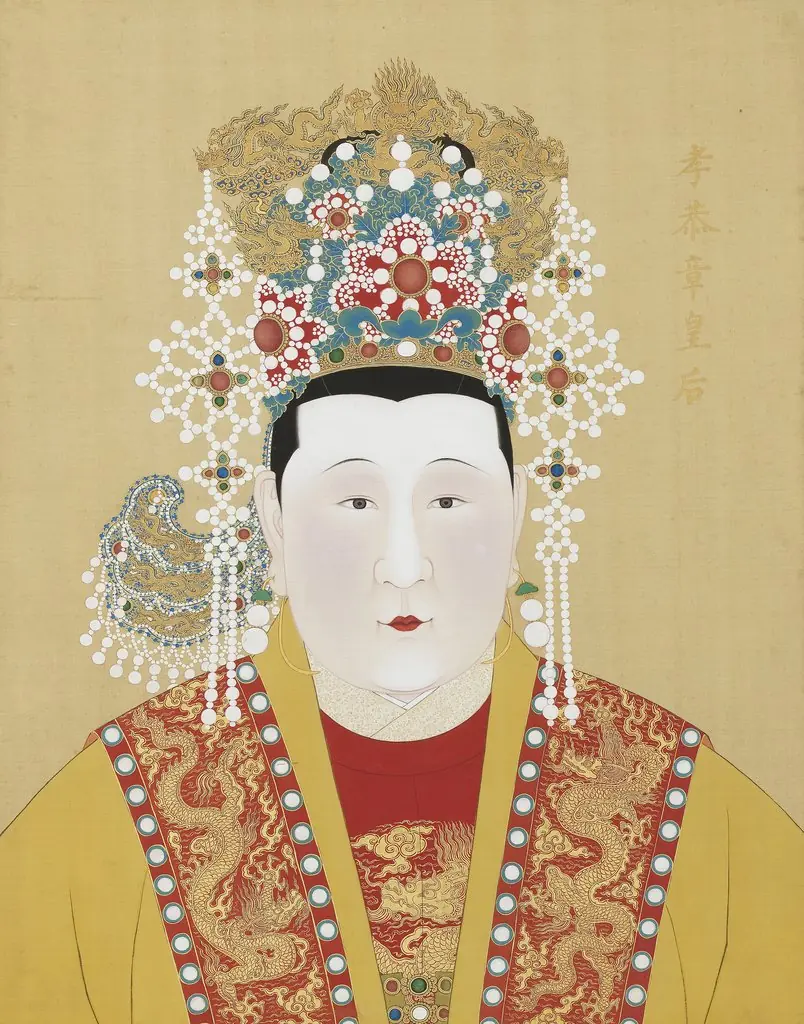
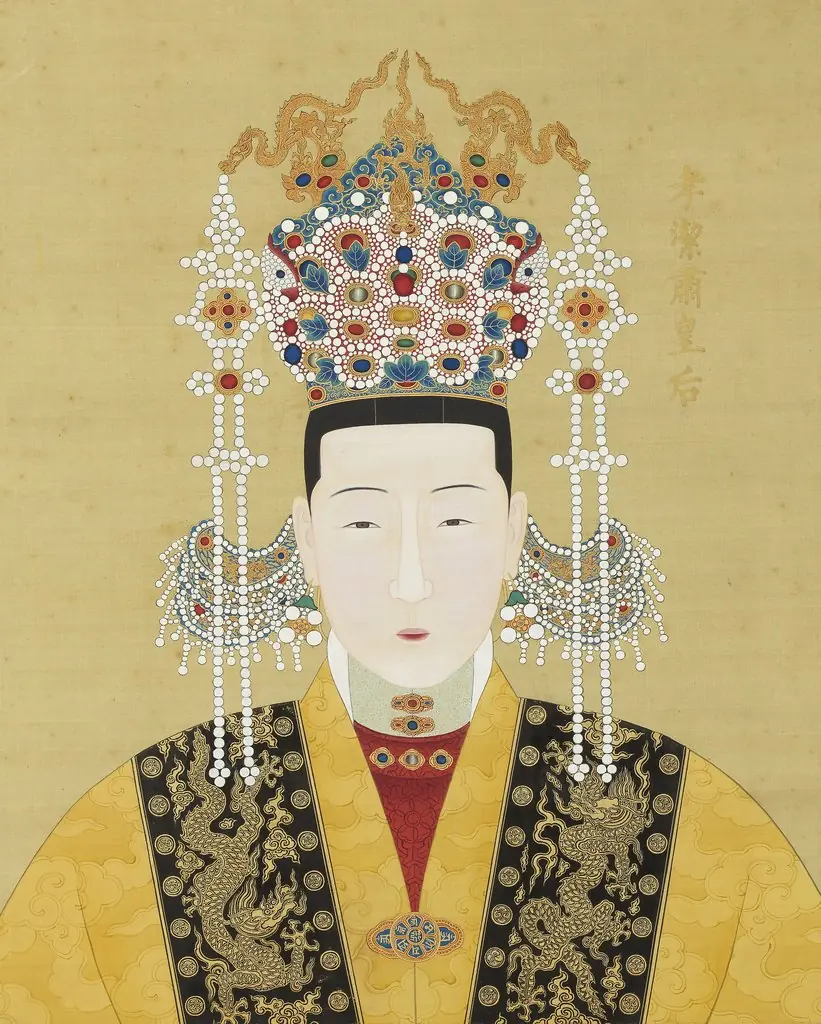
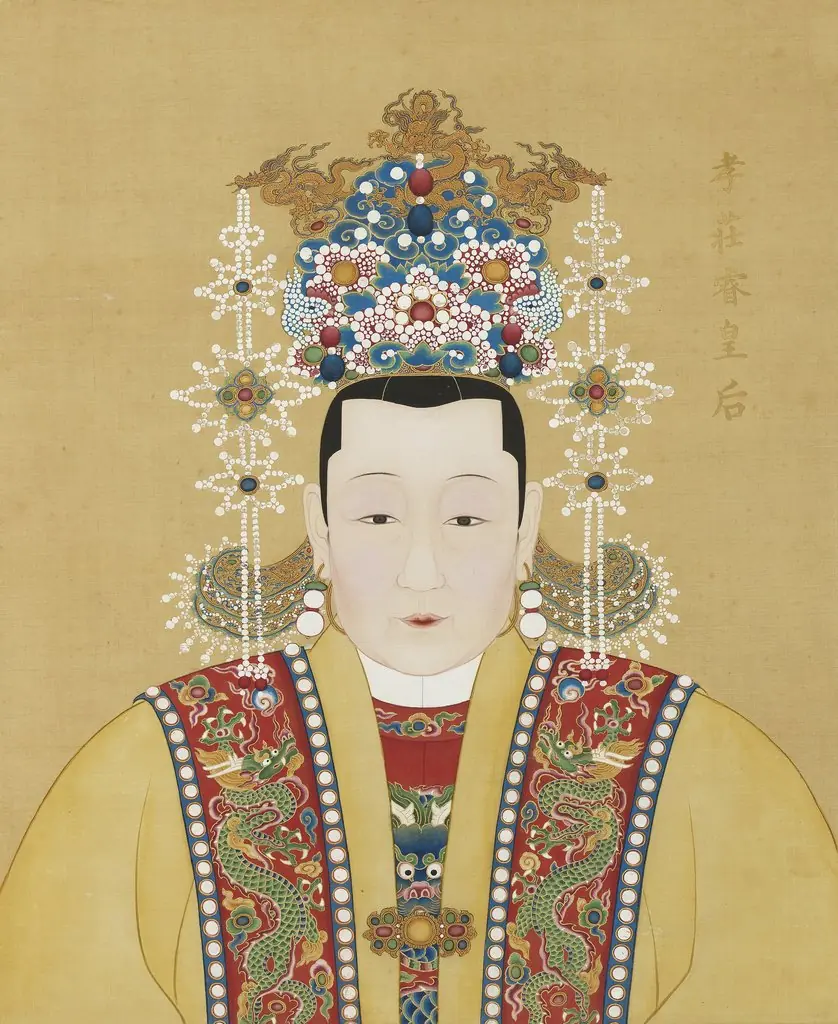
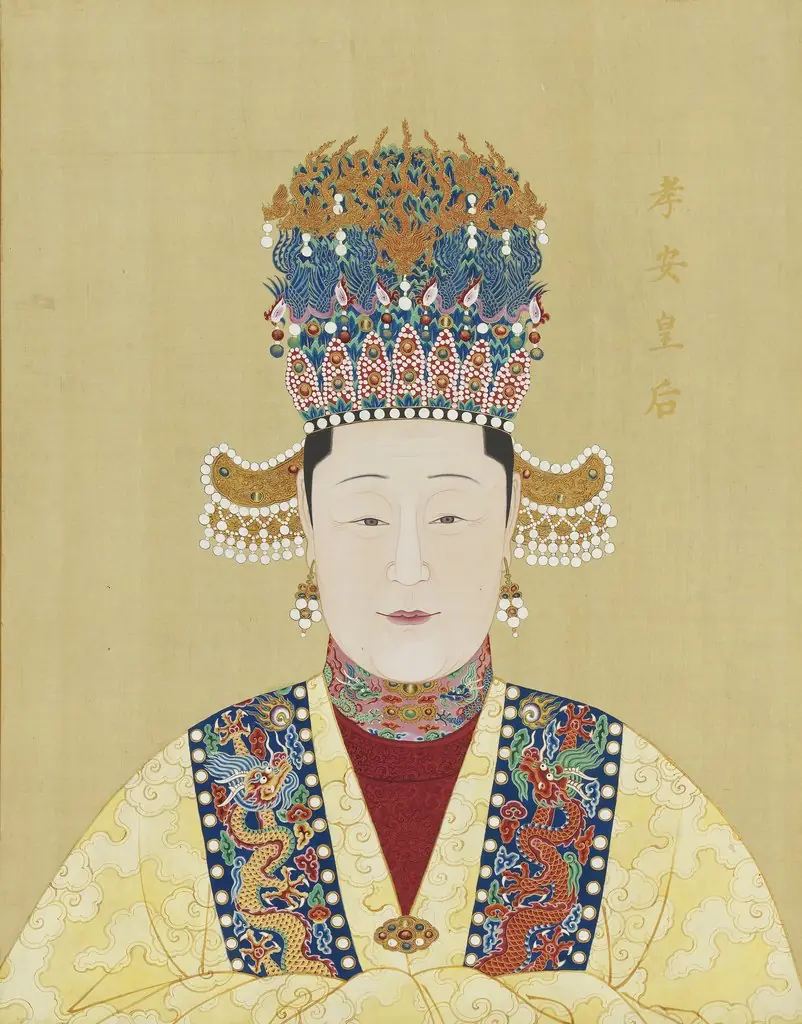
明代帝后半身像册(一)-孝康敬皇后
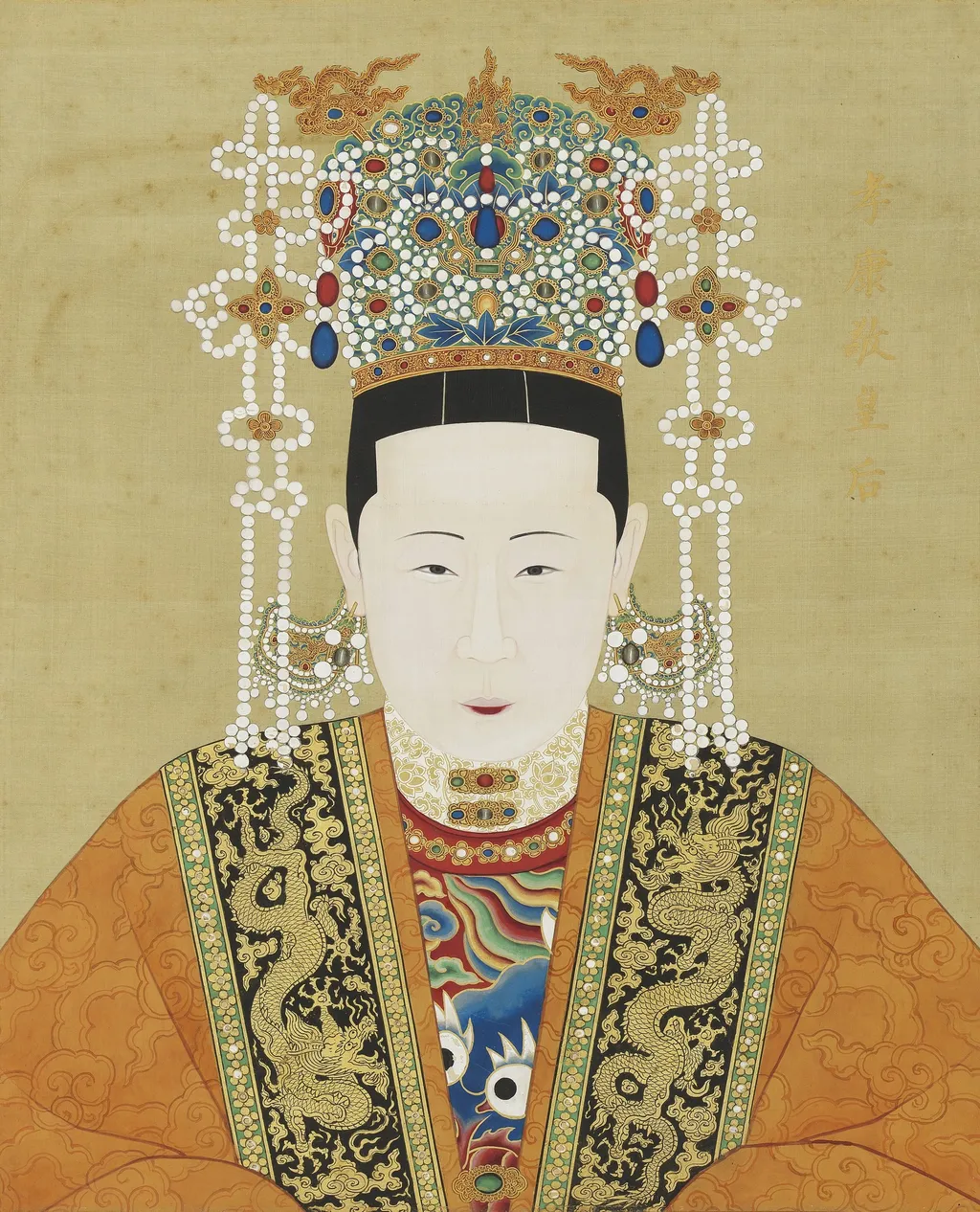
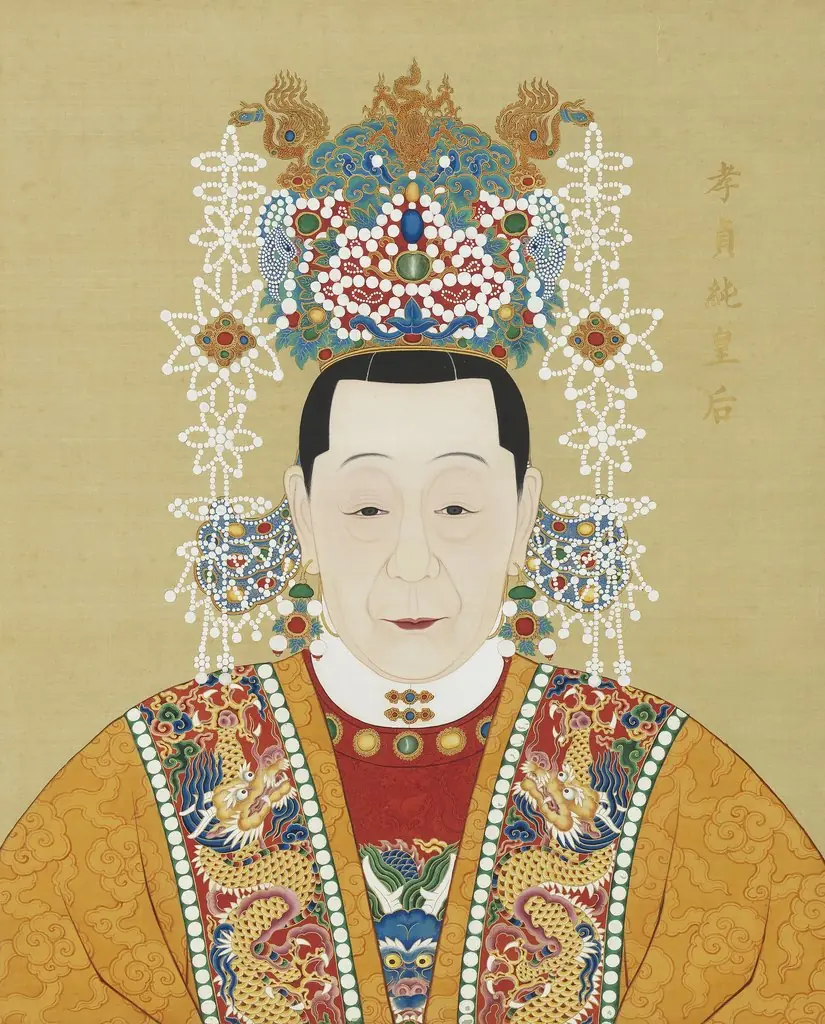
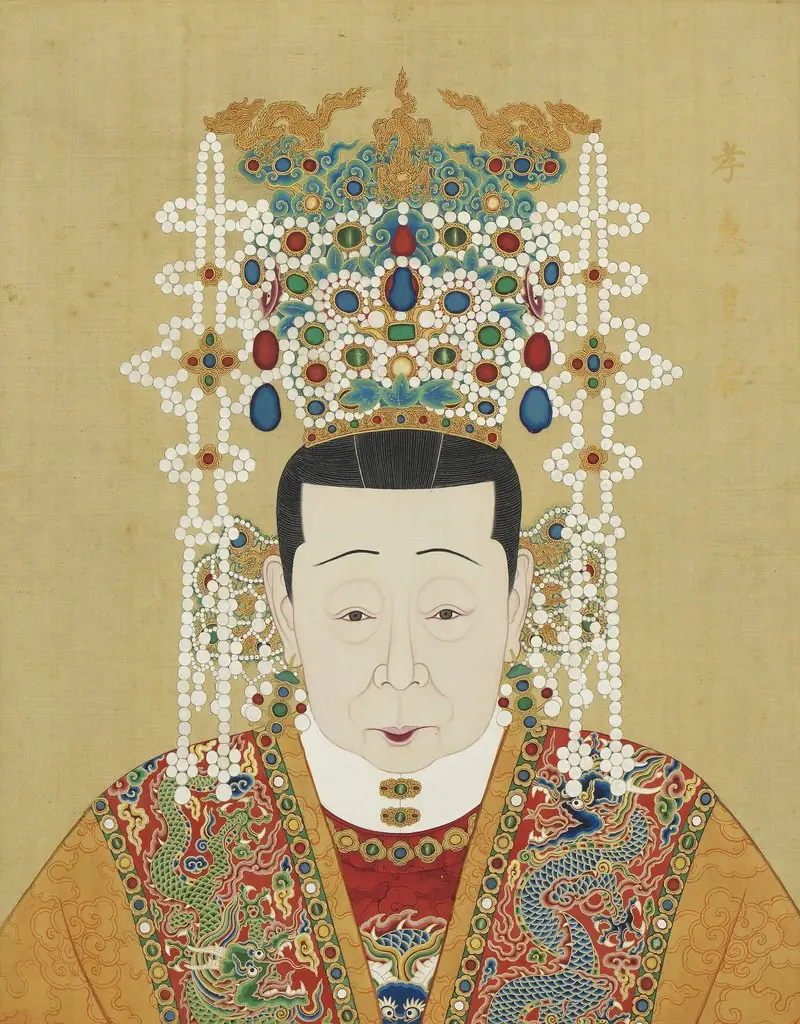
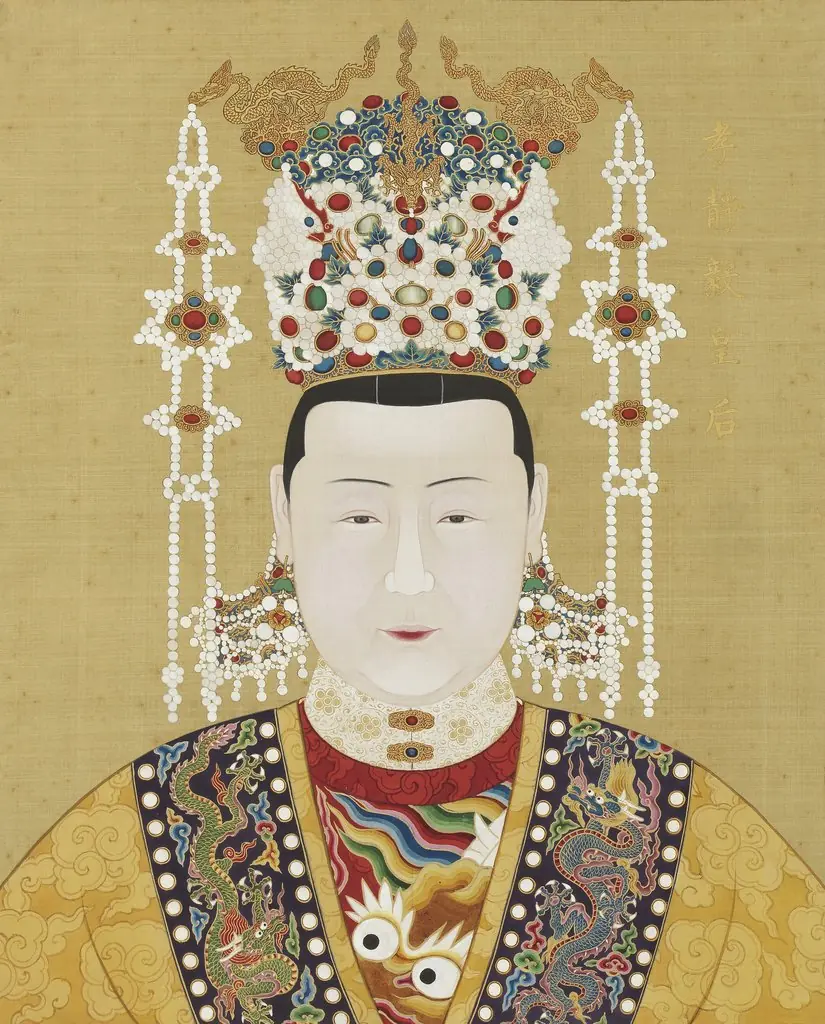
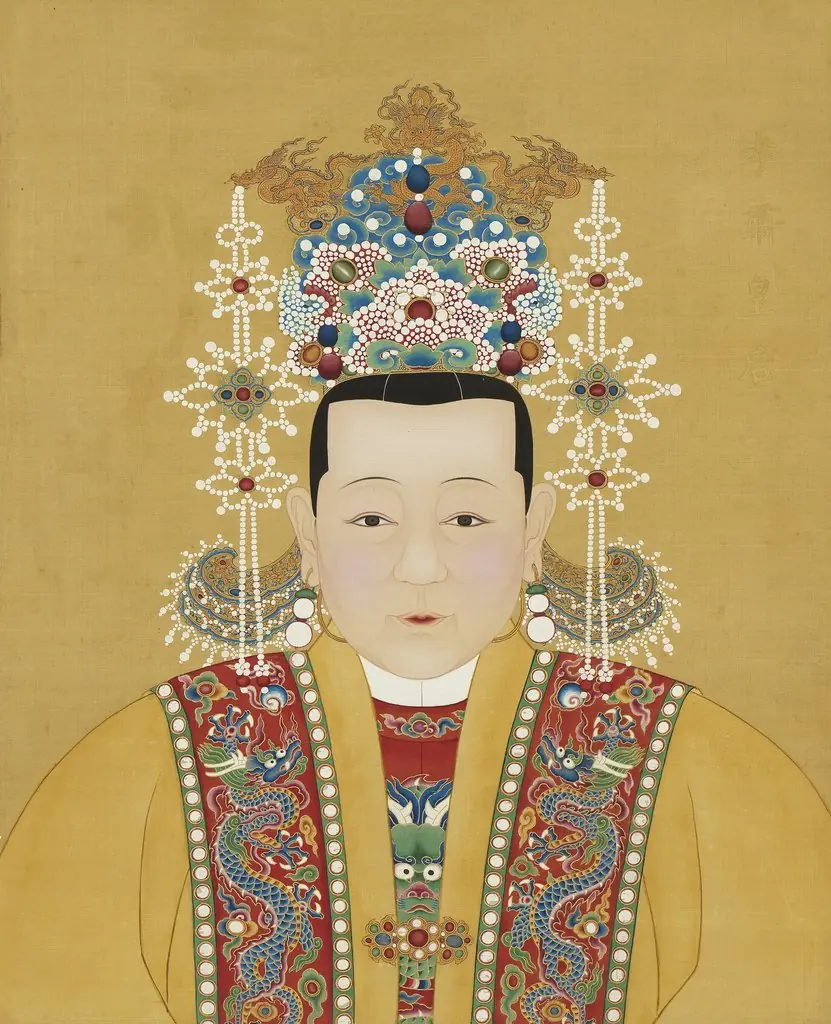
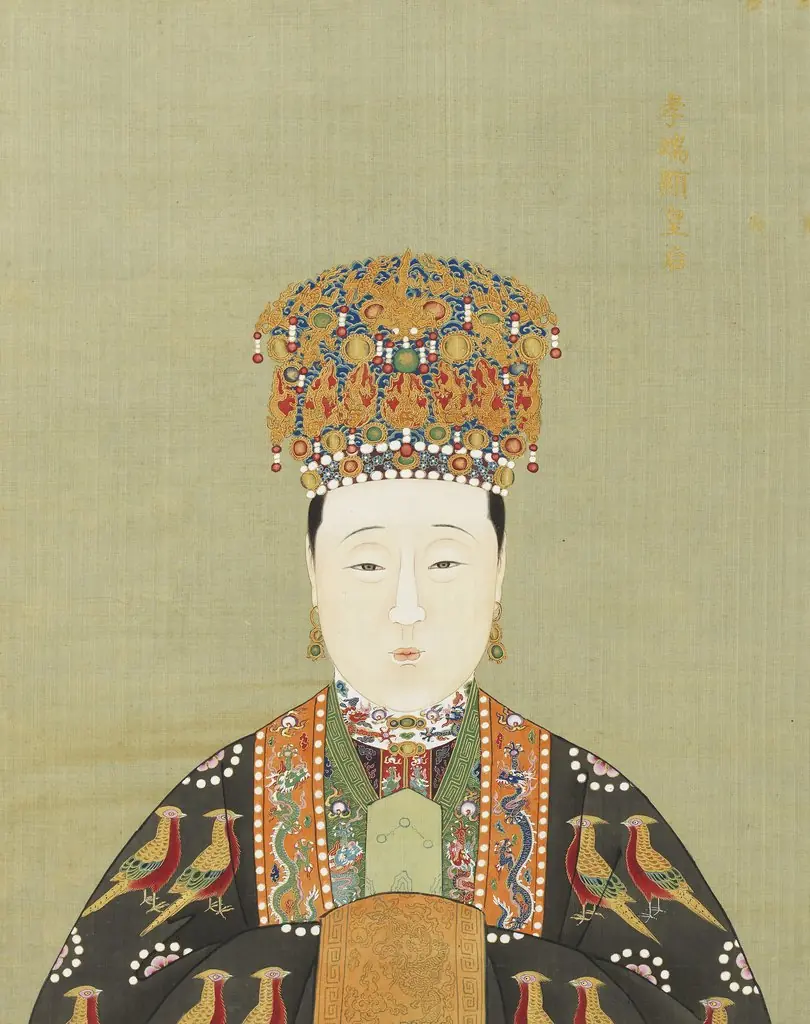
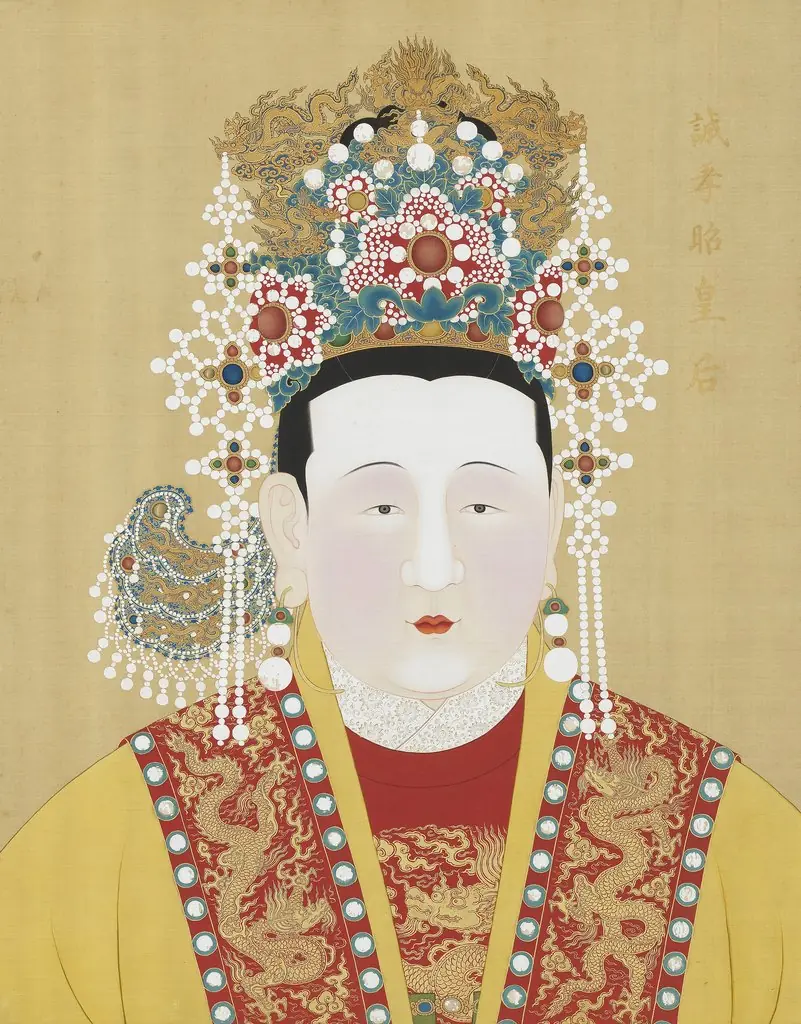
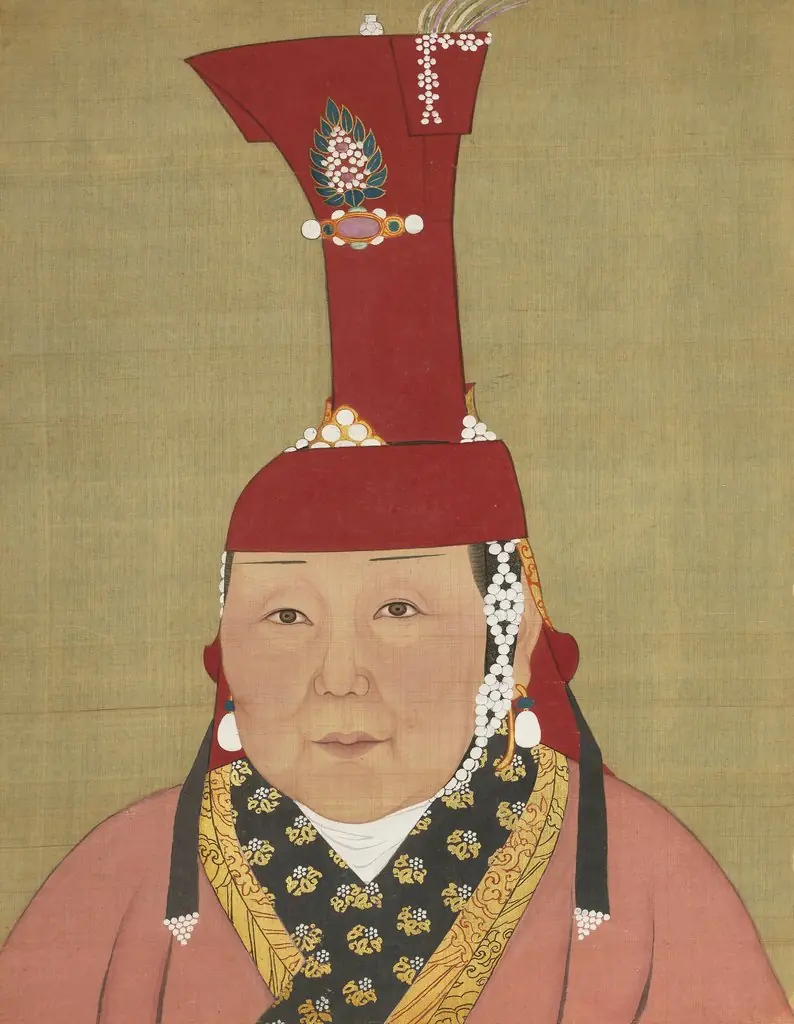
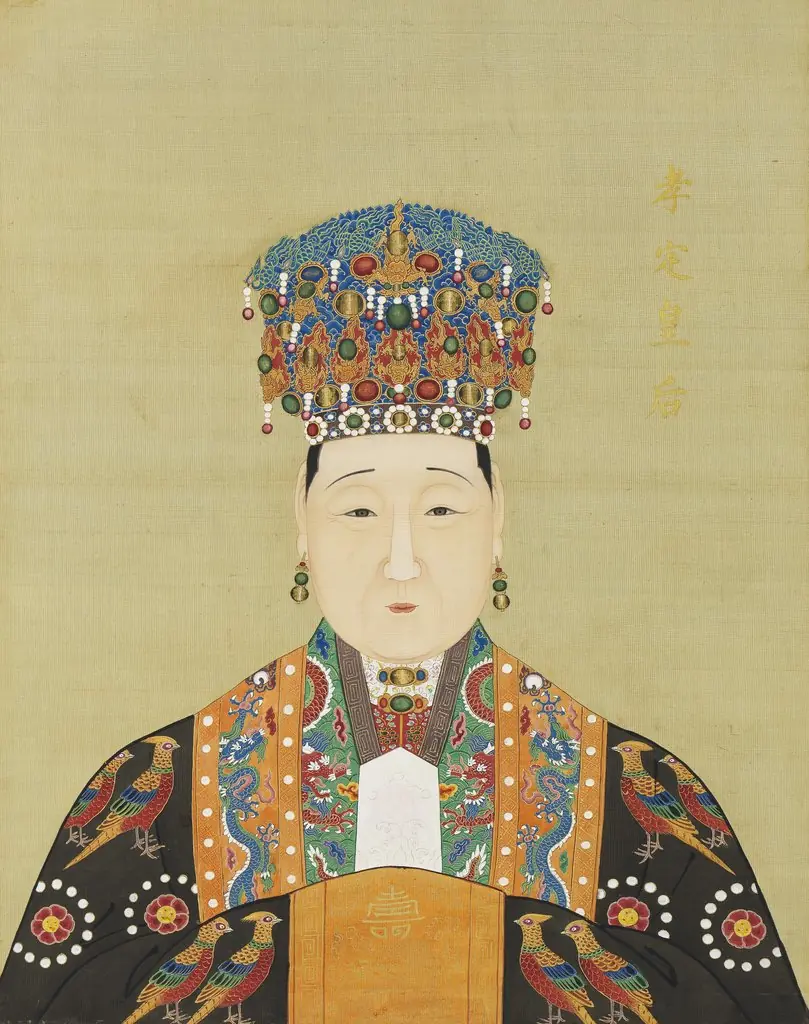
明代帝后半身像册(一)-孝康敬皇后 is an unspecified painting by Unknown. It dates from 1850 and is held in the collection of the National Palace Museum. The work is a half‑length portrait from the Ming dynasty depicting an imperial consort, identified as Empress Xiaokangjing.
About this work
Overview
The work is a half‑length portrait from the Ming dynasty depicting an imperial consort, identified as Empress Xiaokangjing. Executed on silk, the figure is shown seated, crowned with an elaborate headdress studded with pearls and gemstones, and dressed in a long robe bearing a dragon motif. The composition emphasizes the dignified bearing and serene expression of the subject.
Subject & Meaning
The portrait presents the empress in full regalia, symbolising her status within the court hierarchy. The dragon‑embellished robe signals imperial authority, while the lavish crown underscores her ceremonial role. The calm facial expression conveys the Confucian ideal of composure and virtue expected of a royal consort, reinforcing the moral and political legitimacy of the ruling family.
Technique & Style
Subtle gradations of ink and mineral pigments create a sense of depth, while the use of vibrant reds and golds highlights the opulence of the attire.
Rendered with fine brushwork on silk, the painting showcases meticulous detailing of textiles, jewelry, and the delicate folds of the robe. Subtle gradations of ink and mineral pigments create a sense of depth, while the use of vibrant reds and golds highlights the opulence of the attire. The overall style reflects the courtly aesthetic of the early Ming period, characterized by precise line and restrained coloration.
History & Provenance
The portrait is part of a series of imperial consort portraits compiled during the Ming era. It entered the collection of the National Palace Museum in Taipei, where it is catalogued among the museum’s holdings of Ming court paintings. The work has been studied as a representative example of royal portraiture from this period.
Context
In the Ming dynasty, portraiture of the emperor and his consorts served both documentary and propagandistic functions, reinforcing dynastic continuity. Such paintings were often displayed in palace halls or used in ancestral rites. The inclusion of dragon motifs aligns with the imperial symbolism reserved for the sovereign and his immediate family, situating the empress within the visual language of power.
Artist & collection

 Domestic Scene
 Giacomo and Cardinal Marco, investing Andrea, Abbot of San Zeno, with his Benefice
 The Nymph of Fontainebleau
 Portrait of a Woman
 Madonna and Child with Saints in the Enclosed Garden
 Venus and Minerva
 Family Group of Four on Sofa
 Wall painting from Room H of the Villa of P. Fannius Synistor at Boscoreale