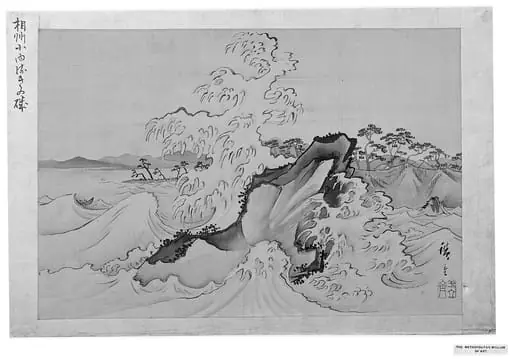
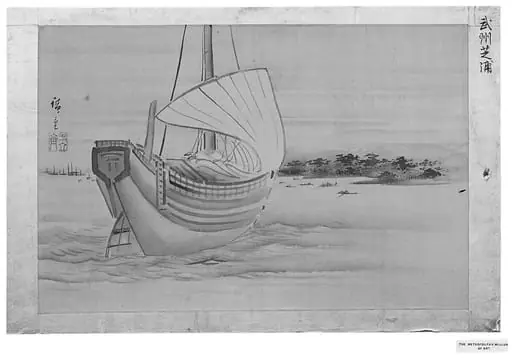
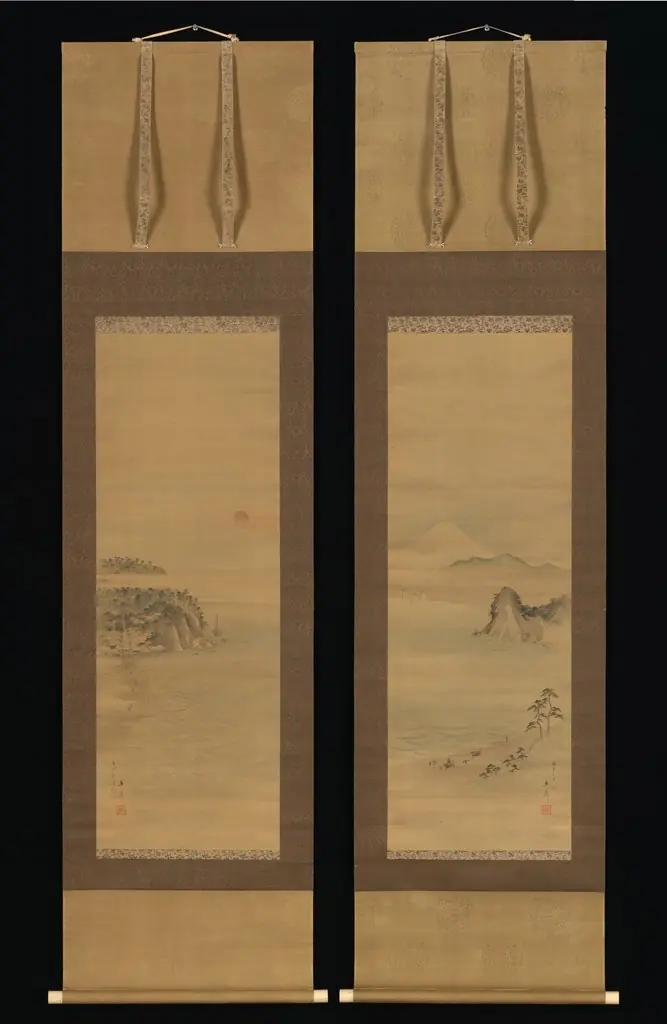
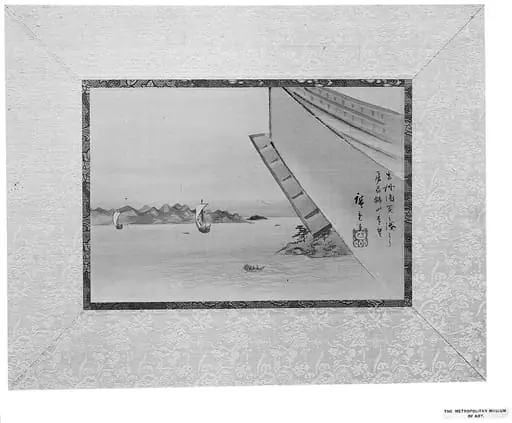
Artwork
東海道五十三次 石部|Ishibe
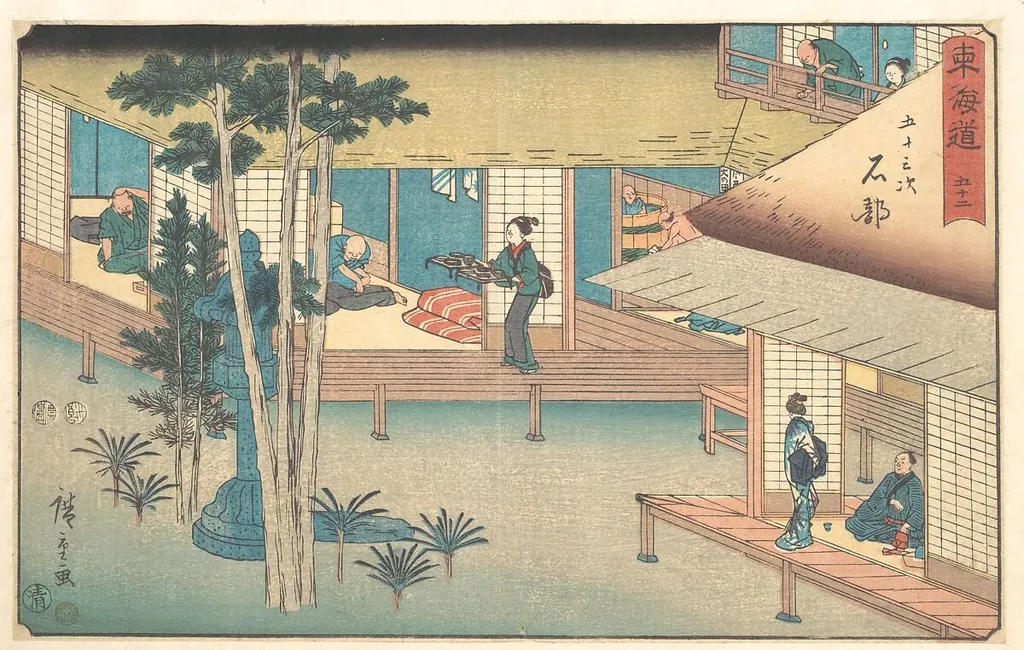
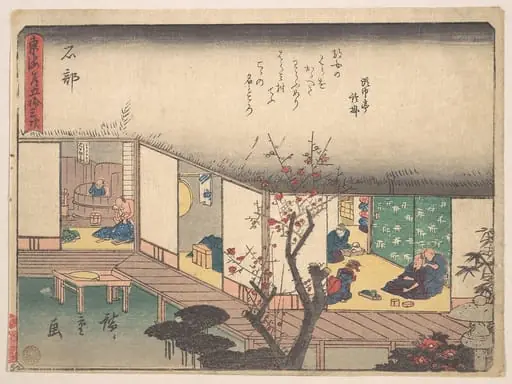
東海道五十三次 石部|Ishibe is an ink print by the Romanticist artist Utagawa Hiroshige. It dates from 1840 and is held in the collection of the Metropolitan Museum of Art.
About this work
Overview
Created around 1840 by Utagawa Hiroshige, this woodblock print is one of fifty-three scenes in the series *The Fifty-three Stations of the Tōkaidō*.
Created around 1840 by Utagawa Hiroshige, this woodblock print is one of fifty-three scenes in the series *The Fifty-three Stations of the Tōkaidō*. Rendered in ink and color on paper, it captures the quiet moment of a roadside lodging at Ishibe, a post town along the major travel route connecting Edo and Kyoto. The horizontal composition reflects Hiroshige’s preference for landscape over portraiture, marking a shift in ukiyo-e’s thematic focus.
Subject & Meaning
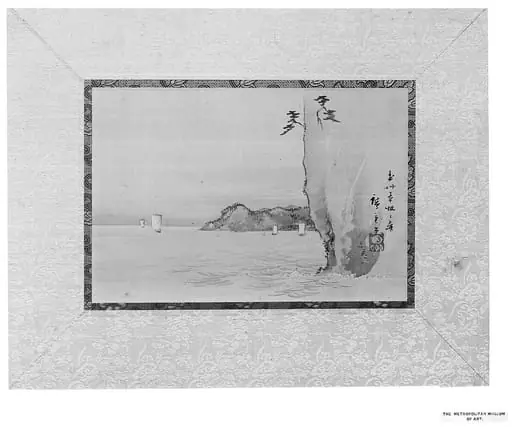
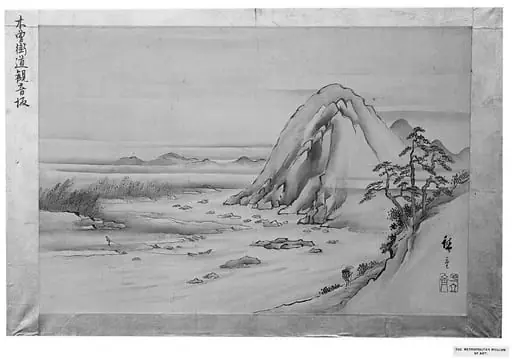
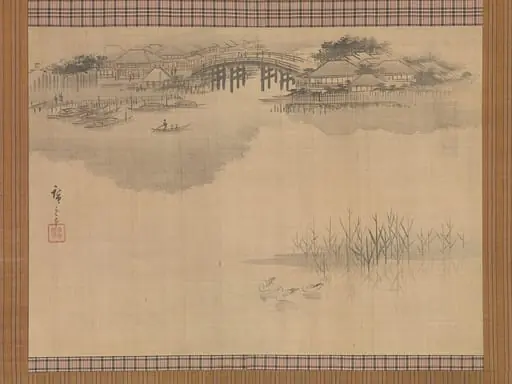
The scene portrays a modest inn with a tiled roof and wooden veranda, where travelers and residents are engaged in daily activities. Figures inside and outside the building suggest rest, conversation, or preparation for travel. A single tree anchors the foreground, its branches framing the structure and reinforcing a sense of stillness. The image conveys the rhythm of journeying life—not grand spectacle, but the calm between movements.
Technique & Style
Hiroshige employed fine linework and layered color washes to suggest depth and atmosphere. The use of muted tones and subtle gradations in the sky and ground enhances the scene’s tranquility. Spatial recession is achieved through diminishing figure size and layered foliage, while the horizontal format invites the eye to linger across the landscape. The print exemplifies his mastery of atmospheric perspective within the woodblock medium.
History & Provenance
Produced during the peak of Hiroshige’s career, this print was part of a commercially successful series commissioned by the publisher Hoeidō. Original impressions were widely distributed among merchants and travelers, making the *Tōkaidō* prints among the most reproduced images of the Edo period. Surviving examples today are held in major collections, including the British Museum and the Metropolitan Museum of Art.
Context
The Tōkaidō road was a vital artery for pilgrimage, trade, and official travel in 19th-century Japan. As the shogunate enforced strict movement controls, the stations like Ishibe became regulated rest points. Hiroshige’s series documented these stops with poetic realism, offering urban audiences a visual journey through the countryside—fostering a growing cultural interest in travel and regional identity.
Legacy
Hiroshige’s *Tōkaidō* series influenced later generations of artists, including French Impressionists who admired its compositional clarity and naturalism. The prints helped define the aesthetic of Japanese landscape art for Western audiences. Today, *Ishibe* and its companions remain key references in the study of Edo-period printmaking, valued for their quiet observation of everyday life rather than dramatic spectacle.
Artist & collection
Artist
Utagawa Hiroshige (歌川 広重) or Andō Hiroshige (安藤 広重), born Andō Tokutarō (安藤 徳太郎; 1797 – 12 October 1858), was a Japanese ukiyo-e artist, considered the last great master of that tradition.