Artwork
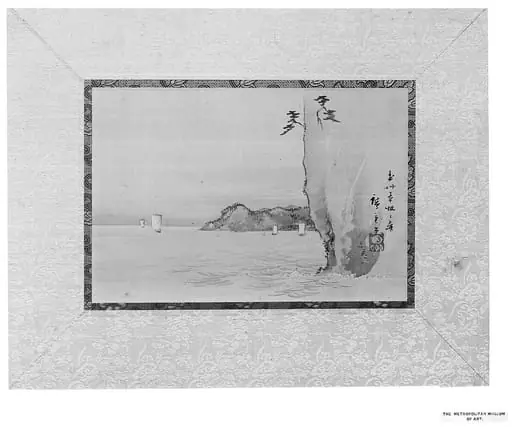
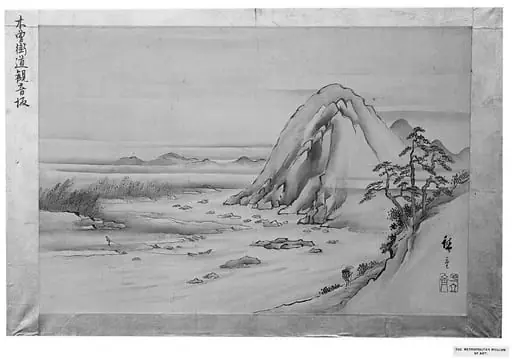
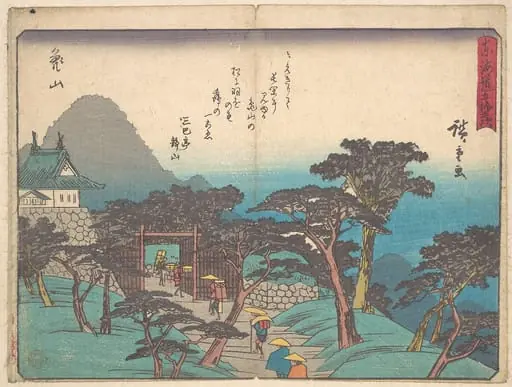
東海道五十三次 亀山|Kameyama
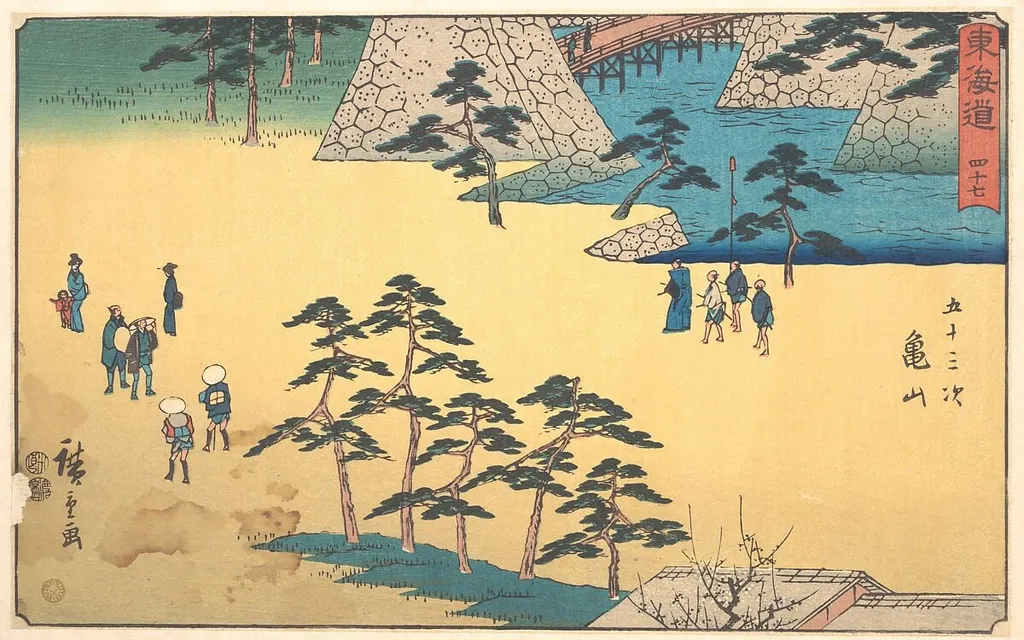
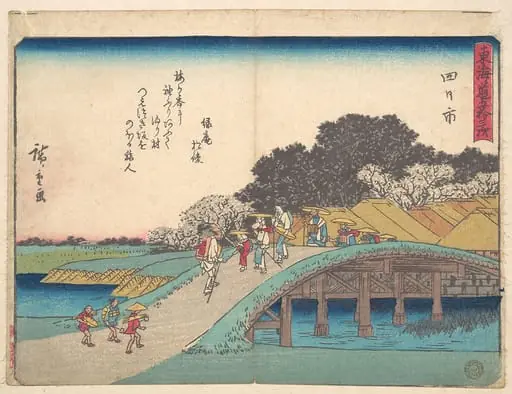
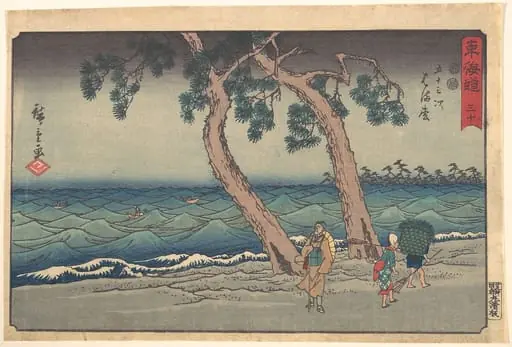
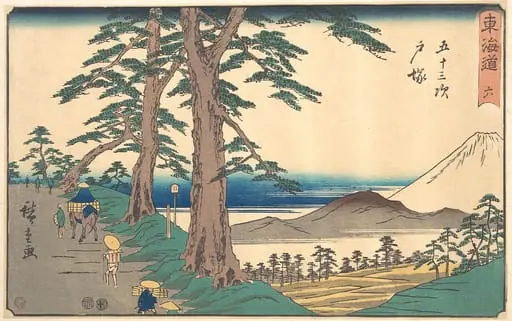
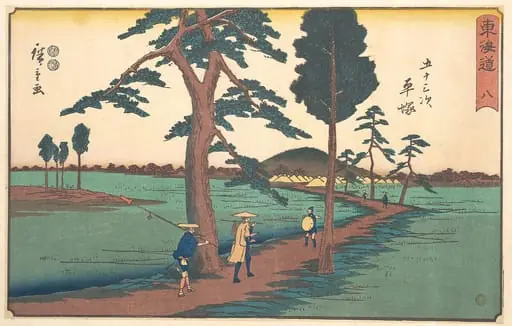
東海道五十三次 亀山|Kameyama is an ink print by the Romanticist artist Utagawa Hiroshige. It dates from 1840 and is held in the collection of the Metropolitan Museum of Art.
About this work
Overview
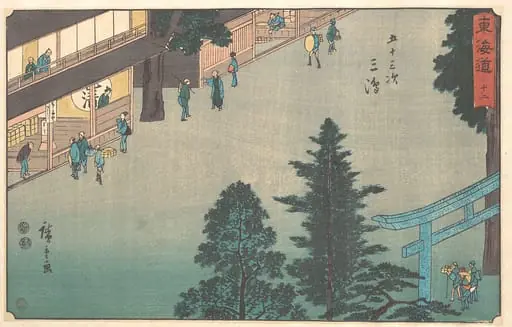
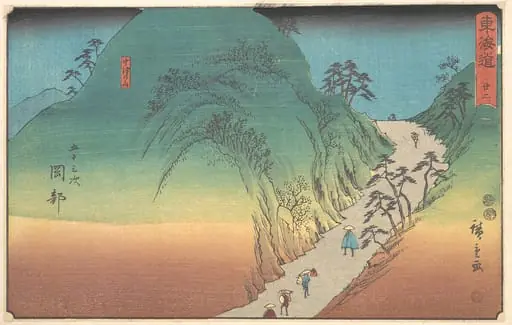
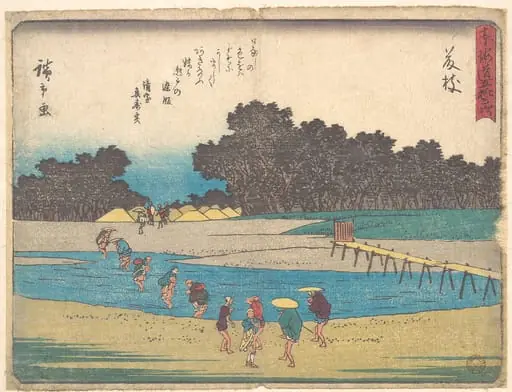
Created around 1840 by Utagawa Hiroshige, this woodblock print is one of fifty-three scenes in the series *The Fifty-three Stations of the Tōkaidō*.
Created around 1840 by Utagawa Hiroshige, this woodblock print is one of fifty-three scenes in the series *The Fifty-three Stations of the Tōkaidō*. It captures a quiet stretch of the historic road linking Edo and Kyoto, emphasizing natural scenery over human activity. Rendered in ink and color on paper, the work exemplifies Hiroshige’s shift in ukiyo-e toward landscape and mood, distinguishing it from contemporaneous depictions of urban life and entertainment.
Subject & Meaning
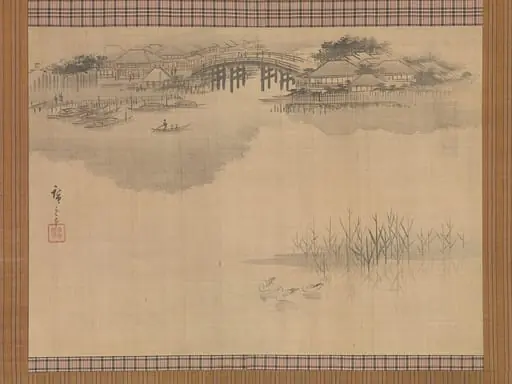
The scene depicts travelers moving along a path beside a river, framed by towering pines and a distant arched bridge. The figures are minimized in scale, underscoring the dominance of nature over human presence. This composition reflects a contemplative tone, inviting reflection on journey and transience. The quietude of the moment aligns with broader Edo-period ideals of harmony between people and the natural world.
Technique & Style
Hiroshige employed fine woodblock carving and layered color printing to achieve subtle gradations in sky and water. Bold outlines define the pine trunks and rocks, while deep blues and greens contrast with the pale, atmospheric background. The use of simplified forms and spatial recession creates depth without perspective tricks, characteristic of his mature style. The print’s restraint in detail enhances its meditative quality.
History & Provenance
The print was produced during Hiroshige’s most prolific period and circulated widely as part of a commercially successful series. It entered the collection of The Metropolitan Museum of Art through documented acquisitions in the early 20th century, likely from Japanese dealers or collectors who brought ukiyo-e prints to the West. Its preservation reflects growing international interest in Japanese printmaking during the Meiji and Taishō eras.
Context
The Tōkaidō was the most traveled road in Edo-period Japan, used by merchants, pilgrims, and samurai. Hiroshige’s series documented each station with geographic accuracy and emotional nuance, responding to rising domestic tourism. Unlike earlier ukiyo-e focused on courtesans or actors, these prints catered to a broader public seeking connection with the land, aligning with a cultural turn toward regional identity and nature appreciation.
Legacy
Hiroshige’s *Tōkaidō* series influenced Western artists such as Monet and Van Gogh, who admired its compositional clarity and emotional resonance. The print’s emphasis on atmosphere and seasonal quietude helped redefine landscape as a subject worthy of artistic focus. Today, it remains a touchstone in the study of Japanese printmaking, valued for its quiet observation rather than dramatic spectacle.
Artist & collection
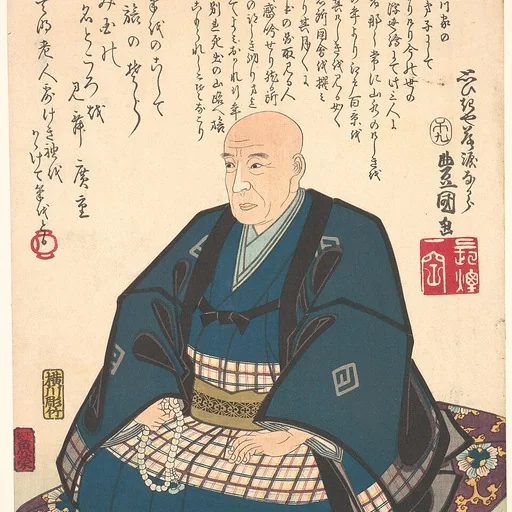
Artist
Utagawa Hiroshige (歌川 広重) or Andō Hiroshige (安藤 広重), born Andō Tokutarō (安藤 徳太郎; 1797 – 12 October 1858), was a Japanese ukiyo-e artist, considered the last great master of that tradition.