Artwork
Untitled
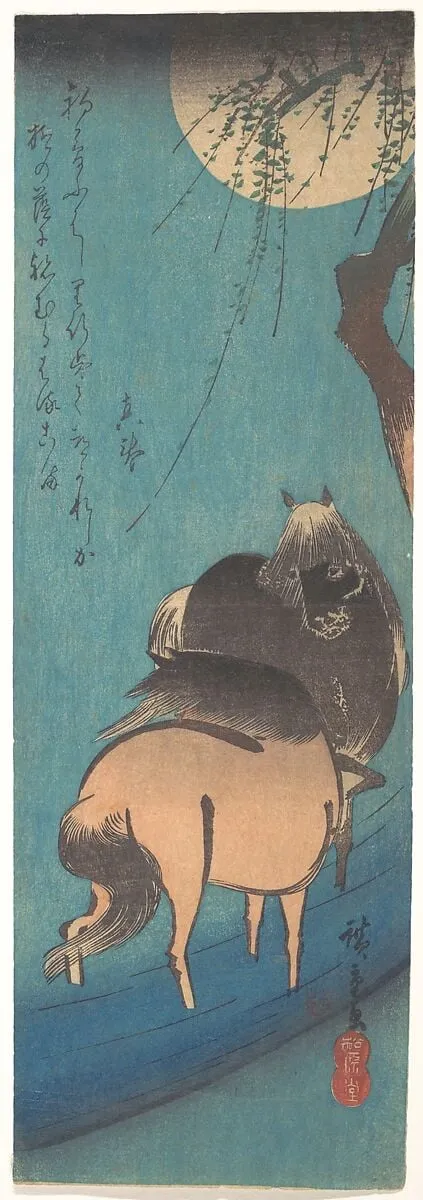
Untitled is an ink print by the Baroque artist Utagawa Hiroshige. It dates from 1742 and is held in the collection of the Metropolitan Museum of Art.
About this work
Overview
Utagawa Hiroshige’s woodblock print, created in 1742, presents a nocturnal scene of a horse and rider moving away from the viewer beneath a luminous moon. Rendered with ink and color on paper, the composition balances a deep‑blue sky with the stark silhouette of the animal and its rider, set against skeletal trees that frame the pathway.
Subject & Meaning
The image captures a solitary journey at night, emphasizing transience and movement. The rider’s wide‑brimmed hat and the horse’s unadorned back suggest anonymity, while the bright moon casts an ethereal light, inviting contemplation of travel and the quiet moments beyond bustling urban life.
Technique & Style
Hiroshige employs swift, sketch‑like lines to convey the horse’s gait and the moon’s glow, giving the work a spontaneous, almost preliminary quality. Subtle cross‑hatching builds shadow, particularly in the dark foliage, while the limited color palette accentuates the contrast between night sky and illuminated forms.
History & Provenance
Although best known for later series such as *The Fifty‑three Stations of the Tōkaidō* and *One Hundred Famous Views of Edo*, Hiroshige produced this early print during the Edo period, reflecting his interest in landscapes beyond the conventional ukiyo‑e focus on city entertainments. The piece remains part of the artist’s broader exploration of rural and night scenes.
Context
The work aligns with the ukiyo‑e tradition of woodblock printing while diverging from typical subjects of courtesans and actors. By portraying a quiet, moonlit journey, Hiroshige contributes to a growing Edo‑period fascination with nature, travel, and the fleeting moments captured through print media.
Artist & collection
Artist
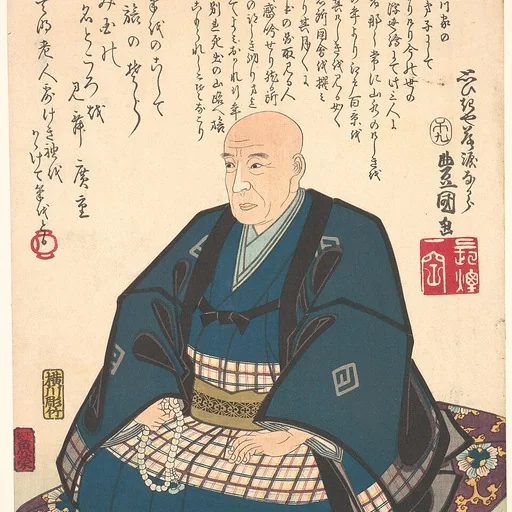
Utagawa Hiroshige (歌川 広重) or Andō Hiroshige (安藤 広重), born Andō Tokutarō (安藤 徳太郎; 1797 – 12 October 1858), was a Japanese ukiyo-e artist, considered the last great master of that tradition.

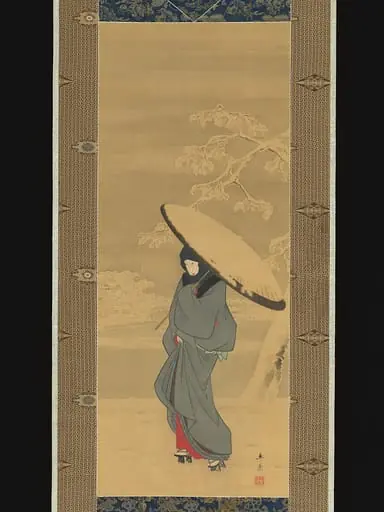

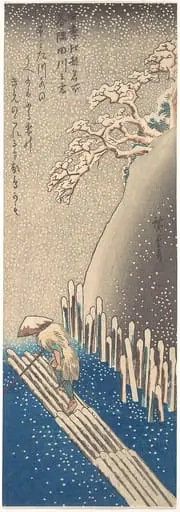 Sumidagawa no yuki|Sumida River in the Snow, from the series "Famous Places in Edo in the Four Seasons"
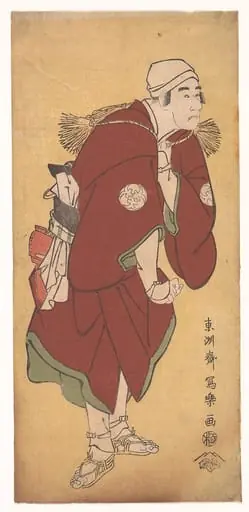 Untitled
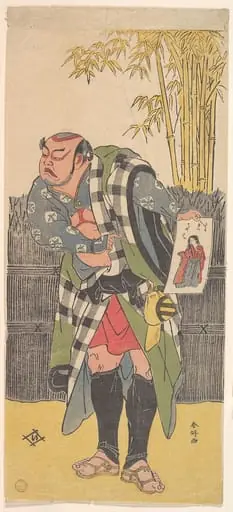 勝川春好画 七代目片岡仁左衛門 五代目市川團十郎|Kabuki Actor Kataoka Nizaemon VII
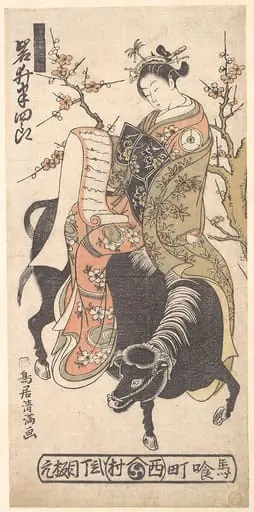 「岩井半四郎図」|The Actor Iwai Hanshiro as a Courtesan Reading a Love Letter while Mounted on a Black Ox
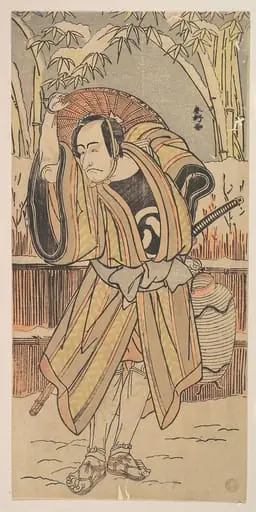 Untitled
 Courtesan
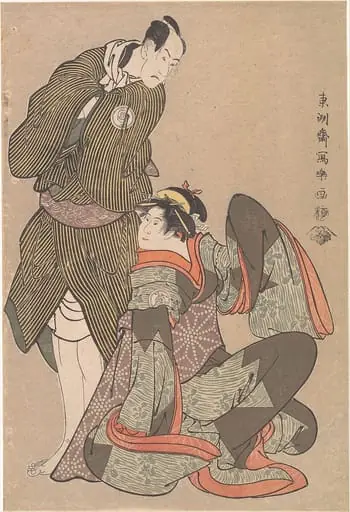 東洲斎写楽画 三代目坂東彦三郎の帯屋長右衛門と四代目岩井半四郎の信濃 屋お半 『二本松陸奥生長』|Bandō Hikosaburō III in the Role of Obiya Chōemon and Iwai Hanshiro IV in the Role of Shinanoya Ohan, from the Play “Nihonmatsu Michinoku sodachi”
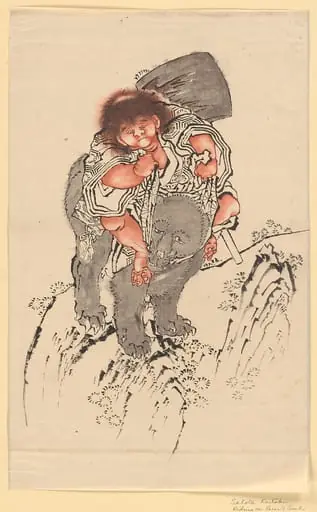 Untitled
 Untitled
 Untitled
 Untitled
 Untitled